




When To Toss Records: DQ File Management
What are a fleet’s expectations and requirements for maintaining driver qualification and other related records? Be sure to know what you need on hand in the event of an audit and understand how long you need to maintain those records.

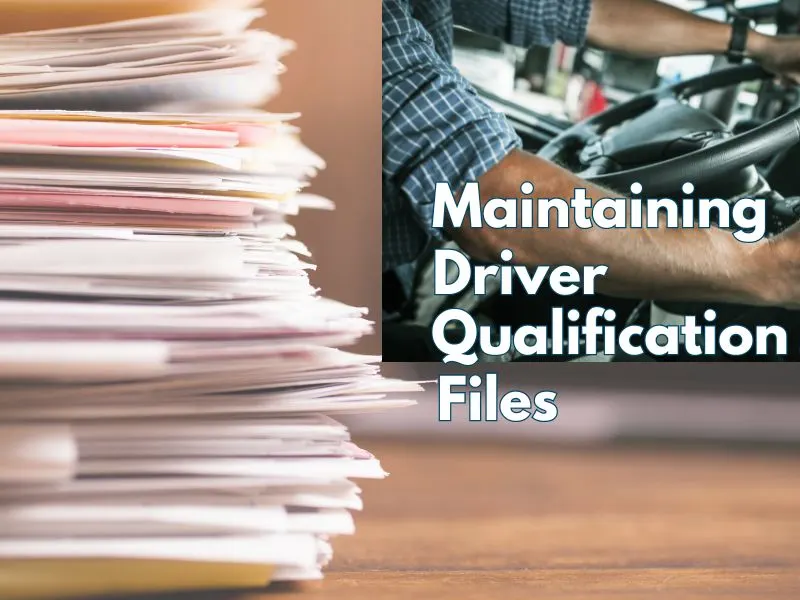
Motor carriers are expected to maintain files to help determine whether drivers can operate their commercial motor vehicles.
Photo: Work Truck
Motor carriers generate volumes of records as part of running a business. However, if you don’t know how long to retain specific documents, your recordkeeping could get out of control really fast.
One area where clean, concise records are necessary is the driver qualification (DQ) file. Motor carriers are expected to maintain files to help determine whether drivers can operate their commercial motor vehicles (CMVs).
Some documents in the DQ file are a part of the vetting process for new hires, while others ensure drivers continue to remain qualified by way of medical certification, licensing, and company standards.
In the event of an audit, you must present the required documents. Failing to maintain a DQ file could affect your safety rating and result in fines and penalties.
How Long Do You Keep New-Hire Records?
Many new-hire documents must be kept for the duration of employment plus an additional three years, at minimum. These records include:
Driver-specific application
Road test/certificate, or a copy of a CDL if using the exception in 49 CFR 391.33
Safety performance history inquiries or documented good-faith efforts
Initial motor vehicle record(s) (MVR) from each state in which the driver was licensed within three years of hire
What to Do with Recurring Documents
Other items in the file must be renewed/added on a regular basis, so keeping them longer than required could create an unwieldy file.
The following documents must be kept for a minimum of three years from the document date:
Annual MVR
Documented review of the annual MVR
Medical examiner’s certificate for non-CDL holders
MVR used to verify medical certification for CDL holders
Documented verification of the medical examiner’s listing on the National Registry of Certified Medical Examiners
Any medical exemptions or waivers, when applicable
The need for drivers to complete an annual list of their traffic violations was removed from the regulations on May 9, 2022. The minimum retention of this form is three years. This means you may have some annual lists remaining in your DQ files through May 8, 2025.
Maintaining Records After a Driver Leaves
When a driver leaves, the above retention periods still apply. Most carriers keep the entire DQ file for three years post-employment, rather than pull out expiring documents from a former driver’s file.
Extenuating Circumstances and Legal Considerations
Even though the FMCSA sets “minimum” retention periods, you may be called upon to retain some DQ file documents longer. For example, if a driver is involved in a serious crash, your attorneys may tell you to retain the driver’s file until the threat of litigation has passed.
Most attorneys want the file “frozen” as it was on the day of the crash, to indicate whether the driver should have been behind the controls of a CMV on the day of the accident. To mistakenly destroy evidence, including DQ file documents, might result in claims of “spoliation.”
Special Considerations About Purging Records
Those responsible for DQ file management must know how long to minimally retain DQ file documents based on regulatory requirements. In the event of a lawsuit, parties at the motor carrier should speak with their attorney before purging any driver records.
More Safety & Compliance

GeoFencing Adds to Your Truck Security Arsenal
Geofencing is a familiar fleet tool today, but its early adoption marked a major shift in vehicle tracking, route monitoring, and the debate over employee privacy.
Read More →
Recalls You Need to Know About in October 2026
In October 2026, what recalls might impact your fleet? Work Truck has the answers in this comprehensive overview of recent NHTSA recalls.
Read More →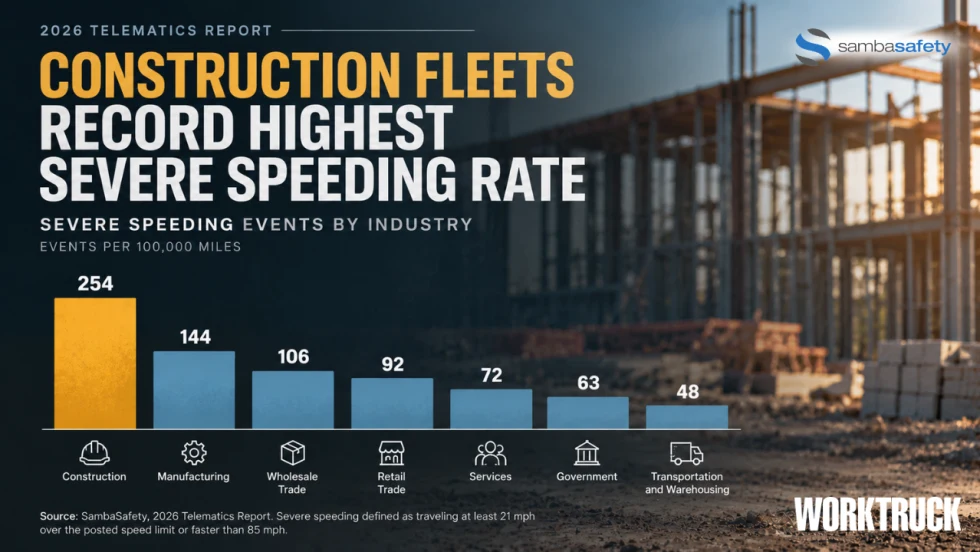
Construction Fleets Show Telematics Adoption Alone May Not Reduce Driving Risk
SambaSafety found construction fleets monitor roughly 92% of their vehicles but recorded the highest severe speeding rate among industries studied.
Read More →From Our Partners



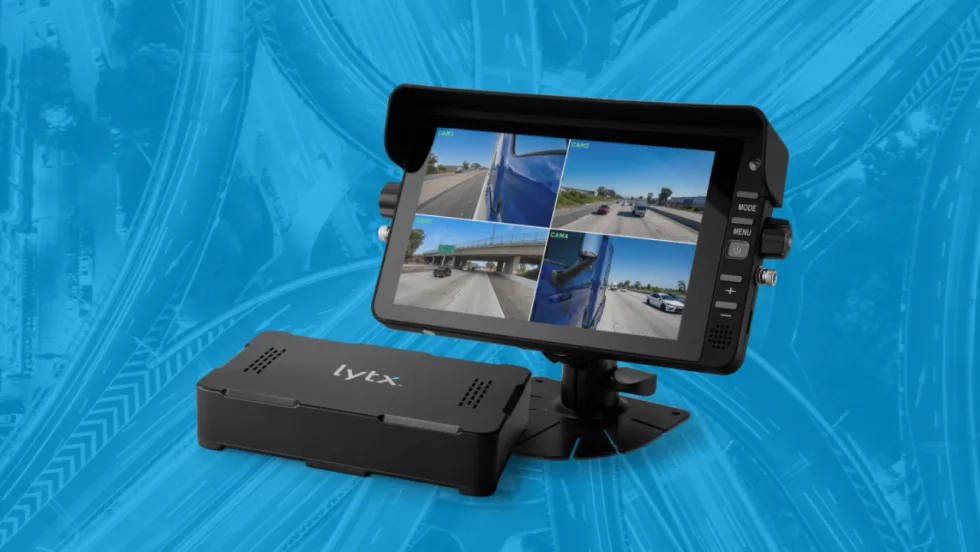
Lytx Launches 360 Hub Kit for Expanded Fleet Camera Visibility
Lytx’s new AI-ready gateway and HD auxiliary camera ecosystem, the Lytx 360 Hub Kit, extends visibility across side, rear, cargo, and blind-zone views to help fleets see more and respond faster.
Read More →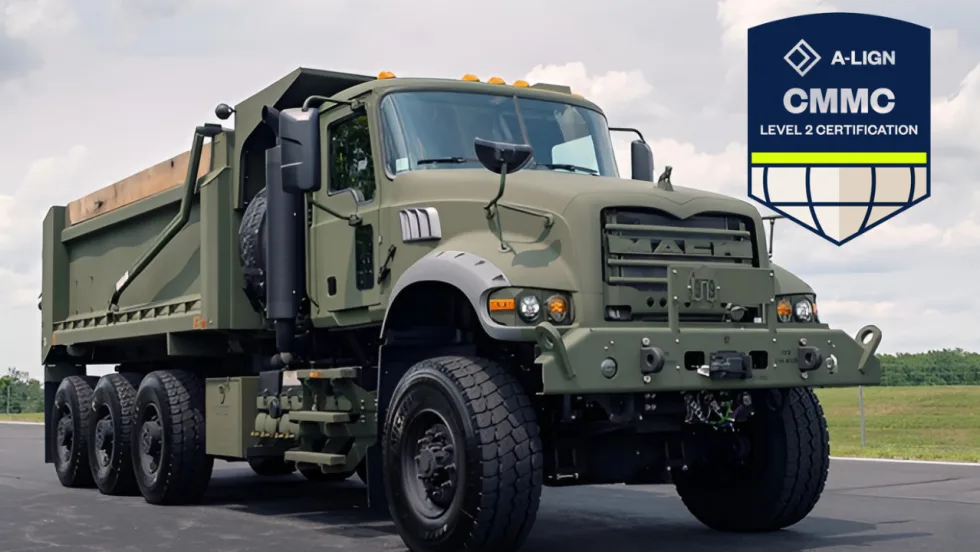
Mack Defense Achieves Cybersecurity Maturity Model Certification Level 2
After an assessment conducted by an authorized Certified Third-Party Assessment Organization (C3PAO), Mack Defense has achieved Cybersecurity Maturity Model Certification (CMMC) Level 2.
Read More →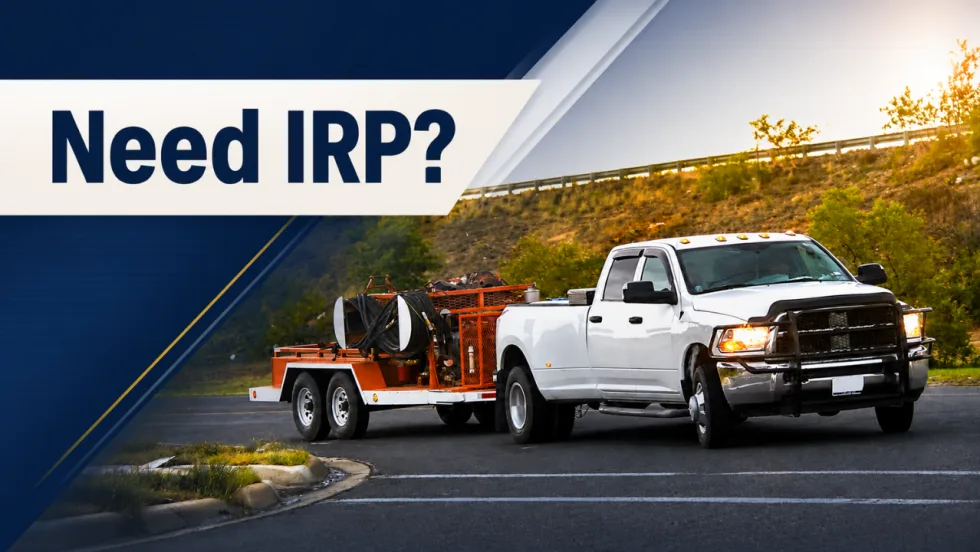
When Work Trucks Under 26,001 Pounds Need IRP Registration
Think trucks under 26,001 pounds are automatically in the clear when it comes to IRP? Not always. Learn where lighter vehicles can still run into trip permit, apportioned registration, and IFTA compliance requirements when crossing state or provincial lines.
Read More →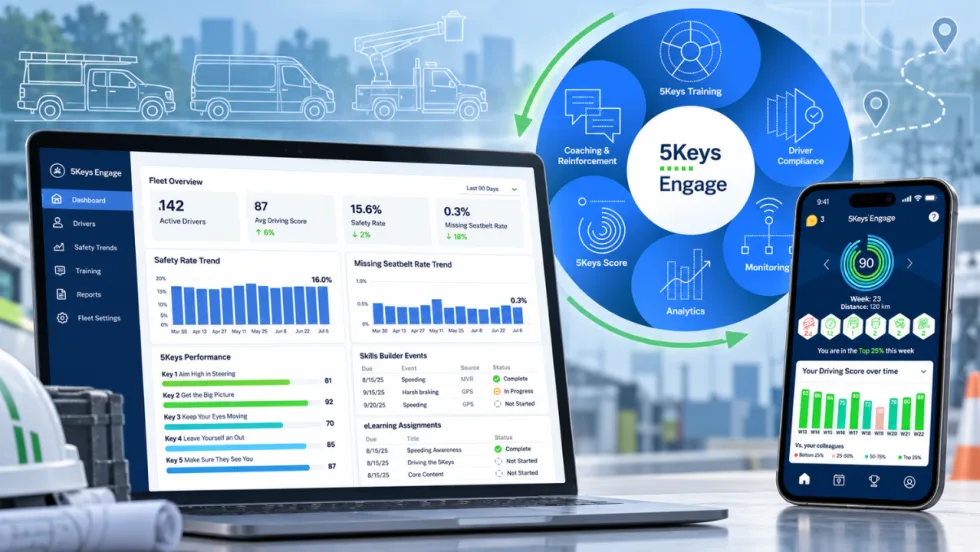
Smith System Wants Work Truck Fleets to Look Beyond the Driver Alert
Smith System’s new Driver Risk Management program is built to help mixed work truck fleets turn telematics alerts and observations into specific behaviors, coaching actions, and measurable follow-up.
Read More →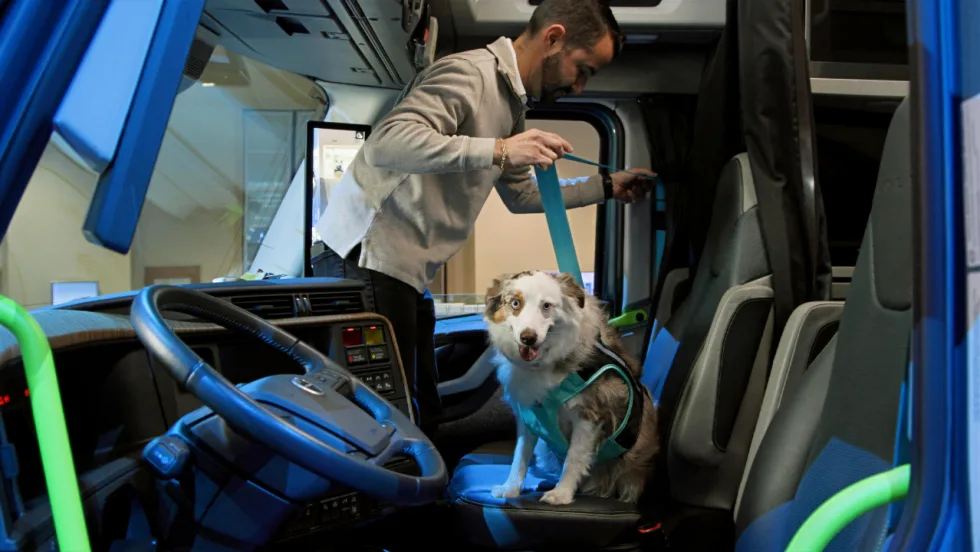
Volvo Trucks Releases New Safety Recommendations for Traveling with Pets
One of the most important recommendations for professional drivers traveling with pets is to ensure pets are properly restrained while the truck is moving. Other tips are available in the new guide from Volvo Trucks North America and Center for Pet Safety.
Read More →
Are Work Truck Drivers Warming Up to Dash Cams and GPS Tracking?
A new survey finds field-service drivers may be more comfortable with dash cams and GPS tracking than fleet managers think, especially when the technology helps protect them after a crash.
Read More →
Recalls You Need to Know About in September 2026
If you have Altec, Chrysler, Ford, Heil, General Motors, International, Mack Trucks, Paccar, Rivian, Royal Truck, Toyota, US Truck Body, or Volvo Trucks vehicles in your fleet, you should check these important recalls issued by the National Highway Safety Administration.
Read More →