




Learn More: Tire Maintenance - More than Just Checking Tire Pressure
What You Should Know About Nitrogen-Filled Tires
According to proponents, nitrogen-inflated tires maintain tire pressure longer, resist heat buildup better, and reduce the potential of freezing in high altitudes.
by Sean Lyden
September 1, 2007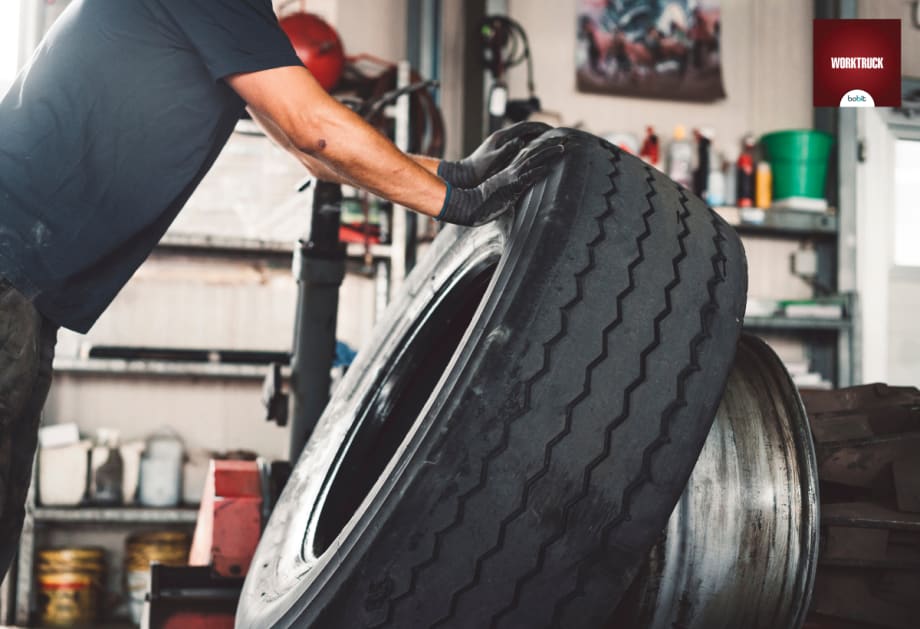
Truck tires can be filled with Nitrogen instead of air, but there are some differences fleet managers should be aware of.
Photo: Work Truck
5 min to read
Rising fuel prices have brought greater attention to maintaining proper truck tire pressure levels as a key to maximizing fuel economy. Nitrogen permeates rubber more slowly than air; promoting stable tire pressure.
When Ron Kantor, president of Leather-Rich Inc. in Oconomowoc, Wis., decided to convert his fleet of 20 vans to nitrogen-filled tires in early 2006, he was looking for fuel savings.
“We thought nitrogen might save us about 4% on our gasoline bills, partly because the tires would run cooler,” says Kantor. “We drive 25,000 miles a week, so even a fraction of a percent in savings makes a difference.”
After 18 months, what difference has nitrogen-filled tires made on Kantor’s fleet?
“Fuel economy has increased slightly from 12 mpg before nitrogen to an average of 13.5 mpg,” observes Kantor. “But where we’ve seen an even greater difference and cost savings has been our tire replacement cycles. It used to be 65,000-75,000 miles, and now we’re getting anywhere from 107,000 to 120,000 miles on a set of tires.”
While Kantor pays approximately $5 more per tire to fill with nitrogen versus compressed air, he believes the savings in fuel economy and tire replacement from nitrogen far outweighs the initial cost.
Answering Questions About Nitrogen Tires
What about your truck fleet? Would nitrogen-filled tires create similar savings for you? What makes nitrogen different than compressed air? What are the advantages and limitations? How difficult is it to find nitrogen suppliers? As you explore whether nitrogen-filled tires are right for your fleet, here are questions and answers to serve as a guide.
WT: Is filling tires with nitrogen a new concept?
Kantor: Actually, NASCAR teams, commercial airlines, and NASA have been using nitrogen for years because its chemical properties are touted to maintain tire pressure longer, resist heat buildup better, and reduce the potential of freezing at high altitudes, compared to plain compressed air.
WT: What moved the concept of nitrogen-filled tires to more mainstream use?
Kantor: The recent rise in fuel costs has brought greater attention to maintaining proper tire pressure levels as a key to maximizing fuel economy.
According to the U.S. Department of Energy (DOE), fuel economy can be improved up to 3.3% simply by keeping tires inflated to the proper pressure. Conversely, the DOE says that underinflated tires can lower gas mileage by 0.4% for every pound per square inch (PSI) drop in pressure. For example, if each tire on a 3/4-ton pickup was underinflated by just 10 PSI, you’d be looking at a 16% drop in fuel economy.
Underinflation also affects safety and tire life. “Heat is the enemy of a tire,” advises Donald B. Shea, president and CEO, the Rubber Manufacturers Association, which represents tire manufacturers. Underinflation generates heat within a tire and combined with hot summer air temperatures can cause dangerous issues for your vehicle. Properly inflated tires help maximize safety, fuel economy, and tire longevity.”
Nitrogen proponents, such as the Get Nitrogen Institute, www.getnitrogen.org, promote nitrogen as the most effective gas in maintaining proper tire pressure levels longer and keeping tires cooler.
WT: What makes nitrogen more effective than compressed air? After all, air is comprised of 78% nitrogen. What difference does a higher concentration (typically at 93-95%) of nitrogen make on tire performance versus compressed air?
Kantor: The difference is the oxygen (21%) and water vapor (1%) content in compressed air. Because oxygen molecules are smaller than nitrogen, they pass through tire walls more quickly.
According to a recent article produced by tire manufacturer Bridgestone, truck tires with compressed air can lose up to two PSI per month, even when valves and beads seal properly and there are no punctures. In contrast, nitrogen molecules permeate rubber much more slowly, taking six months to lose the same two PSI.
Moreover, Bridgestone says nitrogen is far less reactive than oxygen. When oxygen passes through rubber, it comes in contact with the steel cords in the tire, causing them to rust. Oxygen also causes the tire to oxidize, accelerating the rate at which rubber becomes brittle.
Nitrogen, on the other hand, does not cause rust and corrosion on steel, nor does it degrade rubber, according to Bridgestone.
The water vapor content in compressed air also impacts tire pressure. Water vapor absorbs and holds heat, causing tires to run hotter and create wider pressure fluctuations than with nitrogen.
WT: Can tire pressure be checked less often using nitrogen than compressed air?
Kantor: In theory, yes. However, tire manufacturers and the National Highway Traffic Safety Administration (NHTSA) still recommend monthly tire pressure checks, regardless of what is used to inflate the tires. One thing Kantor does to ensure his tires are checked regularly is to include pressure checks at oil change drain intervals.
WT: Air is free. How much does nitrogen cost to inflate a tire?
Kantor: Prices range from $2-$10 per tire, with most providers offering lifetime fill-ups.
WT: Speaking of fill-ups, is it safe to top off a nitrogen-filled tire with air when the tire is low and no nitrogen supplier is nearby?
Kantor: Yes. According to Bridgestone, the small amount of air used to top off a tire has very little effect in the near term. When the truck is serviced, the air can be purged and refilled with optimum levels of nitrogen.
WT: Are directories available to locate the nearest tire dealers that offer nitrogen-filled tires?
Kantor: A growing number of auto dealerships and tire retailers, including Costco and PEP Boys, offer nitrogen-filled tires. Check out this dealer locator to find a nitrogen supplier.
WT: How does nitrogen impact tire warranty?
Kantor: Consult your tire supplier to confirm there’s no issue with filling up the brand of tires you use with nitrogen. Tire manufacturers, including Goodyear, Michelin, and Bridgestone, support nitrogen use in their tires, but they all do not necessarily endorse nitrogen.
Subscribe to Our Newsletter
More Maintenance
Les Schwab Expands Commercial Tire Footprint Into Arizona
Les Schwab Tires has expanded into Arizona with two commercial tire locations in Phoenix and Tucson, strengthening its fleet service footprint in the Southwest.
Read More →
Volvo Trucks’ 'Lock and Leave' Software Updates Go Live Across North America
Unattended over-the-air software updates are now available in Volvo trucks across the U.S. and Canada. The new capability lets trucks stay current with the latest software without interrupting operations or requiring a dealership visit.
Read More →
Why Technician Appreciation Can’t Be a Once-a-Year Thought
For fleets trying to keep skilled technicians, recognition cannot begin and end with Technician Appreciation Week. Learn what year-round appreciation really looks like and why the everyday technician experience matters just as much as pay when fleets are trying to keep good people.
Read More →
How Faster Driver Reporting Can Keep Small Truck Problems Small
When minor damage, warning lights, or equipment issues are reported late, small problems can quickly become bigger maintenance headaches. Conversational AI can help shorten the path from what a driver notices in the field to the person who can act on it.
Read More →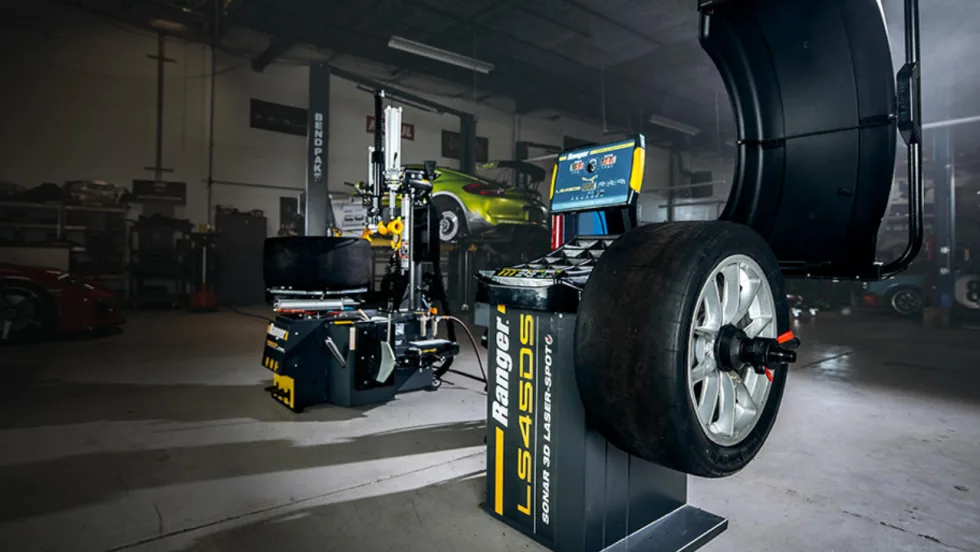
BendPak’s Ranger Wheel Service Equipment Achieves North American Safety Certification
BendPak’s full line of Ranger tire changers and wheel balancers has been ETL certified to UL and CSA standards to improve operator safety.
Read More →
Isuzu & U.S. Department of Labor Celebrate Milestone for Veterans Apprenticeship Program
The Isuzu Veterans Apprenticeship Program (IVAP) signing ceremony highlighted Isuzu’s long-term commitment to veterans, Isuzu dealers, and the skilled workforce supporting its customers and the commercial transportation industry.
Read More →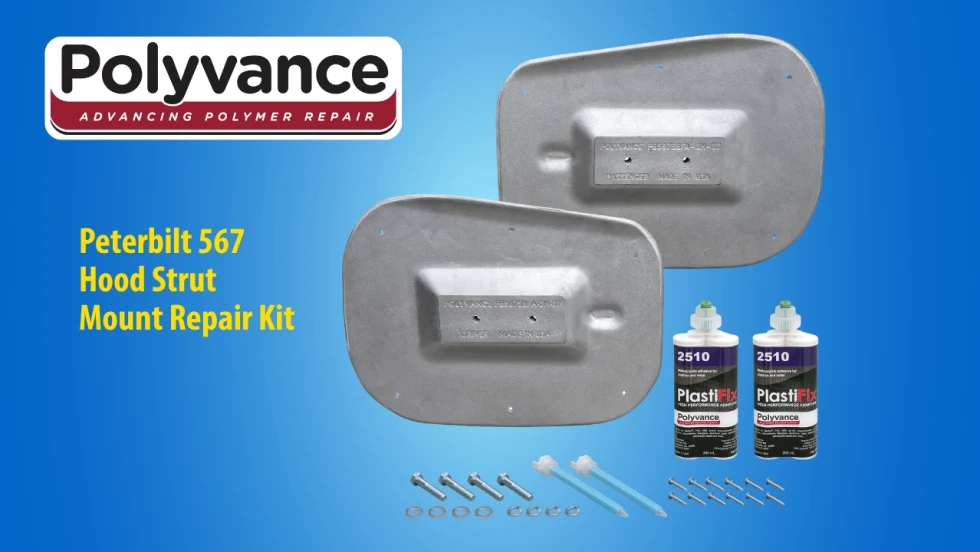
Polyvance Introduces New Peterbilt 567 Hood Strut Mount Repair Kit
Polyvance has launched a repair solution for Peterbilt 567 hood struts, helping truck owners and repair facilities avoid costly hood replacements.
Read More →
Cox Automotive Celebrates Technical Excellence at 2026 Top Tech Finals
The top technicians from Cox Fleet and Manheim tested their skills in Nashville, Tennessee, at Cox Automotive’s 2026 Top Tech Finals. The overall winners will advance to compete at the American Trucking Association’s TMC SuperTech competition.
Read More →
Grote Industries Appoints Vice President of North American Operations
Grote Industries has appointed Patrick Smith as vice president of North American operations as it celebrates 125 years of innovation and manufacturing excellence. He has more than 20 years of manufacturing leadership experience.
Read More →
Winter Fleet Prep: Expert Tips to Keep Vehicles Running Smoothly
Cold weather can expose weak batteries, tires, fuel systems, and maintenance gaps fast. Use this winter fleet checklist to prepare trucks and drivers before temperatures drop.
Read More →