




Dive Deeper: Is Your Truck Fleet Truly Safe?
Using Data-Centric Predictive Analytics to Improve Driver Safety
Current tactics to analyze driver risk are reactionary, targeting drivers with already-proven unsafe behaviors. New data sources provide more comprehensive metrics for intelligent forecasting of high-risk drivers.
by Alex Popov and Dico Akseraylian
September 1, 2007
The challenge with identifying high-risk drivers is the most transparent data, such as driving records, traffic violations, and accident reports, only look at drivers’ histories and may not always indicate a driver with the highest potential risk.
Photo:Paul Hanaoka/Unsplash
5 min to read
Accidents are expensive. There’s no mistaking that, but according to the Federal Motor Carrier Safety Administration’s (FMCSA) latest report, “Unit Costs of Medium and Heavy Truck Crashes,” costs associated with medium- and heavy-duty truck crashes are up 53% compared to a 2004 report.
That increase translates to an average cost of $91,112 for each police-reported accident involving a truck with a gross weight of 10,000 lbs. Add two or three truck-tractors to the mix, and that figure jumps to $289,549 per crash. Granted, one main reason for increased costs is a 40% increase in medical expenditures and increased costs, including emergency services, property damage, and lost productivity. However, the numbers contained in the report are staggering:
Each year approximately 433,872 medium- and heavy-duty trucks are involved in crashes.
The average cost of a non-fatal injury crash is $195,258.
Truck crash-related fatalities total nearly 5,000 each year.
The average cost per crash involving a fatality is $3.6 million.
With an estimated $35-$40 billion impact on the trucking industry, it’s no surprise an increasing number of North American fleets are expressing an immediate need to curtail accident related costs.
Recognizing the role driver safety has on operational overhead, PHH FirstFleet’s survey of fleet managers addresses the issue each year. Its 2007 study of senior fleet operations managers, industry experts, and economic leaders revealed that 85% currently endorse measuring driver habits and past performance.
Current Safety Analysis Methods Reactionary
Current industry-accepted driver safety analysis and training programs employ conventional methods, such as reviewing past driving behavior through MVR and accident reports, which focus on those who have had violations or exhibited poor driving behavior in the past. However, these tactics are reactionary, targeting drivers who have already either been involved in an accident or exhibited high-risk behavior.
The challenge with identifying high-risk drivers is the most transparent data, such as driving records, traffic violations, and accident reports, only look at drivers’ histories and may not always indicate a driver with the highest potential risk.
Additionally, while examining historical data may build a driver profile, it does not necessarily identify drivers who are apt to have an accident. Here, driver profiles assume that a history of poor driving behavior is the lone indicator and do not correlate other possible factors such as hours logged, miles traveled, or operating conditions that could cause someone to have an accident in the future.
New Data Streams Aid Decision-Making
Today, however, we operate in the age of information. With the prevalence of GPS, telematics, and enterprise change management (ECM) data- capturing devices, we are fortunate to have a plethora of data streams available. The proliferation of client and third-party data streams, including engine and maintenance data, braking profiles, avoidance maneuvers, route information, and driver fatigue, provide much more intelligent information to consider when making qualified decisions.
A holistic approach produces a comprehensive, rich set of metrics on which to base analysis. Fleet managers now can proactively take action and make educated decisions that positively impact their businesses. Armed with such data-rich information, the entire industry can begin to realize the ability to reduce overall accident frequency and severity, decrease average cost per accident, and reduce overall risk exposure.
Simultaneously, we can start to take a proactive role in lessening the impact accidents have on our business, community, and peoples’ lives.
With the integration of driver information, GPS, telematics, and maintenance data, fleet managers are equipped to develop intelligent driver safety models specific to their business needs, operations, and systems. The increased role of technology partners with the fleet management process, further assists in identifying at-risk drivers, and takes a proactive role in reducing drivers’ risk exposure.
We can assess the risk level, including the associated risk factors, for each driver. Online reports — some of which are compiled and reported realtime via Internet-hosted modeling applications — have become an important tool in analyzing and interpreting data efficiently.
However, data should not stand alone. The most effective data-centric models are supplemented with the objective expertise of an outside industry consultant. Fleet managers know there are new technologies out there, but they also realize they need help executing such programs.
A new concept of third-party sources are stepping up to the plate. With an overwhelming number of fleets indicating a desire to work with industry consultants and outsource safety compliance, data analytic consulting services are positioned to significantly aide in reducing accident frequency and severity.
Smart Technology & Data Modeling Help Prevent Crashes
Although accidents are a given, smart technology and data modeling programs are helping forecast which drivers will have collisions, empowering fleets to prevent accidents from happening.
More-advanced models allow fleets to incorporate driver fatigue into risk management models, ideal for fleets that operate during evening hours or drive long hauls. If driver fatigue is determined a problem, drivers undergo fatigue analysis, and the results are incorporated into the predictive modeling application. Because driver fatigue is typically associated with severe accidents, or those that involve personal injury, this approach allows fleets to address not only accident reduction as a whole, but also target accident severity and driver fatigue.
While the application of synthesized data to driver habits is a revolutionary approach to truck risk and safety, predictive analytics have long been a part of management decision-making. Whether a bank pulls a credit report and reviews an applicant’s payment history, income, and assets before approving the loan, or baseball team uses statistical modeling to forecast what pitch will be thrown and where a particular batter is apt to hit the ball, predictive modeling has long been accepted as a commonly-used technique to forecast events.
Ultimately, advanced data model applications exceed highway safety and risk management. In the future, the models will be effective in maximizing fuel efficiency and identifying and recommending individualized maintenance schedules and tractors based on fleet metrics and driver habits. By continuing to embrace data analytics models, fleet managers will have a significant tool in optimizing fleets, improving productivity, and reducing operating costs.
Predictive analytics is quickly becoming the most advanced form of “customized” risk management. By leveraging and analyzing data to provide insight into truck-tractor usage, driver behavior, and fleet productivity schedules, predictive models allow us all to maximize our investments and realize benefits well beyond driver safety and risk reduction.
Like other types of risk assessment programs, predictive analytics is by no means a magic bullet. It is only the beginning and requires a total commitment from the organization, fleet manager, and driver to turn the model’s efficacy into reality.
Subscribe to Our Newsletter
More Safety & Compliance
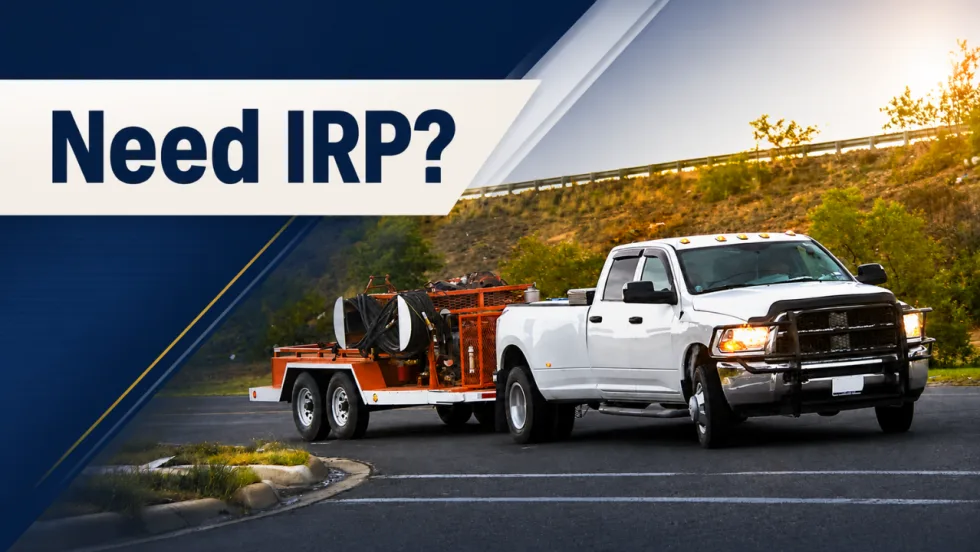
When Work Trucks Under 26,001 Pounds Need IRP Registration
Think trucks under 26,001 pounds are automatically in the clear when it comes to IRP? Not always. Learn where lighter vehicles can still run into trip permit, apportioned registration, and IFTA compliance requirements when crossing state or provincial lines.
Read More →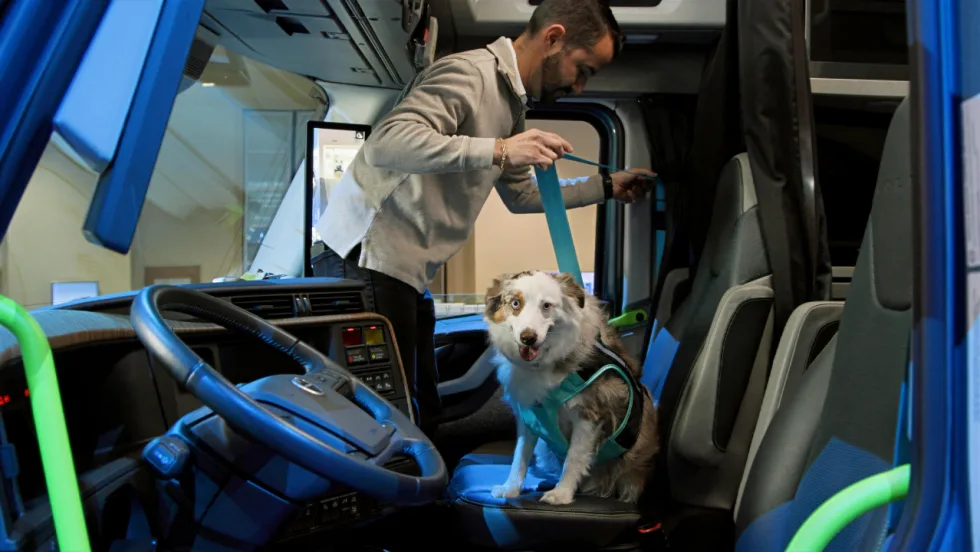
Volvo Trucks Releases New Safety Recommendations for Traveling with Pets
One of the most important recommendations for professional drivers traveling with pets is to ensure pets are properly restrained while the truck is moving. Other tips are available in the new guide from Volvo Trucks North America and Center for Pet Safety.
Read More →
API Issues Refueling Safety Guidelines
The American Petroleum Institute offers a list of safe vehicle refueling guidelines, including ways to avoid potential problems with static electricity discharges in fall, winter, and early spring.
Read More →


Winter Fleet Prep: Expert Tips to Keep Vehicles Running Smoothly
Cold weather can expose weak batteries, tires, fuel systems, and maintenance gaps fast. Use this winter fleet checklist to prepare trucks and drivers before temperatures drop.
Read More →
When a Work Truck Breaks Down, the Job Can Stop, Too
A work truck breakdown can stop more than the vehicle. Discover how payloads, jobsites, and specialty equipment change the roadside response.
Read More →
What Stronger Long-Term Fleet Service Partnerships Actually Require
Fleet service partnerships rarely fall apart all at once. Learn the three warning signs that trust is eroding and what fleets and providers can do before downtime, frustration, and lost revenue follow.
Read More →
Applause & TRUCE Software Partner to Improve Driver Safety Through AI-Powered Telematics & Employee Performance Management
Applause has integrated TRUCE driving metrics directly into its employee-first performance and safety platform that transforms mobile devices into AI-powered telematics.
Read More →
How Detroit Assurance with Active Brake Assist Works
Do you want to see what it is like to experience Detroit Assurance’s Active Brake Assist? In this video, Work Truck will put you in the cab to see how it all works and then hear more details from DTNA’s Mike Young.
Read More →
Get Left of Loss: A 5-Step Workplace Violence Prevention Framework for Fleet Operators
Violence risks do not stop at the driver’s door. Learn five practical steps fleets can take to spot threats early and protect workers before loss occurs.
Read More →
Sponsored•July 17, 2026
How Better Visibility Cut Speeding Violations by 48%
Fleet leaders don't need more data, they need clearer visibility into what the data is saying. This case study explores how one utility replaced speeding-event counts with a single metric — miles driven in violation — to strengthen safety and significantly reduce speeding violations.
Read More →