





Related: State of the Commercial Truck Tire Market, Present & Future
Truck Tire Replacement & Pricing Trending Upward
Tire prices will continue to rise with increases in raw material costs, tariffs, and a more robust economy fueling growing fleet needs.
December 11, 2018
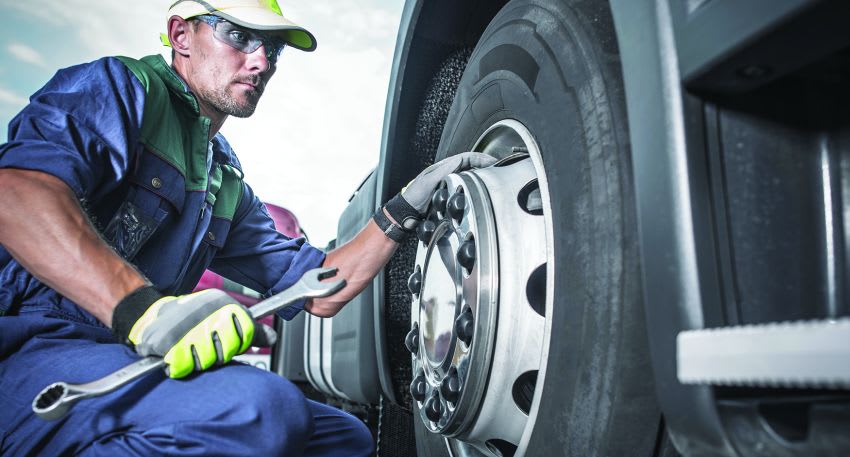
The replacement market has been expanding as capacity remained tight and the demand continues upward as the economy continues to strengthen.
Photo courtesy of Getty Images
6 min to read
Truck tires are one of the top three operating costs for fleets. Budgeting for this top fleet expense is tough, with everything from the economy to drivers making an impact.
The replacement tire market is strong, which is good for tire makers, meaning higher demand and sales. But, this does not translate as a good thing for fleet budgets.
Tire OEs are working to keep price points low for fleets, but some factors such as the possible Chinese tire tariff are outside of their control.
Replacement Tire Trends
Overall, the tire industry is cyclical with some predictable industry shifts in OE and replacement.
“There are many economic factors that impact our industry and affect the category growth rates of both OE and replacement tires,” said Eric Higgs, president, truck, bus, and retread tires for Bridgestone Americas Tire Operations.
The replacement market has been expanding as capacity remained tight and the demand continues upward as the economy continues to strengthen.
“Inventories remain level to low, requiring higher, frequent freight requirements. The lack of drivers and capacities nudging closer to the 100% mark (anything over 90% can be considered overcapacity), are the two major factors holding freight back,” said Dan Funkhouser, VP of commercial sales for Yokohama Tire.
But, the upward trend isn’t impacting all tires equally.
“Much of this increase has been weighted toward less expensive or opening price point truck tires as availability has improved in 2018 from 2017,” said Gary Schroeder, executive director, global truck and bus tire business for Cooper Tire & Rubber Co.
This tire market strength is directly following the strong overall trucking market.
“In 2018, we saw solid construction indicators, which positively impact the trucking industry. We have also seen a continued increase in e-commerce, which utilizes trucks to deliver goods ordered online. This e-commerce trend will continue to impact fleets as hauls become shorter due to a changing distribution network. Overall, the strong market is putting a strain on the supply chain and we are seeing some backorders as a result,” said Mike Graber, director of commercial tire sales for Toyo Tire USA.
In addition, a higher freight demand due to strong construction and manufacturing sectors is directly impacting replacement tire purchases.
“The result of market strength in these sectors is a tight supply on preferred brands and tread patterns. For fleets selective about the products they run, it’s important to forecast tire needs in advance. Fleet surveys to gauge tread depths are very effective and allow for early communication to the tire dealer so that the dealer has the preferred tires when it’s time for replacement,” said Ken Everhart, regional director, TBR sales for Hankook Tire.
The economy continues to impact tire demand.
“At least part of the economy is being driven by the rush to receive products from China before the tariffs take effect. The interesting fact is the tariffs will have to be absorbed by the market because there is not enough domestic tire manufacturing capacity to satisfy the demand. And, the only country with the capacity and capability to satisfy the demand is China. So, Chinese tires will continue to be an important part of the U.S./North American market,” said Walt Weller, senior vice president of Double Coin Tires.
The current economy is stemming from high freight demand.
“Right now, there are plenty of miles being driven,” said Karen Schwartz, B2B marketing director – on road for Michelin North America. “The concern is for replacement tires imported into the United States, mainly from Asia. The growth in these imports has outpaced the total growth in the market, meaning domestic production and sales are suffering.”
In the end, replacement tire purchases are currently reflecting the overall optimistic outlook on the economy.
“With unemployment low, people are moving around much more than they would in less favorable economic conditions. Businesses currently have a good outlook on the future and are therefore hiring. This could directly cause the relocation of new hires, which helps the housing sector. For those not changing jobs, tax changes have given people more disposable income, leading to higher consumer confidence and more spending on goods that need to be transported either to business establishments or directly to the consumers themselves,” Schwartz added.
Tire Prices Forecast to Rise
High demand with supply concerns equals an overall upward pressure on tire prices. One significant cost factor contributing to price increases is transportation.
“Ocean freight and inland freight transportation costs have increased dramatically, causing shippers to absorb these costs and attempt to pass them along to the end user, which many have done successfully,” Weller added.
But the largest impact on future tire prices may be tariff-related.
“The current tariffs (10%) on tires coming from China as well as the threat of additional tariffs that come Jan. 1, 2019 (15%) will cause Chinese tires to become more expensive. What we expect to happen, and are already seeing happen, is the domestic tire manufacturers will take advantage of the situation and increase tire prices despite generally low raw materials costs. This has also impacted the retread market, which has also announced increases,” said Weller of Double Coin Tires.
The tariffs are forecast to have a domino effect on tire prices.
“After a spike over the summer, rubber and steel costs have leveled off. But, pricing will continue to be affected by tight supply and the lingering trade issue with China. A recent increase on Chinese imported truck tires, combined with the threat of an additional tariff going into 2019, will result in higher pricing to fleets. Numerous tire manufacturers, including Tier 1 and Tier 2 brands, build tires globally and rely on Chinese plants to meet demand. The higher tariffs will cause those brands to increase costs and will also give manufacturers who do not build tires in China a reason to raise prices,” said Everhart of Hankook Tire.
And while raw material prices have stabilized, they are still forecast to increase.
“Costs are influenced by a number of factors. Raw materials and operational costs, including but not limited to the cost of freight, probably play the largest role in influencing tire pricing. Unfortunately, both raw materials and operational costs are on the rise,” explained Funkhouser of Yokohama Tire.
The industry is experiencing very strong market demand for replacement tires due to high capacity utilization at fleets in the market with no signs of abating before 2020.
“OE makers are also continuing to build new trucks at record levels of production going into the year. Competition for commercial tire capacity between OE and aftermarket sales, combined with the customer ability to drive rates in the market, points toward a tire price increase during the course 2019. What can be said is that 2019 exit price levels for commercial tires will very likely be greater than entry levels,” said Schwartz of Michelin.
One aspect of the industry forecast to benefit from this increased pricing and tight supply? Retreaders.
“Retreading is a vital part of the transportation industry as it helps reduce a fleet’s overall operating cost and keeps good casings out of the scrap piles,” Everhart added.
Stable tire prices are not forecast into 2019, but instead, fleet managers should be factoring in an increase for their tire expenses.
“Pricing has been stable in the past few years, but we expect market prices to increase as we enter 2019. Government regulations and a tight transportation market are driving up costs for the entire segment,” said Graber of Toyo Tire USA.
Subscribe to Our Newsletter
More Maintenance
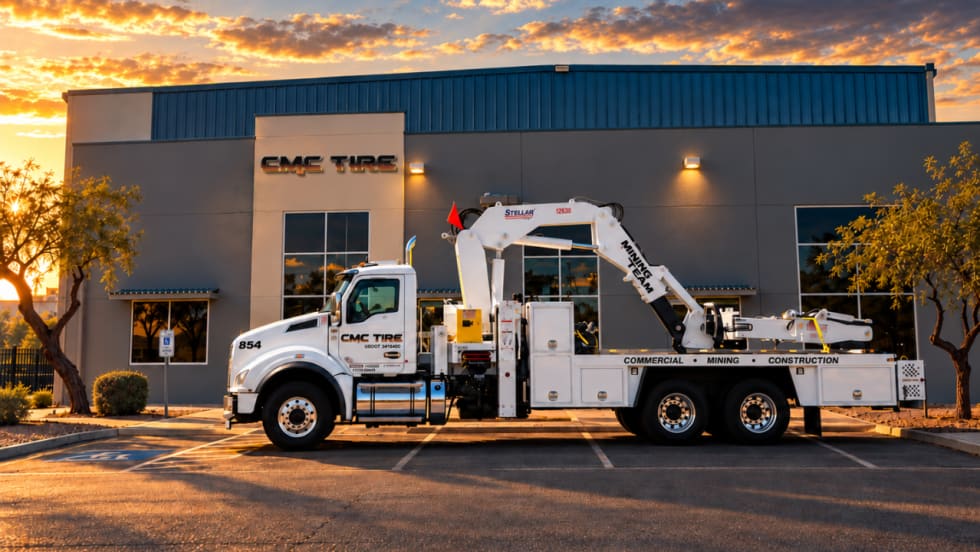
Les Schwab Expands Commercial Tire Footprint Into Arizona
Les Schwab Tires has expanded into Arizona with two commercial tire locations in Phoenix and Tucson, strengthening its fleet service footprint in the Southwest.
Read More →
Volvo Trucks’ 'Lock and Leave' Software Updates Go Live Across North America
Unattended over-the-air software updates are now available in Volvo trucks across the U.S. and Canada. The new capability lets trucks stay current with the latest software without interrupting operations or requiring a dealership visit.
Read More →
Why Technician Appreciation Can’t Be a Once-a-Year Thought
For fleets trying to keep skilled technicians, recognition cannot begin and end with Technician Appreciation Week. Learn what year-round appreciation really looks like and why the everyday technician experience matters just as much as pay when fleets are trying to keep good people.
Read More →
How Faster Driver Reporting Can Keep Small Truck Problems Small
When minor damage, warning lights, or equipment issues are reported late, small problems can quickly become bigger maintenance headaches. Conversational AI can help shorten the path from what a driver notices in the field to the person who can act on it.
Read More →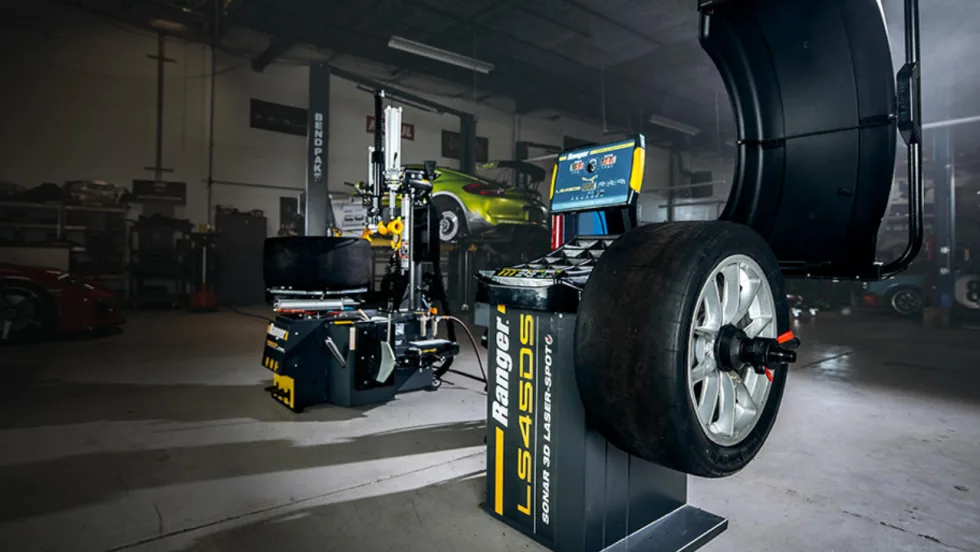
BendPak’s Ranger Wheel Service Equipment Achieves North American Safety Certification
BendPak’s full line of Ranger tire changers and wheel balancers has been ETL certified to UL and CSA standards to improve operator safety.
Read More →
Isuzu & U.S. Department of Labor Celebrate Milestone for Veterans Apprenticeship Program
The Isuzu Veterans Apprenticeship Program (IVAP) signing ceremony highlighted Isuzu’s long-term commitment to veterans, Isuzu dealers, and the skilled workforce supporting its customers and the commercial transportation industry.
Read More →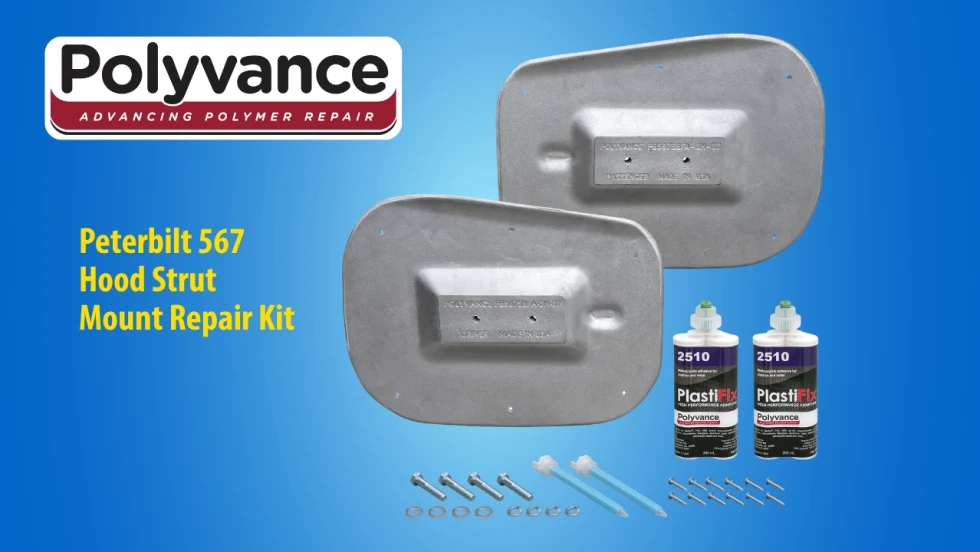
Polyvance Introduces New Peterbilt 567 Hood Strut Mount Repair Kit
Polyvance has launched a repair solution for Peterbilt 567 hood struts, helping truck owners and repair facilities avoid costly hood replacements.
Read More →
Cox Automotive Celebrates Technical Excellence at 2026 Top Tech Finals
The top technicians from Cox Fleet and Manheim tested their skills in Nashville, Tennessee, at Cox Automotive’s 2026 Top Tech Finals. The overall winners will advance to compete at the American Trucking Association’s TMC SuperTech competition.
Read More →
Grote Industries Appoints Vice President of North American Operations
Grote Industries has appointed Patrick Smith as vice president of North American operations as it celebrates 125 years of innovation and manufacturing excellence. He has more than 20 years of manufacturing leadership experience.
Read More →
Winter Fleet Prep: Expert Tips to Keep Vehicles Running Smoothly
Cold weather can expose weak batteries, tires, fuel systems, and maintenance gaps fast. Use this winter fleet checklist to prepare trucks and drivers before temperatures drop.
Read More →