




Top Maintenance Best Practices for Medium-Duty Trucks
Keeping a work truck properly maintained is a key component in the effort to keep downtime to a minimum and costs low.

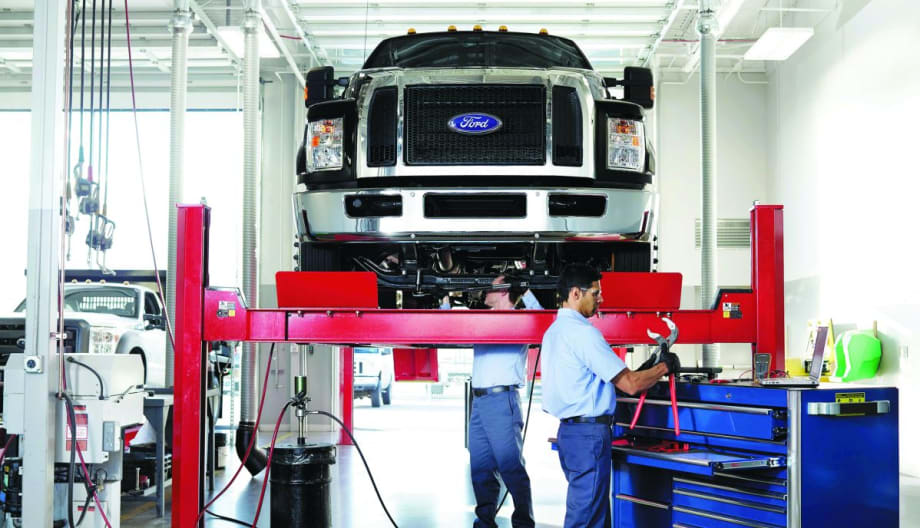
Taking special care to match the type of maintenance provided to the truck’s application is a beneficial trend to follow.
Photo: Ford
As most fleet managers know, proper maintenance practices pay off in the form of things like reduced unplanned repair events, fewer unnecessary tow charges, better fuel economy, and improved uptime.
But, the definition of what “proper practices” means has evolved over time. Here are some of the latest trends to follow to be sure your maintenance game is on point.
Scheduling PM Based on Hours vs. Miles vs. Days
If there were a handbook for traditional preventive maintenance practices, scheduling preventive maintenance (PM) by time (calendar date) or mileage (odometer reading) would likely appear on page one. But, these days, some fleets are looking at a third option: engine hours.
Why? Because some trucks work very hard but travel very few miles — think trucks that make several stops and starts, like delivery trucks, or require a lot of idle time, like boom trucks — to perform their core function. All of that starting and stopping and idling can increase the number of oil changes and other maintenance required to keep the truck healthy. In those instances, engine hours provide a better indicator for when it’s time to bring a truck into the shop.
“It’s important to recognize when and if it is necessary to switch to an hours-based maintenance program. While the odometer provides a convenient method to track maintenance, sometimes it doesn’t tell the whole story,” said Kris McCall, modified vehicle manager for Ford Fleet Service Operations. “Because these trucks can be used in duty cycles where the truck idles or has PTO engaged, it’s important to recognize engine hours as a guide to some fluid change intervals.”
John Crichton, director, field support, for Navistar Inc., agreed — and said relying on traditional methods can have consequences.
“If the truck is in an application that results in a lot of engine idle time, maintenance intervals may need to be adjusted to a schedule based on hours instead of time or mileage,” he said. “Failure to do that could result in engine de-rates or reduced component life.”
Of course, in some instances — like trucks that travel in rural areas and see higher mileage — the odometer reading is likely a better indicator. So even though some fleets are trending toward hour-based intervals, it’s important to assess what is right for the specific vehicle before making the leap.
Matching Maintenance to Fleet Application
Just as it’s important to match the trigger for maintenance intervals to the truck’s use, taking special care to match the type of maintenance provided to the truck’s application is a beneficial trend to follow.
For instance, let’s take that same truck that saw a lot of stop-and-go driving in the last example. The driver of that truck is probably applying the brakes a lot more often than the driver of a truck with an over-the-road application. Do the math, and you’re looking at the need for more frequent brake replacements.
Crichton of Navistar offered another example: “In many cases, medium-duty trucks operate in environments that can result in debris such as leaves, or trash, being pulled onto the A/C condensers, CACs, and radiators,” he said. “If that is the case, the PM inspection should include a process where these components are inspected.”
For Crichton, tailoring the maintenance program to the application while also following the OEM’s guidance is the ideal approach.
“Tailoring PM schedules to match the OE’s recommendations for the application of the truck reduces operating costs and taking advantage of the advances in technology for truck components, increases uptime,” he said.
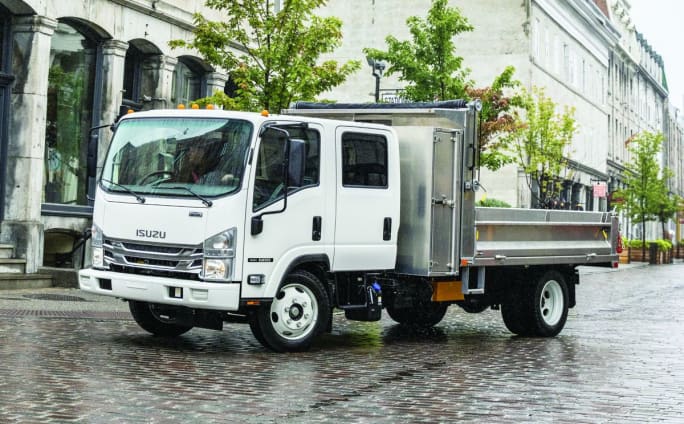
One way fleets are extending oil drain intervals is the use of synthetic lubricants.
Photo: ICTA
Extending Maintenance Intervals
Although a truck’s application may require more frequent PM for specific parts or fluids, some fleets are finding ways to extend the time between maintenance visits. Doing so has some obvious rewards: saved money from lower supply and labor costs and improved uptime with fewer trips to the shop.
“Changing oil every three months or 3,000 miles — common for automobiles when we were growing up — is a thing of the past with today’s engines,” said Brian Daniels, manager, Detroit powertrain and component product marketing for Daimler Trucks North America (DTNA). “The ability to go longer intervals between services is a large cost saving for fleets since they can significantly reduce the amount of oil they purchase and time out of service.”
Dave Sowers, head of commercial brand marketing for Ram, said the trend to extend maintenance intervals has emerged over the last decade thanks to economic and uptime benefits.
“Maintenance intervals for work trucks have been extended significantly over the past 10 years,” Sowers said. “This applies to oil changes, spark plugs, transmission service, and brake life. Extended intervals lower the operator’s cost of ownership and allow them to maximize the uptime for their work vehicles.”
So how do you determine the optimal intervals for your trucks? Crichton of Navistar said OEMs and dealers are ready to help.
“Work with your selling dealer and OE/Component representatives to develop maintenance intervals that support the application of the truck,” he said. “This will result in the lowest operating cost and best uptime for the vehicle.”
Of course, if not done with care, extending PM intervals can result in some negative consequences, like engine and reliability issues, reduced uptime, and unexpected repairs. In other words, the opposite of the original intention.
“All too often, we see a lack of timely maintenance negatively impact owners’ experiences,” said McCall of Ford. For McCall, preventing downtime comes down to this: choosing the right fluids and filters, recognizing when to switch to hours-based maintenance, and changing fluids and filters at the right times.
Growing Use of Electronic Monitoring
Sometimes, the truck itself is the best indicator of when maintenance (or repairs) are needed.
Ford, for instance, offers Intelligent Oil Life Minder, which alerts the driver when a diesel truck needs an oil change. “This system uses a fairly complex algorithm that determines when the useful life of the oil has expired,” explained McCall of Ford.
Navistar’s Crichton said data gathered electronically from the truck can also help technicians get ahead of repairs and prevent breakdowns during a PM service.
“All OEs look at optimizing maintenance intervals to reduce downtime when designing trucks but over the past several years, the advancements in technology now allow technicians to gather information from the trucks and engine control modules that will allow them to see if there were any faults that set while the truck was in operation,” he said. “If this information is gathered during a PM and combined with input from the driver, technicians can sometimes identify and correct a problem prior to a failure that could lead to an unplanned repair. Electronic component monitoring systems can help tailor PM intervals to the application of the truck.”
Daniels of DTNA said telematics data can also yield key insights that help pinpoint the proper service intervals.
“Service managers are looking to telematics data to help gain insights and understanding into service intervals on their vehicles. Today’s connected vehicle broadcasts a variety of data such as engine hours, braking severity, load factor and transmission top gear time that help fleets understand how their vehicles are being operated. These and other data points can help service managers determine if a unit should be brought in earlier than the manufacturer’s recommended service,” he said. “There are various maintenance intervals that can be performed depending on the use of the truck. More severe-duty applications will require more frequent servicing and applications that get higher fuel mileage may provide longer intervals.”
Telematics can also help fleets get ahead of unplanned maintenance by alerting them to potential problems before they happen; this is a growing trend among medium-duty fleets.
“While a large percentage of over-the-road (OTR) customers have embraced the use of telematics data, medium-duty customers are just beginning to utilize the data available to them and are integrating this data into their operations,” Daniels said. “We are seeing trends in remote diagnostics, proactive diagnostics, and over-the-air programming as features that will become more prevalent in these applications.”
Daniels added that Detroit Connect Virtual Technician, which comes standard with Detroit engines, allows fleet managers to learn of issues on trucks in real time so they can put action plans in place to keep vehicles on the road.
“Virtual Technician sends alerts when a fault turns on to make the fleet and/or driver aware of the severity of the fault and the likely solution as well as options on service locations that can handle the problem,” he said. “Remote diagnostics can help service managers stay on top of emerging service needs within their fleet.”
Using Synthetic Lubricants
One way fleets are extending oil drain intervals is the use of synthetic lubricants. Trucks operating in extreme hot or cold and/or for long periods of time can benefit from synthetic oil’s ability to maintain viscosity.
In hot temperatures, conventional oil can become thin, thereby reducing its ability to lubricate and provide engine protection. Once viscosity breaks down, it’s time for a change — so the longer it takes for that to happen, the longer a truck can go between intervals.
In cold temperatures, synthetic oil is less likely to thicken up, meaning better oil circulation for easier starting and better protection during cold starts.
Overall, synthetic oil can also reduce wear and extend equipment life. And, better engine protection leads to less downtime. It’s not a silver bullet, though.
Costs can be prohibitive, and it may not be right for every truck.
“Synthetic lubricants have also contributed to extended maintenance intervals on many components, but the cost will need to be evaluated based on the application of the truck,” said Crichton of Navistar.
Although there are benefits, as with all maintenance changes, proceed carefully and consult your owner’s guide or OEM before swapping conventional oil for synthetic.
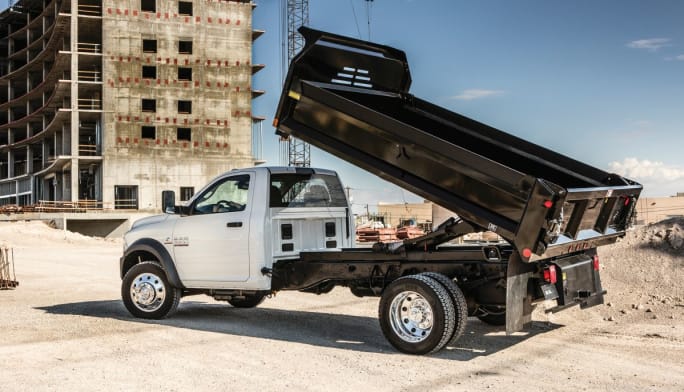
Regardless of current maintenance trends, building a maintenance program that matches your truck fleet is what’s important.
Photo: Ram Trucks
Adjusting Maintenance to Emissions Standards
Often, maintenance trends are a result of cost-saving measures or attempts to improve uptime. But sometimes, trends emerge because of regulations. As emissions standards have changed (or rather, tightened) over the years, engines have evolved to meet them — and that means maintenance has had to evolve, too.
“Changes in emission regulations have resulted in the need to inspect and maintain components that were not on trucks 15 years ago,” said Crichton of Navistar. “As a result of those changes, there are now engine monitoring systems in place that will de-rate or shut down a truck if you have exhaust leaks or a component malfunction that would result in an increase in exhaust emission. Due to those changes, maintenance of the exhaust, air intake, fuel, and electrical systems has become more critical.”
Ford’s McCall said there are other additional maintenance practices to be aware of, too.
“There have been increases in diesel maintenance, as emissions technology improves the air we breathe. We now have diesel emissions fluid (DEF), as a part of exhaust aftertreatment. High-pressure common rail fuel systems are the norm, so fuel system maintenance has become more important than ever,” he said. “In both cases, it’s critical to use OE fluids and filters for best performance.”
Diesel particulate filter (DPF) cleaning (referred to as “regeneration” or “regen” for short) is now a regular part of preventive maintenance procedures for some fleets. Failure to do so can cut engine power and force the truck to shut down — so keeping up with it is critical.
Regens can happen in the shop, using a mobile cleaning machine, or trucks can be equipped with cleaning equipment. “For diesel particulate filter regeneration, the truck can be ordered with occupant commanded regeneration, or a Ford dealer can enable this feature for a nominal charge,” McCall explained. “This allows the operator to initiate a regeneration while the truck is stationary.”
McCall said Ford often gets questions about DPF regeneration, “specifically on trucks with stationary usage profiles such as bucket trucks, welding rigs, trucks with generators, and other similar vocations,” he said.
DPFs began being added to exhaust systems in 2007 due to EPA regulations. DPFs replace simple mufflers and are intended to strip soot and ash from the exhaust stream, thereby cleansing exhaust. But they also require additional maintenance and repairs to keep trucks operational.
Although emissions standards may require additional maintenance, for Brian Tabel, executive director of Marketing for Isuzu Commercial Truck of America, the results are all positive.
“The addition of emission systems have trucks operating at a higher level. The trucks get better fuel economy along with much better emissions,” he said. “The additional emission requirements have changed how the trucks operate, but the biggest advantage is our environment. In so many places you can see and breathe the benefits of the changes in our emission systems.”
And, just as with any business, apps are becoming more prevalent in the fleet world, too, and that can benefit your maintenance program. Today, OEMs offer apps that can give drivers pertinent vehicle maintenance information and more, so they don’t even have to reach for the glove compartment if they have maintenance questions.
The Trinity: The Right Truck, the Right Interval & the Right Supplies
Regardless of current maintenance trends, building a maintenance program is ultimately a combination of three key factors: purchasing the right truck for the job, establishing optimal service intervals, and using the right parts, filters, and fluids.
“Information available from the OEs and component manufacturers can help a truck owner purchase a truck that has components and maintenance intervals that are designed to provide the lowest operating cost for the application of the trucks,” said Crichton of Navistar. “The combination of proper components and the correct PM schedule will ensure that the maintenance is done when needed.”
More Maintenance
Les Schwab Expands Commercial Tire Footprint Into Arizona
Les Schwab Tires has expanded into Arizona with two commercial tire locations in Phoenix and Tucson, strengthening its fleet service footprint in the Southwest.
Read More →
Volvo Trucks’ 'Lock and Leave' Software Updates Go Live Across North America
Unattended over-the-air software updates are now available in Volvo trucks across the U.S. and Canada. The new capability lets trucks stay current with the latest software without interrupting operations or requiring a dealership visit.
Read More →
Why Technician Appreciation Can’t Be a Once-a-Year Thought
For fleets trying to keep skilled technicians, recognition cannot begin and end with Technician Appreciation Week. Learn what year-round appreciation really looks like and why the everyday technician experience matters just as much as pay when fleets are trying to keep good people.
Read More →
How Faster Driver Reporting Can Keep Small Truck Problems Small
When minor damage, warning lights, or equipment issues are reported late, small problems can quickly become bigger maintenance headaches. Conversational AI can help shorten the path from what a driver notices in the field to the person who can act on it.
Read More →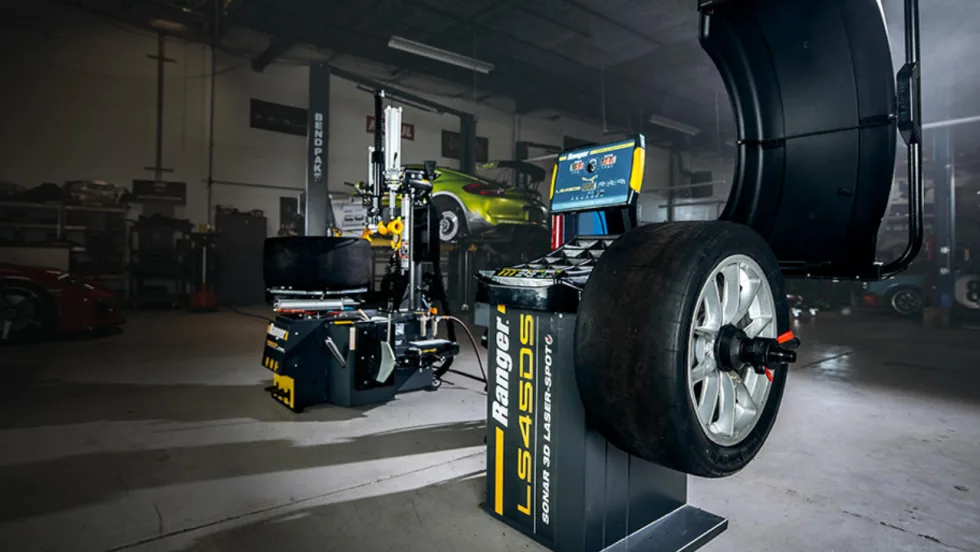
BendPak’s Ranger Wheel Service Equipment Achieves North American Safety Certification
BendPak’s full line of Ranger tire changers and wheel balancers has been ETL certified to UL and CSA standards to improve operator safety.
Read More →
Isuzu & U.S. Department of Labor Celebrate Milestone for Veterans Apprenticeship Program
The Isuzu Veterans Apprenticeship Program (IVAP) signing ceremony highlighted Isuzu’s long-term commitment to veterans, Isuzu dealers, and the skilled workforce supporting its customers and the commercial transportation industry.
Read More →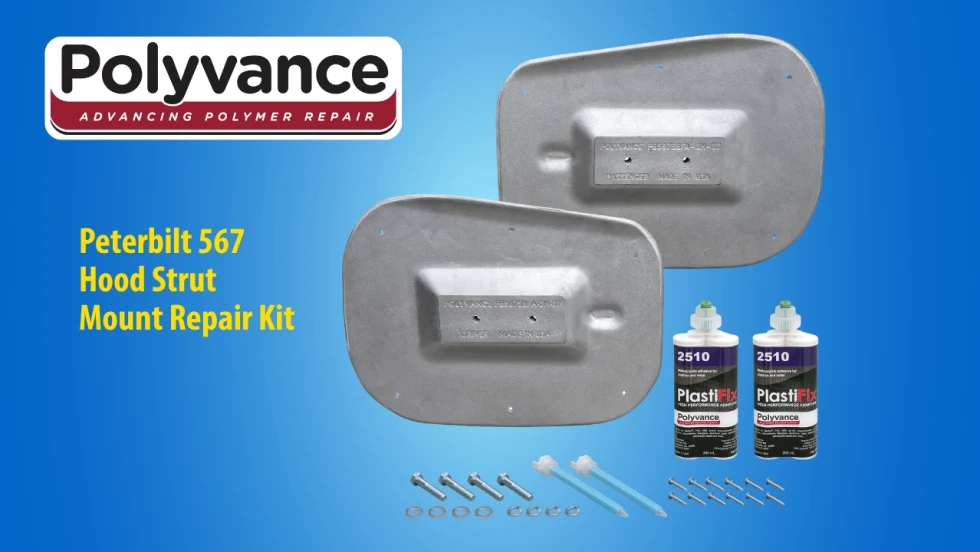
Polyvance Introduces New Peterbilt 567 Hood Strut Mount Repair Kit
Polyvance has launched a repair solution for Peterbilt 567 hood struts, helping truck owners and repair facilities avoid costly hood replacements.
Read More →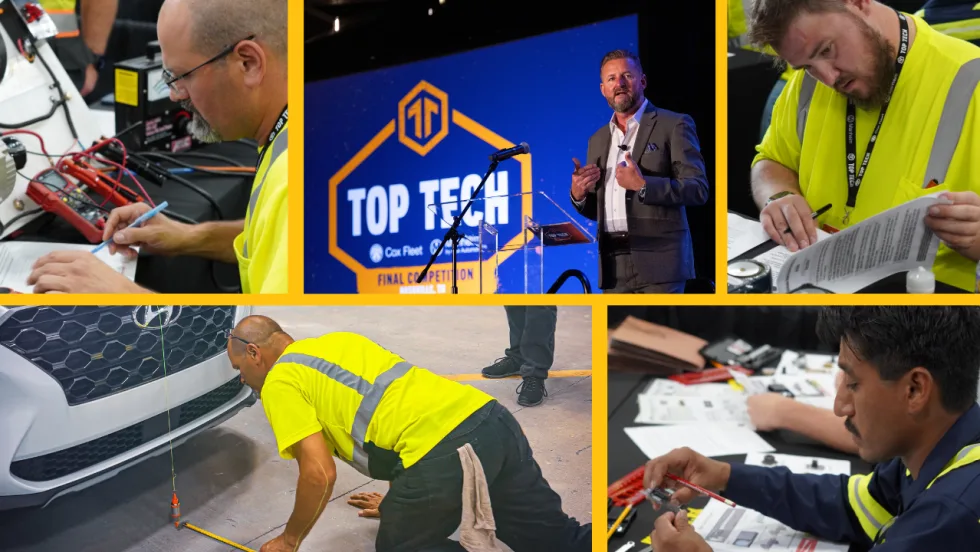
Cox Automotive Celebrates Technical Excellence at 2026 Top Tech Finals
The top technicians from Cox Fleet and Manheim tested their skills in Nashville, Tennessee, at Cox Automotive’s 2026 Top Tech Finals. The overall winners will advance to compete at the American Trucking Association’s TMC SuperTech competition.
Read More →
Grote Industries Appoints Vice President of North American Operations
Grote Industries has appointed Patrick Smith as vice president of North American operations as it celebrates 125 years of innovation and manufacturing excellence. He has more than 20 years of manufacturing leadership experience.
Read More →
Winter Fleet Prep: Expert Tips to Keep Vehicles Running Smoothly
Cold weather can expose weak batteries, tires, fuel systems, and maintenance gaps fast. Use this winter fleet checklist to prepare trucks and drivers before temperatures drop.
Read More →