




Learn More: Debunking 5 Synthetic Diesel Oil Myths
The Future of Vocational Heavy-Duty Engine Oils
The new category, PC-12, is anticipated to come into licensing for the model year 2027. Here's what you need to know.
by Darryl Purificati, Petro-Canada Lubricants
October 30, 2023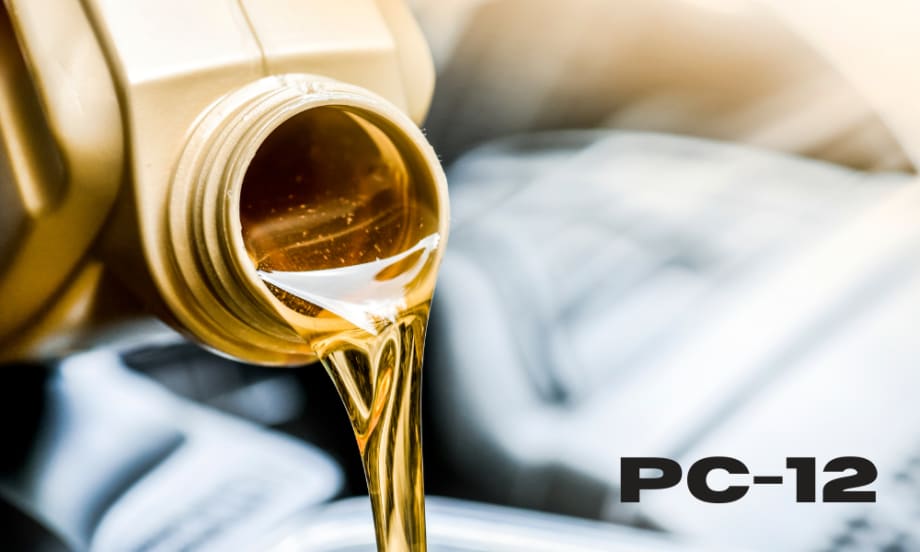
PC-12 is expected to offer lubricants heightened wear protection and oxidation control.
Photo: Work Truck
3 min to read
In line with the latest proposed greenhouse gas and fuel mileage regulations from both the Environmental Protection Agency (EPA) and the California Air Resources Board (CARB), the American Petroleum Institute (API) has begun work on the future of vocational heavy-duty engine oils.
The new category, PC-12, is anticipated to come into licensing for model year 2027 and is being developed to support original equipment manufacturers in meeting the upcoming requirements.
As the discussion in the industry around PC-12 accelerates, let’s recap of what we know so far and the latest updates to come out of the category.
The Basics: Reducing Carbon Emissions and Increasing Fuel Economy
Although category specifications are still under development, PC-12 is expected to offer lubricants heightened wear protection and oxidation control, delivering expanded protection for engines working harder under increased operating temperatures.
Utilizing the latest lubricant technologies, the category is also expected to continue moving toward lower viscosity lubricants, while maintaining durability and improving performance.
Combined, these factors will help fleets increase their fuel economy while reducing carbon emissions, assisting localized and national efforts to reduce greenhouse gas emissions.
PC-12: Two Sub-Categories
To allow OEMs that have developed specific hardware architecture to take advantage of lower HTHS oils, PC-12 is expected to continue with two subcategories. One subcategory will encompass traditional viscosity grades and maintain backward compatibility.
The second subcategory will include lower HTHS oils that are specifically designed to help enhance fuel economy. Additionally, lower viscosity oils (i.e., xxW-20’s) will be targeted in this subcategory, offering outstanding durability and wear protection while further reducing viscous drag to improve overall fuel economy in engines engineered to take advantage of these oils.
Developing new and replacement tests for PC-12 is underway to reassure fleets of the protection and performance offered by the two sub-categories based on the new engine architecture.
Although the tests are unconfirmed, some proposed examples include two new wear protection tests and a scuffing assessment.
The Latest Developments
On April 12, 2023, the EPA announced the highly-anticipated Phase 3 of the federal Greenhouse Gas Standards for heavy-duty vehicles and was taken under review by the American Trucking Association.
Although the details of what these changes will mean are not yet entirely clear, we know that stringent emission standards will be put in place for all vehicles, surpassing the benchmarks established during 2016's GHG Phase 2.
Additionally, on July 6, 2023, CARB and several heavy-duty engine and vehicle manufacturers announced a joint agreement: the Clean Truck Partnership.
Under this agreement, CARB has committed to allowing OEMs greater flexibility under their Heavy-Duty Engine and Vehicle Omnibus Regulation and more closely aligning with EPA’s heavy-duty regulations.
Both these changes in criteria are likely to impact the development of PC-12 and the corresponding testing procedures it will need to undergo.
Setting up for Success
Fleet owners should investigate equipment requirements and the impact these have on OEM engine oil recommendations in advance.
This will allow fleets to explore lower viscosity lubricants, such as SAE 10W-30 engine oils, which can improve engine efficiency, or low viscosity transmission and driveline fluids, which can also support fuel economy efforts.
Additionally, fleet owners should consider the type of equipment they may need to purchase over the next few years. By doing this work now, the benefits offered by the category can be maximized once it arrives.
Supporting Vocational Heavy-Duty Fleets
When making changes to your lubricants and greases, it is crucial to seek advice from your lubricant technical service advisor.
These experts can provide industry insight on developing the specifications and tailored advice on what you should be doing to prepare your fleet.
For example, in line with the trend towards low viscosity that PC-12 is expected to follow, Petro-Canada Lubricants has already produced and trialed an SAE 0W-20 prototype.
Although it is yet to be confirmed whether these lubricants will be included in the upcoming category, Petro-Canada Lubricants is committed to demonstrating innovation and supporting heavy-duty fleets in their journey toward PC-12.
Subscribe to Our Newsletter
More Maintenance
Les Schwab Expands Commercial Tire Footprint Into Arizona
Les Schwab Tires has expanded into Arizona with two commercial tire locations in Phoenix and Tucson, strengthening its fleet service footprint in the Southwest.
Read More →
Volvo Trucks’ 'Lock and Leave' Software Updates Go Live Across North America
Unattended over-the-air software updates are now available in Volvo trucks across the U.S. and Canada. The new capability lets trucks stay current with the latest software without interrupting operations or requiring a dealership visit.
Read More →
Why Technician Appreciation Can’t Be a Once-a-Year Thought
For fleets trying to keep skilled technicians, recognition cannot begin and end with Technician Appreciation Week. Learn what year-round appreciation really looks like and why the everyday technician experience matters just as much as pay when fleets are trying to keep good people.
Read More →
How Faster Driver Reporting Can Keep Small Truck Problems Small
When minor damage, warning lights, or equipment issues are reported late, small problems can quickly become bigger maintenance headaches. Conversational AI can help shorten the path from what a driver notices in the field to the person who can act on it.
Read More →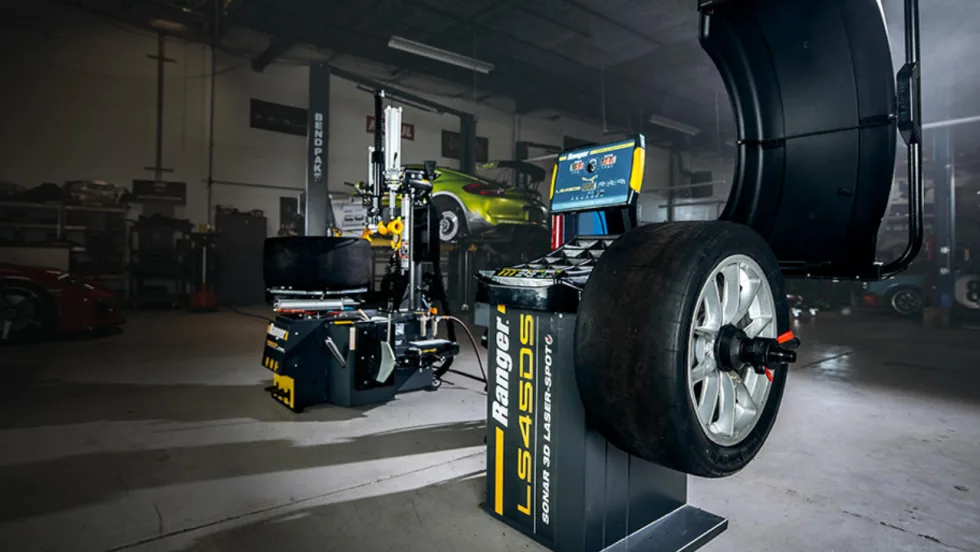
BendPak’s Ranger Wheel Service Equipment Achieves North American Safety Certification
BendPak’s full line of Ranger tire changers and wheel balancers has been ETL certified to UL and CSA standards to improve operator safety.
Read More →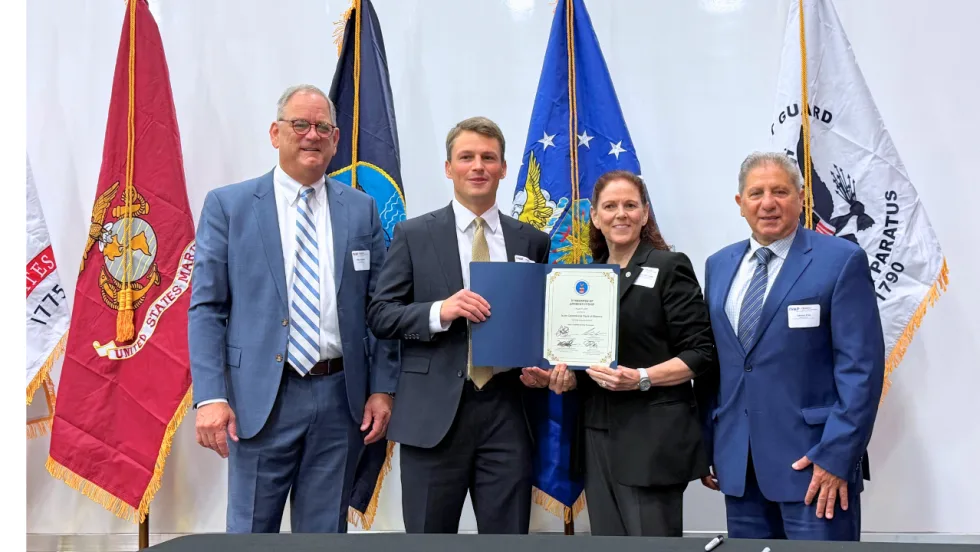
Isuzu & U.S. Department of Labor Celebrate Milestone for Veterans Apprenticeship Program
The Isuzu Veterans Apprenticeship Program (IVAP) signing ceremony highlighted Isuzu’s long-term commitment to veterans, Isuzu dealers, and the skilled workforce supporting its customers and the commercial transportation industry.
Read More →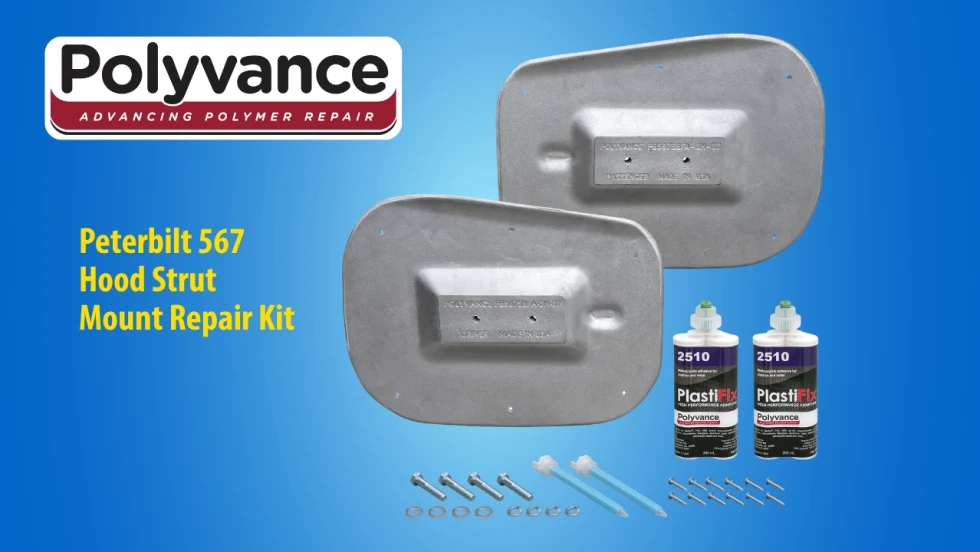
Polyvance Introduces New Peterbilt 567 Hood Strut Mount Repair Kit
Polyvance has launched a repair solution for Peterbilt 567 hood struts, helping truck owners and repair facilities avoid costly hood replacements.
Read More →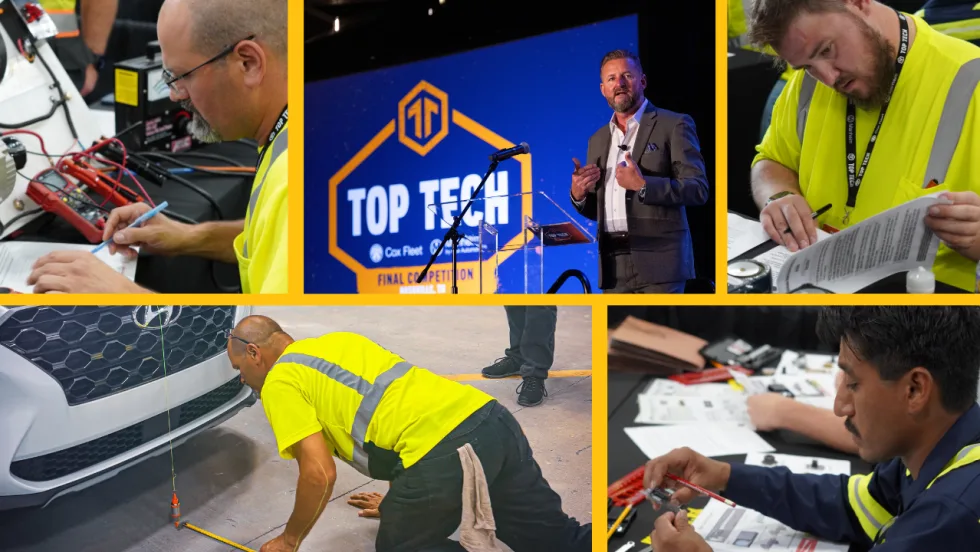
Cox Automotive Celebrates Technical Excellence at 2026 Top Tech Finals
The top technicians from Cox Fleet and Manheim tested their skills in Nashville, Tennessee, at Cox Automotive’s 2026 Top Tech Finals. The overall winners will advance to compete at the American Trucking Association’s TMC SuperTech competition.
Read More →
Grote Industries Appoints Vice President of North American Operations
Grote Industries has appointed Patrick Smith as vice president of North American operations as it celebrates 125 years of innovation and manufacturing excellence. He has more than 20 years of manufacturing leadership experience.
Read More →
Winter Fleet Prep: Expert Tips to Keep Vehicles Running Smoothly
Cold weather can expose weak batteries, tires, fuel systems, and maintenance gaps fast. Use this winter fleet checklist to prepare trucks and drivers before temperatures drop.
Read More →