




The Changing World of Fuel Management
Technology is changing the game when it comes to fuel management, helping smaller fleets compete with the larger enterprises, reducing fraud, and overall helping fleets save money.


On top of regular savings, technology is now available that reduces fraudulent charges and fuel theft, which, if unchecked and unmonitored, can easily bleed off thousands of dollars and increase fuel expenditures with nothing in return.
Photo: Gettyimages.com zhengzaishuru
Work Truck magazine recently spoke with Erin Knight, VP of Product and Innovation at WEX, about the state of the work-truck industry and fuel management. Here’s what she had to say:
WT: Why is effective fuel management so important to light- to medium-duty truck fleets?
ERIN KNIGHT: Fuel costs are one of the most substantial variable expenses of any fleet. Managing one of your largest cost centers — especially with fluctuating fuel prices — is essential, regardless of the fleet size. Using effective fuel-management practices, you can both monitor and measure fuel spend by analyzing purchasing behaviors and having tools in place to help drivers find the most practical and cost-efficient fueling locations along a route.
WT: What are the latest fuel management trends that light- to medium-duty truck fleets should be aware of?
KNIGHT: Leveraging big data and analytical tools is an important trend in fuel management to help understand past and present fuel purchase behaviors to drive predictive insights and actions for the future. No right business decision is made without the use of data.
With improved analytics and sensor data — for example, the ability to marry fuel transaction data with vehicle data — comes greater predictability and insight; the ability to proactively drive certain behavior and manage exceptions in real-time; significant cost reductions; and significant opportunities for light- to medium-duty fleets.
WT: How has evolving technology impacted effective fuel management for work-truck fleets?
KNIGHT: With continually evolving technology, effective fuel management is no longer limited to larger enterprise fleets. In the past, leveraging effective fuel management meant a significant investment in hardware or software to perform this function. Today’s ever-growing portfolio of mobile and cloud-based solutions has brought this technology downstream and to a much wider audience of users.
In this new environment, a smaller fleet can compete head-to-head with larger enterprise fleets if they are harnessing the power of this available technology.
WT: How are work-truck fleets leveraging cutting-edge technology for effective fuel management?
KNIGHT: The electronic logging device (ELD) provides incredible insight into driver behavior and the efficiency of the vehicle. From optimal routing based on GPS to driver behavior and engine monitoring, the information available produces many opportunities for savings.
On top of regular savings, technology is now available that reduces fraudulent charges and fuel theft, which, if unchecked and unmonitored, can easily bleed off thousands of dollars and increase fuel expenditures with nothing in return. Technology is now available to monitor the amount of fuel in the tank and compare it to the amount of fuel being purchased and either alert the company if too much fuel is being purchased or limit the amount of fuel that can be purchased.
Also, geolocation can provide a way to ensure that the vehicle is in the same location as the fuel purchase is being made, thus reducing fraud and saving money.
WT: How can fleet managers better use vehicle data to increase fuel efficiency?
KNIGHT: Fleet managers can gain incredible insight into fuel management and fuel efficiency through vehicle data. Telematics provides a way to improve driver safety and fuel efficiency through the monitoring of driver behavior (speed limit adherence, braking, etc.). The GPS information can measure driver behavior against optimal routing and identify out-of-route behaviors, which expend additional fuel.
Alerts can be generated based on engine performance, and vehicle service needs to provide a way to be proactive in vehicle maintenance and prevent breakdowns. Real-time data can instruct drivers on when and where to fuel based on tank level and fuel price options. Fuel and vehicle data can be analyzed against historical patterns (same time last week, last month, last year) to identify anomalies or areas for improvement.
WT: How do you see technology impacting fuel management in the future?
KNIGHT: Fuel efficiency and savings will continue to improve as technology continues to advance. We will see an increasing move toward the optimal. Much like Six Sigma methodology seeks to move manufacturing process improvement so that 99.99966% of the output is free of defects (six standard deviations above the mean), technology provides a way for fleets to increasingly shrink fuel waste in the same way.
Real-time data, both at the vehicle level and at the pump level, combined with driver behavior and optimal routing, will significantly improve fuel management for those companies who use the data.
WT: Any other upcoming fuel-management trends fleet managers should lookout for?
KNIGHT: Changing clean air regulations and the long-term cost/benefits and cost of electric vehicles are two trends fleet managers need to pay attention to.
WT: Is there anything vital for light- to medium-duty truck fleet managers to know about this topic?
KNIGHT: Knowledge and education are the greatest assets for fleet managers. Be inquisitive and understand your fleet — don’t assume you know everything.
More Fuel

The Smart Way to Build a Mixed-Energy Fleet Isn’t About Picking a Side
Mixed-energy fleets aren’t about picking a winning fuel. Sarah Booth of WEX explains how vehicle data, duty cycles, charging strategy, and real-world costs can help fleets choose the right energy source for each job.
Read More →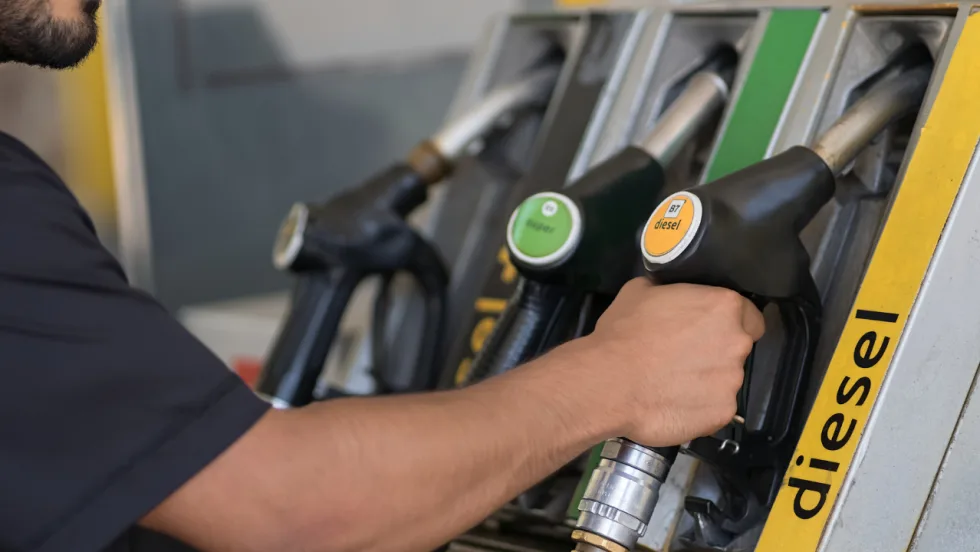
Ignoring This Dashboard Warning Could Cost Your Fleet Thousands in Fuel
New research suggests neglected diesel aftertreatment systems could waste up to $30 in fuel per vehicle each day. Here's why vocational fleets should pay attention.
Read More →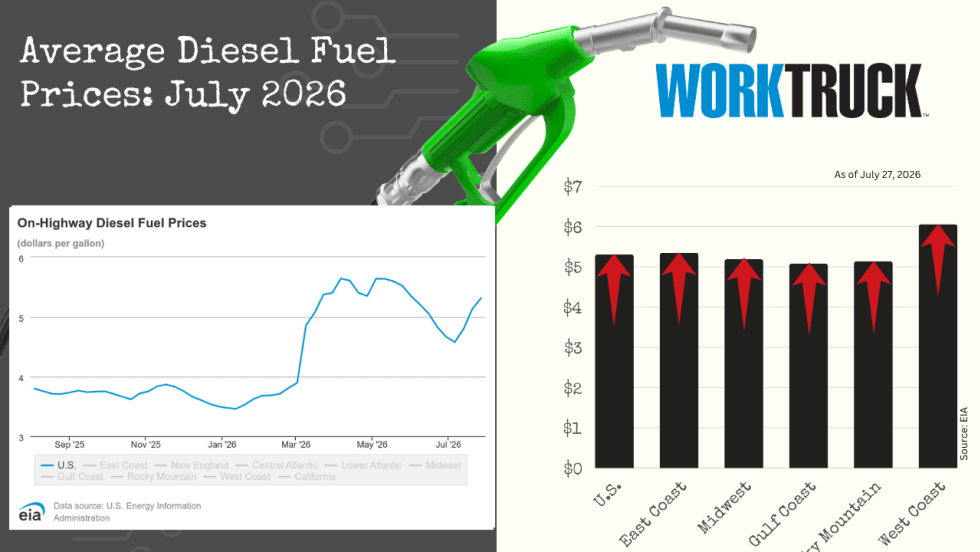
July Diesel Trends Update
The average price of a gallon of diesel increased again this week, and the EIA reported a new national average of $5.31 at the start of the week.
Read More →
WEX Brings Standard Fleet's Connected Vehicle Platform to Fleet Customers
This week’s product launch with Standard Fleet’s connected vehicle platform reflects WEX Venture Capital's strategy of turning startup innovation into customer solutions. Standard Fleet is now available to WEX fleet customers.
Read More →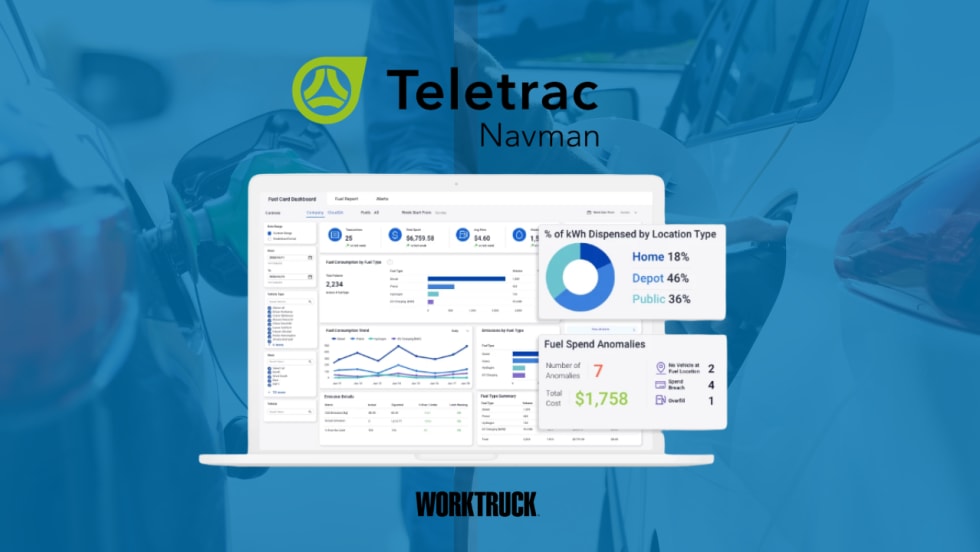
Teletrac Navman Adds Mixed-Energy Fleet Tools to TN360
The new Energy Hub combines fuel transactions, EV charging data, vehicle range, and energy costs in one dashboard for fleets operating multiple vehicle and energy types.
Read More →
WEX DriverDash adds CITGO, Expands Nationwide Access for Fleets
The DriverDash mobile payment app, by WEX, has been integrated into the CITGO merchant network, which means WEX has expanded its U.S. station footprint with the addition of approximately 4,000 CITGO locations.
Read More →
Mixed Energy Fleet Tips for Balancing EVs, Gas and Diesel Vehicles
Mixed energy fleets are becoming the new normal. Learn how fleet managers are balancing EVs, gas and diesel vehicles while controlling costs and planning for the future.
Read More →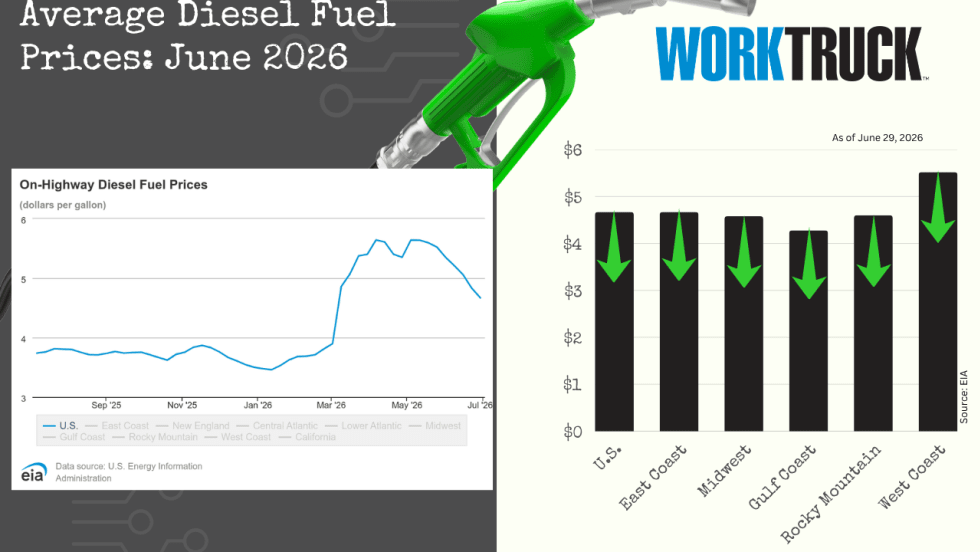
June Diesel Trends Update
The national average price of a gallon of diesel has dropped again, this week by more than 16 cents. All five regions reported lower average prices, ranging from almost 13 cents to more than 28 cents cheaper than a week ago.
Read More →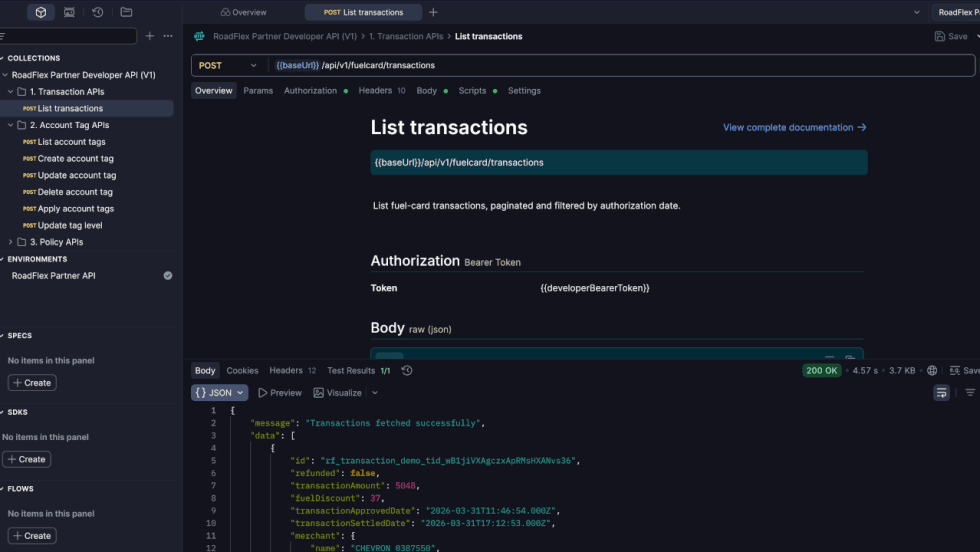
RoadFlex Launches RoadFlex Direct Open API Platform
RoadFlex Direct connects fuel cards, controls, and data to the telematics and fleet management systems fleets already run, from Geotab and Samsara to Fleetio and RTA, with no separate dashboard or double data entry.
Read More →
The Key to Fuel Efficiency Sits in the Cab
Learn how driver behavior, telematics, coaching, and fuel data can help fleets improve fuel efficiency, lower costs, and reduce emissions.
Read More →