




Q&A: WEX CEO Smith on Fleet Fuel Business
Automotive Fleet checks in with Melissa Smith about a new headquarters, mobile payments, and several recent acquisitions.


This year, Melissa Smith has been juggling three acquisitions, the building of a new headquarters, and a growing fleet payments business as CEO of WEX Inc.
Photo courtesy of WEX.
While she was planning the new headquarters for financial technology service provider WEX Inc., Melissa Smith took a tour of media giant Bloomberg's New York City base of operations. Smith, WEX's president and CEO, noticed an aquarium that draws Bloomberg employees to a central location.
The inspiration was eventually incorporated into the new WEX headquarters that opened in March on the Portland waterfront, and has served a similar role for the tightly knit group of WEX associates who often greet each other by name as they navigate their workday.
With the new headquarters, the Maine native hopes to create a hub of cooperation among nearly 400 associates.
"I like that there's a hub feeling when you go into Bloomberg's building, where everyone connects in one spot," she said. "I wanted to create that hub somewhere in our building."
Automotive Fleet visited Smith to talk about her busy 2019, during which the company has also been doing some shopping. Earlier this year, WEX acquired the fleet card portfolios of Shell Oil Co. and Chevron Corp., as well as EG Group's Netherlands-based fuel card business.
As a dyed-in-the-wool Mainer, Smith has deep roots in the state. After graduating from the University of Maine and an early-career stint at Ernst & Young, Smith joined WEX and worked her way up through finance with roles as vice president and controller, senior vice president of finance, CFO, and executive vice president of finance and operations.
In October 2011, Smith was named president of the Americas and in January 2014, she became president and CEO.
We spoke with Smith in her top-floor office that overlooks the waterfront like many other areas in the building that have incorporated plenty of WEX red (Pantone 186) into furniture and wall hangings.
Automotive Fleet: In March, you opened a long-awaited headquarters. Tell us about some of the cool features?
Smith: I love the space, because I feel like it's us. I wanted it to reflect the personality of the company culturally and be a good fit for employees. A lot of light comes in, and there's a lot of space for people to work collaboratively. I like the fact that it doesn't look corporate, and that there's a feeling of unexpectedness. Even the materials were intentionally chosen to be unlike what you would see in a corporate environment.
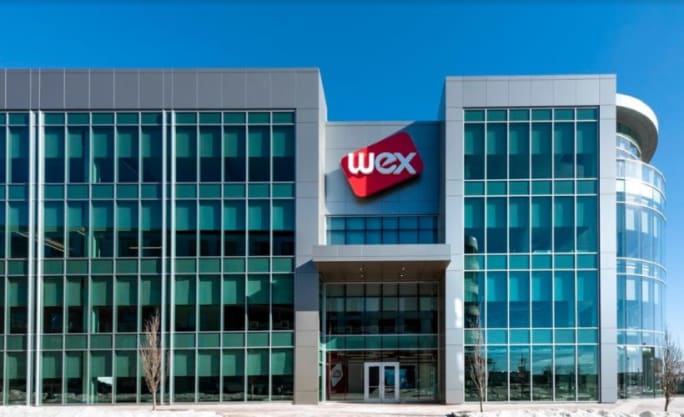
In March, WEX moved most of its Maine associates into a new headquarters along the Portland waterfront.
Photo courtesy of WEX.
AF: What does it mean to you to remain headquartered in Maine?
Smith: We have more than 30 offices around the globe, but there has always been something special about Maine. It's a place where people enjoy living and working. It is very relationship based. There's an element of coming from Maine where you're expected to show up and be part of the community. Our physical presence has really been all about staying true to those roots.
AF: Is your fleet business all here in the new building?
Smith: Parts of it. Some of the private label sales groups are here. The product and tech, the interface of those two are here. And then there are big pieces in South Portland as well.
AF: You've been in M&A mode this year. What spurred that, and how are you integrating it all?
Smith: Chevron and Shell, those were regular bids. They went into the marketplace and asked for somebody to pick up their commercial fuel payments business. We went through a competitive process and won both. The Chevron portfolio was a little bit unusual in that we had to buy the portfolio, but that was part of a normal, organic process. Go Fuel Card, the fuel card business we bought in Europe, was a carve-out of the commercial fuel programs for EG Group. We must go through works council approval before we go through the close, but that should happen soon.
AF: The timing was interesting that you're working on all three at once.
Smith: They ended up getting stacked together. It took us time to go through the migration for Chevron. And then Shell went into the marketplace and wanted a conversion very quickly. So, the two ended up coming together, which meant that we had to think differently about how we bring on new business. There's been a huge amount of work that's happened in the background to get systems ready for the volume increases. It's about 7% of the existing volume in our fleet business that was coming on for those two portfolios in terms of gallons.
AF: What was the impetus?
Smith: The first conversation that we have is how we are going to continue to grow the business. We start with organic growth. That's where our core strength is. It is why people come to us to grow their portfolios. The second thing they care about is that there's an inherent quality around brand. They care about having a partner that they can test things with and that will try things in the marketplace. You must have an element of trust before you lock in for that long of a time … For us, we try to grow revenue 10% to 15% over time.
AF: Could we see some more M&A activity in the next year or so? Is this something you're still actively pursuing?
Smith: We will always be in the market. This past year, we've been particularly active. In this market, the multiples are high. So, we've had to go through more assets to get to the ones that we've executed on.
AF: What does a deal have to have? Are there certain key elements for you?
Smith: Well, it must hit financial criteria for us. We start by saying, "These are the things that we want strategically." International expansion is something that we continue to look at. If it helps accelerate our existing product roadmap, then that's interesting to us. We also keep trying to diversify our exposure to fuel prices, so we tend to be more interested in assets that help offset that.
AF: This is probably a good segue into the fleet fuel market. Everyone's always wondering which direction fuel costs will go.
Smith: From a customer perspective, they talk more about efficiency of their vehicles and predictability of their budget. We give them tools to manage their individual costs, and we show them how they benchmark against their peers. Regardless of what environment I'm in, am I doing the best I can to create efficiency?
AF: With the rise in mobile and electronic payments, do you think we're moving away from the traditional fleet fuel card?
Smith: We're now adjudicating credit. A lot of our customers and our prospects are coming through our online site because they see information they like. They could fill out an application, download the app, and not even have to wait for a card to go and use it. They would have an even more secure product at the end of the day. The possibilities of what we can do, as technology changes, are exciting.
AF: OK, thank you for your time.
Smith: Thank you.
Originally posted on Automotive Fleet
More Fuel

The Smart Way to Build a Mixed-Energy Fleet Isn’t About Picking a Side
Mixed-energy fleets aren’t about picking a winning fuel. Sarah Booth of WEX explains how vehicle data, duty cycles, charging strategy, and real-world costs can help fleets choose the right energy source for each job.
Read More →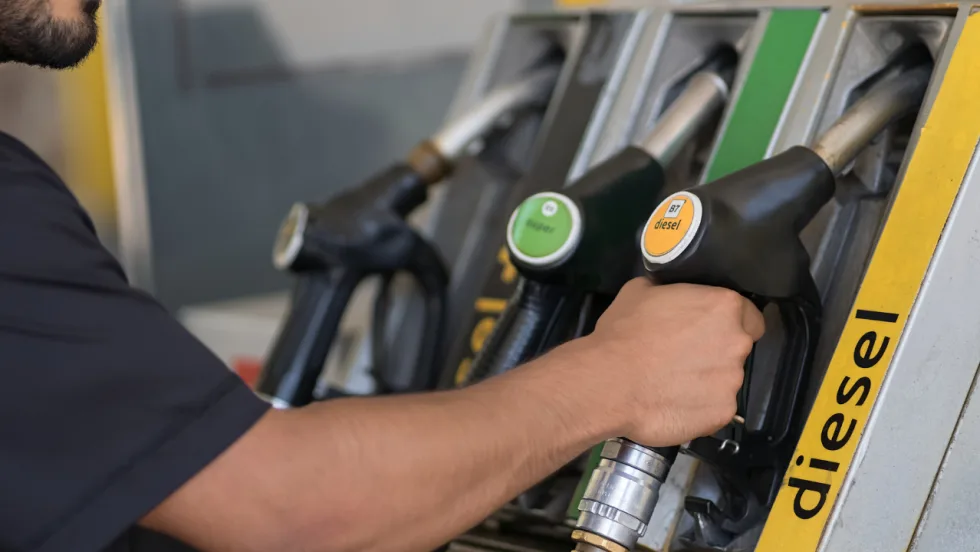
Ignoring This Dashboard Warning Could Cost Your Fleet Thousands in Fuel
New research suggests neglected diesel aftertreatment systems could waste up to $30 in fuel per vehicle each day. Here's why vocational fleets should pay attention.
Read More →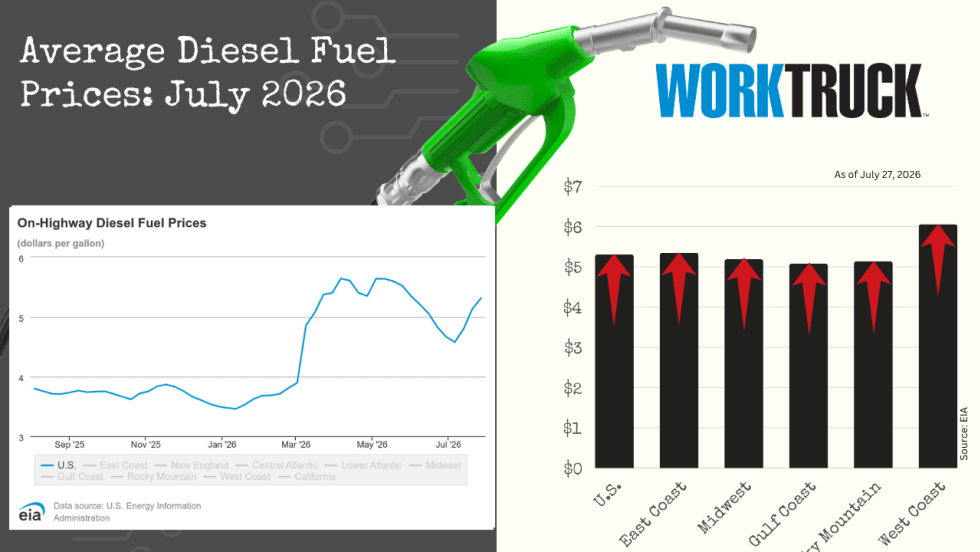
July Diesel Trends Update
The average price of a gallon of diesel increased again this week, and the EIA reported a new national average of $5.31 at the start of the week.
Read More →
WEX Brings Standard Fleet's Connected Vehicle Platform to Fleet Customers
This week’s product launch with Standard Fleet’s connected vehicle platform reflects WEX Venture Capital's strategy of turning startup innovation into customer solutions. Standard Fleet is now available to WEX fleet customers.
Read More →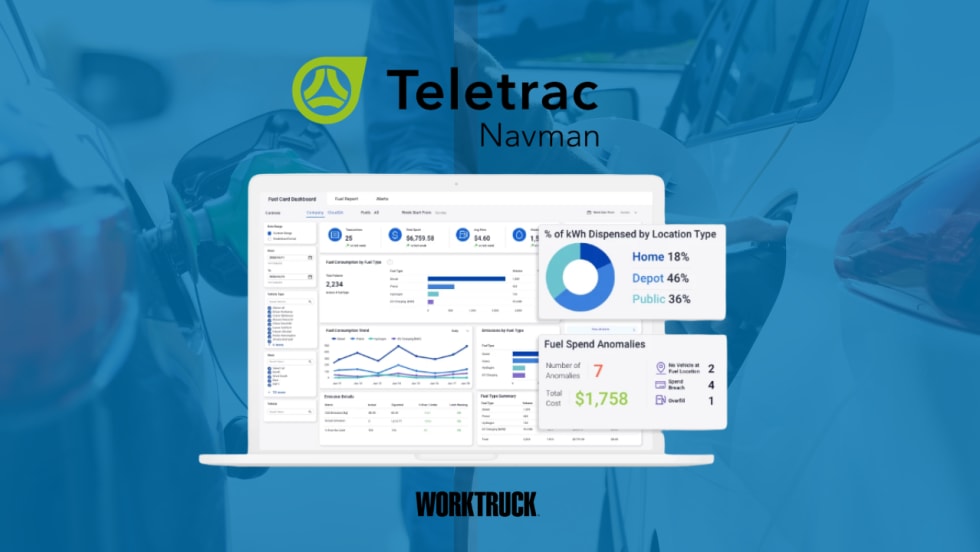
Teletrac Navman Adds Mixed-Energy Fleet Tools to TN360
The new Energy Hub combines fuel transactions, EV charging data, vehicle range, and energy costs in one dashboard for fleets operating multiple vehicle and energy types.
Read More →
WEX DriverDash adds CITGO, Expands Nationwide Access for Fleets
The DriverDash mobile payment app, by WEX, has been integrated into the CITGO merchant network, which means WEX has expanded its U.S. station footprint with the addition of approximately 4,000 CITGO locations.
Read More →
Mixed Energy Fleet Tips for Balancing EVs, Gas and Diesel Vehicles
Mixed energy fleets are becoming the new normal. Learn how fleet managers are balancing EVs, gas and diesel vehicles while controlling costs and planning for the future.
Read More →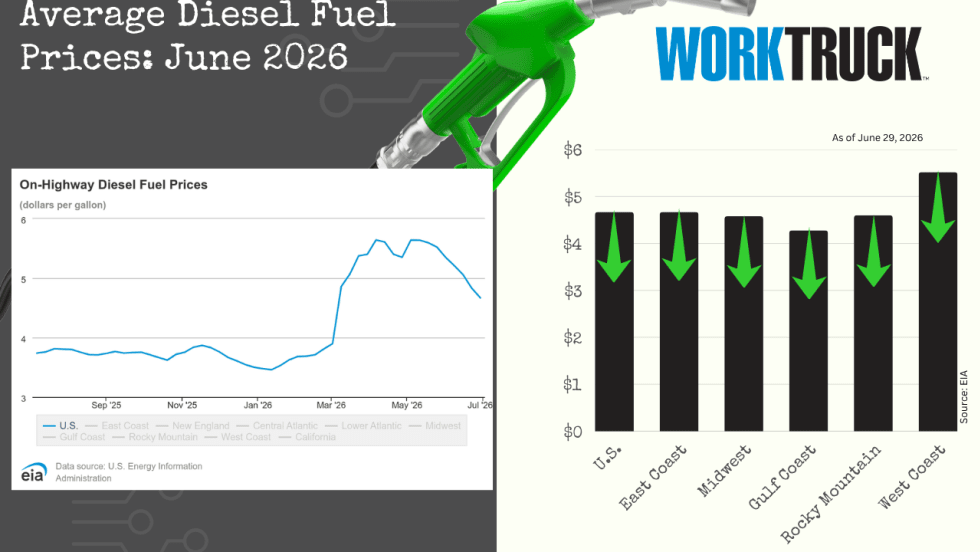
June Diesel Trends Update
The national average price of a gallon of diesel has dropped again, this week by more than 16 cents. All five regions reported lower average prices, ranging from almost 13 cents to more than 28 cents cheaper than a week ago.
Read More →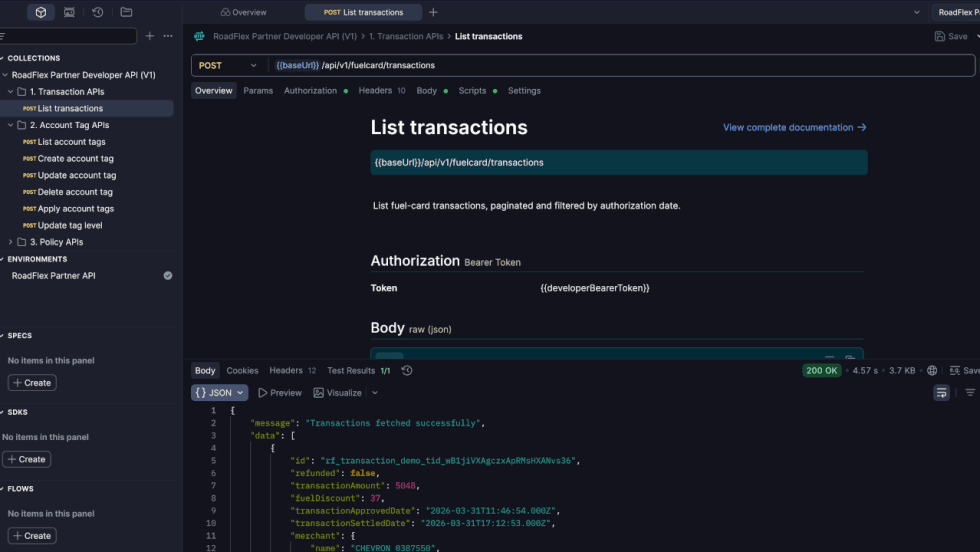
RoadFlex Launches RoadFlex Direct Open API Platform
RoadFlex Direct connects fuel cards, controls, and data to the telematics and fleet management systems fleets already run, from Geotab and Samsara to Fleetio and RTA, with no separate dashboard or double data entry.
Read More →
The Key to Fuel Efficiency Sits in the Cab
Learn how driver behavior, telematics, coaching, and fuel data can help fleets improve fuel efficiency, lower costs, and reduce emissions.
Read More →