Survey Shows Many Safety Similarities Between Light-, Medium-Duty Fleets
Vocational fleets of both vehicle classes appear to value the same training and tech strategies.
Lexi Tucker・Former Senior Editor
November 24, 2021
For safety training techniques, the top three answers for both light- and medium-duty fleets were hands on/behind the wheel, in-person classroom, independent video/online training.
Photo: Getty Images
3 min to read
A new annual fleet safety survey conducted by Work Truck and sister media brand Heavy Duty Trucking has revealed when it comes to safety, light- and medium-duty fleets appear to take similar approaches. We’ve collected some of the top findings and broken them down for easier reading here.
Ad Loading...
Survey Respondent Details
Of the 157 total respondents, 39% stated they had Class 1 or 2 trucks in their fleet, while 35% claimed to own Class 3/4/5 trucks. Another 32% said they run Class 6 trucks.
Ad Loading...
The top three fleet types in the light-vehicle category were construction/mining, government fleet, and for-hire trucking fleets. For medium-duty, the top two were the same, with wholesale coming in third.
Top respondents for light-duty fleets classified themselves as corporate/executive management, including owner/operator; fleet manager/administrator; or operations management. For medium-duty, the top two were the same, with maintenance/shop management placing third.
Above all, the results indicate there isn’t much difference between light- and medium-duty fleets in terms of safety measures.
Insurance Costs
How have vehicle and liability insurance costs changed in the past year? The top answer for both light- and medium-duty was “increased 1-10%.” This was followed by “largely unchanged” and “don’t know/not sure.”
Increased 1-10%
Largely Unchanged
Don’t Know/Not Sure
Light
28%
27%
20%
Medium
29%
21%
20%
The survey found drivers are given safety-related training as a part of onboarding, when new equipment or technology is introduced, or after there has been an accident or incident.
Photo: Getty Images
Safety Strategies
In a long list of potential safety strategies, the top three answers for both light-duty and medium-duty fleets were well-maintained vehicles, written safety policies and procedures, and driver training.
Ad Loading...
Well-Maintained Vehicles
Written Safety Policies
Driver Training
Light
76%
72%
62%
Medium
72%
71%
65%
Safety Technology
The top three answers in regard to safety technologies used for both light-duty and medium-duty fleets were backup cameras, forward collision warning, and lane departure warning. Adaptive cruise control was tied for the top third answer for medium-duty fleets.
Backup Cameras
Forward Collision Warning
Lane Departure Warning
Light
54%
40%
39%
Medium
52%
43%
39% (tied with adaptive
cruise control)
When it came to safety technologies fleets plan to implement in the next year, the top three answers for both light-duty and medium-duty fleets were don’t know/not sure, none of the above, backup cameras
Don't Know/Not Sure
None Of the Above
Backup Cameras
Light
28%
20%
17%
Medium
26%
19%
17%
Safety Training
For safety training techniques, the top three answers for both light-duty and medium-duty fleets were hands on/behind the wheel, in-person classroom, independent video/online training.
Hands On/Behind the Wheel
In-Person Classroom
Independent Video/
Online Training
Light
72%
68%
39%
Medium
74%
71%
41%
When are drivers given safety-related training? The top three answers for both light-duty and medium-duty fleets were when first bringing them into the company (onboarding), when new equipment or technology is introduced, or after there has been an accident or incident.
Onboarding
New Equipment/
Technology Introduced
After Accident
Light
84%
62%
49%
Medium
85%
61%
54%
How do your accident numbers compare to the survey findings?
Photo: Getty Images
Accidents
Naturally, when asked about accidents, medium-duty fleets reported a slightly higher percentage of at-fault crashes during calendar year 2020.
One of the most important recommendations for professional drivers traveling with pets is to ensure pets are properly restrained while the truck is moving. Other tips are available in the new guide from Volvo Trucks North America and Center for Pet Safety.
The American Petroleum Institute offers a list of safe vehicle refueling guidelines, including ways to avoid potential problems with static electricity discharges in fall, winter, and early spring.
Cold weather can expose weak batteries, tires, fuel systems, and maintenance gaps fast. Use this winter fleet checklist to prepare trucks and drivers before temperatures drop.
Fleet service partnerships rarely fall apart all at once. Learn the three warning signs that trust is eroding and what fleets and providers can do before downtime, frustration, and lost revenue follow.
Applause has integrated TRUCE driving metrics directly into its employee-first performance and safety platform that transforms mobile devices into AI-powered telematics.
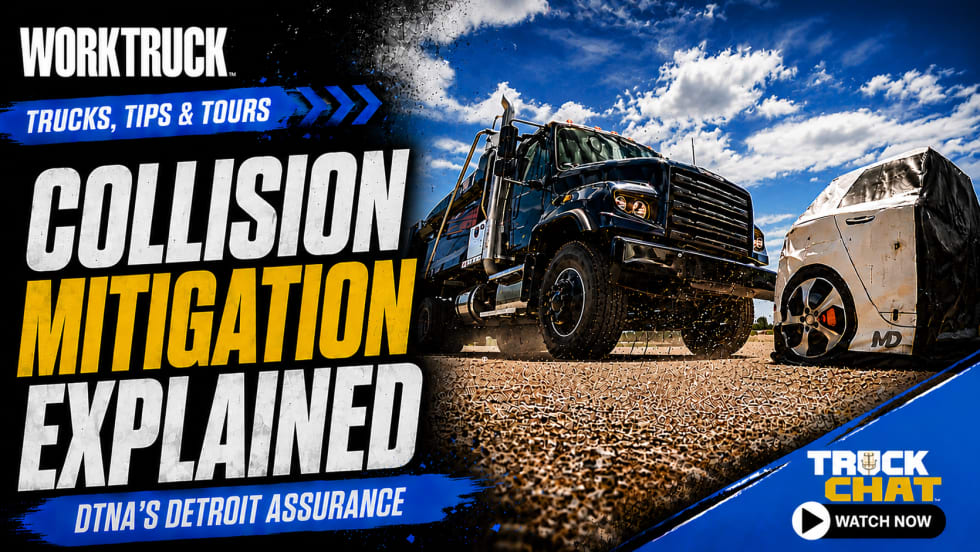
Do you want to see what it is like to experience Detroit Assurance’s Active Brake Assist? In this video, Work Truck will put you in the cab to see how it all works and then hear more details from DTNA’s Mike Young.
Violence risks do not stop at the driver’s door. Learn five practical steps fleets can take to spot threats early and protect workers before loss occurs.
Fleet leaders don't need more data, they need clearer visibility into what the data is saying. This case study explores how one utility replaced speeding-event counts with a single metric — miles driven in violation — to strengthen safety and significantly reduce speeding violations.