




Looking for the latest in disaster preparation and response for commercial and work truck fleets? Be sure to bookmark DisasterResponseGuide.com for all of the latest tips, insights, and more!
How Manheim Prepares for the Unexpected
The company president shares how a stronger safety culture evolved from experience with a pandemic and tornado.
by By Grace Huang, Manheim president
May 20, 2021
Grace Huang, president of Maheim, shares tip on how to create a safety culture that prepares for unexpected effects on buisnesses operations.
Photo: Maheim
4 min to read
Manheim has a long and dedicated track record of making it a priority to try to ensure the safety of its employees, clients and guests, both in the lanes and on the lots.
And yet, the unprecedented events of 2020 – a global pandemic, social and political unrest, devastating wildfires, and a hurricane season for the record books – were a wake-up call that safety concerns can happen in both expected and unanticipated ways. At Manheim, safety is a core value and at the heart of everything we do. It is a commitment that served us well last year.
In March, when COVID-19 hit, our ongoing technology investments paid dividends, allowing Manheim to pivot to all-digital sales nearly overnight. From that moment, every decision we made was in support of the health and safety of our clients, team members and the communities we serve. By late November 2020, we were able to safely phase-in a return to live, in-lane physical auctions, due mostly to our employees and clients abiding by our safety protocols.
That same year, Manheim was severely affected by a different type of disaster. In the overnight hours of March 3, a powerful F3 tornado with 175 mph winds ripped through Middle Tennessee, causing death and destruction. Our Nashville location took a direct hit, suffering extensive damage that general manager Sam Chaple described as a “punch in the gut.” Manheim was able to punch back and recover six months later by grit, determination and execution of our Business Continuity Plan. It includes procedures to protect the safety of our team members, clients, and locations before, during and after severe weather, and is supported by information and relief resources available from our parent company Cox Enterprises.
Tips to Create a Safety Culture That’s Prepared for the Unexpected
June is National Safety Month, an occasion to promote the importance of workplace safety and the need for continual improvement. Our program focuses on enhancements of best practices, training, and resources to protect our company’s most valuable resources: our clients and our people. It’s a bold initiative that empowers Manheim’s roughly 12,000 team members to take an active role in their own safety, and the safety of those around them, and to address safety concerns or conditions on the spot.
Fundamental elements of our safety culture offer practical ideas that can help others in our industry and beyond create a lasting safety culture that it is prepared for any challenges. They include:
Establishing an environmental health and safety group or safety committee to draw on employee expertise, share risk mitigation best practices across locations, and support team member safety engagement.
Implementing a safety assessment process focused on continuous improvement and building a safety-minded culture.
Having a business continuity plan in place for severe weather, such as tornados, winter storms and hurricanes, to prepare teams and operations for natural disasters.
Requiring all relevant team members to complete the NAAA’s Auction Safety Certification and Lane Safety Training program.
Implementing transparent employee engagement programs to report near misses, injuries and property damage.
Providing positive employee reinforcement through recognition and reward programs to encourage continued engagement.
Actively working with the NAAA Safety Committee to share our safety processes, collaborate on various safety initiatives such as training and workplace violence, and participating in the planning and presentation of industry safety events.
One of Manheim’s most successful safety initiatives is “Near Miss,” which engages all employees in addressing safety issues before they occur. The program has produced a cultural shift in workplace safety at Manheim, resulting in increased reporting of near-miss occurrences, as well as preventing future incidents. Another core element is “Take 2 for Safety,” a practice that starts each day with a safety reminder at Manheim’s field locations and corporate sites nationwide.
The National Auto Auction Association (NAAA) also offers a wealth of resources to support a safe workplace. Topics range from training and certification programs to business continuity planning. Learn more here
The unpredictable events of 2020 reminded to all of us about the importance of having a plan in place for when emergencies and natural disasters strike unexpectedly.
Originally posted on Vehicle Remarketing
Subscribe to Our Newsletter
More Safety & Compliance
Recalls You Need to Know About in October 2026
In October 2026, what recalls might impact your fleet? Work Truck has the answers in this comprehensive overview of recent NHTSA recalls.
Read More →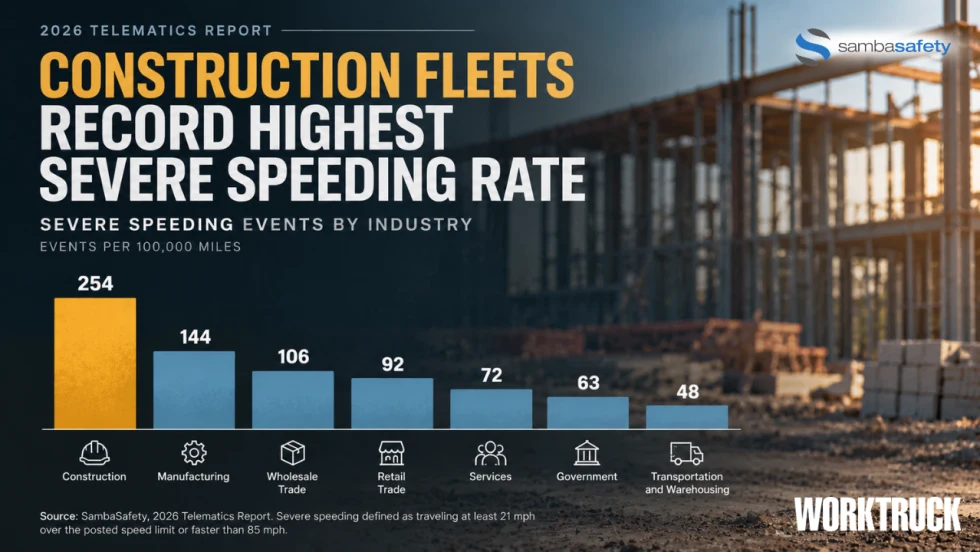
Construction Fleets Show Telematics Adoption Alone May Not Reduce Driving Risk
SambaSafety found construction fleets monitor roughly 92% of their vehicles but recorded the highest severe speeding rate among industries studied.
Read More →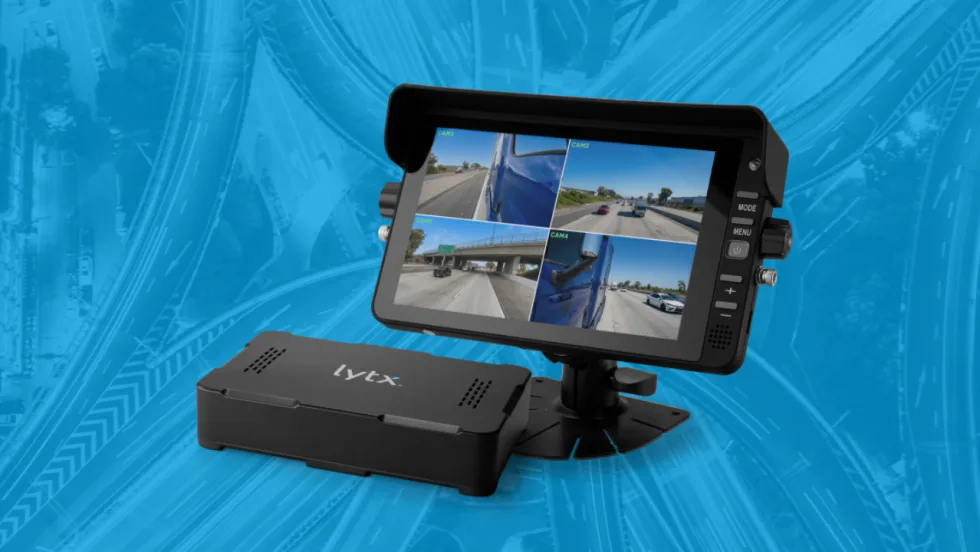
Lytx Launches 360 Hub Kit for Expanded Fleet Camera Visibility
Lytx’s new AI-ready gateway and HD auxiliary camera ecosystem, the Lytx 360 Hub Kit, extends visibility across side, rear, cargo, and blind-zone views to help fleets see more and respond faster.
Read More →From Our Partners

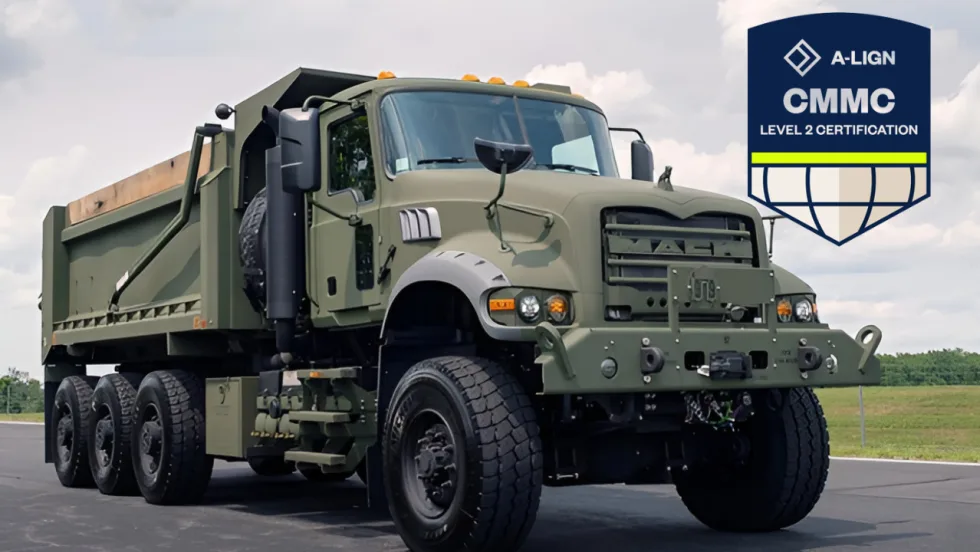
Mack Defense Achieves Cybersecurity Maturity Model Certification Level 2
After an assessment conducted by an authorized Certified Third-Party Assessment Organization (C3PAO), Mack Defense has achieved Cybersecurity Maturity Model Certification (CMMC) Level 2.
Read More →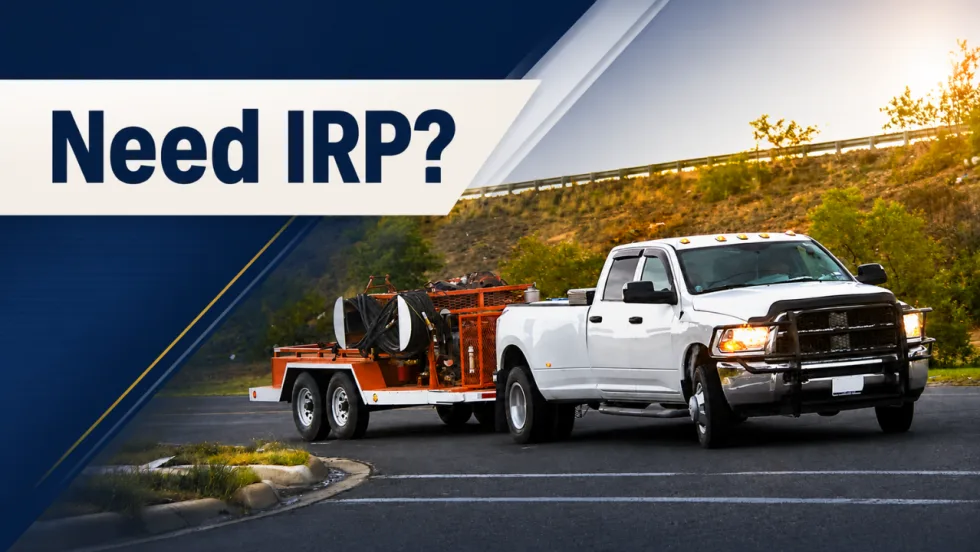
When Work Trucks Under 26,001 Pounds Need IRP Registration
Think trucks under 26,001 pounds are automatically in the clear when it comes to IRP? Not always. Learn where lighter vehicles can still run into trip permit, apportioned registration, and IFTA compliance requirements when crossing state or provincial lines.
Read More →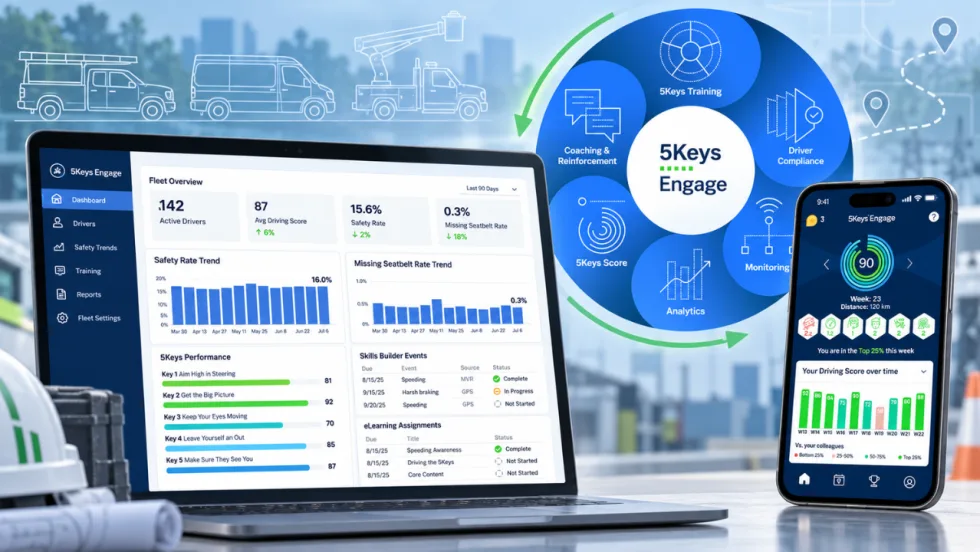
Smith System Wants Work Truck Fleets to Look Beyond the Driver Alert
Smith System’s new Driver Risk Management program is built to help mixed work truck fleets turn telematics alerts and observations into specific behaviors, coaching actions, and measurable follow-up.
Read More →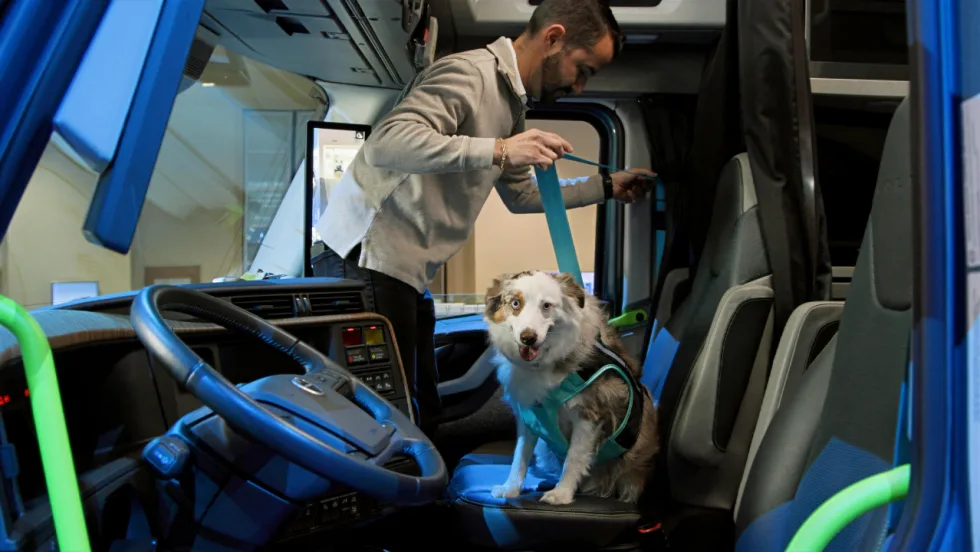
Volvo Trucks Releases New Safety Recommendations for Traveling with Pets
One of the most important recommendations for professional drivers traveling with pets is to ensure pets are properly restrained while the truck is moving. Other tips are available in the new guide from Volvo Trucks North America and Center for Pet Safety.
Read More →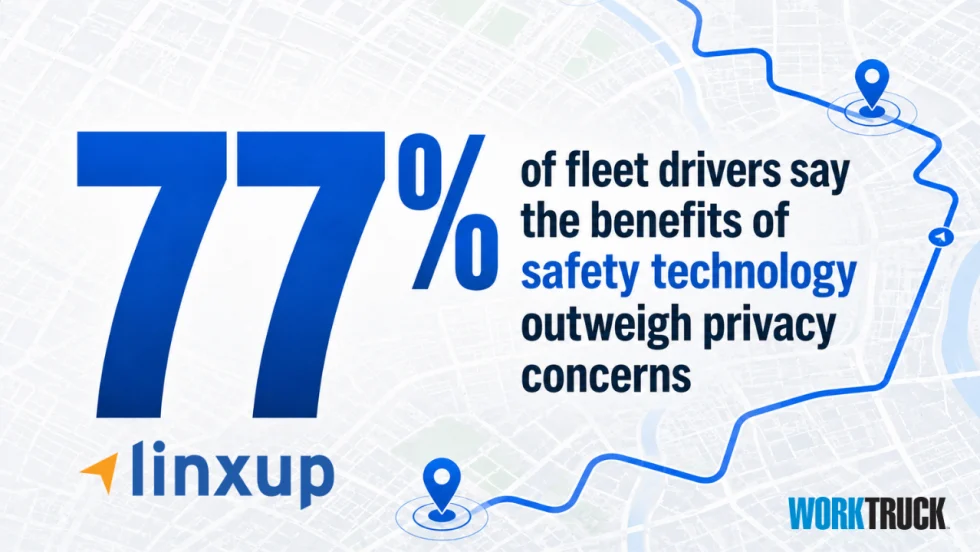
Are Work Truck Drivers Warming Up to Dash Cams and GPS Tracking?
A new survey finds field-service drivers may be more comfortable with dash cams and GPS tracking than fleet managers think, especially when the technology helps protect them after a crash.
Read More →
Recalls You Need to Know About in September 2026
If you have Altec, Chrysler, Ford, Heil, General Motors, International, Mack Trucks, Paccar, Rivian, Royal Truck, Toyota, US Truck Body, or Volvo Trucks vehicles in your fleet, you should check these important recalls issued by the National Highway Safety Administration.
Read More →
API Issues Refueling Safety Guidelines
The American Petroleum Institute offers a list of safe vehicle refueling guidelines, including ways to avoid potential problems with static electricity discharges in fall, winter, and early spring.
Read More →