




Learn More: Commercial Vehicle Industry Leaders Discuss Innovation, Failure, and Success
Severe Weather Emergency Protocols for Work Trucks
Discover essential strategies for work truck fleet managers to tackle severe weather challenges proactively.

Hillary Weiss・Senior Editor
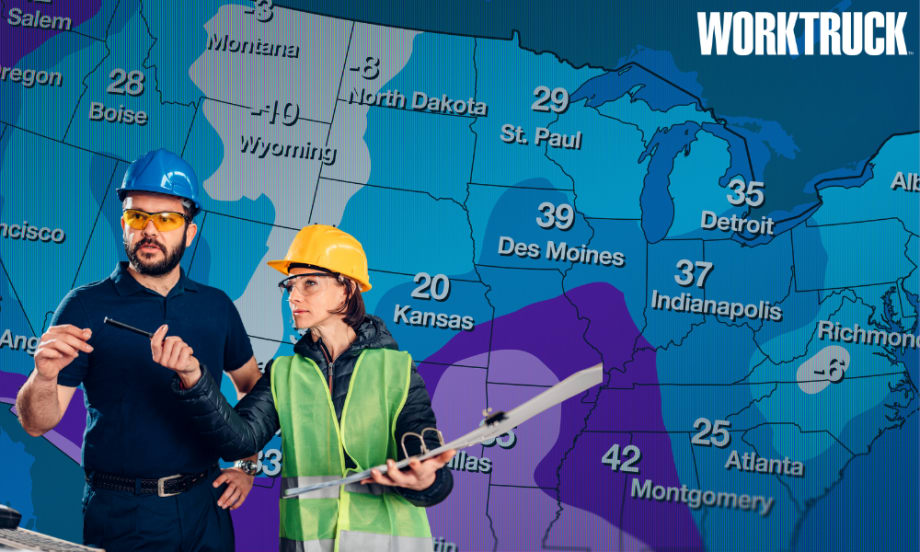
Implementing preventive measures can help prepare work truck fleets for severe weather challenges.
Photo: Work Truck
3 min to read
Severe weather can cause significant damage and disruption. Not only do residents have to prepare their homes for these threats, but fleet managers must also prepare their fleet.
It poses unique challenges for work truck fleet managers. It requires strategic planning and coordination to ensure the safety of both drivers and assets.
To help you avoid these challenges, we spoke with Eric Frey, Director of Global Product Management at Powerfleet, to gather insights on how medium-duty truck fleets can prepare for and navigate severe weather threats.
Emergency Protocols and Communication
Clear and open communication is paramount when faced with severe weather challenges.
“A reliable line must be available in real-time when cell towers are down so drivers know how to proceed in the worst-case scenario,” Frey stressed.
Fleet managers should review the emergency protocols before storms, ensuring all drivers understand the plan.
Additionally, weather education is crucial in helping drivers make informed decisions, emphasizing the importance of knowing the difference between a "flood watch" and a "flood warning," as an example.
Specialized Tools and Equipment
During extreme weather events, having a reliable navigation system with weather as a data point is crucial.
Partnering with a solution provider offering such technology provides fleets the flexibility to deviate from the original plan when necessary.
“Storms can be unpredictable, and you may only get a 48-hour notice of severe weather, so leveraging this technology can make all the difference when an alternate route is needed, allowing fleets to deviate from the plan when necessary,” Frey said.
Fleet managers should prioritize fuel efficiency to minimize downtime during extreme weather conditions.
“We often see vehicles left running to keep drivers warm during record-low temperatures, for example, but every hour spent idling is a gallon of gasoline,” Frey pointed out.
These alternatives improve fuel efficiency and contribute positively to the environment. In cases where management is uncertain about idle time impacting their fleet, they must be able to gather accurate data to minimize it effectively.
3 Final Strategies to Prepare for Severe Weather
There are three key strategies for fleet management to implement to prepare for severe weather:
No. 1 — Preventive maintenance is useful for fleets to ensure they run smoothly, but it can even help during severe weather challenges.
“It is critical to cover all bases. Proper vehicle maintenance is key – fleets can and should ensure their trucks are in order, from preparing trouble codes and inspection reports to checking tire pressure, braking, and lighting,” Frey added.
No. 2 — Driver training is crucial for instilling safe driving habits. Technology, such as dash cams, can help drivers recognize distractions and unsafe behavior, contributing to overall safety and preparedness.
No. 3 — Effective communication within the fleet management team is crucial during extreme weather events. Frey emphasizes the significance of backup communication options, especially when cellular networks are disrupted.
Clear and concise directives from management help avoid miscommunication and keep operations running smoothly.
Dual-mode communication capabilities, incorporating satellite communication, prove useful in ensuring constant connectivity during severe weather instances.
By prioritizing communication, investing in specialized tools, managing downtime effectively, implementing preventive measures, and coordinating seamlessly, fleets can confidently navigate the challenges posed by extreme weather conditions.
Subscribe to Our Newsletter
More Safety
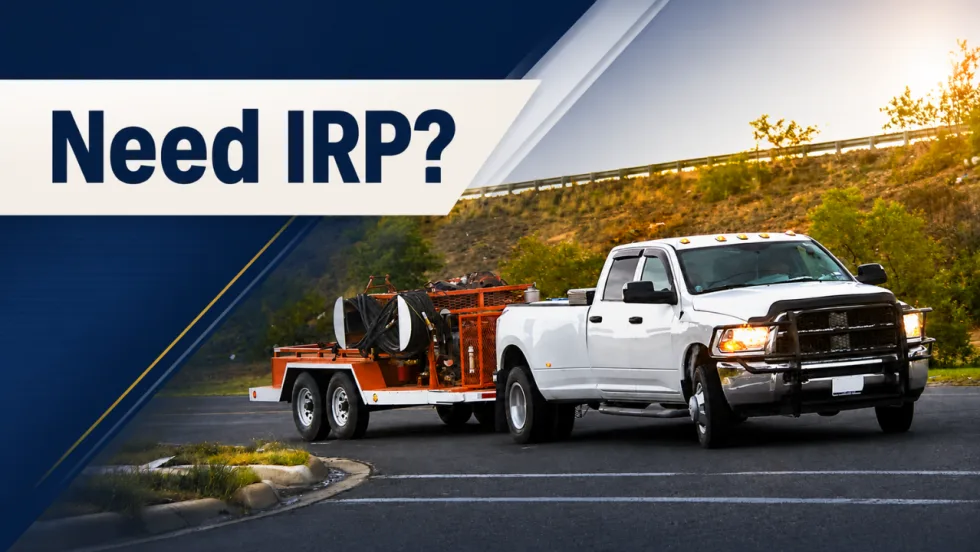
When Work Trucks Under 26,001 Pounds Need IRP Registration
Think trucks under 26,001 pounds are automatically in the clear when it comes to IRP? Not always. Learn where lighter vehicles can still run into trip permit, apportioned registration, and IFTA compliance requirements when crossing state or provincial lines.
Read More →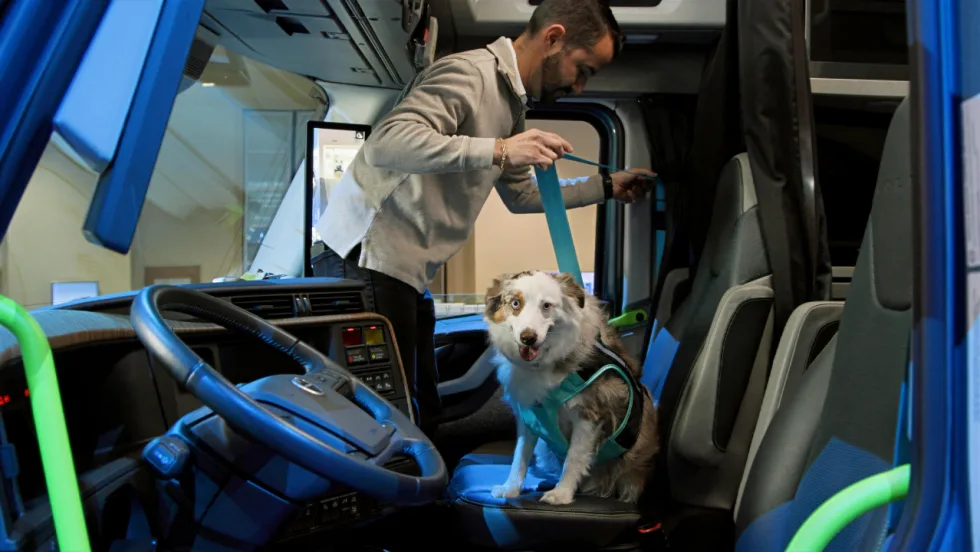
Volvo Trucks Releases New Safety Recommendations for Traveling with Pets
One of the most important recommendations for professional drivers traveling with pets is to ensure pets are properly restrained while the truck is moving. Other tips are available in the new guide from Volvo Trucks North America and Center for Pet Safety.
Read More →
API Issues Refueling Safety Guidelines
The American Petroleum Institute offers a list of safe vehicle refueling guidelines, including ways to avoid potential problems with static electricity discharges in fall, winter, and early spring.
Read More →
Winter Fleet Prep: Expert Tips to Keep Vehicles Running Smoothly
Cold weather can expose weak batteries, tires, fuel systems, and maintenance gaps fast. Use this winter fleet checklist to prepare trucks and drivers before temperatures drop.
Read More →
When a Work Truck Breaks Down, the Job Can Stop, Too
A work truck breakdown can stop more than the vehicle. Discover how payloads, jobsites, and specialty equipment change the roadside response.
Read More →
What Stronger Long-Term Fleet Service Partnerships Actually Require
Fleet service partnerships rarely fall apart all at once. Learn the three warning signs that trust is eroding and what fleets and providers can do before downtime, frustration, and lost revenue follow.
Read More →
Applause & TRUCE Software Partner to Improve Driver Safety Through AI-Powered Telematics & Employee Performance Management
Applause has integrated TRUCE driving metrics directly into its employee-first performance and safety platform that transforms mobile devices into AI-powered telematics.
Read More →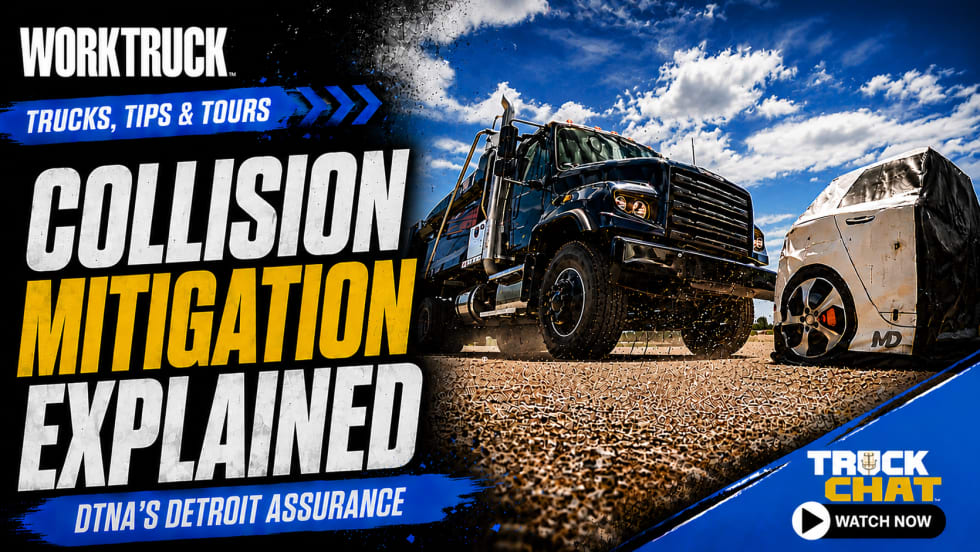
How Detroit Assurance with Active Brake Assist Works
Do you want to see what it is like to experience Detroit Assurance’s Active Brake Assist? In this video, Work Truck will put you in the cab to see how it all works and then hear more details from DTNA’s Mike Young.
Read More →
Get Left of Loss: A 5-Step Workplace Violence Prevention Framework for Fleet Operators
Violence risks do not stop at the driver’s door. Learn five practical steps fleets can take to spot threats early and protect workers before loss occurs.
Read More →
Sponsored•July 17, 2026
How Better Visibility Cut Speeding Violations by 48%
Fleet leaders don't need more data, they need clearer visibility into what the data is saying. This case study explores how one utility replaced speeding-event counts with a single metric — miles driven in violation — to strengthen safety and significantly reduce speeding violations.
Read More →