





Digging Deeper: Economics of Vans vs. Pickups
Selecting the Right Cargo Van for Your Fleet
The same van specs used for the past 10 years might not match fleet requirements today. Several steps are outlined to ensure the best cargo van is selected for fleet needs.
November 8, 2010

Making changes to van vehicle specs is never easy because of the risks involved. Bolster the odds of success by conducting a comprehensive review of the existing fleet and defining up front exactly what is needed in the new vans.
Photo: General Motors
8 min to read
As a company prepares to expand its van fleet or replace aged units, as the fleet manager, you're looking for creative ways to save money, without sacrificing crew productivity or safety. Typically asked questions during this process include:
Should fleet move to smaller vans, which would cost less upfront and offer better fuel economy?
If the decision is made to downsize to smaller vans, is it still possible to maintain the required payload, per vehicle, per trip?
Should larger vans be spec'ed that would provide the ability to haul more per trip and reduce the overall number of vans needed?
Finding the right answers to these questions can be daunting for even seasoned fleet managers because the stakes are high, especially when looking to make significant changes to a company's standard van spec.
If a van is under-spec'ed and consistently overloaded, premature maintenance issues are created by forcing the engine, transmission, and suspension to work harder than designed. This also risks the crew's safety due to the added stress on the braking system, exposing a company to greater liability if the van is involved in an accident when overloaded.
Conversely, if a cargo van is over-spec'ed, e.g., selecting a ¾- or 1-ton unit when a smaller ½-ton van will work, the result is not only a $3,000-$4,000 or more up-front acquisition cost, but fuel economy is also sacrificed by as much as 5 miles per gallon.
Analyze Existing Vans
The starting point is to conduct a review of existing vans. Include drivers and crew in this process to get their input as well. Here are four questions to serve as a guide:
What is liked about current fleet vans? In other words, what works well?
What isn't liked that can be improved with new vans?
What is fleet's current average fuel economy with its vans? Can this be improved? By how much?
Are the vans operated at full capacity? If not, is it possible to go smaller? If the vans are at max loads, do larger units need to be purchased, whether by payload capacity or van length?
Define Van Performance Requirements
Once what works and what needs to be changed from the existing van fleet has been identified, the next step is to determine exactly how the new van should perform. Answers to the questions below will help gather all the necessary information to make the best van selection.
What exactly will the van haul?
How much will a full load weigh?
What are the payload dimension requirements (height, length, and depth)?
How will the van be loaded and unloaded? This impacts interior dimensions and side-door location.
What will be loaded outside the van? (Ladders, piping, glass sheets, etc.)
Will the van be pulling a trailer? How much total weight (including payload and trailer)? How often will the trailer be pulled? How much weight will be on the trailer when the van itself is fully loaded?
How many miles per year will the vehicle run?
Once requirements are defined, it's time to narrow the search. Here are seven points to consider.
1. Van Class/Size
There are two main categories of cargo vans: compact and full-size. Full-size vans are segmented into three classes - ½-ton, ¾-ton, and 1-ton. While these terms have little to do anymore with actual payload capacities, they are still used industry-wide to define those segments.
Once a van requirement profile is created, review payload and training requirements. If the vehicle will haul, for example, 1,100 lbs., the compact Ford Transit Connect van with a payload capacity of 1,600 lbs. might work. However, if cargo is comprised of mostly lightweight, but bulky boxes of paper products, then it may be best to bump up to the full-size van in the ½-ton segment to provide enough room for the size load needed per trip.
When evaluating van size and class, these are the key specs to consider:
Maximum payload.
Maximum towing.
Cargo volume.
Narrow a van search to the size/class van that accommodates fleet's needs in all three areas.
2. Cargo Volume
How much space is needed? Cargo volume, measured in cubic feet, provides a specific number to make an "apples-to-apples" comparison across all vans to see how much cargo space is available.
How many cubic feet does the required cargo take up? This is more difficult to answer. This requires looking beyond the cargo volume number for specific dimensions, especially length and height.
Load length. Most manufacturers offer two length/wheelbase options - regular and extended. (The Mercedes Sprinter offers two wheelbases and three lengths.) What steps are needed to determine which is the best fit?
With the Chevrolet Express cargo van, for example, the extended van is approximately 2 feet longer in the cargo area. Will that extra space be needed to carry longer piping or to ensure room for additional shelving and storage?
Load height. The Sprinter offers two roof options, Standard and Raised. The raised model provides 6 feet, 4 inches of floor-to-roof clearance, allowing most crew members to stand upright while accessing the cargo area. How often will a crew work out of the back of the van? How important is that extra space? The common measurement for cargo space is cargo volume, measured in cubic feet.
For dimensions on load length and height, consult a manufacturer representative or refer to "Links to Detailed Van Specs" below.
3. Powertrain Options
If considering a ½-ton van, should a V-6 (available only on Chevrolet Express/GMC Savana) or V-8 (available on both the Chevrolet and Ford models) be selected? The advantage to the V-6 is better fuel economy. For example, with the Express van, the 4.3L V-6 offers 2 mpg better fuel economy than the 5.3L V-8. (Visit www.fueleconomy.gov to create side-by-side fuel economy comparisons. The tool applies only to vehicles under 8,600-lbs. GVWR.)
The downside of the V-6 is that it limits a vehicle's towing capacity.
Therefore, if the van is pulling a trailer, the engine may need to be bumped up to a V-8, depending on how much weight the trailer is hauling. Consult a manufacturer rep or fleet management company to determine which size engine best fits overall performance requirements.
When considering ¾- or 1-ton vans, engine options expand. GM and Ford vans offer both gas and diesel engines; Mercedes-Benz has diesel only. Which is better - gas or diesel? The answer depends on how the van will be used. Here are the factors that should be weighed in a decision:
Initial cost versus fuel economy analysis. A diesel engine will cost several thousand dollars more up front than the gasoline option. However, fuel economy with diesel is as much as 30-percent better compared to gas. The key is determining how many miles per year the vehicle needs to operate to recoup the higher investment in the diesel engine within an acceptable timeframe. A general rule of thumb is 25,000 miles. Under this mark, it's not likely the higher cost of the diesel unit will be recouped, making the gas engine a better fit. Above 25,000 miles, the diesel option often makes more financial sense.
Towing requirements. This is important. If a van is only operated 10,000 miles per year, based on the fuel economy analysis, the gas engine would be the preferred option. However, the diesel option offers a higher towing capacity. Make sure the engine selection matches towing needs.
4. Side Door Options
Refer back to the van performance requirements. How will the van be loaded and unloaded? The answer impacts what side door option is the best fit. There are a few scenarios to consider:
Swing-open versus sliding side door. The swing-open doors work fine in most applications. However, the sliding door provides a slightly wider load opening. Also, if unloading in tight urban spaces, swing-open doors may take up too much space when open compared to a sliding door.
Passenger side door only versus both passenger and driver side door. Are there any scenarios where it will be more efficient to unload from the driver's side? If so, consider the driver-side door option. However, keep in mind this option limits the ability to install shelving and storage systems on the driver side cargo wall. Therefore, be sure to consider cargo management requirements before selecting the driver side door option.
5. Window Options
Typical van window options include:
Side- and rear-door glass.
Rear-door only glass.
No windows.
The advantage of side- and rear-door glass is maximum visibility and safety. Some fleets opt for rear door only or no glass for several reasons. The lack of windows creates a smoother surface more conducive to vehicle lettering and graphics. Also, if hauling expensive equipment, the no-windows option offers greater security because equipment is not visible.
6. Cargo Management Options
Most van manufacturers offer vocation-specific cargo packages (HVAC, plumbing, electrical, etc.) - sometimes at no additional charge. Some packages include shelving, cargo bulkhead, ladder racks, etc. Consult a dealer, manufacturer rep, or fleet management company to help determine which cargo management system best fits the application.
7. Cabin Comfort Options.
This factor directly impacts crew productivity and typically includes:
Power door locks. With manual door locks, the driver must physically go around the van to lock and unlock each door. If the driver forgets to lock one door, the cargo is at a greater risk of theft.
Power windows. This option is often bundled with power door locks. It allows the driver to roll down the passenger side window, when necessary, without reaching across the van to manually twist the window crank.
Cruise control. If operating the van on a low mileage, in-town basis, cruise control may not be worth the cost. However, if highway driving is as factor, cruise control is an important option to enhance driver comfort and reduce fatigue.
Upgraded radio. Most vans come standard with AM/FM radios (or no radio at all). A CD player allows the driver to listen to his/her favorite music, especially helpful during long trips. This seems a small thing, but an extra $100 or so for an upgraded radio can go a long way to improve driver morale and productivity.
Vinyl vs. cloth seats. A few points to consider here. First, in very hot climates, cloth seats remain cooler than vinyl. Second, before selecting seat material, find out what "quirky" trade-offs must be made, depending on the preferred material.
The Bottom Line
Making changes to van vehicle specs is never easy because of the risks involved. Bolster the odds of success by conducting a comprehensive review of the existing fleet and defining up front exactly what is needed in the new vans. This way, the right specs will be identified at the right prices, without sacrificing crew productivity or safety.
Subscribe to Our Newsletter
More Vehicle Insights
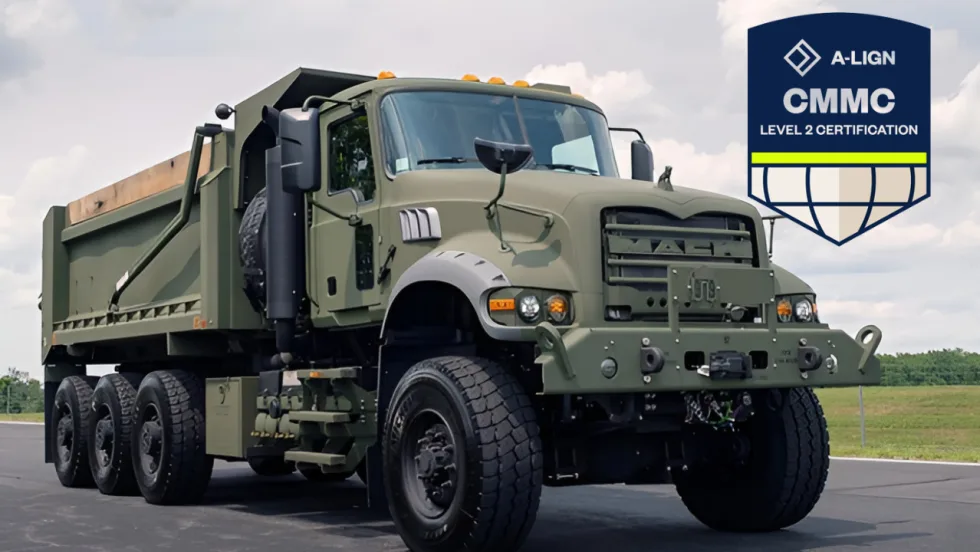
Mack Defense Achieves Cybersecurity Maturity Model Certification Level 2
After an assessment conducted by an authorized Certified Third-Party Assessment Organization (C3PAO), Mack Defense has achieved Cybersecurity Maturity Model Certification (CMMC) Level 2.
Read More →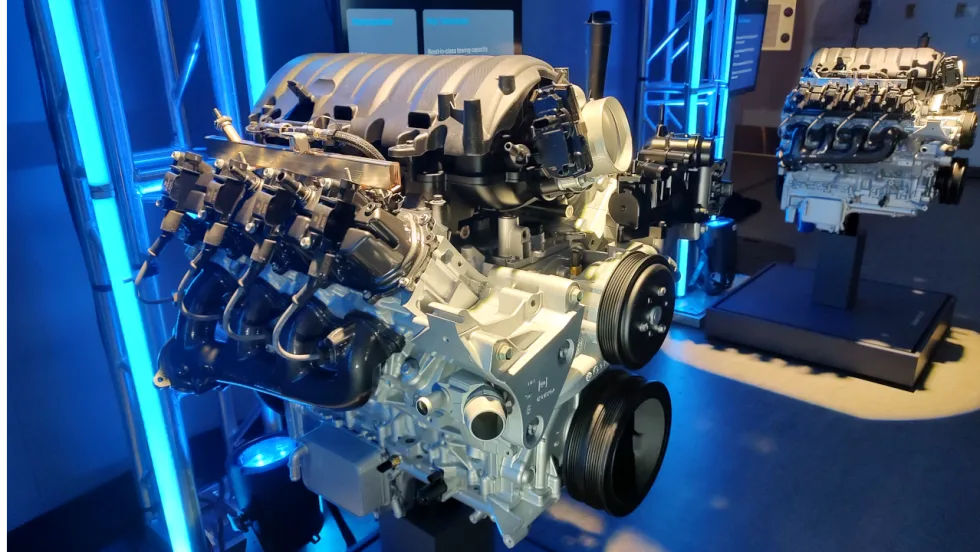
GM Unveils New Sixth-Generation Small Block Engines for 2027 Light-Duty Pickups
General Motors unveiled two new small-block engines, backed by extensive real-world validation and more than 70 years of small-block V8 manufacturing experience, as part of the engine portfolio for the 2027 Chevrolet Silverado 1500 and GMC Sierra 1500.
Read More →
Chevrolet Silverado 1500 Fleet Guide Specs Capability and 2027 Model-Year Updates
The next-generation 2027 Chevrolet Silverado 1500 brings new V-8 engines, updated technology, expanded safety features, and a fleet-focused Work Truck. Here’s what commercial fleets need to know so far.
Read More →
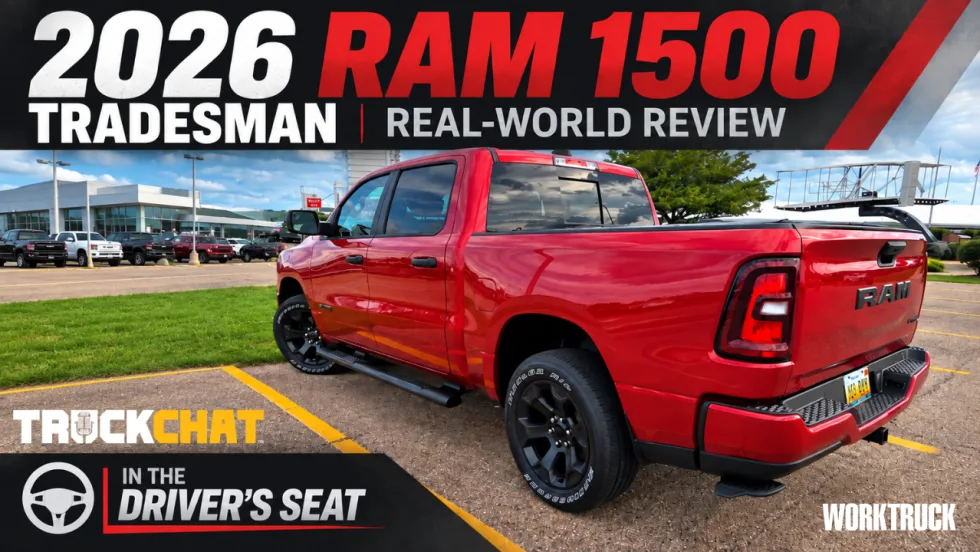
2026 Ram 1500 Tradesman Put to a Real-World Fleet Test
A few days behind the wheel of a 2026 Ram 1500 Tradesman turned into a test of visibility, parking, work-ready features, and even severe-weather driving.
Read More →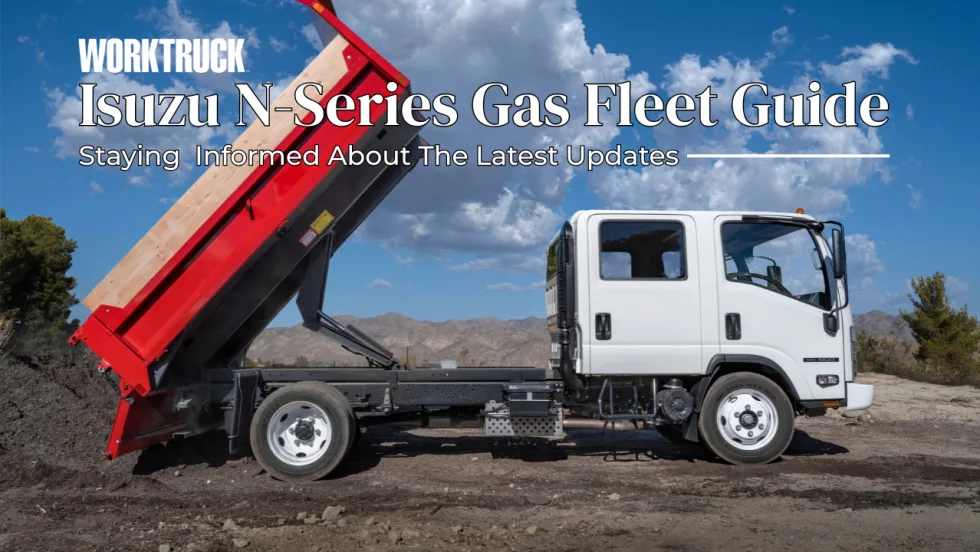
Isuzu N-Series Gas Fleet Guide: Specs, Capability and 2027 Model-Year Updates
Explore Isuzu Truck North America’s N-Series Gas fleet specs, engine performance, GVWR and payload capability, configurations, chassis dimensions, work-focused features, and 2027 model-year information.
Read More →
Ram ProMaster City Fleet Guide Specs Cargo Capacity and 2027 Updates
Work Truck’s Ram ProMaster City Fleet Guide tracks the latest specifications, cargo capability, configurations, fleet technology, pricing, and model-year updates for Ram’s mid-size commercial van.
Read More →
Ford F-150 Fleet Guide Specs Capability and 2026 Model-Year Updates
Explore 2026 Ford F-150 fleet specs, engines, towing and payload capability, configurations, work features, technology, and model-year updates.
Read More →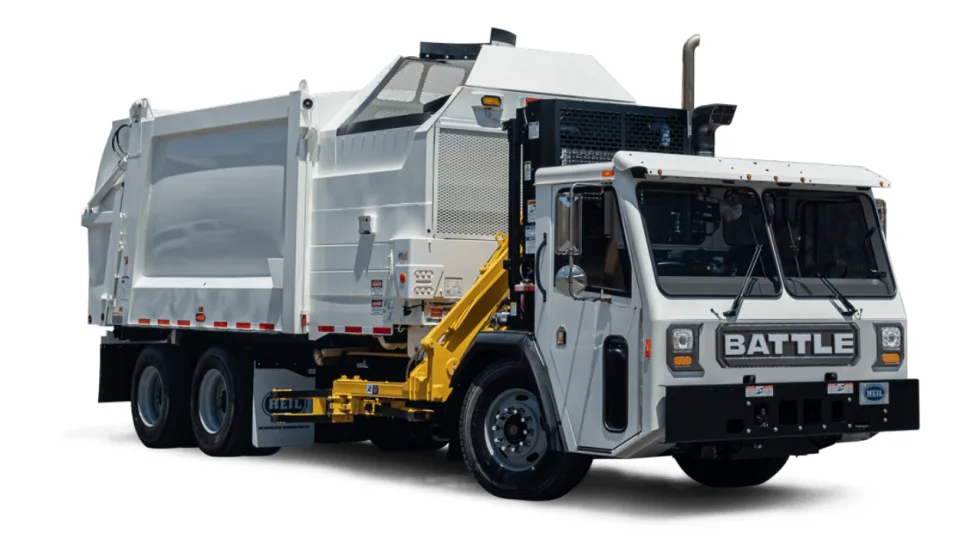
TCI Now Sells & Supports Battle Motors’ Vocational Trucks
Midwest truck dealer Truck Centers, Inc. (TCI) has expanded its transportation solutions with sales and service support for Battle Motors’ heavy-duty vocational trucks at locations in locations in Indiana, Illinois, and Missouri
Read More →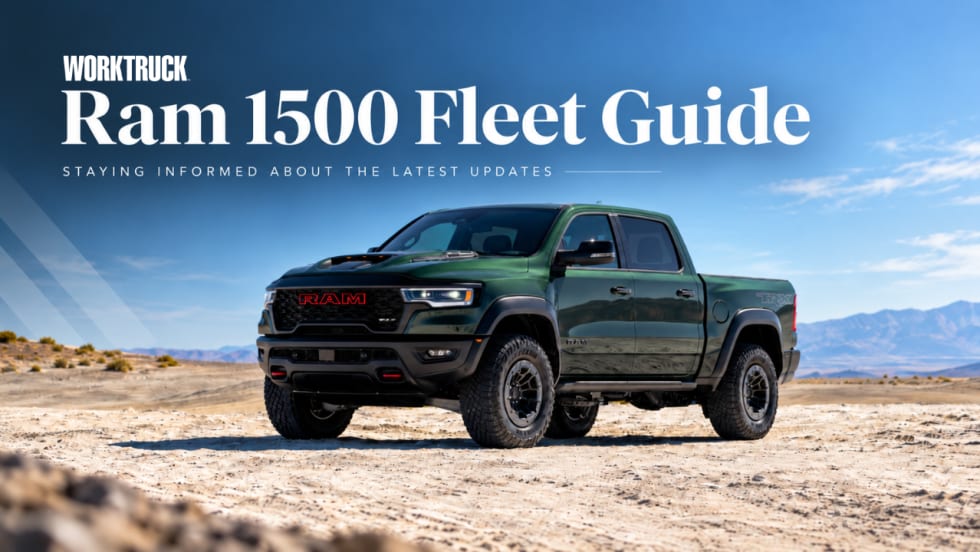
Ram 1500 Fleet Guide Specs, Capability and 2027 Model-Year Updates
Explore always up-to-date Ram 1500 fleet specs, engines, towing and payload capability, configurations, technology, pricing updates, and model-year changes.
Read More →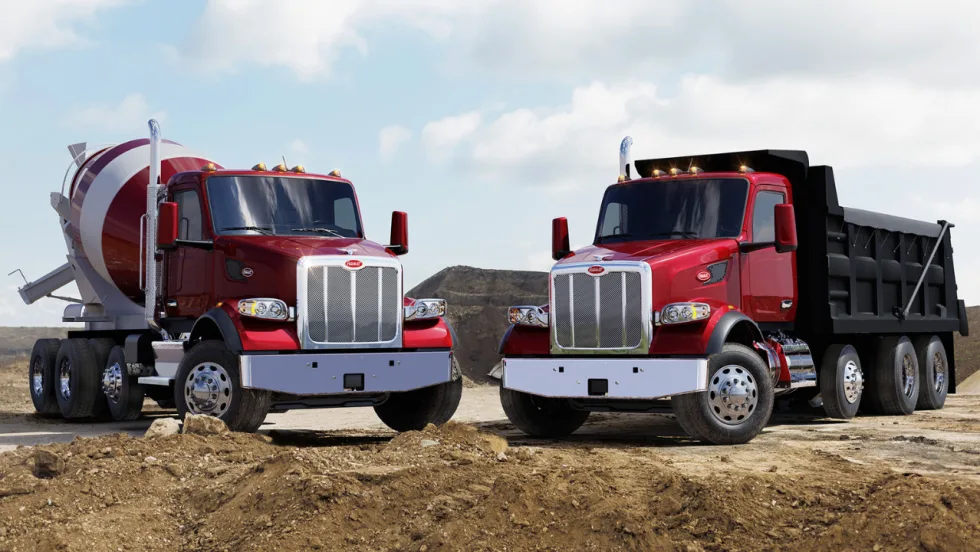
Peterbilt Trucks Equipped with Paccar TX-18 Pro Boost Efficiency for Maryland Fleet
Patuxent Companies is replacing aging trucks with the Peterbilt Model 567 and Model 589, specified with the Paccar TX-18 Pro 18-speed automated transmissions, and is reporting an 8% to 10% improvement in fuel economy.
Read More →