





[Readers Respond] Growing the Next Generation of Fleet Technicians
[Readers Respond] Data Matters: A Closer Look at Truck Safety Metrics
Are fatalities per billion miles the best measure of truck safety? Fleet veteran Steve Saltzgiver shares why a broader view tells the real story.
December 23, 2024
![[Readers Respond] Data Matters: A Closer Look at Truck Safety Metrics](https://assets.bobitstudios.com/image/upload/f_auto,q_auto,dpr_auto,c_limit,w_920/20241218-road-danger-fatal-trucks-worktruck-1_1775893962144_nk6bux.png)
Our readers respond to a recent article discussing pickup truck accident rates and fatalities.
Photo: Work Truck
2 min to read
In response to the article Danger on the Roads: Which Trucks Have the Highest Fatality Rates, Steve Saltzgiver, former fleet manager and current fleet success senior advisor for RTA: The Fleet Success Company, shares valuable insights on how we evaluate truck safety.
"Good article about the use of data, which I love as a data-nerd. However, fatalities per billion miles traveled can be a misleading indicator if used in isolation," Saltzgiver begins.
While this metric provides insight into safety relative to distance driven, he shares that it fails to account for critical elements like crash frequency, severity, and context.
Saltzgiver notes that focusing solely on fatalities — rare but severe events — does not reflect total accidents, near-misses, or non-fatal crashes, all of which are essential safety indicators.
"A truck brand with fewer accidents overall might still have a higher fatality rate if its accidents are more severe, such as high-speed collisions," he explains.
Similarly, high-mileage trucks may appear "safer" on this metric simply because of the lower occurrence of fatalities per mile driven.
To paint a more accurate picture of truck safety performance, Saltzgiver suggests incorporating additional metrics:
Accident frequency per million miles traveled
Fatality rate per accident
Non-fatal crash rates
Severity breakdown (fatalities, injuries, property damage)
Driver error vs. mechanical failure rates
"Combining these indicators would likely provide a more comprehensive understanding of a brand's safety performance than relying solely on fatalities per billion miles," he concludes.
Have thoughts on truck safety metrics? Share your insights with us at Work Truck!
Subscribe to Our Newsletter
More Safety
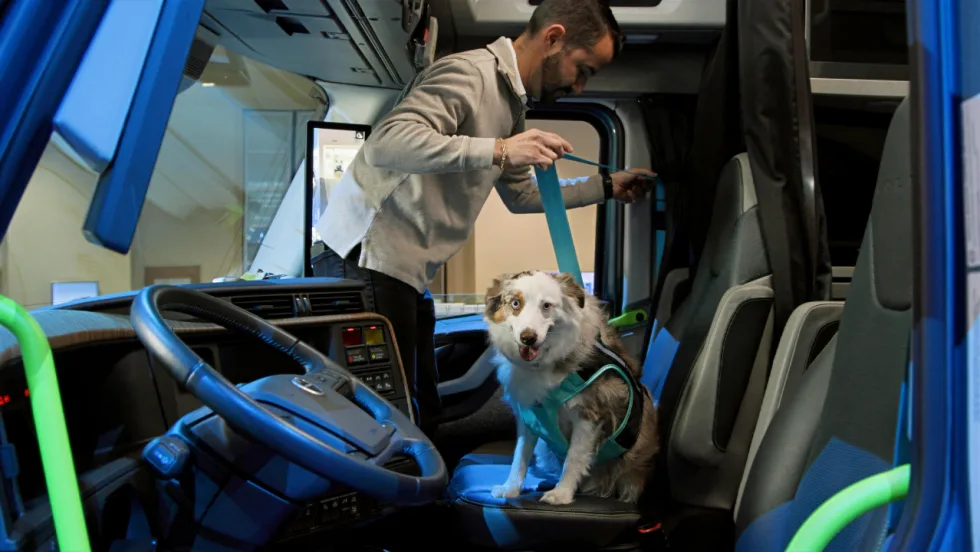
Volvo Trucks Releases New Safety Recommendations for Traveling with Pets
One of the most important recommendations for professional drivers traveling with pets is to ensure pets are properly restrained while the truck is moving. Other tips are available in the new guide from Volvo Trucks North America and Center for Pet Safety.
Read More →
API Issues Refueling Safety Guidelines
The American Petroleum Institute offers a list of safe vehicle refueling guidelines, including ways to avoid potential problems with static electricity discharges in fall, winter, and early spring.
Read More →
Winter Fleet Prep: Expert Tips to Keep Vehicles Running Smoothly
Cold weather can expose weak batteries, tires, fuel systems, and maintenance gaps fast. Use this winter fleet checklist to prepare trucks and drivers before temperatures drop.
Read More →
When a Work Truck Breaks Down, the Job Can Stop, Too
A work truck breakdown can stop more than the vehicle. Discover how payloads, jobsites, and specialty equipment change the roadside response.
Read More →
What Stronger Long-Term Fleet Service Partnerships Actually Require
Fleet service partnerships rarely fall apart all at once. Learn the three warning signs that trust is eroding and what fleets and providers can do before downtime, frustration, and lost revenue follow.
Read More →
Applause & TRUCE Software Partner to Improve Driver Safety Through AI-Powered Telematics & Employee Performance Management
Applause has integrated TRUCE driving metrics directly into its employee-first performance and safety platform that transforms mobile devices into AI-powered telematics.
Read More →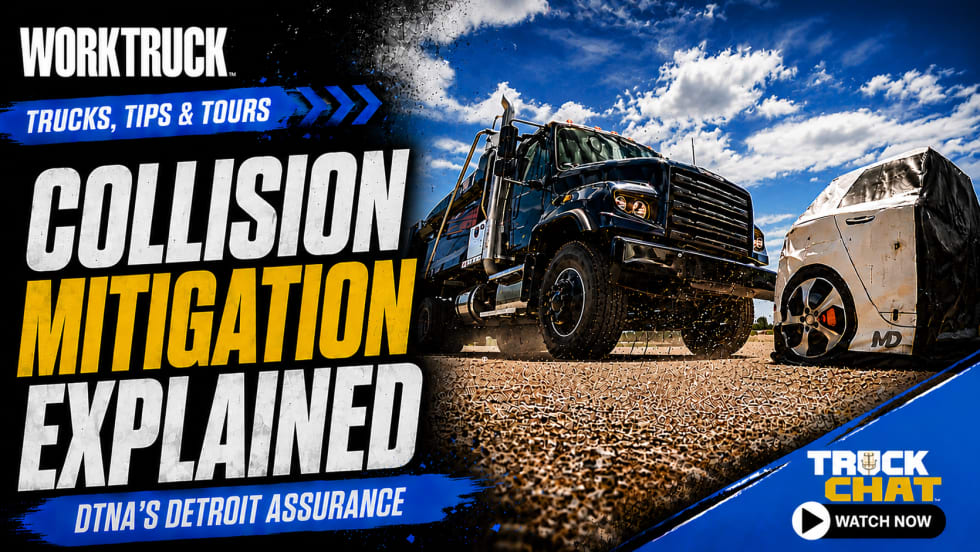
How Detroit Assurance with Active Brake Assist Works
Do you want to see what it is like to experience Detroit Assurance’s Active Brake Assist? In this video, Work Truck will put you in the cab to see how it all works and then hear more details from DTNA’s Mike Young.
Read More →
Get Left of Loss: A 5-Step Workplace Violence Prevention Framework for Fleet Operators
Violence risks do not stop at the driver’s door. Learn five practical steps fleets can take to spot threats early and protect workers before loss occurs.
Read More →
Sponsored•July 17, 2026
How Better Visibility Cut Speeding Violations by 48%
Fleet leaders don't need more data, they need clearer visibility into what the data is saying. This case study explores how one utility replaced speeding-event counts with a single metric — miles driven in violation — to strengthen safety and significantly reduce speeding violations.
Read More →
13 Safe Driving Tips for Commercial Vehicle Drivers
Make sure you are spending time on the road safely with these important tips.
Read More →