





Going Green: To Clean the Air, Let’s First Green Our Fleets
Q&A: Green Fleet Conference Speaker John Viera
Closing the Green Fleet Conference this year is John Viera, the Director of Sustainability and Vehicle Environmental Matters at Ford. This year he'll be making a case that not only is going green achievable for fleets, it's good business.
September 10, 2014

John Viera, Director Sustainability & Vehicle Environmental Matters at Ford.
Photo: Ford
6 min to read
John Viera, Ford's director of sustainabilityand vehicle environmental matters, will be giving the closing keynote address at this year's Green Fleet Conference and Expo.
John Viera has been at Ford for 30 years and has held quite a few different jobs, from product development to manufacturing. He has worked on the truck side of the business, and was the chief engineer for Ford’s global compact pickup program and full-size SUVs such as the Expedition and Navigator.
In 2007, John Viera took over as sustainabilty diector. From designing a lighter-weight F-150 to making wiring harnesses out of rice casings, he now oversees Ford's efforts to be green and sustainable going forward.
Interview With John Viera
Green Fleet: How have you seen the industry shift toward being green?
Viera: When I first came on board and definitely before I was in this position, I would say that the industry was more about compliance when it came to sustainability and being green. They would ask what the regulations were and if they met the regulations and simply by meeting the regulations they were being green. To be sustainable was just to meet the regulations.
Several years ago, we came to a point where the industry is doing more toward environmental actions that aren’t regulatory driven. What I like to say is that when we were regulatory driven in the past, being green was about doing less bad and we’re at a point now in the industry where we’re doing more good. We’re doing it because it’s the right thing to do, and I’m speaking for the entire industry not just Ford.
Green Fleet: Can sustainability be a good financial decision for a commercial fleet?
Viera: I think it can be a very good financial decision.
As you improve fuel economy and fuel efficiency you’re reducing the carbon dioxide coming from the tailpipe of vehicles, regardless of what you’re running on. By replacing old vehicles with more fuel efficient ones you’re having an impact there on the environment.
It’s obvious right? For fleets, a direct relationship exists around more efficient vehicles and using less fuel. I’d even make the argument that fleets often times have a better business case than personal use vehicles. They’re running more miles so if you’re buying a more efficient vehicle, the more miles you run the more savings you’re going to get faster.
Green Fleet: How can you apply that to larger commercial vehicles?
Viera: One of the things we like to talk about at Ford is the power of choice. We give our customers their choice of different powertrain options, particularly in our larger, heavier duty vehicles. We’re trying to enable our fleet customers to be more green in the vehicles they purchase by giving them choices of different types of fuels to operate on.
I think the advantage of commercial vehicles is that while the upfront cost of an alternative fuel vehicle like CNG will be more expensive, the advantage of the fleet customer is that they have the ability to pay off the investment faster because they run more miles.
The other element of alternative-fueled vehicles is the packaging of the fuel. Fuels like CNG require more package space to store that type of fuel vs gasoline or diesel and your larger vehicles typically have more ability to be able to accommodate larger storage requirements. It makes it actually more attractive in larger commercial vehicles.
Ford's Manufacturing
Green Fleet: Talk about how Ford uses recycled content for manufacturing.
Viera: The thinking from a high level concept standpoint is how do we reduce the amount of materials that we take out of the ground that take hundreds of millions of years to replenish and use materials that are either waste materials or plant grown materials that can regenerate every year? Our focus is around using those two types of materials.
Steel and aluminum are almost always recycled content. At Ford we’ve taken it to the next level as well. It's one thing to use recycled content from scrapped automobiles, but what we’re trying to push into our approach is figuring out how to use waste streams from other industries that would have been going into landfills and using it in our products.
We actually have partnered with a denim supplier where our carpet supplier gets scrap from the denim supply that would have gone to a landfill and they use that in the padding of our carpets. On our F-series we use rice casings to make sheilding for our wiring.
Green Fleet: Can you tell me about the new F-150 and what it means to have an all-aluminum truck?
Viera: The biggest impact that we could have with our prodcuts is to improve the fuel economy. When I talk about improving fuel economy, I don’t care if youre talking about gasoline, diesel, natural gas, or if you run out of gas and have to push the vehicle — if the vehicle weighs less its going to take less energy to move it.
Core to our product sustainability strategy is lightweighting. We’re doing that across the board. It’s not like we’re making a specialty sports car that’s made of aluminum as a show piece and saying, ‘Hey we have an all-aluminum sports car that we sell 5,000 units of a year, isn’t that cool.’
We have taken our biggest product, the crown jewel of our company, and said that if we’re going to be serious about sustainability, if we’re going to be really serious about fuel economy and we’re gonna walk the talk then we have to show people that with the F-150.
Green Fleet: Are there any industry trends that you think are going to be key to the future of sustainability?
Viera: I really believe in this move toward fuel efficiency and alternative-fueled vehicles like natural gas or eventually electrification. I think that’s a trend you’re going to continue to see happening. Even with heavy duty vehicles, that trends going to happen.
I think youre going to see more and more use of green vehicles in fleets. That trend's going to happen. Business customers are really interested in buying products that are more responsible. Even if you're a commercial fleet, your image as a responsible company is tied to the vehicles you’re driving and whether they as responsible as they could be as well.
Fuel Economy
Green Fleet: Is focusing on fuel economy enough or should there be a focus on reducing emissions?
Viera: I think that we’ve made a tremendous amount of progress on reducing emissions in petrol and diesel engines over the last 30-40 years, like 98% plus or some ridiculous number. That's going to continue even though we're going to be seeing smaller improvements because we have already improved so much. A lot of that is going to be driven by regulations, but I think it's good regulation that’s going to help the environmental side as well.
Editor's note: For more information on the Green Fleet Conference click here.
Subscribe to Our Newsletter
More Sustainability
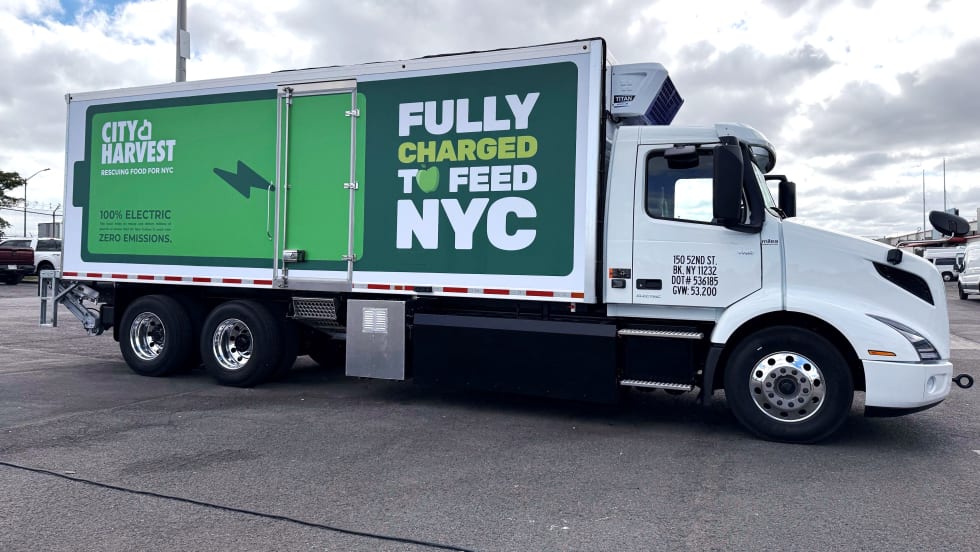
City Harvest Begins Using Volvo VNR Electric Trucks to Rescue Food Across New York City
Volvo Trucks North America and the Bronx Is Breathing project team handed over three new Volvo VNR Electric trucks to City Harvest, which will use the trucks to rescue and deliver food throughout the Bronx and across all five boroughs of New York.
Read More →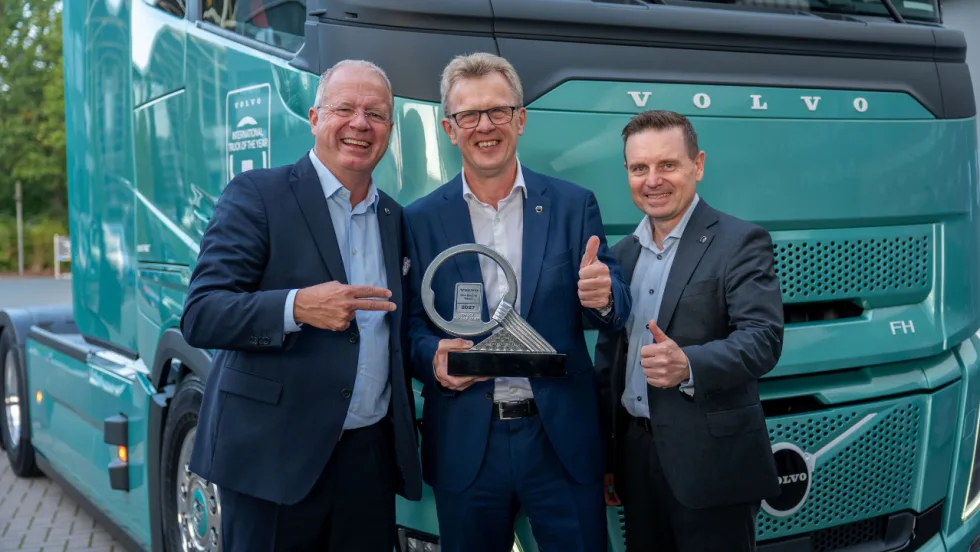
Volvo Trucks Wins International Truck of the Year 2027 for its Global Electric Range
Volvo Trucks' global heavy-duty electric range has been named International Truck of the Year 2027. Since 2019, more than 7,000 electric Volvo trucks have driven more than 310 million miles worldwide.
Read More →
Fleet Forward Conference Introduces One-Day Passes for 2026
New one-day registration gives fleet professionals the flexibility to attend Tuesday, Wednesday, or Thursday, with passes available for $199 through Sept. 18.
Read More →

CALSTART Rebrands as Catalyst Mobility, Will Combine with Forth in 2027
CALSTART has rebranded as Catalyst Mobility and will combine with Forth at the start of 2027. The new organization said it is poised to become one of the world's largest, strongest, and most impactful clean transportation nonprofits.
Read More →
Electric Truck and Charging Programs to Boost Sustainability at NY & NJ Ports
Together, the Port Authority of New York and New Jersey and CALSTART will electrify drayage and terminal operations serving the East Coast’s busiest container port. A pair of incentive programs totaling $45 million has launched to accelerate adoption of zero-emission drayage trucks and terminal tractors.
Read More →
The Smart Way to Build a Mixed-Energy Fleet Isn’t About Picking a Side
Mixed-energy fleets aren’t about picking a winning fuel. Sarah Booth of WEX explains how vehicle data, duty cycles, charging strategy, and real-world costs can help fleets choose the right energy source for each job.
Read More →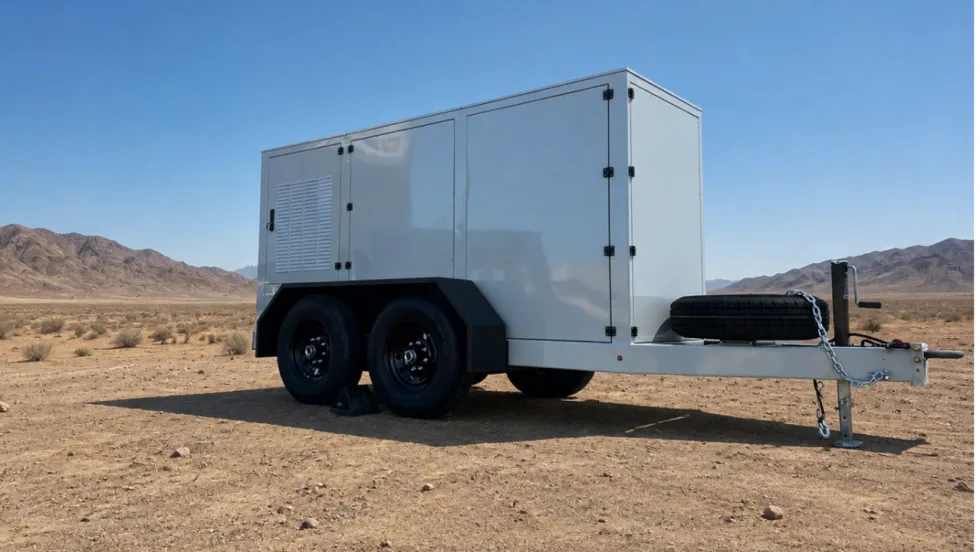
Xos Hub Surpasses One Gigawatt-Hour of Energy Delivered in the Field
A single Xos Hub has surpassed one gigawatt-hour of energy across more than 33,600 charging sessions in the field, demonstrating performance that supports Xos' expansion across new products and markets.
Read More →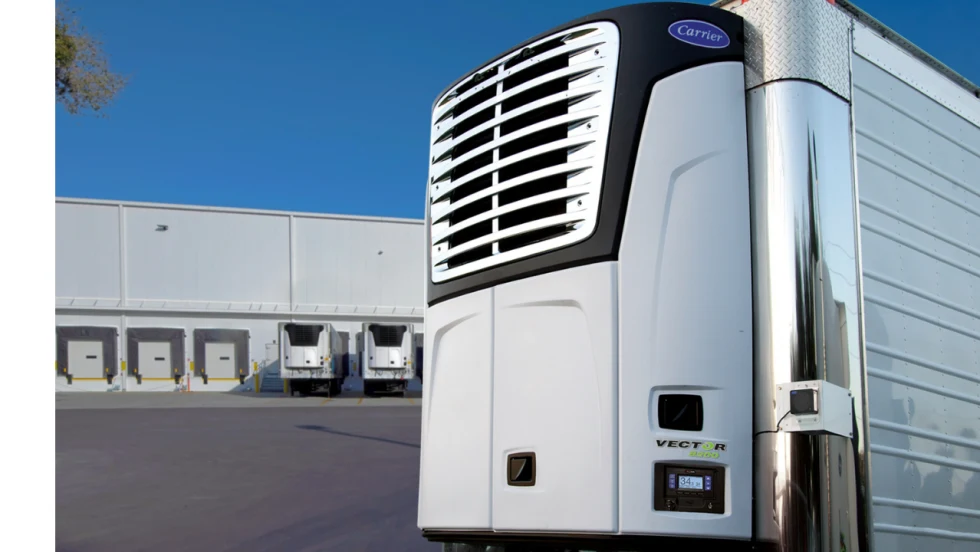
Carrier Transicold Launches All-Electric Vector 8200 TRU for Diesel-Free On-Site Cold Storage
Carrier Transicold’s first engineless multi-temperature TRU helps fresh- and frozen-food fleets add supplemental cold storage capacity during seasonal peaks.
Read More →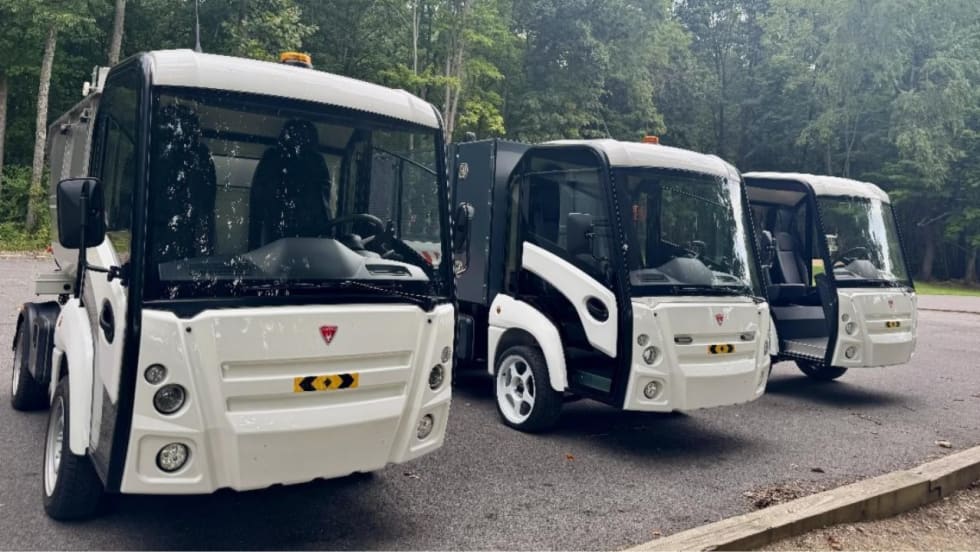
Narro Trucks Introduces Electric Utility Vehicle
Narro Trucks officially launched its operations on Aug. 20 and hosted a ride and drive to showcase its electric truck, which will be produced in Virginia.
Read More →
Samsung SDI Takes Full Control of GM Battery JV as Indiana Plant Pivots to Energy Storage
Samsung SDI is taking full control of its Indiana battery plant with GM, marking a major shift from the EV-focused joint venture Charged Fleet first covered in 2023.
Read More →