




RELATED: Gas vs. Diesel, The Bad Investment Only Fleet Managers Know About
Pros & Cons: Diesel vs. Gas in Class 3-4 Trucks
Choosing between gasoline- or diesel-powered trucks requires striking the right balance between performance, fuel efficiency, and budget.
by Staff
November 3, 2011
The key is determining exactly how the truck will be used and then selecting the engine type that strikes the right balance between performance, fuel efficiency, and budget.
Photo: Getty Images
7 min to read
Gasoline or diesel: Which engine type works best for medium-duty Class 3-4 truck applications?
This is an age-old question without a clear-cut winner. Each offers advantages and limitations. The key is determining exactly how the truck will be used and then select the engine type that strikes the right balance between performance, fuel efficiency, and budget.
What factors should fleet managers consider when deciding between gasoline and diesel engines in trucks with medium-duty, Class 3 and Class 4 (10,001- to 16,000-pound gross vehicle weight rating)? When it comes to work trucks, there is no clear answer to whether diesels are better than gas trucks But, here are nine points to serve as a guide:
1. Diesel vs. Gasoline: Fuel Efficiency
When it comes to vocational work truck fleets, mpg is always top of mind. While not the only consideration to make, understanding the differences in gas vs. diesel mpg is a factor to consider.
According to the U.S. Department of Energy, diesel engines offer from 30% to 35% greater fuel economy than comparable gasoline engines. Truck fleets are always looking for ways to save fuel.
"By design, diesel engines operate with a combustion process that's leaner, burning less fuel than a conventional spark ignition (gasoline) engine," explained Roger Gault, technical director, Truck & Engine Manufacturers Association (EMA), a trade association representing worldwide manufacturers of internal combustion engines used in applications such as trucks and buses; farm and construction equipment; locomotives; marine vessels; and lawn, garden, and utility equipment.
Diesel fuel also has higher energy density than gasoline, which means less fuel is required to generate the same power as gas, improving overall fuel economy and quickly settling the diesel vs. gas mpg debate.
Advantage: Diesel
2. Diesel vs. Gasoline: Acquisition Costs
The diesel engine's fuel efficiency advantage, however, must also be weighed with its bigger price tag. In Class 3-4 trucks, the incremental acquisition cost for the diesel engine is between $5,000 to $8,000 or more than its gasoline counterparts. The diesel/gasoline price gap has nearly doubled over the past seven years due to the exhaust after-treatment technologies developed to comply with Environmental Protection Agency (EPA) regulations for diesel emissions (in 2004, 2007, and 2010).
Will the truck be driven a sufficient number of miles per year to recoup the higher up-front cost for the diesel engine with fuel economy savings? A general rule of thumb for a mileage breakpoint is 30,000 annual miles. Above that number, diesel usually makes financial sense. At or below 30,000 miles, gasoline is a viable lower-cost option. Run a fuel-cost/comparison analysis specific to your truck's application to calculate the payback period to assess whether the diesel engine will generate cost savings, within an acceptable timeframe.
Advantage: Gasoline
3. Diesel vs. Gasoline: Fuel Cost Per Gallon
"Over the past 10 years, diesel has averaged nearly 14 cents more per gallon than unleaded gasoline," said Steve Jansen, truck services account executive, Donlen, a Northbrook, Ill.-based fleet leasing and management company. "At its peak in December of 2008, diesel cost averaged more than 76 cents per gallon more than gasoline. Historically, diesel has been more expensive per gallon as a result of higher taxes and environmental restrictions."
Another benefit of gasoline vs. diesel is availability, according to Michael Macik, a strategic consulting analyst for ARI. "There are certain areas where stations do not necessarily have a diesel pump," he noted. "This could hamper drivers' productivity if they are spending too much time looking for places to fill up."
Advantage: Gasoline
4. Diesel vs. Gasoline: Maintenance Cost
"Over time, regular maintenance on a diesel generally will cost more than a gasoline engine," said Jansen of Donlen. "The diesel engine has components that are either not found on a gasoline engine or require servicing more often. The oil reservoir is larger in a diesel engine and the water separator and fuel filters will require replacement more often. Gasoline engines have longer service intervals for engine oil, spark plugs, and engine coolant."
Gault of EMA agreed: "I think there tends to be greater maintenance with the diesel. Oil capacities tend to be higher. So, if the oil change interval is the same and you have 50% more oil in the diesel, then that tends to be more expensive than gasoline. Also, historically, there has been more maintenance with diesel fuel systems - such as changing filters more frequently."
Advantage: Gasoline
5. Diesel vs. Gasoline: Impact on Engine Longevity
As a frame of reference, according to Brian Tabel, retail marketing manager for Isuzu Commercial Truck of America, the design life of the gasoline engine for Isuzu's NPR cab-forward is 200,000; the diesel engine is B-10 rated for 310,000 miles.
Why are diesel engines expected to last substantially longer than comparable gasoline engines?
"Diesel engines have high-compression ratios and high cylinder pressure and, as a result, require sturdier engine parts - for example, block and cylinder heads, valves, crankshaft, and pistons," said Jansen of Donlen. "This is necessary to dissipate the higher engine temperatures and the higher compression ratios attained in a diesel engine. Also, a diesel engine's exhaust system will outlast a gas engine exhaust system because diesel fuel exhaust is not as corrosive as gasoline engine exhaust."
Gault of EMA pointed to the diesel engine's operating efficiency as another key to its longevity. "The diesel achieves higher torque at much lower speed, so it's operating at much lower rpm [revolutions per minute], a greater percentage of the time than gasoline engines. And the lower engine speed translates into fewer times a piston has to move up and down, the fewer times a valve must close, and so forth. All these things happen lots of times, but not quite as often as it does in a gasoline engine - and that impacts overall life."
Advantage: Diesel
6. Diesel vs. Gasoline: Trailering and Towing
"The diesel engine is a more suitable choice if towing capacity is critical to your operation," Jansen of Donlen advised. "The torque advantage of diesel engines is better suited for pulling heavy loads up steep grades. The relatively high-compression ratio necessary to ignite the diesel fuel (17:1 diesel versus 9:1 gasoline), allows the diesel engine to generate all its torque and power at a lower rpm."
Macik of ARI agreed. "It's all about using the right tool for the job," he said. "While appropriate for certain demands, using a gasoline truck for heavy towing in most cases will result in significantly reduced engine life and increased gasoline consumption."
Do the truck's towing requirements necessitate a diesel engine? Or will a gasoline engine work fine? Consult the manufacturer's rep or fleet advisor for max trailer ratings of the vehicle and engine type under consideration.
Advantage: Diesel
7. Diesel vs. Gasoline: Specialty Body/Equipment Options
Are there body or equipment considerations with gasoline versus diesel?
"Yes, normally with diesel engines, depending on manufacturer, the DEF [diesel exhaust fluid] tank or exhaust pipe may need to be relocated to accommodate equipment," Jansen answered. "In regards to PTO provision availability, normally a PTO prep option is available with diesel engines only. However in recent years, depending on the manufacturer, PTO provisions are being offered on gasoline engines as well."
If your truck equipment requires a PTO, contact the truck manufacturer's rep to confirm the gas truck availability. This will save time and headaches up front, should the gas engine prove incompatible.
Advantage: Depends on upfit requirements
8. Diesel vs. Gasoline: Truck Disposition/Resale
Which is better for resale values?
"The market perceives that a diesel-powered truck with 150,000 miles on it has much more remaining useful life than a gasoline-powered truck with comparable miles. And therefore, the diesel commands a higher price," Jansen of Donlen said.
Macik agrees and added that "there's such a variety of companies and industries that legitimately need diesel trucks for towing and increased payload. Many of these companies are smaller, and, consequently, have a smaller fleet budget - they are going to be looking for used vehicles. This means an opportunity to attract a larger buyer base, increased demand, and therefore command higher premiums."
Advantage: Diesel
9. Diesel vs. Gasoline: Environmental Impact of Fuel
What's the difference between gas and diesel in terms of environmental impact? Which produces fewer emissions? "Historically, diesels struggled with that," said Gault of EMA. "They had higher emissions in terms of particulates and NOx (nitrogen oxide). With the latest round of regulations, the differences between gas and diesel are pretty much non-existent. If you're buying the new product that meets the latest emissions standard, I'm not sure there is a differentiating level [in emissions] at all."
Tabel of Isuzu agreed: "Both [gas and diesel emissions] are about the same since the 2010 EPA diesel emissions requirements have been implemented."
Jansen of Donlen pointed to diesel's fuel economy advantage as the equalizer with emissions. "Diesel as a vehicle fuel emits more greenhouse gas emissions when consumed than unleaded gasoline, but its higher energy content per gallon results in higher fuel efficiency," he said. "Therefore, in similarly equipped vehicles, a diesel vehicle can go further on a single gallon of fuel than a similar truck on gasoline. As a result, diesel's greenhouse gas emissions are comparable to those of a gasoline engine due to the increased fuel economy."
Advantage: Comparable
Subscribe to Our Newsletter
More Fuel

The Smart Way to Build a Mixed-Energy Fleet Isn’t About Picking a Side
Mixed-energy fleets aren’t about picking a winning fuel. Sarah Booth of WEX explains how vehicle data, duty cycles, charging strategy, and real-world costs can help fleets choose the right energy source for each job.
Read More →
Ignoring This Dashboard Warning Could Cost Your Fleet Thousands in Fuel
New research suggests neglected diesel aftertreatment systems could waste up to $30 in fuel per vehicle each day. Here's why vocational fleets should pay attention.
Read More →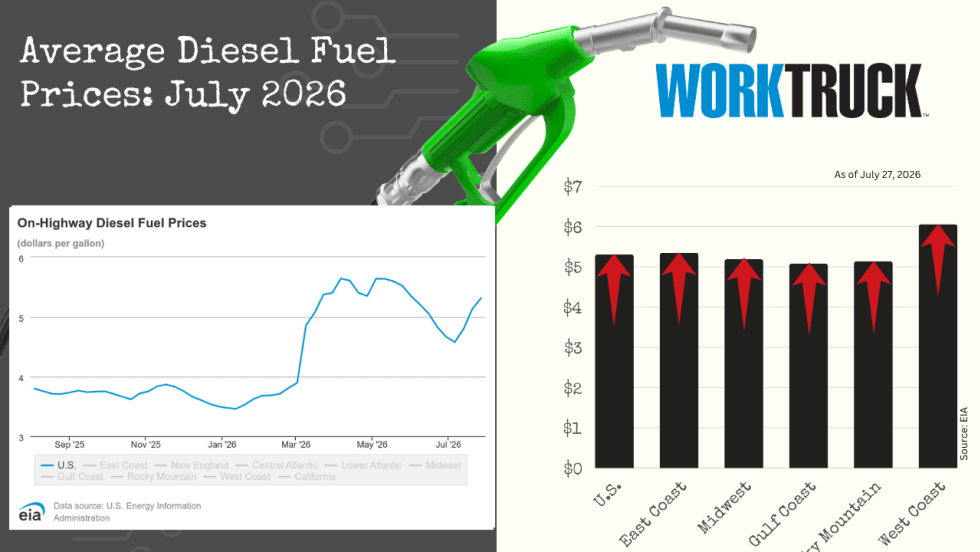
July Diesel Trends Update
The average price of a gallon of diesel increased again this week, and the EIA reported a new national average of $5.31 at the start of the week.
Read More →
WEX Brings Standard Fleet's Connected Vehicle Platform to Fleet Customers
This week’s product launch with Standard Fleet’s connected vehicle platform reflects WEX Venture Capital's strategy of turning startup innovation into customer solutions. Standard Fleet is now available to WEX fleet customers.
Read More →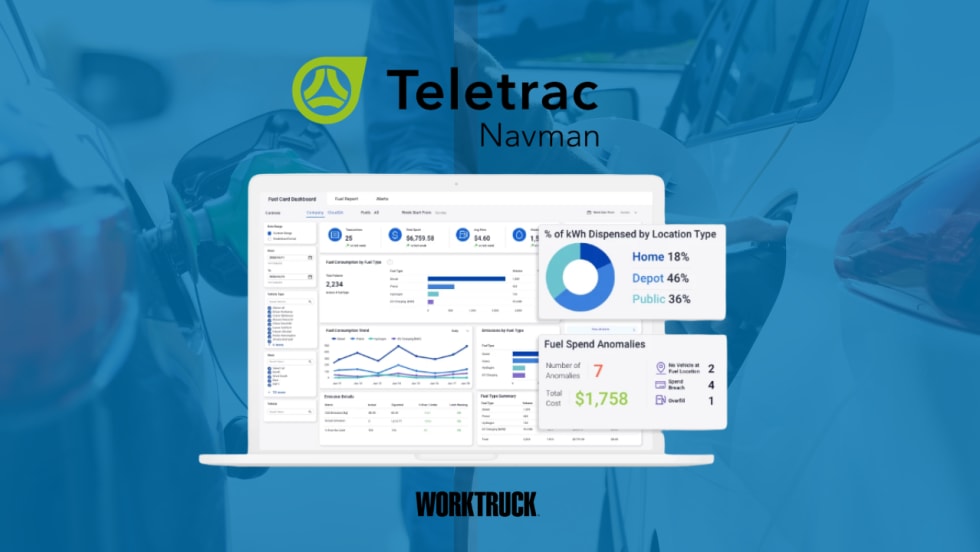
Teletrac Navman Adds Mixed-Energy Fleet Tools to TN360
The new Energy Hub combines fuel transactions, EV charging data, vehicle range, and energy costs in one dashboard for fleets operating multiple vehicle and energy types.
Read More →
WEX DriverDash adds CITGO, Expands Nationwide Access for Fleets
The DriverDash mobile payment app, by WEX, has been integrated into the CITGO merchant network, which means WEX has expanded its U.S. station footprint with the addition of approximately 4,000 CITGO locations.
Read More →
Mixed Energy Fleet Tips for Balancing EVs, Gas and Diesel Vehicles
Mixed energy fleets are becoming the new normal. Learn how fleet managers are balancing EVs, gas and diesel vehicles while controlling costs and planning for the future.
Read More →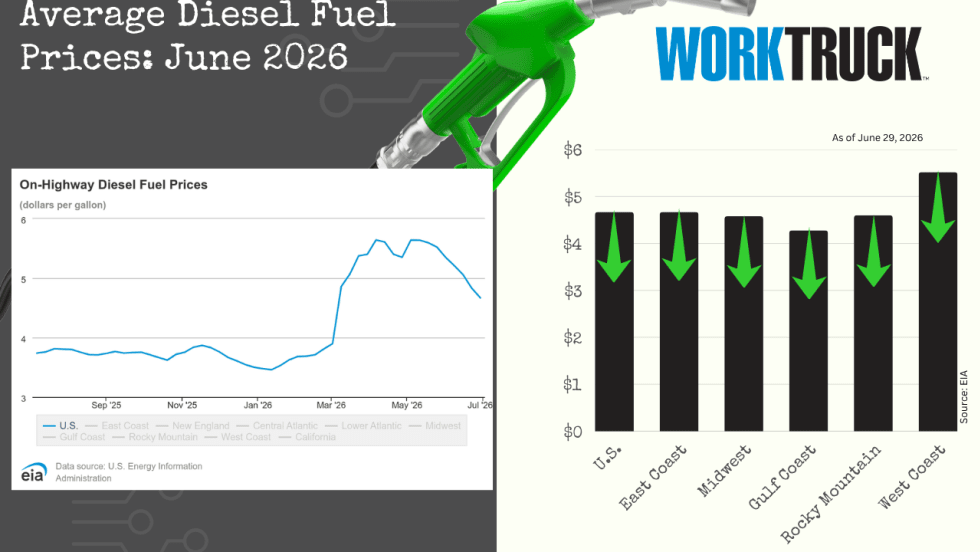
June Diesel Trends Update
The national average price of a gallon of diesel has dropped again, this week by more than 16 cents. All five regions reported lower average prices, ranging from almost 13 cents to more than 28 cents cheaper than a week ago.
Read More →
RoadFlex Launches RoadFlex Direct Open API Platform
RoadFlex Direct connects fuel cards, controls, and data to the telematics and fleet management systems fleets already run, from Geotab and Samsara to Fleetio and RTA, with no separate dashboard or double data entry.
Read More →
The Key to Fuel Efficiency Sits in the Cab
Learn how driver behavior, telematics, coaching, and fuel data can help fleets improve fuel efficiency, lower costs, and reduce emissions.
Read More →