




Tips for Reducing Truck Acquisition Costs
One of the easiest ways a fleet manager can reduce truck acquisition costs is not over-spec’ing for fleet needs. But, there are a few out-of-the-box ways of thinking to further reduce costs.


Image from Getty Images
One goal truck fleet managers often have on their perennial “to-do” list is to continuously reduce their acquisition costs.
The initial monetary outlay to purchase new vehicles can be hundreds of thousands of dollars for larger fleets, or those with medium- and heavy-duty trucks or specialty equipment and upfits.
Finding ways to continue reducing acquisition costs, while ensuring the fleet can complete its job mission, is a daunting task.
Smart fleet managers take this as a challenge and stay focused, constantly looking for even small changes that can have big results.
Over-Spec’ing to Higher Acquisition Costs
The most common way that fleet managers drive up their acquisition costs is by over-spec’ing their vehicles for the jobs they will need to accomplish.
“Fleet managers who really understand their specific needs and uses of the truck have the best chance with reducing acquisition costs,” said Chris Hoolehan, director of fleet and government sales for GM Fleet. “It’s really easy to over-spec a truck, which leads to unnecessary costs. For example: is four-wheel drive really needed or will two-wheel drive suffice? What’s the needed gross vehicle weight (GVW) for the task at hand?”
One way to be sure you don’t over-spec for the fleet’s needs is by taking the time to fully dissect and review truck specs. Don’t assume the same specs will always fit your fleet needs year over year.
“The first thing fleet managers can do to reduce acquisition costs is review their spec with a fine-tooth comb. Many times there is optional equipment spec’ed that really isn’t needed and can add up very quickly,” said Kurt Swihart, marketing director for Kenworth.
Understanding the job the trucks need to accomplish is necessary to properly spec’ing a truck, reducing a fleet’s overall acquisition costs. One way to be sure you spec properly for the job is to look at routing and loads.
“Look at the route the truck will be driving and determine the best truck for the route and load type. Look at all the factors regarding where the truck will be driving in and looking in selecting a truck that can maneuver the route,” said Brian Tabel, executive director of marketing for Isuzu Commercial Truck of America (ICTA).
And, one reason routing can be extremely important is due to the large cost difference between gasoline and diesel trucks.
“Select the correct powerplant. Trucks that will be driving routes more than 25,000 miles should look at diesel. For routes less than 25,000 miles, gasoline might be the better option,” Tabel added.
When purchasing a fleet of work trucks, it’s important to make solid choices to keep cost down.
“Start by choosing the specs necessary for completing the job and not wasting resources on any excess add-ons,” said Larry Smith, director of fleet sales for Mitsubishi Fuso Truck of America.
Always receive quotes from multiple reputable companies to negotiate your best deal, and consider trade or end-of-life values for the trucks.
“And make sure you are getting the best warranty available at the lowest cost. Not only will that keep your purchase price down, it will ensure long-lasting vehicles for your fleet, with optimum cost of ownership,” Smith said.
Out-of-the-Box Options for Cost Reduction
There are several other ways fleet managers can reduce their overall acquisition costs that may not immediately come to mind. One such option fleets can use is truck leasing.
“Leasing can lower the amount of capital required up-front and takes away some of the responsibility of owning a truck. Because of the increasing interest in leasing, Kenworth has recently launched a program that makes leasing more affordable and includes van body liftgate upfits,” noted Swihart of Kenworth.
Financing options can also help reduce overall acquisition costs.
“Fleet managers can work with our sales representatives to create a finance program tailored to their business’ unique need, such as skip payments for seasonality. The specifics of the program developed for your fleet may help reduce both acquisition and operational costs. Another option is setting up a line of credit before you need it, which may save time and can free up operating lines of credit for normal business expenses,” said Kary Schaefer, general manager, marketing and strategy for Daimler Trucks North America.
Leased and finance equipment can reduce a fleet’s trade or turnover cycle, which, according to Schaefer, may decrease expenses associated with fleet upkeep.
Cost negotiations are another area that can result in large reductions in acquisition costs.
Mercury Associates, a fleet consulting firm, recommended that factory-paid dealer delivery fees should also be negotiated along with receipt of national fleet or retail incentives (whichever is lower). Once a transparent net price is established, negotiate a reasonable flat fee of profit for the dealer.
Also, look for a partner who can help with all parts of the process.
“Work with lenders who can finance the truck, body, and additional equipment into one package to reduce time and paperwork,” Schaefer added.
Telematics use can also impact acquisition costs. System installation can add up, and several providers have teamed up with automakers to provide already-installed telematics solutions.
“Fleet managers can also look at which needed features are standard, optional, or need to be purchased in the aftermarket. For example, fleet managers who use telematics services would be attracted to embedded telematics hardware, which comes standard, rather than having to buy and install aftermarket hardware,” said Hoolehan of GM Fleet.
Another area to save costs, according to Swihart, is at the upfitter.
“Sometimes saving $1 on the vehicle purchase price can cost $5 at the upfitter. For example, Kenworth offers an optional custom frame layout that allows the fleet manager/body builder to spec exactly where they want frame-mounted components to be located on their truck. This means no moving air tanks, fuel tanks, batteries, etc., after the truck has already been built. We strongly encourage the fleet manager or dealer to work closely with the body company to make sure the spec is correct the first time,” Swihart said.
Finally, one area where a fleet can reduce acquisition costs is by reducing the fleet’s size. Replacement cycling needs to change as fleet needs and truck use changes.
Take a look at your fleet and check to ensure that each vehicle is being used at its utmost capacity. If there are vehicles in your fleet that are not used fully, or areas where one truck may be able to do the job of two under used vehicles, take this into consideration during the next acquisition cycle.
Keep an Eye on the Big Picture
It’s important to remember that acquisition costs are only a part of the fleet budget; total cost of ownership should also be considered.
“Look at all the cost and run a total cost of ownership calculator to determine what the truck will cost for the life of the truck,” said Tabel of ICTA.
Hoolehan of GM Fleet agreed. “Overall, acquisition cost is important but it’s only one portion of the equation when it comes to budgeting for fleets. A truck might have a slightly higher acquisition cost but can be a value throughout the ownership of the vehicle due to maintenance, operating, and warranty costs; along with fuel economy and residual value,” he said.
More Operations

Shades of Fleet Wants to Hear From You About Building a Culture of Care
Fleet leaders, we want to hear from you. Share how empathy, trust, and creating space for people can strengthen your team, improve performance, and support retention.
Read More →
What Racing Can Teach Work Truck Fleets About the Work Nobody Sees
Race car driver and mechanical engineer Isaac Johnson shares practical lessons on preparation, relationships, setbacks, and building teams that perform when it counts.
Read More →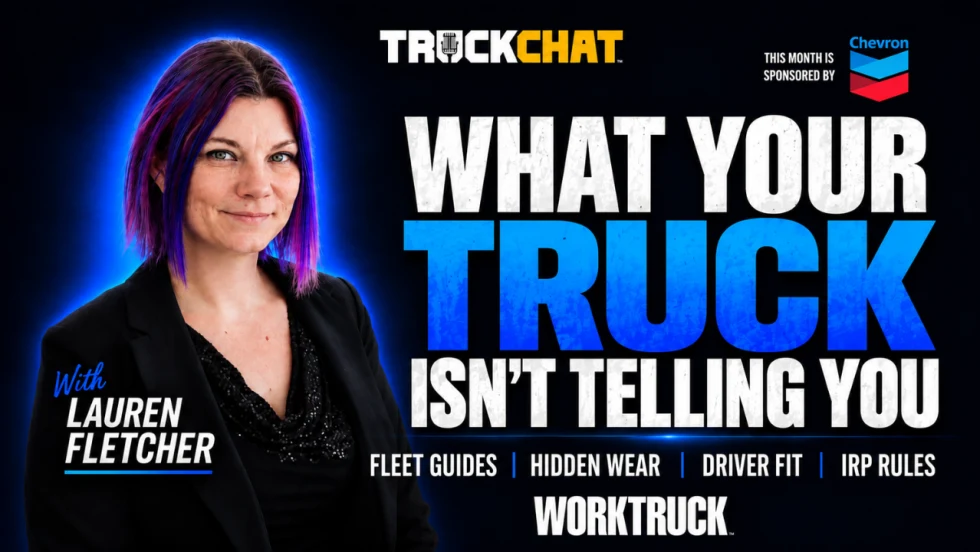
New Fleet Guides, Hidden Truck Wear, and Driver Fit Lead This Month
Our latest Truck Chat recap covers new Fleet Guides, hidden idling costs, driver fit, lighter-truck registration rules, and year-round technician appreciation.
Read More →From Our Partners
Basic Tracking vs Next Generation Fleet Technology
Sponsored by AT&T Business

5 Facts Every Fleet Manager Should Know About Embedded Telematics
Sponsored by Stellantis/Mobilisights
How AI Video Telematics Boosts Driver Safety and Helps to Avoid Unnecessary Costs
Sponsored by Verizon Connect

Charting the 8 Bottom-Line Benefits of Workforce Optimization
Sponsored by Verizon Connect


Work Truck Takes Fleet Rivalry Downhill to Support Skilled Trades
Team Fletcher claimed a head-to-head win and second overall as Work Truck and Automotive Fleet helped raise $22,000 for the Hourglass Foundation.
Read More →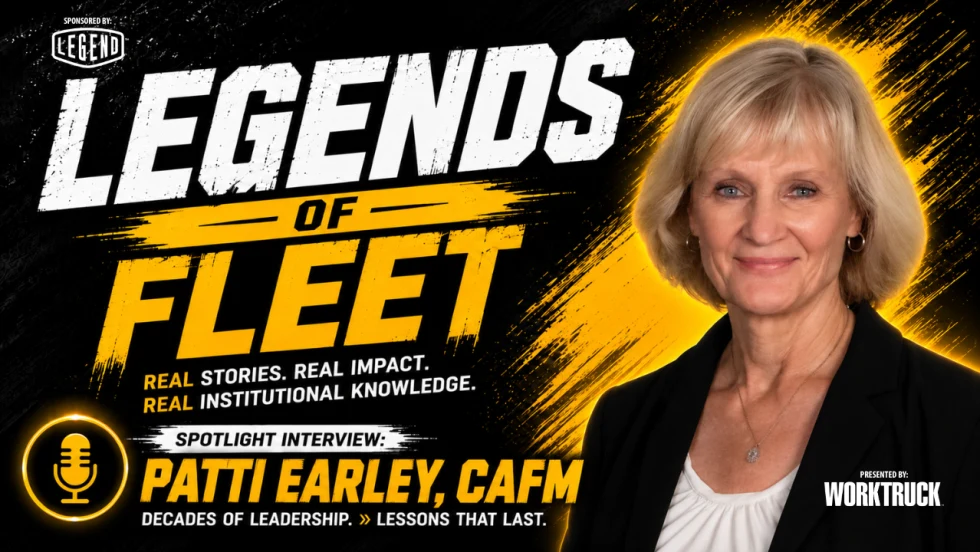
From Ledger Books to AI Patti Earley Shares 40 Years of Fleet Lessons
Patti Earley, CAFM, shares what four decades in fleet have taught her about using data, building relationships, and listening to the people behind the vehicles.
Read More →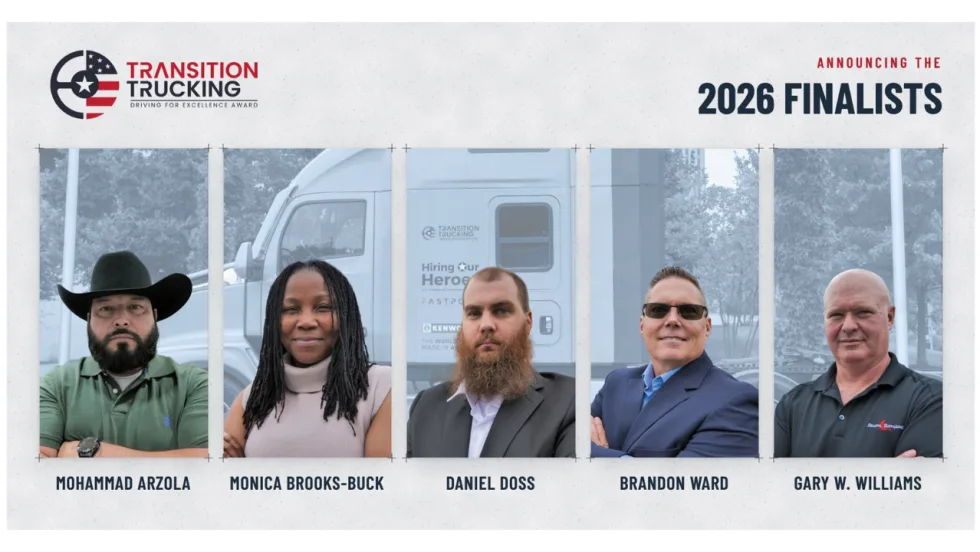
Finalists Announced for 2026 Transition Trucking: Driving for Excellence Award
Kenworth Truck Company, Fastport, and the U.S. Chamber of Commerce Foundation's Hiring Our Heroes program have announced the five finalists for the 2026 Transition Trucking: Driving for Excellence Award.
Read More →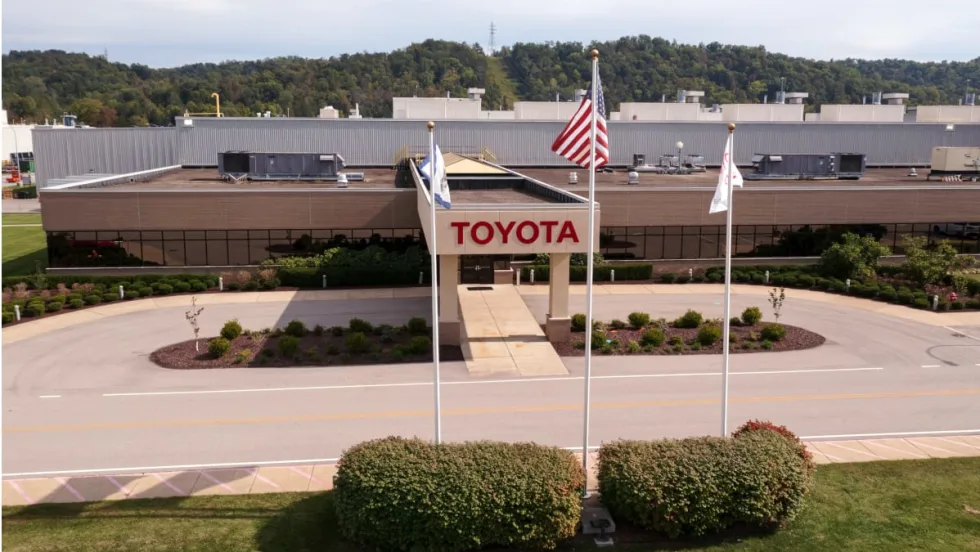
Toyota West Virginia Celebrates Three Decades of Manufacturing in the Mountain State
Toyota West Virginia celebrated 30 years of manufacturing. Toyota assembles both engines and drivetrain components in West Virginia to support its North American operations.
Read More →
The Hidden Cost of Idling
A low-mileage truck can still be one of the fleet’s hardest-working and most worn assets. Engine hours, idle time, and duty cycle reveal what the odometer misses.
Read More →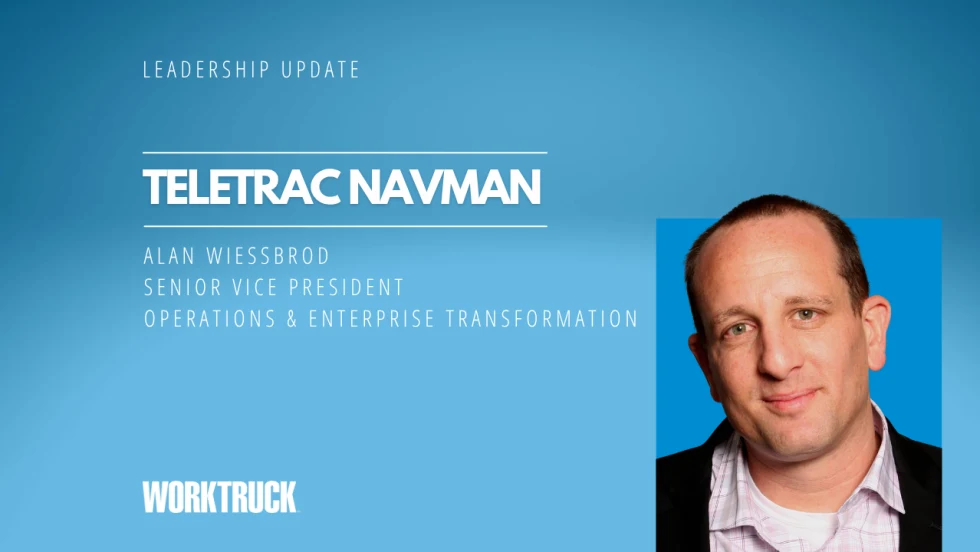
Teletrac Navman Hires SVP of Operations & Enterprise Transformation
Teletrac Navman has appointed Alan Wiessbrod to its senior leadership team as senior vice president, operations and enterprise transformation. The company said he has a strong track record of delivering profitable growth and operational excellence.
Read More →
2027 GM Trucks, Technician Retention, and Fleet Lessons Lead This Week’s News
New GM pickups, technician retention, fleet leadership lessons, winter equipment, and more headline this week’s Truck Chat Weekly Cheat Sheet.
Read More →