




Maximizing Fleet Efficiency: Best Practices for Strict Preventive Maintenance
Pros and Cons of Outsourcing Fleet Maintenance for Work Trucks
The decision to outsource maintenance is a strategic choice that demands careful consideration. We have the pros and cons to help make an informed decision.

Hillary Weiss・Senior Editor
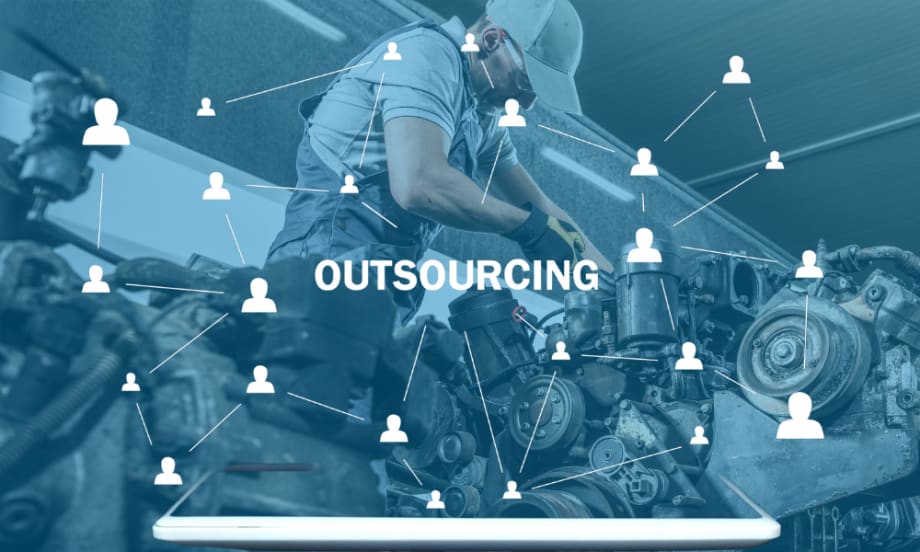
The pros and cons of outsourcing work truck maintenance.
Photo: Work Truck
3 min to read
When it comes to keeping track of truck maintenance, fleet managers often find themselves at a crossroads when deciding on the best approach.
One option that has gained prominence is outsourcing fleet maintenance.
While this strategy can offer numerous benefits, fleet managers need to weigh the pros and cons carefully.
Let’s dive into the intricacies of outsourcing fleet maintenance for work trucks to empower fleet managers with the knowledge to make informed decisions.
The Pros of Outsourcing Maintenance
Outsourcing fleet maintenance offers many benefits that can impact the efficiency and cost-effectiveness of managing a fleet of work trucks.
The following pros are:
Expertise and Specialization: Outsourcing fleet maintenance brings a specialized skill set. Professional maintenance providers often have dedicated teams with expertise in handling a diverse range of work trucks. This specialization ensures that vehicles receive top-notch care, enhancing their longevity and performance.
Cost Predictability: One of the key advantages of outsourcing maintenance is cost predictability. Fleet managers can establish fixed budgets, eliminating the uncertainties associated with in-house maintenance, such as unexpected repairs or equipment failures. This predictability aids in better financial planning for the entire fleet.
Access to Advanced Technology: Maintenance service providers frequently invest in state-of-the-art diagnostic tools and technologies. Outsourcing allows fleet managers to leverage these resources without incurring hefty upfront costs. This access to advanced technology can result in more efficient maintenance practices and reduced downtime for work trucks.
Focus on Core Competencies: By outsourcing maintenance tasks, fleet managers can redirect their focus and resources toward core competencies, such as optimizing routes, improving logistics, and enhancing overall fleet management strategies. This shift allows for a more streamlined and efficient operation.
Reduced Administrative Burden: Managing an in-house maintenance team involves administrative tasks, such as hiring, training, and workforce management. Outsourcing eliminates these burdens, allowing fleet managers to redirect their energy towards strategic decision-making and overall fleet optimization.
The Cons of Outsourcing Maintenance
While outsourcing fleet maintenance can offer numerous advantages, it also presents challenges that fleet managers must navigate.
The following cons for outsourcing maintenance are:
Loss of Control: One of the primary concerns associated with outsourcing is the potential loss of control over the maintenance process. Fleet managers may feel detached from day-to-day operations and face challenges in ensuring that service providers align with their specific standards and expectations.
Risk of Service Quality Discrepancies: Depending on the chosen service provider, there may be variations in the quality of maintenance services. Fleet managers must carefully vet potential partners to mitigate the risk of subpar maintenance practices that could negatively impact work truck performance and reliability.
Dependency on External Factors: External factors, such as the financial stability of the maintenance provider or fluctuations in the broader economy, can affect the outsourcing arrangement. Fleet managers must assess these external risks and implement contingency plans to safeguard against potential disruptions.
Potential Communication Challenges: Effective communication is vital for successful fleet management. When maintenance is outsourced, there's a risk of miscommunication or delays in information flow between the fleet manager and the service provider. Establishing clear communication channels is essential to mitigate this risk.
Choosing the Right Decision for Your Fleet’s Needs
The decision to outsource maintenance is a strategic choice that demands careful consideration.
Fleet managers must weigh the benefits of specialized expertise, cost predictability, and access to advanced technology against the potential drawbacks of loss of control, service quality discrepancies, and external dependencies.
By making informed decisions, fleet managers can navigate the road ahead with confidence, optimizing their work truck fleets for peak performance and longevity.
Subscribe to Our Newsletter
More Maintenance
Les Schwab Expands Commercial Tire Footprint Into Arizona
Les Schwab Tires has expanded into Arizona with two commercial tire locations in Phoenix and Tucson, strengthening its fleet service footprint in the Southwest.
Read More →
Volvo Trucks’ 'Lock and Leave' Software Updates Go Live Across North America
Unattended over-the-air software updates are now available in Volvo trucks across the U.S. and Canada. The new capability lets trucks stay current with the latest software without interrupting operations or requiring a dealership visit.
Read More →
Why Technician Appreciation Can’t Be a Once-a-Year Thought
For fleets trying to keep skilled technicians, recognition cannot begin and end with Technician Appreciation Week. Learn what year-round appreciation really looks like and why the everyday technician experience matters just as much as pay when fleets are trying to keep good people.
Read More →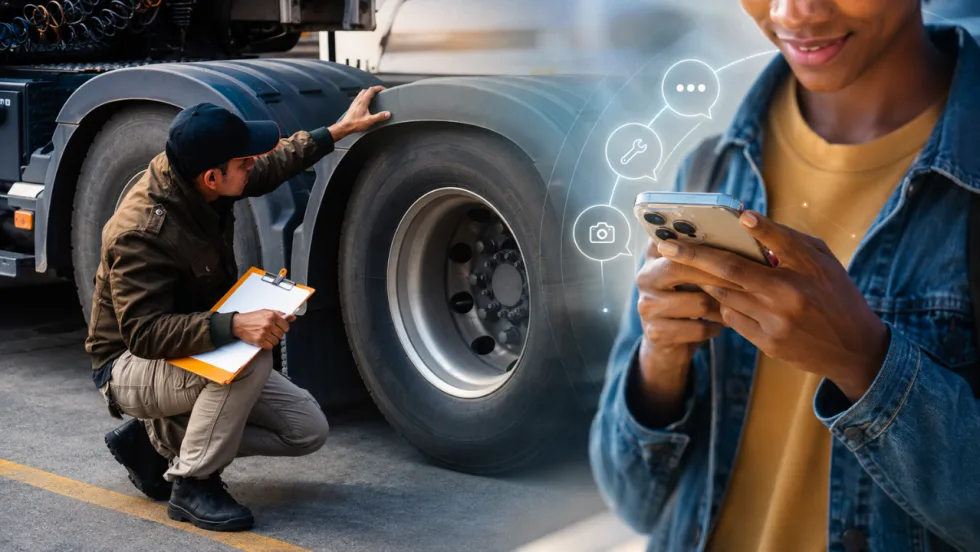
How Faster Driver Reporting Can Keep Small Truck Problems Small
When minor damage, warning lights, or equipment issues are reported late, small problems can quickly become bigger maintenance headaches. Conversational AI can help shorten the path from what a driver notices in the field to the person who can act on it.
Read More →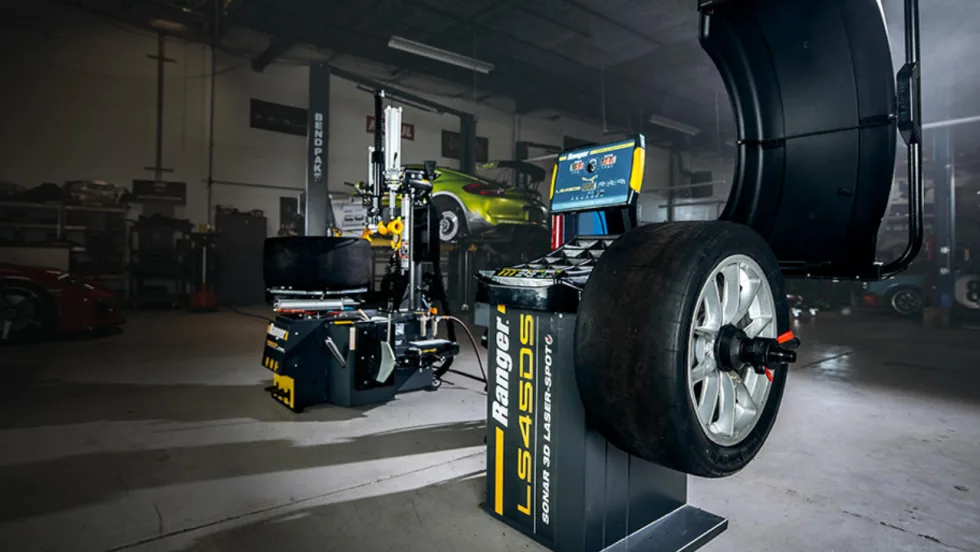
BendPak’s Ranger Wheel Service Equipment Achieves North American Safety Certification
BendPak’s full line of Ranger tire changers and wheel balancers has been ETL certified to UL and CSA standards to improve operator safety.
Read More →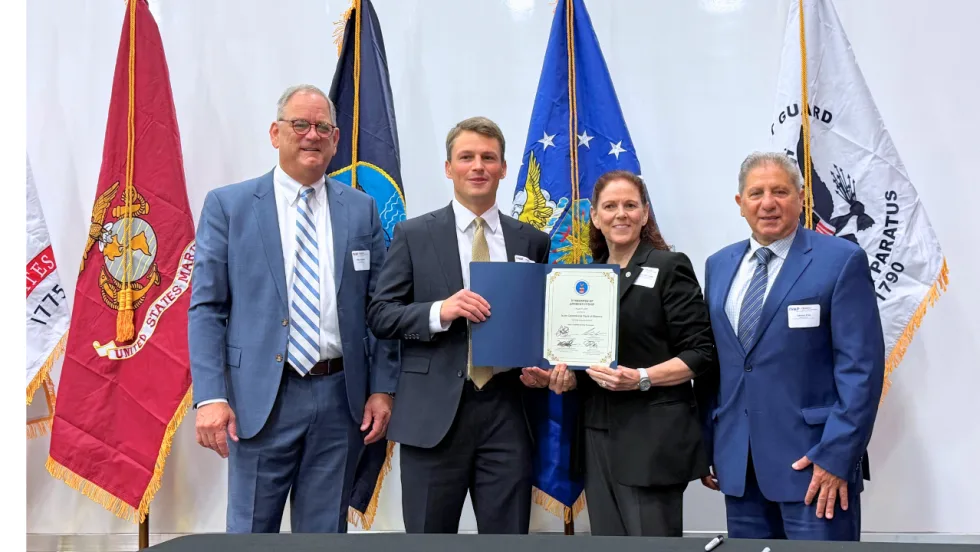
Isuzu & U.S. Department of Labor Celebrate Milestone for Veterans Apprenticeship Program
The Isuzu Veterans Apprenticeship Program (IVAP) signing ceremony highlighted Isuzu’s long-term commitment to veterans, Isuzu dealers, and the skilled workforce supporting its customers and the commercial transportation industry.
Read More →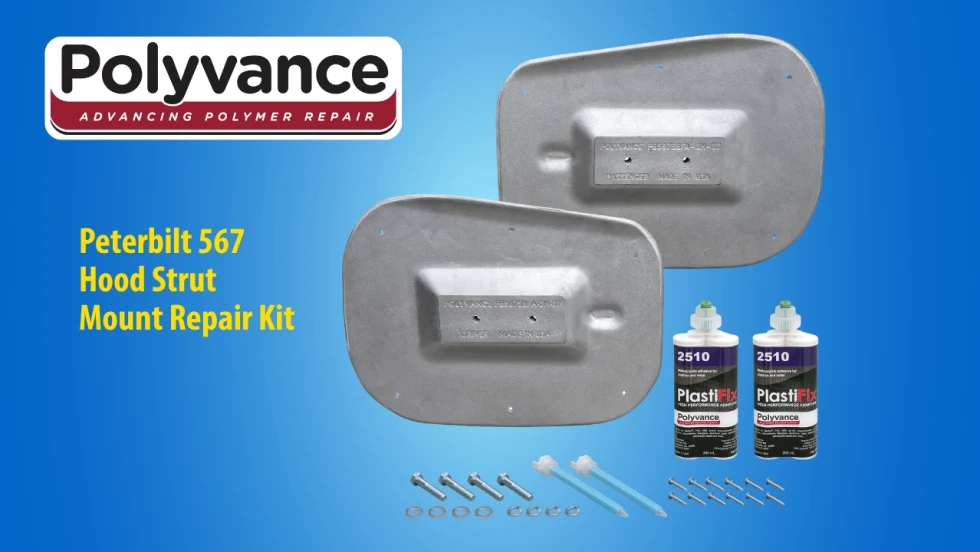
Polyvance Introduces New Peterbilt 567 Hood Strut Mount Repair Kit
Polyvance has launched a repair solution for Peterbilt 567 hood struts, helping truck owners and repair facilities avoid costly hood replacements.
Read More →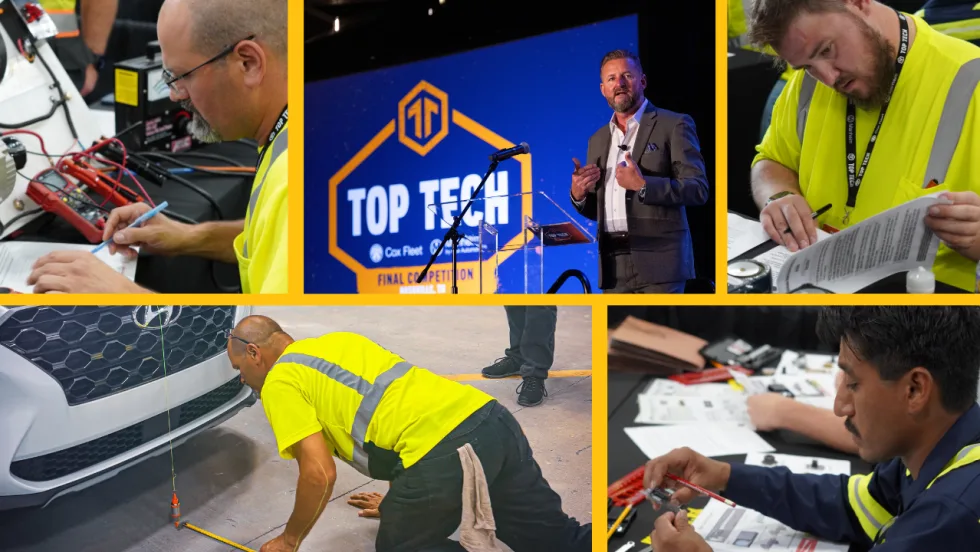
Cox Automotive Celebrates Technical Excellence at 2026 Top Tech Finals
The top technicians from Cox Fleet and Manheim tested their skills in Nashville, Tennessee, at Cox Automotive’s 2026 Top Tech Finals. The overall winners will advance to compete at the American Trucking Association’s TMC SuperTech competition.
Read More →
Grote Industries Appoints Vice President of North American Operations
Grote Industries has appointed Patrick Smith as vice president of North American operations as it celebrates 125 years of innovation and manufacturing excellence. He has more than 20 years of manufacturing leadership experience.
Read More →
Winter Fleet Prep: Expert Tips to Keep Vehicles Running Smoothly
Cold weather can expose weak batteries, tires, fuel systems, and maintenance gaps fast. Use this winter fleet checklist to prepare trucks and drivers before temperatures drop.
Read More →