




On the Road to Recovery: Commercial Drivers and Cold Meds
During the cold and flu season, commercial motor vehicle drivers often take medications for respiratory illnesses. However, some of these medications can cause side effects that create safety risks.


If the driver’s condition or medicinal side effects call into question the ability to safely drive a CMV, the driver can’t be dispatched.
Photo: J.J. Keller
It’s the season for respiratory illnesses, and many of your employees and commercial motor vehicle drivers may be coming to work under the weather. They may feel ill but not bad enough to stay home, so they medicate.
However, using some prescriptions or over-the-counter medications to relieve symptoms can create safety risks when operating a commercial vehicle or truck.
Common Side Effects of Medications for Respiratory Illnesses
When suffering from a respiratory ailment, employees need to be aware of the potential side effects of medications.
Depending on the specific drug, a person may experience one or more of the following:
Drowsiness
Dizziness
Upset stomach
Blurred vision
Headache
Nervousness
Fast heartbeat
Increased blood pressure
Loss of appetite
Sleep problems
And, of course, employees should always check for interactions with any other medications they are taking.
Guidelines for Ill and Fatigued Commercial Motor Vehicle Drivers
A driver is prohibited from operating a CMV when impaired or likely to become impaired through fatigue, illness, or any other cause.
If the driver’s condition or medicinal side effects call into question the ability to safely drive a CMV, the driver can’t be dispatched.
This regulation holds both the motor carrier and driver accountable, so:
The driver is responsible for notifying the carrier when too ill or fatigued to be safe,
Motor carriers must not pressure drivers to endanger themselves and others when not feeling up to operating a vehicle, and
Supervisors must be observant and identify drivers who should be pulled off the road.
Understanding Prohibited Drugs in the Federal Motor Carrier Safety Regulations
There is no official list of prohibited drugs in the Federal Motor Carrier Safety Regulations (FMCSRs). Instead, the regulations reference the Schedules of Controlled Substances appearing in the Drug Enforcement Administration (DEA) regulations (21 CFR 1308).
DEA’s Schedule I is the only drug list prohibited in the FMCSRs, with no exceptions. Marijuana is on this list, and it is prohibited even when permitted under state law. Use of all other schedules of controlled substances is based on what the prescribing doctor said about its use. In other words, the driver is explicitly told it won’t interfere with the ability to operate a CMV safely. This stipulation appears in the general safety rules (392.4) and driver physical (391.41), both of which apply to all CMV drivers.
Drivers operating CMVs requiring a CDL are given the same exception (382.213).
Over-the-Counter Medications and Their Impact on Safe Driving
Over-the-counter medications are also included in 392.4 if they affect a driver’s ability to operate a CMV safely. Many cold medications have side effects that cause drowsiness.
A motor carrier must pull a driver from operating a CMV if there is a safety risk.
The state of Oregon recently enacted a law that considers the use of over-the-counter medications, such as NyQuil, as a possible cause of DUI.
Alcohol in Medications and Its Effects on Commercial Drivers
Commercial drivers must be careful when using any medication containing alcohol. Cold-and-flu medications and cough syrups have been known to contain 10 percent alcohol to help dissolve the ingredients. This is equal to 20-proof liquor. Often, the alcohol interacts with the other active ingredients in the medications to make the user sleepy, groggy, and/or dizzy.
The regulations are clear regarding alcohol use, whether included in cold medicine or consumed as a beverage. Drivers are prohibited from:
Consuming alcohol within four hours of coming on duty;
Consuming alcohol or having any measurable concentration while on duty or in physical control of a CMV; and
Carrying any unmanifested alcohol (including medicine) on the CMV.
Closing Thoughts
During the cold and flu season, make sure your drivers understand the limitations placed on them when using medication.
A mistake in judgment is more than a violation of the FMCSRs. It may be a crash waiting to happen.
More Safety
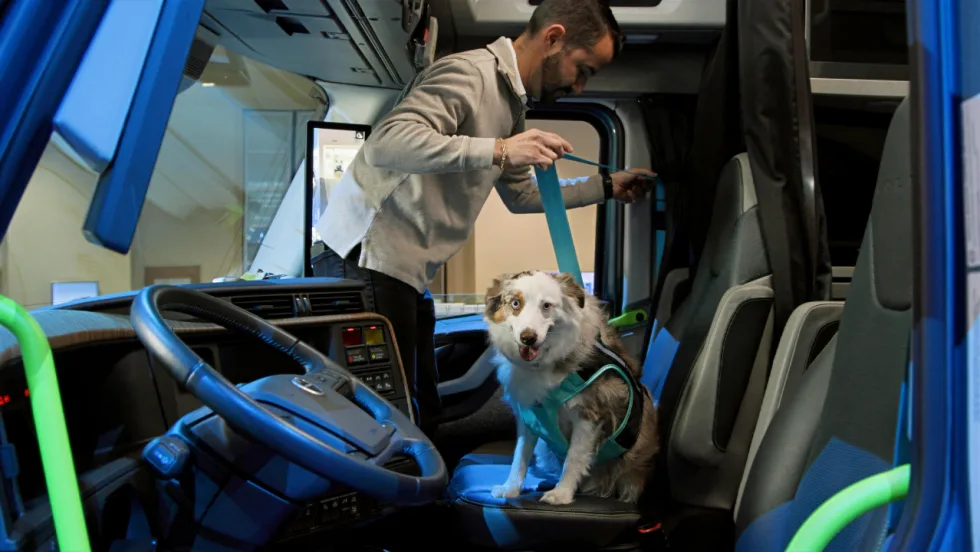
Volvo Trucks Releases New Safety Recommendations for Traveling with Pets
One of the most important recommendations for professional drivers traveling with pets is to ensure pets are properly restrained while the truck is moving. Other tips are available in the new guide from Volvo Trucks North America and Center for Pet Safety.
Read More →
API Issues Refueling Safety Guidelines
The American Petroleum Institute offers a list of safe vehicle refueling guidelines, including ways to avoid potential problems with static electricity discharges in fall, winter, and early spring.
Read More →
Winter Fleet Prep: Expert Tips to Keep Vehicles Running Smoothly
Cold weather can expose weak batteries, tires, fuel systems, and maintenance gaps fast. Use this winter fleet checklist to prepare trucks and drivers before temperatures drop.
Read More →
When a Work Truck Breaks Down, the Job Can Stop, Too
A work truck breakdown can stop more than the vehicle. Discover how payloads, jobsites, and specialty equipment change the roadside response.
Read More →
What Stronger Long-Term Fleet Service Partnerships Actually Require
Fleet service partnerships rarely fall apart all at once. Learn the three warning signs that trust is eroding and what fleets and providers can do before downtime, frustration, and lost revenue follow.
Read More →
Applause & TRUCE Software Partner to Improve Driver Safety Through AI-Powered Telematics & Employee Performance Management
Applause has integrated TRUCE driving metrics directly into its employee-first performance and safety platform that transforms mobile devices into AI-powered telematics.
Read More →
How Detroit Assurance with Active Brake Assist Works
Do you want to see what it is like to experience Detroit Assurance’s Active Brake Assist? In this video, Work Truck will put you in the cab to see how it all works and then hear more details from DTNA’s Mike Young.
Read More →
Get Left of Loss: A 5-Step Workplace Violence Prevention Framework for Fleet Operators
Violence risks do not stop at the driver’s door. Learn five practical steps fleets can take to spot threats early and protect workers before loss occurs.
Read More →
How Better Visibility Cut Speeding Violations by 48%
Fleet leaders don't need more data, they need clearer visibility into what the data is saying. This case study explores how one utility replaced speeding-event counts with a single metric — miles driven in violation — to strengthen safety and significantly reduce speeding violations.
Read More →
13 Safe Driving Tips for Commercial Vehicle Drivers
Make sure you are spending time on the road safely with these important tips.
Read More →