





Do You Know? Top 5 CDL Drug & Alcohol Clearinghouse FAQs
Changes to Pre-employment Investigations for Drug and Alcohol Program Violations Now in Effect
The rules have changed regarding how fleets check potential drivers' drug and alcohol testing history.
November 10, 2022

Beginning January 6, 2023, the Clearinghouse will have three years’ worth of recent history compared to what was requested directly from previous employers.
Photo: Work Truck
3 min to read
Beginning Jan. 6, 2023, one of the categories of questions appearing on the Federal Motor Carrier Safety Administration safety performance history inquiry will be removed. Motor carriers will no longer have to ask former employers questions about Part 382 violations.
What is Part 382? This is part of the Code of Federal Regulations covering Transportation, Title 49. This title is broken into seven chapters. Chapter 3 covers FMCSA and Department of Transportation, parts 300-399.
Part 382 covers controlled substances and alcohol use in testing. According to the FMCSA, "The purpose of this part is to establish programs designed to help prevent accidents and injuries resulting from the misuse of alcohol or use of controlled substances by drivers of commercial motor vehicles."
Are Safety Performance Histories Still Required?
Yes, motor carriers will still need to contact a driver’s former FMCSA employers from the past three years to confirm the following:
General employment verification, typically confirming that the employee worked there, dates of employment, vehicles operated, and the like;
DOT crash history within the previous three years. These are accidents as defined in §390.5 and appearing on the former employer’s accident register (§390.15); and
Other accidents not qualifying as DOT crashes that the former employer is willing to provide (not mandated to do so). These might be minor fender benders that show a pattern of unsafe driving.
Additional questions on the inquiry are only permitted if they do not violate state and federal employment laws.
How do you Learn of FMCSA Testing Violations?
Violations occurring under Part 382 are captured by the CDL Drug and Alcohol Clearinghouse. Pre-employment queries of the database will reveal drivers who have not yet completed the return-to-duty process and/or follow-up testing plan.
There has been an overlap between the Clearinghouse query and the safety performance history inquiries since the database’s launch in 2020.
Beginning Jan. 6, the Clearinghouse will have three years’ worth of recent history compared to what was requested directly from previous employers.
How do Carriers Discover DOT Testing Violations in Other Modes?
Motor carriers must contact former employers directly when an applicant:
Worked in a mode other than highway in the previous three years, and
Was subject to DOT testing.
Examples include rail, transit, pipeline, air, or maritime positions.
The motor carrier must ask the former employer the questions appearing in §40.25(b). A violation occurring under another DOT mode follows the employee to the highway mode and requires the return-to-duty process and follow-up tests (§382.501(a)).
Copies of Testing Records
The process of requesting additional information or copies of records does not change with the new safety performance history format.
If previous drug and alcohol history reveals a DOT testing violation but no indication of a completed follow-up testing program, the new employer must request information from the former employer to learn where the process left off.
The new carrier will need a copy of the substance abuse professional’s follow-up plan and a record of completed tests. The specific records, additional questions, and the parties requesting and releasing the information must be identified when the driver signs a written consent.
Planning Ahead & Key Dates to Know
In preparation for Jan. 6, the motor carrier should consider the following measures:
Train everyone involved with vetting drivers on the new process,
Make sure safety performance history forms are updated, and
Communicate with service agents who provide driver qualifications and/or drug and alcohol services to ensure they are aware and ready to implement the new requirements.
Even though the prescribed method of gathering data on prospective and new drivers has changed, the information has not. Motor carriers must still act on what they receive.
Do you truly understand driver exceptions? Or what the entry-level driver training (ELDT) requirements are? What about the top most frequently asked questions about emergency equipment? Work Truck has all of the top updates, resources, and more.
Subscribe to Our Newsletter
More Safety & Compliance
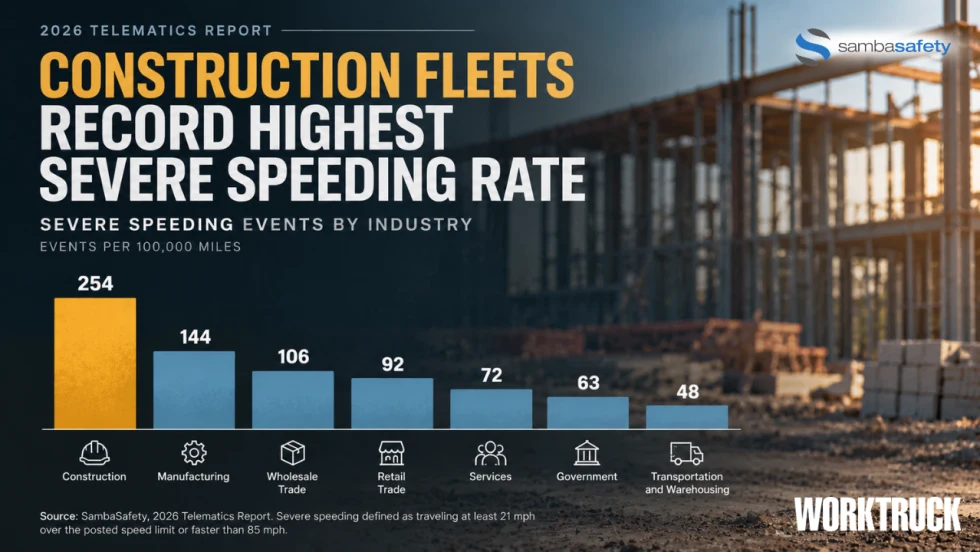
Construction Fleets Show Telematics Adoption Alone May Not Reduce Driving Risk
SambaSafety found construction fleets monitor roughly 92% of their vehicles but recorded the highest severe speeding rate among industries studied.
Read More →
Lytx Launches 360 Hub Kit for Expanded Fleet Camera Visibility
Lytx’s new AI-ready gateway and HD auxiliary camera ecosystem, the Lytx 360 Hub Kit, extends visibility across side, rear, cargo, and blind-zone views to help fleets see more and respond faster.
Read More →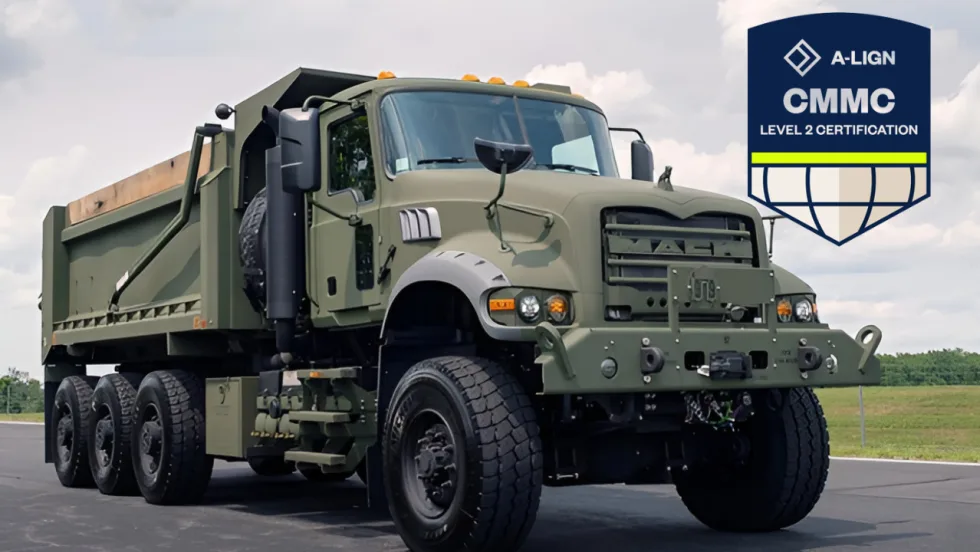
Mack Defense Achieves Cybersecurity Maturity Model Certification Level 2
After an assessment conducted by an authorized Certified Third-Party Assessment Organization (C3PAO), Mack Defense has achieved Cybersecurity Maturity Model Certification (CMMC) Level 2.
Read More →From Our Partners



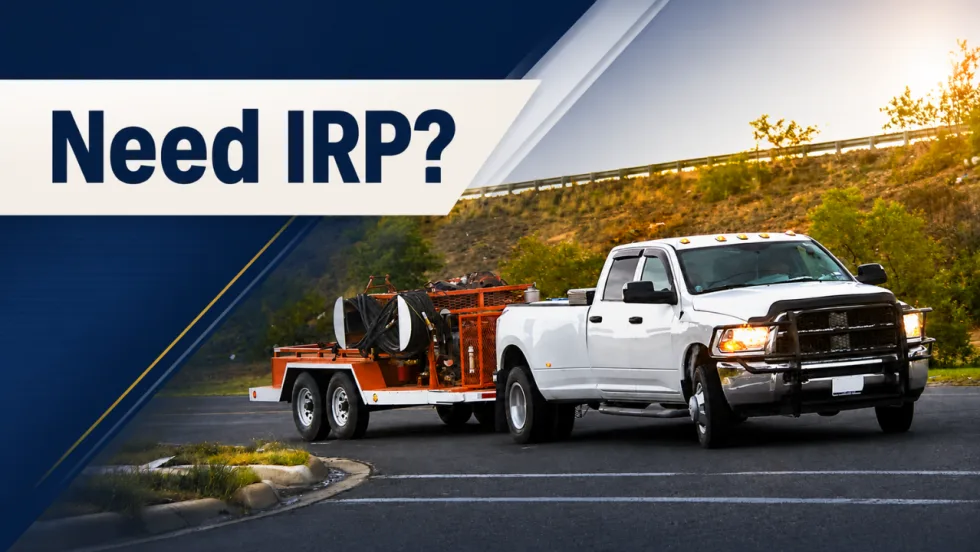
When Work Trucks Under 26,001 Pounds Need IRP Registration
Think trucks under 26,001 pounds are automatically in the clear when it comes to IRP? Not always. Learn where lighter vehicles can still run into trip permit, apportioned registration, and IFTA compliance requirements when crossing state or provincial lines.
Read More →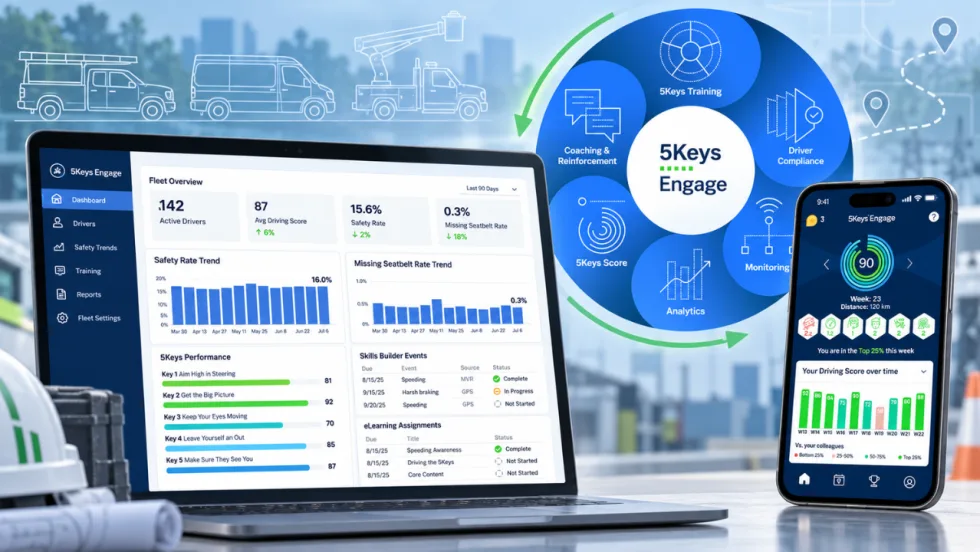
Smith System Wants Work Truck Fleets to Look Beyond the Driver Alert
Smith System’s new Driver Risk Management program is built to help mixed work truck fleets turn telematics alerts and observations into specific behaviors, coaching actions, and measurable follow-up.
Read More →
Volvo Trucks Releases New Safety Recommendations for Traveling with Pets
One of the most important recommendations for professional drivers traveling with pets is to ensure pets are properly restrained while the truck is moving. Other tips are available in the new guide from Volvo Trucks North America and Center for Pet Safety.
Read More →
Are Work Truck Drivers Warming Up to Dash Cams and GPS Tracking?
A new survey finds field-service drivers may be more comfortable with dash cams and GPS tracking than fleet managers think, especially when the technology helps protect them after a crash.
Read More →
Recalls You Need to Know About in August 2026
If you have Altec, Chrysler, Ford, Heil, General Motors, International, Mack Trucks, Paccar, Rivian, Royal Truck, Toyota, US Truck Body, or Volvo Trucks vehicles in your fleet, you should check these important recalls issued by the National Highway Safety Administration.
Read More →
API Issues Refueling Safety Guidelines
The American Petroleum Institute offers a list of safe vehicle refueling guidelines, including ways to avoid potential problems with static electricity discharges in fall, winter, and early spring.
Read More →
Winter Fleet Prep: Expert Tips to Keep Vehicles Running Smoothly
Cold weather can expose weak batteries, tires, fuel systems, and maintenance gaps fast. Use this winter fleet checklist to prepare trucks and drivers before temperatures drop.
Read More →