





Second Chances: How to Upgrade Your Safety Rating
Misuse of PC Provision Can Jeopardize Your Safety Record
Are your employees familiar with the personal conveyance (PC) provision? Improper use of this provision can lead to violations and even jeopardize your safety record. Find out more about acceptable and unacceptable instances of PC.
November 13, 2023
Avoid citations: Make sure your drivers know what’s acceptable regarding personal use of a commercial vehicle.
Photo: Work Truck
3 min to read
It’s common to let employees drive company trucks to and from home.
If your operation offers this perk, your drivers and supervisors must fully understand how to use the personal conveyance (PC) provision or face violations.
Roadside Inspections: Avoiding Violations & Ensuring Safety
Since its inception as a distinct roadside violation, inspectors have cited drivers nearly 23,000 times for improper use of the PC provision.
The PC violation, cited as “395.8E1PC,” came into being in late August 2021 as a distinct type of log falsification. The Compliance, Safety, Accountability (CSA) scoring system uses this roadside inspection violation. The violation carries seven points, the same as any other violation for falsifying a log.
The hours-of-service regulations themselves do not mention personal conveyance, and those rules have not changed. However, the relatively new way to cite a PC violation helps the FMCSA quantify how many drivers are abusing the PC exception.
The agency does not require officers to use the new citation, so some may still lump PC violations under 395.8(e), the catch-all rule for log falsification.
What is PC? (Personal Conveyance, Not Politcal Correctness)
When used properly, the PC exception allows drivers to log commercial vehicle driving time as off-duty. Such off-duty driving is allowed only for personal reasons, such as to commute to or from work or to get to a restaurant or grocery store.
To use a vehicle for personal conveyance, the driver:
Must be relieved from work and all responsibility for performing work,
Must not be too ill or fatigued to drive safely and
Must ensure that the movement will not benefit the company in any way.
When is PC Allowed?
Acceptable examples of PC include:
Driving from an en route lodging (e.g., motel or truck stop) to and from restaurants, entertainment facilities, stores, etc., for personal reasons.
Commuting between home and a terminal or a trailer drop lot.
Driving to the first reasonably available and safe location to get required rest after running out of hours while loading or unloading and ordered to move the vehicle.
Moving a vehicle at the request of a safety official during the driver’s off-duty time.
Transporting personal property while off duty.
Driving home from a remote jobsite or “base camp” where the driver was stationed for a while (such as when working for a construction or utility company).
What Does Not Qualify as PC?
Certain instances are not acceptable as PC, including:
Driving to a company terminal, the normal work-reporting location, or home after loading or unloading at a shipper or receiver.
Driving that “enhances the operational readiness” of the company, " such as skipping an available rest area to get closer to the next work destination.
Driving to or from a facility for maintenance or to get fuel.
Continuing a trip to fulfill a business purpose, such as bobtailing or pulling an empty trailer to retrieve another load or repositioning a tractor or trailer at the company’s direction.
After delivering a trailer, returning to the point of origin under the direction of the company to pick up another trailer.
Driving to get rest after being placed out of service for exceeding the hours-of-service limits, unless told to do so by an enforcement officer.
In Closing
Thousands of drivers are being cited for violating the personal conveyance provision, so make sure your drivers know what’s acceptable regarding personal use of a commercial vehicle.
Subscribe to Our Newsletter
More Safety
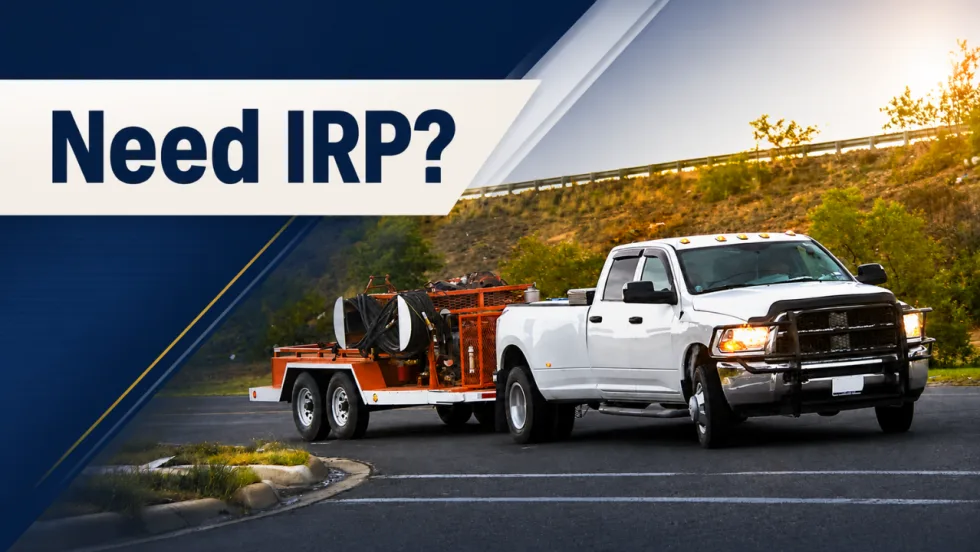
When Work Trucks Under 26,001 Pounds Need IRP Registration
Think trucks under 26,001 pounds are automatically in the clear when it comes to IRP? Not always. Learn where lighter vehicles can still run into trip permit, apportioned registration, and IFTA compliance requirements when crossing state or provincial lines.
Read More →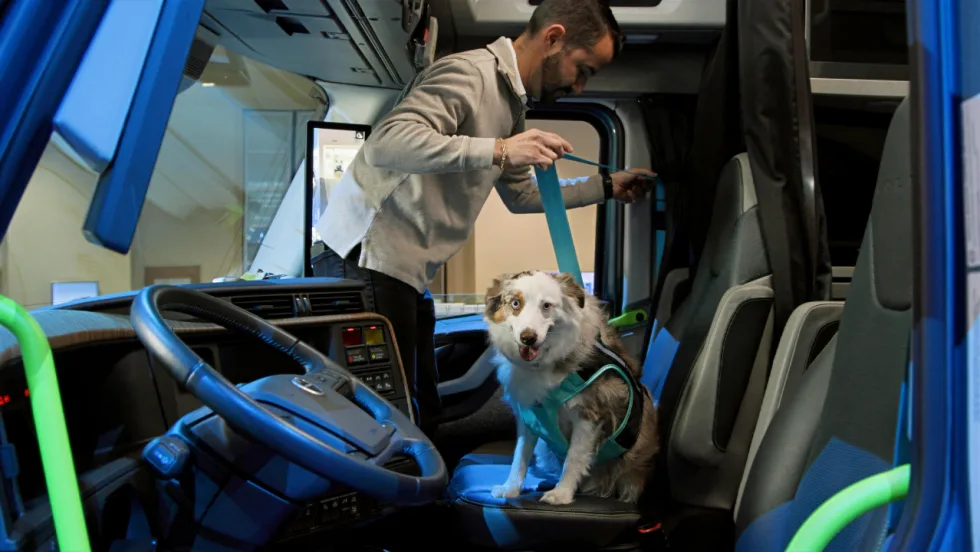
Volvo Trucks Releases New Safety Recommendations for Traveling with Pets
One of the most important recommendations for professional drivers traveling with pets is to ensure pets are properly restrained while the truck is moving. Other tips are available in the new guide from Volvo Trucks North America and Center for Pet Safety.
Read More →
API Issues Refueling Safety Guidelines
The American Petroleum Institute offers a list of safe vehicle refueling guidelines, including ways to avoid potential problems with static electricity discharges in fall, winter, and early spring.
Read More →
Winter Fleet Prep: Expert Tips to Keep Vehicles Running Smoothly
Cold weather can expose weak batteries, tires, fuel systems, and maintenance gaps fast. Use this winter fleet checklist to prepare trucks and drivers before temperatures drop.
Read More →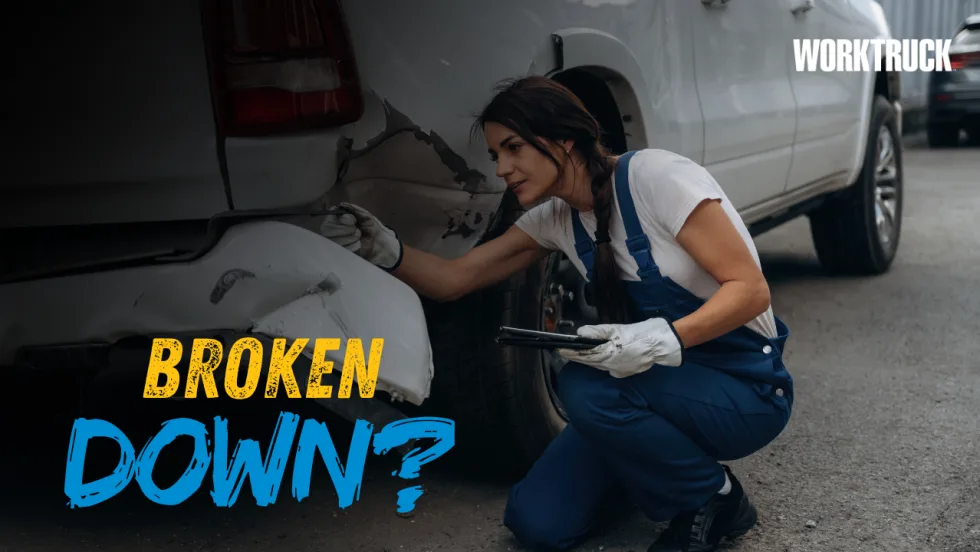
When a Work Truck Breaks Down, the Job Can Stop, Too
A work truck breakdown can stop more than the vehicle. Discover how payloads, jobsites, and specialty equipment change the roadside response.
Read More →
What Stronger Long-Term Fleet Service Partnerships Actually Require
Fleet service partnerships rarely fall apart all at once. Learn the three warning signs that trust is eroding and what fleets and providers can do before downtime, frustration, and lost revenue follow.
Read More →
Applause & TRUCE Software Partner to Improve Driver Safety Through AI-Powered Telematics & Employee Performance Management
Applause has integrated TRUCE driving metrics directly into its employee-first performance and safety platform that transforms mobile devices into AI-powered telematics.
Read More →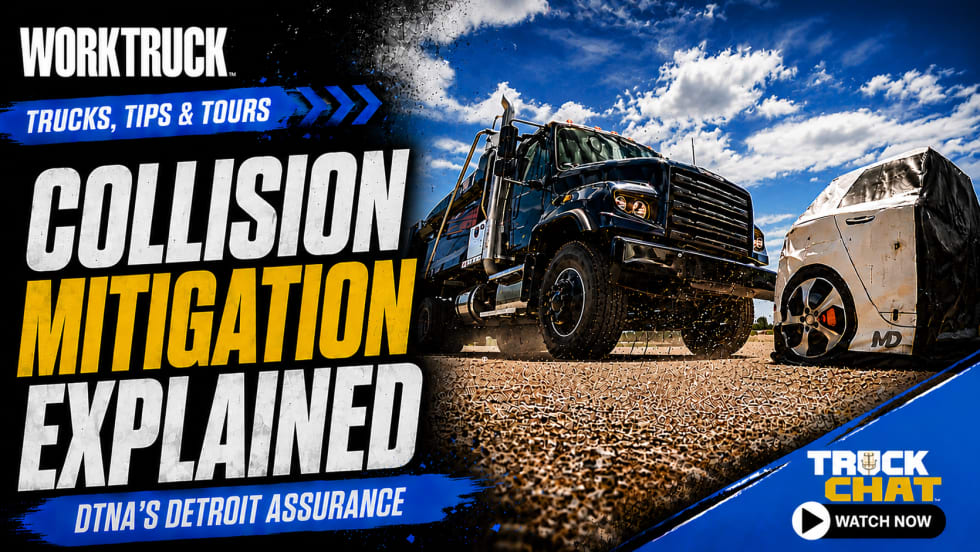
How Detroit Assurance with Active Brake Assist Works
Do you want to see what it is like to experience Detroit Assurance’s Active Brake Assist? In this video, Work Truck will put you in the cab to see how it all works and then hear more details from DTNA’s Mike Young.
Read More →
Get Left of Loss: A 5-Step Workplace Violence Prevention Framework for Fleet Operators
Violence risks do not stop at the driver’s door. Learn five practical steps fleets can take to spot threats early and protect workers before loss occurs.
Read More →
Sponsored•July 17, 2026
How Better Visibility Cut Speeding Violations by 48%
Fleet leaders don't need more data, they need clearer visibility into what the data is saying. This case study explores how one utility replaced speeding-event counts with a single metric — miles driven in violation — to strengthen safety and significantly reduce speeding violations.
Read More →