




Maintenance and Uptime Took Center Stage in 2025 [Part 3]
Fleets made uptime the priority in 2025, shifting to mobile repair, predictive maintenance, and tighter parts planning to stay ahead.

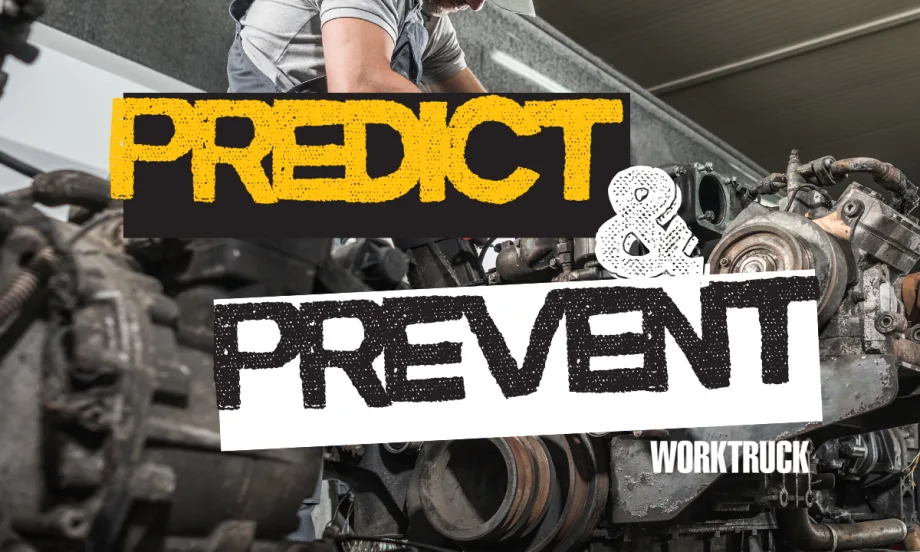
Predictive maintenance helped fleets spot issues early, avoid breakdowns, and stretch the life of aging work trucks when parts and labor stayed tight.
Photo: Work Truck
If 2025 had a winner in fleet priorities, it was uptime. Light- and medium-duty work truck fleets across the country treated every hour of productivity like it mattered because it did. Parts delays, aging assets, labor shortages, and rising operating costs forced fleets to rethink how they handled maintenance.
The result was a major shift toward predictive, mobile, and data-powered strategies that cut downtime and kept trucks out of the shop and where they belong.
Uptime Moved from Buzzword to Core KPI
For many fleets, uptime finally became measurable, trackable, and tied directly to performance goals. That shift was most visible in the maintenance bay.
Arnie Braun, senior director of operations management at FleetNet by Cox Automotive, said uptime wasn’t just a value proposition; it was a necessity. It became the metric by which fleets judged the strength of their maintenance partners.
“Fleets leaned harder into partners who could deliver speed to resolution at scale. We saw greater adoption of 24/7 emergency coverage and scheduled mobile PMs, plus rising expectations for repair visibility via customer portals,” Braun said. The result was “higher PM compliance and fewer emergency roadside breakdowns.”
Kevin Clark, AVP at Fleet Services by Cox Automotive, added that customers expected complete transparency. Photos, timestamps, VMRS codes, and consistent reporting helped fleets benchmark performance and spot trends faster.
The pressure wasn’t isolated to any one industry, either. According to insights shared by Ford Pro, the 95 million workers in America’s Essential Economy felt the impact of every minute a truck was sidelined. That urgency fueled tighter expectations around service speed, technician capability, and maintenance visibility across the board.
Mobile Maintenance Stepped into the Spotlight
Mobile repair wasn’t new, but 2025 made it mainstream. Instead of relying solely on brick-and-mortar shops, fleets wanted flexible coverage that could adapt to the job site, shift schedule, and urgency.
Fleets also leaned on service partners expanding their commercial maintenance footprint. Ford Pro continued building out its Elite Commercial Service Centers, where mobile service is a requirement, opening more than 70 locations across 21 markets in just over two years. These centers feature upfitter-certified technicians trained on both the base vehicle and any specialized equipment attached to it, giving fleets confidence that all components (not just the chassis) were being handled by experts.
Clark said mobile trucks and technicians became the default way many medium-duty fleets handled routine work, with shops used primarily for heavier repairs.
“Fleets partnered with providers that can flex between mobile, shop, and dedicated on-site staffing under one SLA,” Clark explained. The payoff was faster cycle times and lower indirect costs, such as tow bills and driver downtime.
This model appealed especially to fleets managing vehicles across large territories or remote job sites. We all know the less time a truck spends traveling to a shop, the more time it spends doing real work.
One customer who felt the impact firsthand was Kent Companies, the fifth-largest concrete contractor in the U.S.
“Downtime for us is money lost,” said Chris Fennema, vice president at Kent Companies and a customer of Fox Ford’s Elite Service Center in Grand Rapids, Michigan. “We never really get phone calls that we have a truck broken down because our vehicles are reliable. We have peace of mind when our vehicles come back: no corners are cut; they have the best technicians.”
Predictive Maintenance Became the Line Between Leaders and Laggards
Telematics and connected vehicle data finally gave fleets the tools to predict failures rather than react to them.
Brian Fournier, Americas senior vice president and general manager of fleet and mobility at WEX, said the shift was dramatic.
“Fleets are moving from reactive to predictive maintenance, using platforms that calculate total cost of ownership in real time by factoring in costs like fuel, maintenance, and resale value,” Fournier said. These tools helped operators “reduce downtime, extend vehicle life, and stabilize maintenance costs.”
Connected vehicle platforms deepened that shift. Ford Pro noted fleets using telematics insights cut idling, improved driver behavior, and strengthened theft prevention with tools that could remotely limit access when needed. The Avondale Estates Police Department, for example, saved nearly 2,800 gallons of gas and 20 tons of CO₂ in under two years using Ford Pro Telematics Software.
Predictive models helped fleets catch chronic issues early, time repairs around real usage patterns, and stretch the life of older assets that were being kept longer due to tariffs, supply chain delays, or budget freezes.
“Computer-vision-assisted inspections and sensor-driven insights helped fleets catch early signs of equipment issues,” said Rajesh Rudraradhya, CTO at Lytx. He added that fleets weren’t chasing more alerts; they were using “risk scoring and pattern recognition to time repairs, prevent breakdowns, and protect aging assets that were staying in service longer.”
Fleets in 2025 treated uptime like mission control, using mobile service, better planning, and real-time data to keep trucks working instead of waiting.
Photo: Work Truck
Parts Planning Forced Fleets to Rethink Their Strategy
Every fleet felt the pressure of ongoing parts shortages, unpredictable pricing, and longer lead times. That meant guessing and hoping were officially off the table.
Kevin Chan, director of product marketing at Fleetio, said fleets started thinking like retailers: kit parts, buy closer to demand, and standardize as much as possible.
“Parts availability, lead times, and unpredictable pricing are forcing fleets to think like retailers,” Chan said. Standardizing parts data, using predictive stocking based on telematics trends, and paying attention to work order patterns helped fleets cut costs and reduce repair delays.
Without better parts visibility, many fleets lost time tracking down components, waiting through back orders, or shifting technicians from job to job to compensate.
Technician Capacity Stayed Tight, Pushing Fleets Toward Smarter Support
Ongoing technician shortages meant fleets could no longer count on quick shop turnaround. High workloads pushed techs to their limit, and finding experienced staff was harder than ever.
Braun said fleets started asking more questions about technician development and training when evaluating partners. High first-time fix rates, safety performance, and technician pipelines became competitive differentiators, not just nice-to-have benefits.
Clark added that mobile tech teams helped fill gaps when regions faced severe staffing shortages.
Backlogs also pushed many fleets to adopt more scheduling discipline, better triage processes, and stronger vendor coordination.
Service Models Adapted as Upfitting Grew More Specialized
Upfitted work trucks only raised the stakes. Specialized bodies, equipment, and configurations made service harder to outsource and even harder to replace if a truck was down too long.
To meet those demands, service networks expanded.
Chris Fennema, vice president at Kent Companies, shared how crucial reliable service is for his operation through Ford Pro’s Elite Commercial Service Centers.
“Downtime for us is money lost. We never really get phone calls about a truck breaking down because our vehicles are reliable, thanks to Fox Ford's support. We have peace of mind when our vehicles come back. No corners are cut. They have the best technicians,” Fennema said.
That peace of mind mattered in 2025 more than ever.
Maintenance, Uptime, and Cost Became One Conversation
Every trend in this section points to the same conclusion. Maintenance was no longer just a service task. It became a cost, downtime, and productivity strategy.
“As vehicle technology evolves, there will be increased visibility and accurate data to help improve fleet planning,” said Justin Lisonbee, AVP of fleet operations at Enterprise Fleet Management. More reliable diagnostics and usage insights help managers act earlier and avoid surprise failures that slow operations.
For fleets beginning to map out an EV transition, charging access and energy management crept into the uptime conversation as well. Ford Pro also highlighted the role of smarter charging strategies in keeping electric vehicles work-ready and aligned with daily operational needs.
Whether fleets embraced mobile PMs, predictive tools, better data, stronger vendor partnerships, or improved parts planning, the goal was the same: keep trucks on the road and keep work moving.
Heading into 2026, uptime isn’t just something fleet managers hope for. It’s something they are intentionally planning, tracking, and driving with the help of better technology, better data, and a deeper understanding of how maintenance ties directly to business results.
Keep Reading the 2025 Work Truck Trends Series
This article is part of a bigger look at what shaped fleets in 2025. Explore the rest:
Part 1: How Rising Costs Reshaped Work Truck Fleets: costs tightened and fleets sharpened their financial story.
Part 2: Data Became the Backbone of Fleet Decisions: fleets used connected tools to coach smarter and improve uptime.
Part 4: Safety, Security, and Risk Became Non-Negotiable: fraud, cyber threats, and rising insurance pushed safety forward.
Part 5: Energy Strategies Shifted as Fleets Rebalanced Options: EV planning matured, and hybrids offered a stable middle ground.
Part 6: Workforce Pressures Forced New Approaches: culture, coaching, and smarter tools helped fleets handle tight labor markets.
Part 7: Vehicle Availability and Market Shifts Shaped Decisions: replacement cycles and inventory planning required flexibility.
More Maintenance
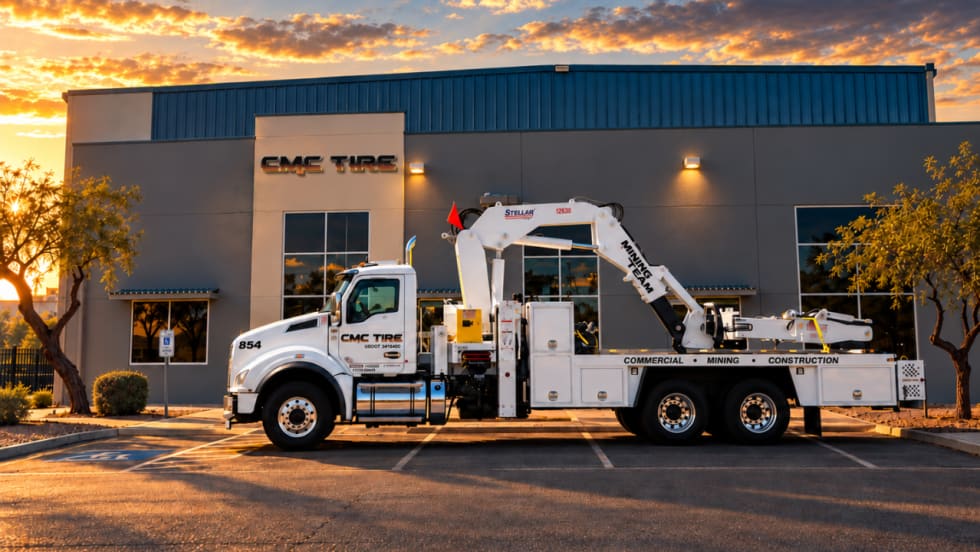
Les Schwab Expands Commercial Tire Footprint Into Arizona
Les Schwab Tires has expanded into Arizona with two commercial tire locations in Phoenix and Tucson, strengthening its fleet service footprint in the Southwest.
Read More →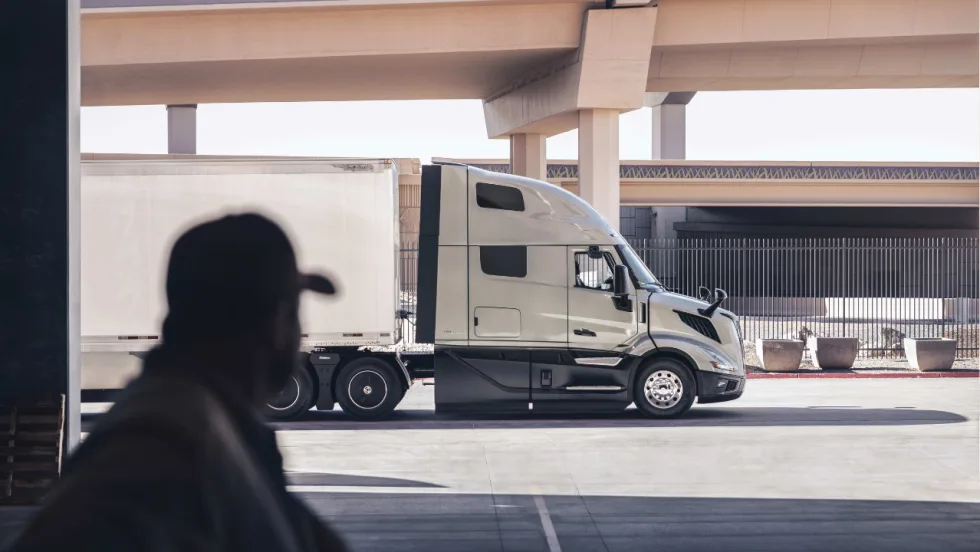
Volvo Trucks’ 'Lock and Leave' Software Updates Go Live Across North America
Unattended over-the-air software updates are now available in Volvo trucks across the U.S. and Canada. The new capability lets trucks stay current with the latest software without interrupting operations or requiring a dealership visit.
Read More →
Why Technician Appreciation Can’t Be a Once-a-Year Thought
For fleets trying to keep skilled technicians, recognition cannot begin and end with Technician Appreciation Week. Learn what year-round appreciation really looks like and why the everyday technician experience matters just as much as pay when fleets are trying to keep good people.
Read More →
How Faster Driver Reporting Can Keep Small Truck Problems Small
When minor damage, warning lights, or equipment issues are reported late, small problems can quickly become bigger maintenance headaches. Conversational AI can help shorten the path from what a driver notices in the field to the person who can act on it.
Read More →
BendPak’s Ranger Wheel Service Equipment Achieves North American Safety Certification
BendPak’s full line of Ranger tire changers and wheel balancers has been ETL certified to UL and CSA standards to improve operator safety.
Read More →
Isuzu & U.S. Department of Labor Celebrate Milestone for Veterans Apprenticeship Program
The Isuzu Veterans Apprenticeship Program (IVAP) signing ceremony highlighted Isuzu’s long-term commitment to veterans, Isuzu dealers, and the skilled workforce supporting its customers and the commercial transportation industry.
Read More →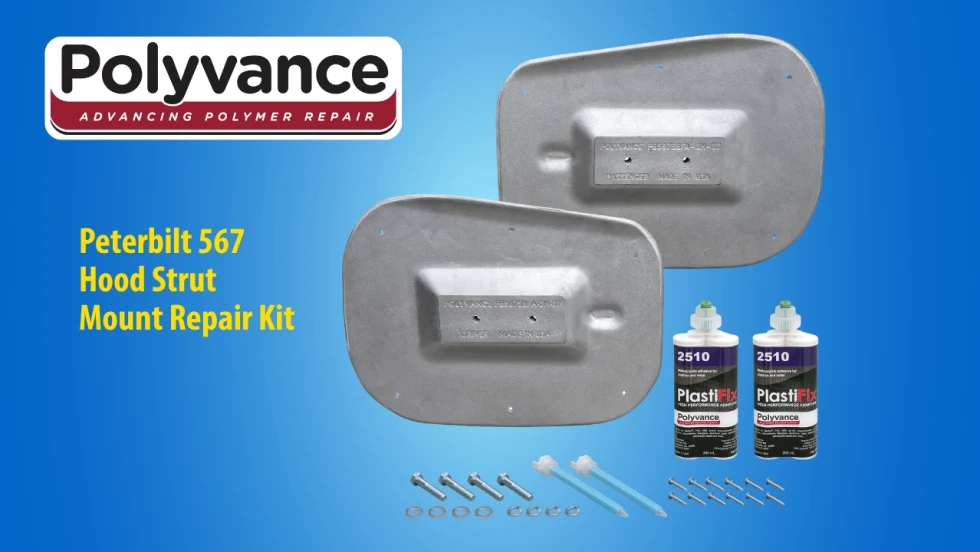
Polyvance Introduces New Peterbilt 567 Hood Strut Mount Repair Kit
Polyvance has launched a repair solution for Peterbilt 567 hood struts, helping truck owners and repair facilities avoid costly hood replacements.
Read More →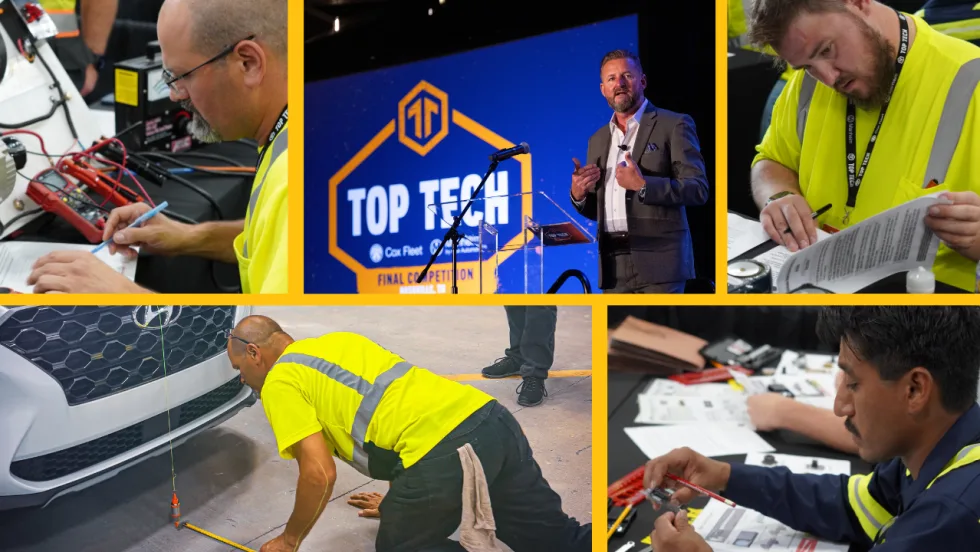
Cox Automotive Celebrates Technical Excellence at 2026 Top Tech Finals
The top technicians from Cox Fleet and Manheim tested their skills in Nashville, Tennessee, at Cox Automotive’s 2026 Top Tech Finals. The overall winners will advance to compete at the American Trucking Association’s TMC SuperTech competition.
Read More →
Grote Industries Appoints Vice President of North American Operations
Grote Industries has appointed Patrick Smith as vice president of North American operations as it celebrates 125 years of innovation and manufacturing excellence. He has more than 20 years of manufacturing leadership experience.
Read More →
Winter Fleet Prep: Expert Tips to Keep Vehicles Running Smoothly
Cold weather can expose weak batteries, tires, fuel systems, and maintenance gaps fast. Use this winter fleet checklist to prepare trucks and drivers before temperatures drop.
Read More →