




Want to Know More Metrics That Matter? KPIs Driving Work Zone Safety
Keeping Fleets Safe by Addressing the Hidden Dangers of Work Zones
Improve fleet safety in work zones with AI dashcams, telematics & automation. Reduce risks, enhance compliance & boost efficiency
by Bob Adamsky, AWP Safety
March 13, 2025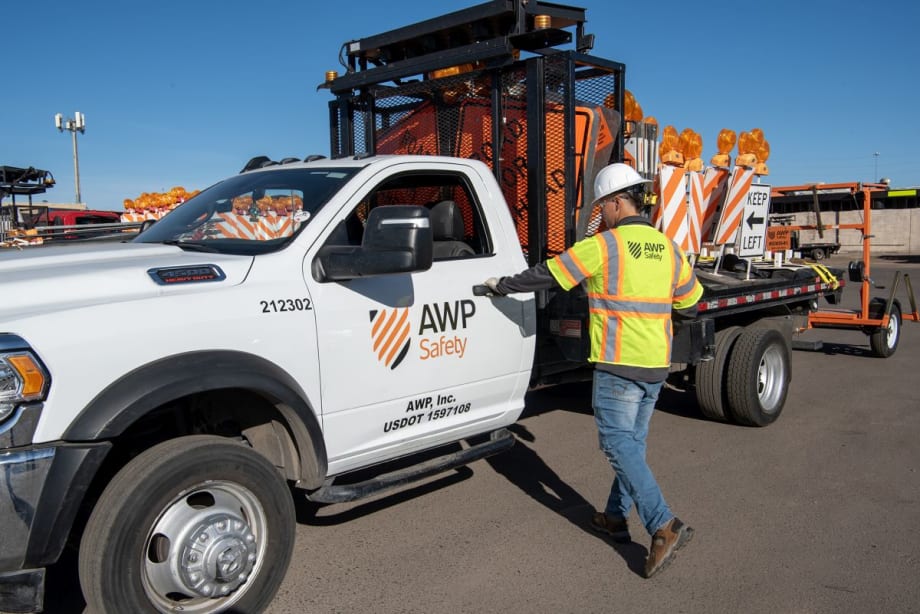
Real-time vehicle tracking and automated safety alerts keep fleet drivers safer in unpredictable work zones, preventing costly accidents.
Photo: AWP Safety
4 min to read
Fleet operators, particularly those who manage utility and infrastructure projects, understand how critical work zone safety is. The unpredictability of traffic conditions due to distracted drivers and/or operational hazards puts work truck fleet drivers at risk. Thankfully, new advancements in fleet telematics and artificial intelligence (AI)-driven fleet management address these safety risks head-on, improving driver behavior and optimizing operations.
Telematics are changing the way fleet operators drive their trucks. Whether AI dashcams, real-time equipment tracking, or automated flagger devices, drivers can reduce accidents, improve compliance, and enhance overall truck fleet performance.
Why Work Zones Pose Significant Risks
Fleet drivers face even more risks when they approach work zones than average drivers, in part because of the size of their vehicles and the often reckless behavior of the other motorists. As work truck and other fleet drivers move through work zones, high-speed passing traffic can increase their exposure to potential collisions.
Additionally, changes in road patterns and abrupt traffic slowdowns can be confusing for all drivers. Not only do they make it challenging for fleet drivers to adjust quickly, but also to avoid crashes with larger vehicles and/or heavy loads. Finally, many drivers (fleet and otherwise) don’t reduce speeds in work zones and get easily distracted, which is another leading cause of accidents involving commercial fleet vehicles.
Work zone crashes involving fleet vehicles can have more severe repercussions than other accidents. Compared to other drivers in the work zones, the size of most commercial and vocational fleet vehicles and trailers means crashes are more likely to involve serious injuries, expensive liability claims, and operational disruptions.
As safety regulations tighten, fleet managers must implement smarter strategies to ensure compliance while effectively mitigating risk.
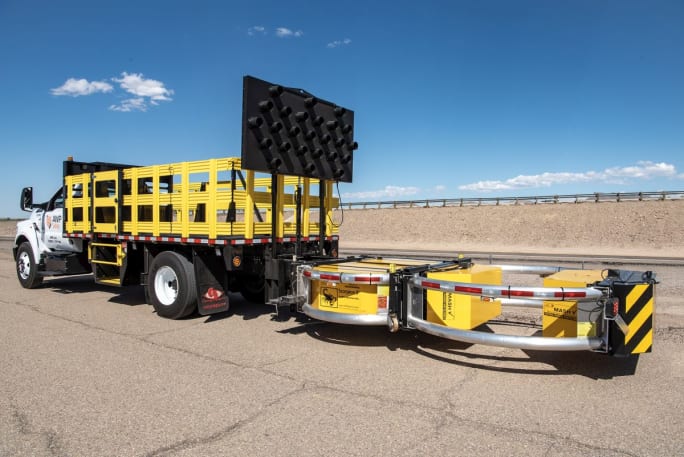
Telematics and AI are transforming work zone safety, helping fleet operators reduce risks, improve compliance, and optimize operations.
Photo: AWP Safety
How Telematics Is Transforming Work Zone Safety
Telematics have made fleet vehicles safer to operate in work zones. By deploying cutting-edge technology, fleet managers can act more quickly as they receive real-time insights into driver behavior, vehicle location, and environmental hazards. Three technologies are changing the way work truck fleet managers handle work zone safety:
AI dashcams:AI-powered dashcams provide granular real-time data about how the driver performs on the road. They can analyze risky behaviors, including speeding, harsh braking, mobile phone use, and seat belt compliance. Studies show that implementing AI dashcams leads to a 75% reduction in harsh driving events and an 81% decrease in phone-related violations, significantly improving overall fleet safety.
Vehicle telematics: Using sophisticated fleet telematics systems, fleet managers can track vehicle location, monitor fuel efficiency, and implement the ability to offer real-time coaching for drivers. Armed with these capabilities, fleet managers can help drivers avoid accidents by keeping their vehicles at safe speed limits and limiting erratic driving behaviors. Such management is particularly crucial in high-risk work zones.
Environmental, Health, Safety, and Quality (EHSQ) Software Integration: Making sure fleet management software integrates EHSQ software in its operations allows fleet managers to track safety metrics, predict potential hazards, and develop incident-prevention strategies.
Portable Temporary Rumble Strips(PTRS): PTRS are deployed in work zones to alert drivers to changing traffic conditions and allow them to adjust accordingly. These traffic control devices reduce the potential for accidents.
While not utilized within work trucks themsevles, including Automated Flagger Assistance Devices (AFADs) in active work zones can reduce the risk to site workers by eliminating the need for human flaggers in dangerous roadside positions. They also make traffic control more efficient.
The more data fleet managers can collect with telematic innovations, the quicker they can make the necessary decisions to proactively reduce accident rates in work zones and ensure their drivers comply with federal safety regulations.
Why Truck Fleets Need to Prioritize Telematics for Work Zone Safety
Improved safety and compliance are the only two reasons to integrate telematics into your fleet management strategy. It also makes good business sense, as well. They can help you improve your operational efficiency, liability reduction, and sustainability gains.
First, by reducing risky driving behaviors and optimizing traffic management, telematics helps fleet managers streamline operations. Improved driver performance and work zone navigation lead to faster project completion, fewer delays, lower operational costs, and fleet maintenance and repairs resulting from accidents.
Second, work zone accidents often result in complex liability disputes. Truck fleet telematics provides real-time incident tracking and accurate event reconstruction, helping companies defend against false claims while improving compliance with federal safety regulations.
Third, telematics minimizes idle time and significantly improves fuel efficiency. Innovative fleet management solutions help companies lower their carbon footprint and contribute to environmental conservation efforts. By reducing the carbon footprint through fleet optimization, telematics helps investor-owned utilities’ (IOUs’) sustainability initiatives, which may attract regulatory incentives and community support.
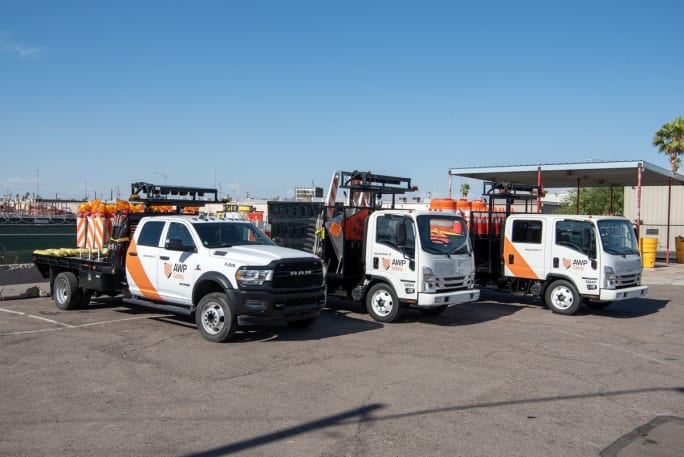
Automated flagger devices, portable rumble strips, and EHSQ software integration are transforming fleet safety in work zones.
Photo: AWP Safety
The Bottom Line in Work Zone Safety
Now more than ever, work truck fleet safety relies on data-driven decision-making, driven by the latest technologies in fleet management. These tools become even more crucial in work zones.
Cutting-edge technologies, like AI-enhanced telematics, real-time vehicle tracking, and automated safety systems, provide fleet operators with the necessary data to reduce accidents, improve operational efficiency, and teach drivers how to operate their vehicles more safely.
As federal safety regulations grow ever tighter, integrating best-in-class technology into fleet management strategies can protect fleet drivers, minimize risks, and ensure long-term business success.
Subscribe to Our Newsletter
More Safety
When Work Trucks Under 26,001 Pounds Need IRP Registration
Think trucks under 26,001 pounds are automatically in the clear when it comes to IRP? Not always. Learn where lighter vehicles can still run into trip permit, apportioned registration, and IFTA compliance requirements when crossing state or provincial lines.
Read More →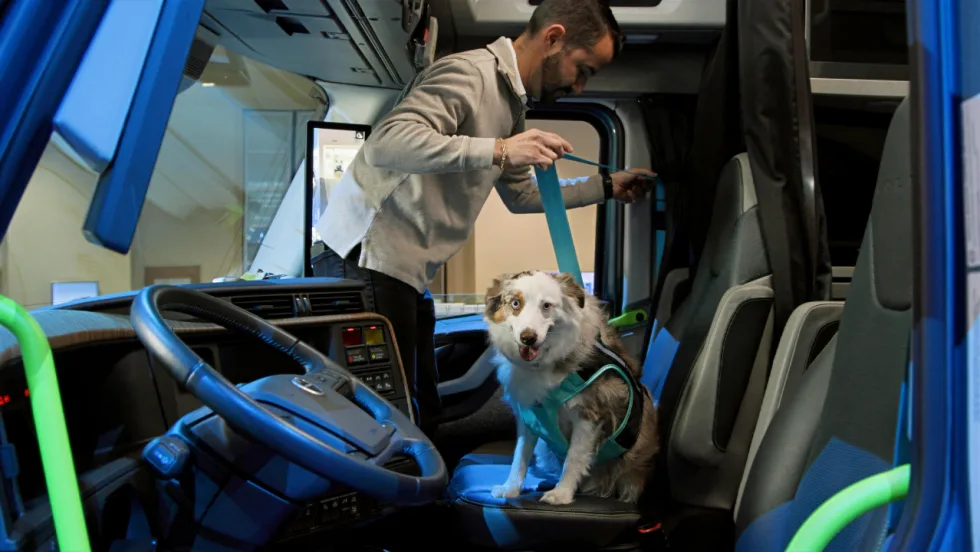
Volvo Trucks Releases New Safety Recommendations for Traveling with Pets
One of the most important recommendations for professional drivers traveling with pets is to ensure pets are properly restrained while the truck is moving. Other tips are available in the new guide from Volvo Trucks North America and Center for Pet Safety.
Read More →
API Issues Refueling Safety Guidelines
The American Petroleum Institute offers a list of safe vehicle refueling guidelines, including ways to avoid potential problems with static electricity discharges in fall, winter, and early spring.
Read More →
Winter Fleet Prep: Expert Tips to Keep Vehicles Running Smoothly
Cold weather can expose weak batteries, tires, fuel systems, and maintenance gaps fast. Use this winter fleet checklist to prepare trucks and drivers before temperatures drop.
Read More →
When a Work Truck Breaks Down, the Job Can Stop, Too
A work truck breakdown can stop more than the vehicle. Discover how payloads, jobsites, and specialty equipment change the roadside response.
Read More →
What Stronger Long-Term Fleet Service Partnerships Actually Require
Fleet service partnerships rarely fall apart all at once. Learn the three warning signs that trust is eroding and what fleets and providers can do before downtime, frustration, and lost revenue follow.
Read More →
Applause & TRUCE Software Partner to Improve Driver Safety Through AI-Powered Telematics & Employee Performance Management
Applause has integrated TRUCE driving metrics directly into its employee-first performance and safety platform that transforms mobile devices into AI-powered telematics.
Read More →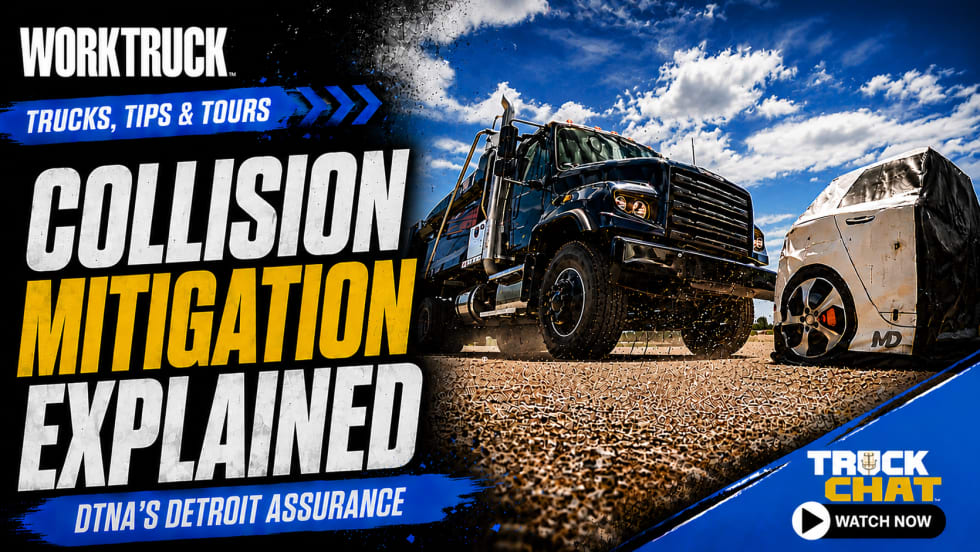
How Detroit Assurance with Active Brake Assist Works
Do you want to see what it is like to experience Detroit Assurance’s Active Brake Assist? In this video, Work Truck will put you in the cab to see how it all works and then hear more details from DTNA’s Mike Young.
Read More →
Get Left of Loss: A 5-Step Workplace Violence Prevention Framework for Fleet Operators
Violence risks do not stop at the driver’s door. Learn five practical steps fleets can take to spot threats early and protect workers before loss occurs.
Read More →
Sponsored•July 17, 2026
How Better Visibility Cut Speeding Violations by 48%
Fleet leaders don't need more data, they need clearer visibility into what the data is saying. This case study explores how one utility replaced speeding-event counts with a single metric — miles driven in violation — to strengthen safety and significantly reduce speeding violations.
Read More →