




In 2026, Safety Will Stop Being a Program and Become How Fleets Operate
Safety in 2026 won’t live in a silo. Fleets are integrating prevention, coaching, and risk data to reduce claims, downtime, and liability.

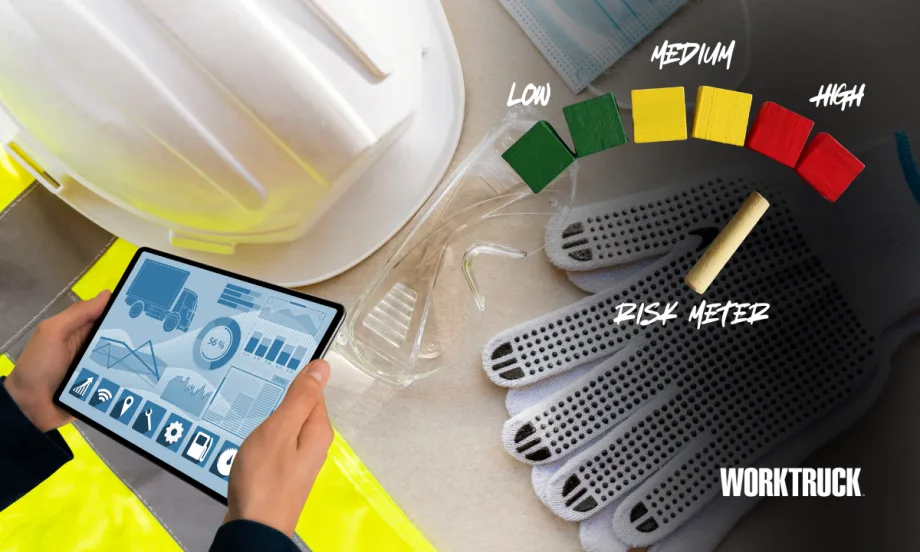
In 2026, fleet safety stops living in its own lane. Risk becomes measurable, integrated, and operational, woven directly into daily workflows that protect drivers, uptime, and the bottom line.
Credit: Work Truck
For a long time, safety in fleet looked like a separate track.
You had operations. You had maintenance. You had procurement. And then… you had safety, often living in its own universe with its own meetings, initiatives, and tools that didn’t always connect to the day-to-day decisions that actually shape what happens on the road.
That’s changing.
In 2026, one of the biggest disruptors for light- and medium-duty work truck fleets is not a single safety technology, or a new driver training program, or even a new regulation. It’s the shift in how fleets treat risk altogether.
Safety is becoming operational. It’s being woven into fleet management systems, insurance strategy, and uptime planning. The fleets that get ahead are the ones treating risk as something measurable and manageable, not just something you react to after a crash or a claim.
“As 2026 dawns, the view will likely feel a bit familiar,” said Dave Berno, transportation practice leader for global insurance brokerage Hub International. “Rising costs and economic volatility continue to put financial pressure on fleet owners, while workforce shortages remain a persistent concern.”
That pressure is exactly why safety can’t stay siloed. When costs rise and resources are tight, fleets are forced to reduce preventable losses, manage claims more quickly, protect uptime, and deliver ROI on every initiative. Safety becomes one of the few levers that can impact all of those at once.
Fleets Want Safety to Live Inside Their Daily Workflow
One of the most telling forecasts for 2026 isn’t about a brand-new gadget. It’s about what fleets are tired of.
Ori Gilboa, CEO of SaverOne, expects distracted-driving prevention to evolve from being a standalone add-on into something built directly into telematics ecosystems.
“In 2026, we’ll see distracted-driving prevention become a native part of telematics ecosystems, not an add-on,” Gilboa said. “Fleets are tired of managing fragmented tools that don’t talk to each other.”
Gilboa’s point lands because it’s a real-world problem. Fleets don’t just buy safety tools; they must manage them. And when those tools operate in silos, safety becomes harder to scale.
“The future is seamless integration,” Gilboa said, describing prevention systems that plug directly into existing telematics, safety platforms, and fleet management software. “When prevention data flows into the same dashboard as routing, compliance, and vehicle health, safety stops being a standalone initiative and becomes part of everyday operations.”
That’s the bigger shift behind a lot of these forecasts. Fleets are moving from treating safety as a separate program to integrating it into operations, because it’s the only way to achieve consistent results without doubling the workload.
Risk is Expanding, and Fleets Are Being Measured Differently
Fleets have always known collisions matter. What’s changing is the scope of what gets counted as risk.
Rajesh Rudraradhya, Chief Technology Officer at Lytx, expects the leading fleets in 2026 will be the ones that treat dynamic risk as foundational.
“The fleets that lead in 2026 will be those that treat dynamic risk not as a bolt-on, but as the foundation for fair driver evaluation, smarter coaching, and measurable ROI across safety, uptime, and cost,” Rudraradhya said.
He also points to how risk categories are expanding beyond traditional collision-focused metrics.
“As risk types expand (e.g., pedestrian, roadwork, speed for conditions), dynamic risk will become the essential layer that turns unpredictable hazards into manageable, insurable, and ultimately preventable events,” Rudraradhya said.
That line matters because it reframes the safety conversation. Fleets are not just trying to prevent incidents. They’re trying to understand risk more granularly and use that understanding to guide coaching, route decisions, and operational planning.
It also means that as risk becomes more measurable, fleets will face more accountability, not just internally, but from insurers and partners who want evidence of risk management.
The New Safety ROI Is Claims, Downtime, And Insurance Outcomes
When budgets tighten, safety often has to justify itself. In 2026, it can.
Berno sees rising insurance and excess liability premiums as part of the growing economic burden on fleets. “Everything is simply more expensive,” he said.
But he also emphasizes that fleets can take proactive steps to improve their risk profile and reduce long-term costs, especially through safety and compliance investments.
“Investing in safety and compliance through telematics, driver training, and driver incentive programs can not only strengthen compliance and competitiveness but also help improve long-term profitability,” Berno said.
That statement captures why safety is being pulled closer to operations. It’s no longer viewed as a separate initiative. It’s increasingly tied to financial outcomes.
Berno also notes that an experienced insurance broker can use analytics to help businesses identify opportunities for insurance cost savings, which means fleet data isn’t just operational data anymore. It’s leverage.
Integrated Risk Management Will Keep Accelerating
A big theme across forecasts is integration, and safety is one of the places where that integration creates the most immediate value.
Kendra Rupp, Regional Vice President, Client Partnerships at Mike Albert Fleet Solutions, expects safety and risk mitigation to stay central to fleet strategy, especially as integrated services evolve.
“Companies will increasingly rely on integrated fleet management services that combine telematics, cameras, fuel tracking, maintenance, tolls, and risk management,” Rupp said. “This holistic approach allows businesses to focus on operations while outsourcing fleet complexities to expert partners.”
What’s important here is that risk management is mentioned in the same breath as maintenance, fuel, and tolls. That’s a clue that safety is being treated less like a standalone “program” and more like a core operational requirement.
It also supports what many fleet teams already know: you can’t manage risk with one tool. Risk touches every part of fleet management, and fleets need connected visibility to handle it efficiently.
OEM Safety Tech and Security Will Matter More for Fleets
Fleet safety in 2026 won’t just be driven by third-party solutions. OEMs are emphasizing safety and security features as part of their fleet value proposition.
Ian Hucker, Vice President of GM Envolve, said GM Envolve expects “smarter vehicle technology and data-enhanced telematics, safety features, and intuitive infotainment systems” to continue empowering fleet managers to optimize routing, driver coaching, and vehicle uptime.
Hucker also positioned GM Envolve’s approach around fleet choice and operational support.
“GM Envolve is committed to offering our fleet customers expanded choices with both electric and gas-powered vehicle options, built to support their unique needs,” Hucker said. “Our innovation extends beyond the vehicle with advanced technologies designed to help keep drivers and fleets safe, a focus that will remain a key differentiator in 2026.”
He also highlighted OnStar’s role in enabling “safer, smarter, and more connected operations,” including Drive Block, a remote security feature that can disable a vehicle to block unauthorized use.
That’s an important reminder that safety is no longer just a driver behavior conversation. It’s also about security, vehicle recovery, theft prevention, and connected support systems that help fleets reduce risk and downtime.
Uptime Is Now a Safety Conversation, Too
One of the most overlooked aspects of safety is the operational disruption caused by downtime. When a vehicle goes out of service, work doesn’t stop. Fleets either absorb lost revenue, delay service, or scramble for replacements.
Vanessa Wilkin, Vice President, Enterprise Mobility, described how unpredictable hazards can quickly become business disruptions.
“From hazardous road conditions to distracted driving and unexpected encounters with animals, fleet vehicles face unique challenges on the road,” Wilkin said. “And when vehicles are out of service, downtime directly impacts revenue.”
Wilkin pointed to truck rental options that help minimize disruptions by providing an appropriate replacement during repairs, including features like towing and lift gates.
She also flagged a key planning move that fleets often overlook, ensuring their policies support replacement mobility.
“Fleet owners and operators can minimize disruption and downtime by checking their policies to ensure they have the right coverage for replacement mobility in the event of an accident,” Wilkin said.
That’s one more reason safety and risk are becoming part of fleet financial strategy. The cost of a crash is not just repair bills and claims; it’s also lost productivity, missed work, and operational fallout.
AI Coaching Needs Trust to Work
Technology is playing a larger role in safety, but 2026 forecasts also reflect something fleets have learned: it only works if drivers trust it.
Rudraradhya expects human involvement to remain essential.
“Human-in-the-loop coaching is essential,” he said. “AI-powered coaching will combine real-time feedback with context-sensitive insights, maintaining driver trust and privacy. Coaching effectiveness will be measured by quality, not just frequency.”
That last line is important. Fleets aren’t just trying to deliver more alerts. They’re trying to deliver better coaching. And better coaching is about relevance, fairness, and driver buy-in.
If coaching feels like surveillance or a gotcha, drivers disengage. If it’s accurate and contextual, it becomes a tool drivers can truly use.
This is also where responsible AI and transparency become safety issues, not just technology issues. Fleets need to be confident in what the systems are measuring and how they’re making decisions.
Cybersecurity Will Sit Right Next to Safety In 2026
One more disruptor is quietly creeping into the safety conversation: cybersecurity.
As fleets integrate more platforms and connect more vehicles, the potential exposure grows, and it becomes a risk category fleets can’t ignore.
“As you add new technologies, however, be aware that they increase your company’s cyber security risk,” Berno said. “Ensure you have adequate cyber liability coverage.”
The takeaway is not that fleets should slow down technology adoption. It’s that the safety strategy needs to include a cyber strategy, because connected fleets are powerful but also more vulnerable.
In 2026, Safety Success Will Look Different
If there’s one defining shift in these forecasts, it’s that safety is being pulled into the core of fleet operations.
The fleets best positioned for 2026 will be those that stop treating safety as a separate program and start treating it as part of how they run their fleet every day.
That means fewer fragmented tools and more integration. More focus on dynamic risk and fair coaching. More attention to security and downtime planning. More use of data to connect safety outcomes to business outcomes.
Because when costs rise, downtime hits harder, and insurance premiums climb, safety becomes one of the most valuable operational levers fleets have.
And in 2026, fleets don’t just need safety initiatives. They need safety systems.
A Forecast Series Built for Fleet Planning, Not Guesswork
The forces shaping 2026 won’t hit fleets one at a time. They’ll hit all at once. Read the full Work Truck forecast series for more insights on how fleets can plan smarter and stay ahead.
The Cost Squeeze Is Not Letting Up, and Fleets Are Planning Like It
Fleet Tech In 2026 Will Stop Being a Stack and Start Being a System
The 2026 Powertrain Playbook Is Less About Picking a Winner, and More About Building Resilience
In 2026, Yard Operations Stops Being a “Site Thing” and Starts Becoming a Strategy
More Safety & Compliance
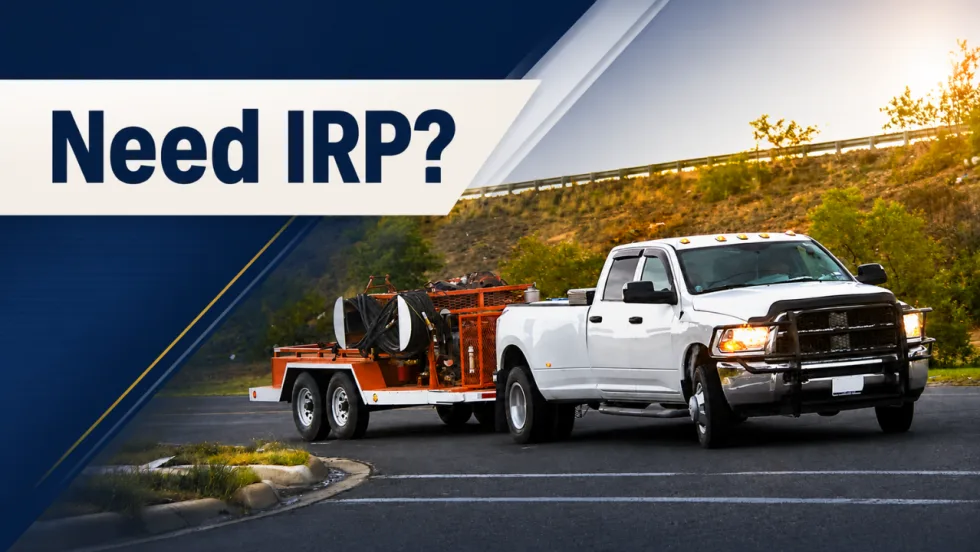
When Work Trucks Under 26,001 Pounds Need IRP Registration
Think trucks under 26,001 pounds are automatically in the clear when it comes to IRP? Not always. Learn where lighter vehicles can still run into trip permit, apportioned registration, and IFTA compliance requirements when crossing state or provincial lines.
Read More →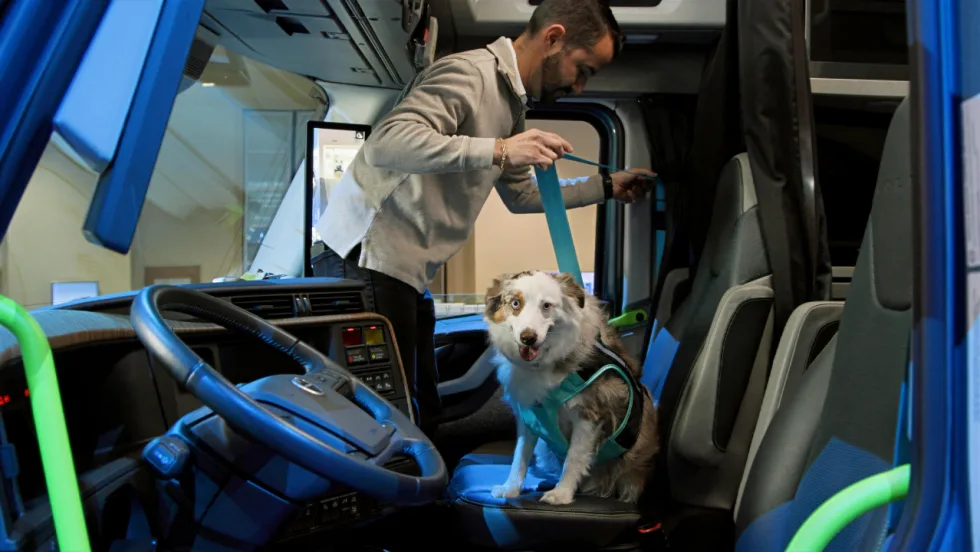
Volvo Trucks Releases New Safety Recommendations for Traveling with Pets
One of the most important recommendations for professional drivers traveling with pets is to ensure pets are properly restrained while the truck is moving. Other tips are available in the new guide from Volvo Trucks North America and Center for Pet Safety.
Read More →
API Issues Refueling Safety Guidelines
The American Petroleum Institute offers a list of safe vehicle refueling guidelines, including ways to avoid potential problems with static electricity discharges in fall, winter, and early spring.
Read More →


Winter Fleet Prep: Expert Tips to Keep Vehicles Running Smoothly
Cold weather can expose weak batteries, tires, fuel systems, and maintenance gaps fast. Use this winter fleet checklist to prepare trucks and drivers before temperatures drop.
Read More →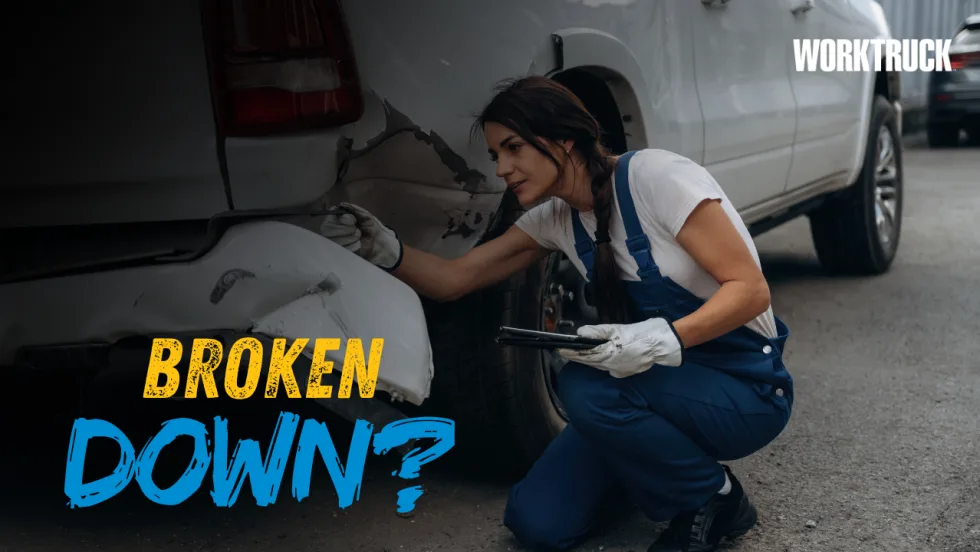
When a Work Truck Breaks Down, the Job Can Stop, Too
A work truck breakdown can stop more than the vehicle. Discover how payloads, jobsites, and specialty equipment change the roadside response.
Read More →
What Stronger Long-Term Fleet Service Partnerships Actually Require
Fleet service partnerships rarely fall apart all at once. Learn the three warning signs that trust is eroding and what fleets and providers can do before downtime, frustration, and lost revenue follow.
Read More →
Applause & TRUCE Software Partner to Improve Driver Safety Through AI-Powered Telematics & Employee Performance Management
Applause has integrated TRUCE driving metrics directly into its employee-first performance and safety platform that transforms mobile devices into AI-powered telematics.
Read More →
How Detroit Assurance with Active Brake Assist Works
Do you want to see what it is like to experience Detroit Assurance’s Active Brake Assist? In this video, Work Truck will put you in the cab to see how it all works and then hear more details from DTNA’s Mike Young.
Read More →
Get Left of Loss: A 5-Step Workplace Violence Prevention Framework for Fleet Operators
Violence risks do not stop at the driver’s door. Learn five practical steps fleets can take to spot threats early and protect workers before loss occurs.
Read More →
How Better Visibility Cut Speeding Violations by 48%
Fleet leaders don't need more data, they need clearer visibility into what the data is saying. This case study explores how one utility replaced speeding-event counts with a single metric — miles driven in violation — to strengthen safety and significantly reduce speeding violations.
Read More →