





Want More?
Route Planning Software Helps Fleets Handle Pandemic-Fueled Delivery Increases
Impact of Skyrocketing Home Delivery Needs
On a growth trend pre-pandemic, home delivery fleets are increasing their delivery rates in the triple digit percentages. This is having a big impact on the delivery fleets and drivers.
August 19, 2021
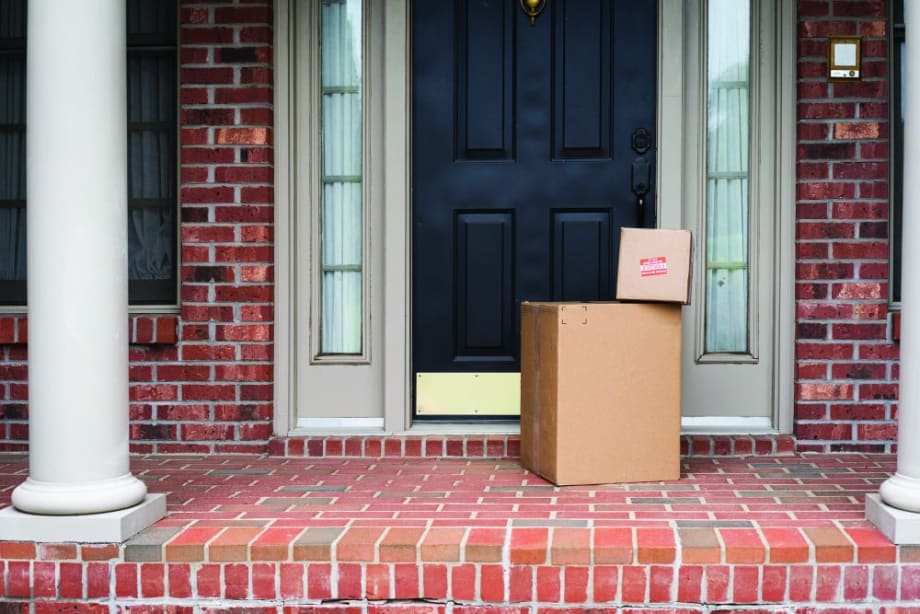
Drivers are anxious about meeting delivery windows, and back-office teams are scrambling to maintain visibility from miles away.
Photo: Gettyimages.com/anderluster
6 min to read
The pandemic spurred an increase of home deliveries, and many consumers relied on deliveries to keep them healthy and safe.
Before COVID, home delivery was on a growth trajectory but not at the exponential rates seen during the height of the pandemic.
“As it relates to the online grocery market in particular, the number of orders increased over 25% from May of 2019 to May of 2020. As the number of vaccinations increase, consumers are starting to frequent retail outlets again; however, the rates of e-grocery online orders are still strong and settling in at a new high over the 2019 rates through both home delivery service and curbside pick-up service,” said Tracey Patterson, NA Truck Product Manager for Thermo King.
According to an Omnitracs survey, more than half (53%) of consumers experienced instances where they used a delivery service to ensure that themselves or family members were safe. Additionally, 47% of consumers had groceries, beverages, or alcohol delivered for the first time.
“As many consumers have become accustomed to the convenience of deliveries for basic needs like food, we expect the number of consumers using delivery services to continue rising,” said Dr. Ashim Bose, chief data & AI officer for Omnitracs.
Zonar has seen grocery industry segments shoot up 700% for home deliveries.
“It’s important to keep in mind that this is an acceleration of a growth trend, this isn’t a temporary increase. We’ve been heading in this direction and now consumers are enjoying the convenience of at-home deliveries more than ever before. With a trusted system of deliveries that is focused on customer reputation and timeliness, consumers are more likely to continue to have services delivered to their homes,” said Nick Richardi, senior product manager for Zonar.
New Delivery Trends
It’s clear that during the COVID-19 pandemic, there was an increased demand for home deliveries like never before.
“Due to this, adoption of GPS tracking and fleet management in trucking companies has surged. This has always been a growing market but the COVID-19 pandemic brought a surge and highlighted it’s necessity,” said Morgan Minster, marketing manager at Wireless Links.
Another growth trend that really surged is the visibility of the shipment and being able to share its exact location on-demand.
“GPS tracking has been around for many years, but up until recently, customers had to call in to ask where their shipments were. The pandemic brought a surge in technology adoption of sharing the exact location on-demand with the customer. This eliminated check-calls and brought a more efficient supply chain to trucking fleets,” Minster added.
Another trend Minster saw was leveraging the driver’s mobile phone for anything from GPS tracking to ETA sharing to routing management. Leveraging the driver’s mobile for route management helps with efficiency since the routes can be calculated in real-time and drivers can be notified in real time on any delays for changes of his route.
Another concern during the pandemic were an increase in deliveries that required temperature monitoring solutions.
“Fleet companies were quicker to adapt temperature monitoring sensors and solutions so they can ensure proper temperatures are met throughout the supply chain. Adapting this technology benefits both the fleet and the customer. If there is a spoilage or if temperatures are shifting, fleets can act in real-time, saving them the costs of loss or damaged goods,” Minster said.
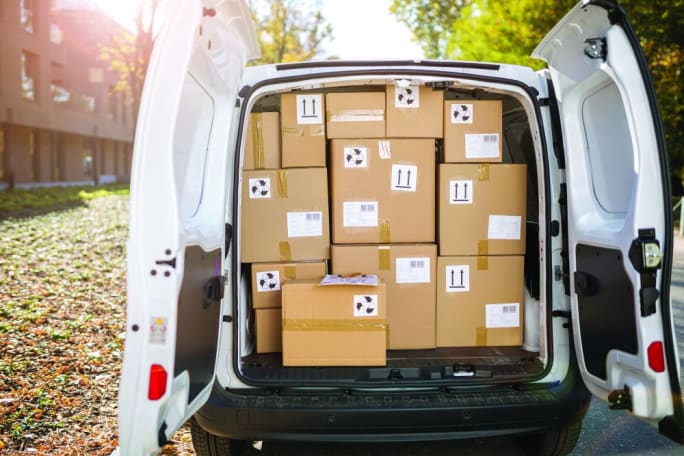
An increase in home deliveries has been occurring before the COVID-19 pandemic.
Photo: Gettyimages.com/PIKSEL
Impact on Trucking
You can’t talk about the impact of a growth in home deliveries without discussing the impact on the fleet drivers. Drivers are anxious about meeting delivery windows, and back-office teams are scrambling to maintain visibility from miles away.
“Many fleets need to adjust their business plans and adopt new technology that focuses on transparency, improved communication, and route optimization. Additionally, transportation companies and logistics technology suppliers are utilizing several new delivery methods to support the spike in home delivery. For example, drones are getting a lot of attention in the media and our recent survey found 45% of consumers are comfortable with drone delivery services. We are also seeing ground robots and other new innovations being utilized in certain areas,” said Dr. Bose of Omnitracs.
This added pressure can lead to more distracted driving and speeding.
“Fleets should adopt solutions that combat inattentive driving, with the ability to proactively notify drivers when they are distracted or drowsy and share this feedback with managers so they are notified. These solutions consist of a few different technologies like cameras, sensors, and AI that work in tandem to keep drivers focused on the road,” Dr. Bose added.
Speeding caused by time pressure is also a concern.
“There are speeding for conditions solutions that will alert drivers if they are driving too fast in dangerous conditions, like heavy rain, and also alert fleet managers so they can take proper measures to correct the behavior,” Dr. Bose said.
The added challenge of the truck driver shortage is also being felt.
“We need to adjust our mindset to provide better tools to help the current drivers be more efficient, while building trust between fleet managers and drivers. For example, tools such as cameras, enforce better driving behaviors, while also protecting driver safety and responsibility for incidents. This increases confidence and trust between drivers and fleet managers. It’s important to incentivize and empower drivers who are doing a good job by tracking their safe driving practices through driver scorecards,” said Richardi of Zonar.
Adaptation is going to be a challenge. Drivers will have to adapt to new technologies.
“Not all drivers are technological people and this certainly changes the game. Fleets and dispatchers will have greater visibility onto the driver’s exact location and routes and with the adoption of dash cams, drivers can certainly get that ‘big brother’ feeling. On the other hand, drivers will experience safety due to the dash cam and a more efficient work schedule due to real-time route optimization,” said Minster of Wireless Links.
Fleets also need to pay closer attention to the availability of drivers.
“This attention includes closely monitoring each drivers’ hours of service, using GPS tracking technology to quickly make necessary adjustments to routes, and reassigning drivers that might need more hours to step in where a route might be short of a driver,” Richardi added.
The vehicles being utilized by last-mile and delivery fleets are also being impacted by the surge in at-home deliveries.
“Urbanization and the demand for home delivery in heavily populated areas are a contributor to the trend towards smaller delivery vans as these allow for greater maneuverability. Also, it is easier to fill driver roles with smaller vehicles as special licenses are not required and people are more are at ease with driving vans that drive much like their personal vehicles,” said Patterson of Thermo King.
Keeping vehicles running and ready is more essential than ever before in delivery fleets.
“On the vehicle side, fleets need to have a good maintenance platform with predictive maintenance capabilities. Drivers need to know their vehicles are working and be able to quickly resolve fault codes before they get on the road,” Richardi said.
The demand for vehicles and drivers has increased and fleets have looked to third parties such as Door Dash, Uber and Instacart to help supplement their delivery services.
“The trend towards smaller vehicles and delivery vans is increasing as well. This, coupled with supply chain constraints, has increased vehicle lead times overall. Another reason fleets are looking to third parties and considering short term rentals to help fill the void,” Patterson concluded.
Subscribe to Our Newsletter
More Delivery
30 Years Ago Today The Sprinter Van Began to Play
The Mercedes-Benz Sprinter van is turning 30 years old – and is on track to surpass five million units sold by year’s end.
Read More →
Amazon Places Places Largest eActros Truck Order
Amazon places its largest-ever electric truck order with over 200 eActros 600 vehicles to reduce emissions across its European logistics network.
Read More →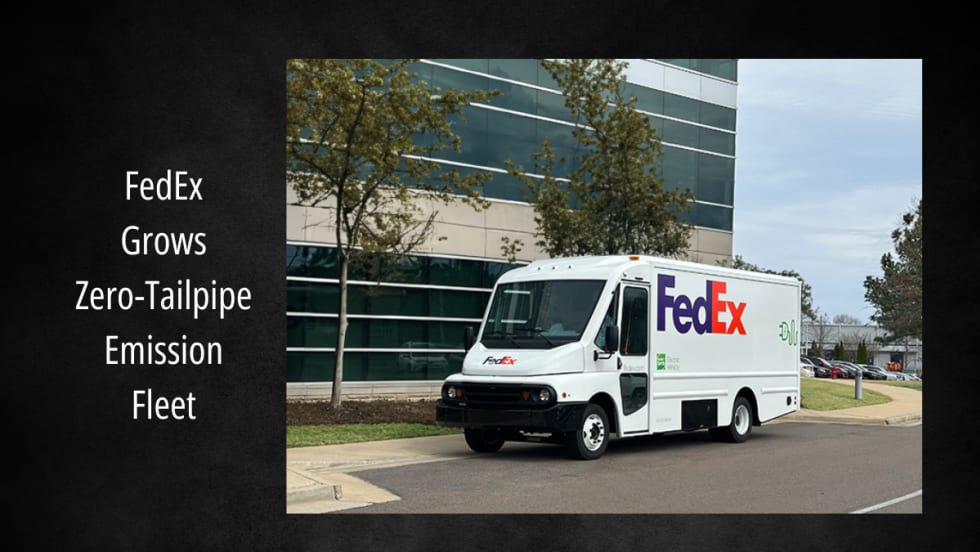
FedEx Orders 15 Workhorse W56 Step Vans
These 15 W56 step vans will support the FedEx goal to achieve carbon-neutral global operations by 2040.
Read More →
Gatik and ITOCHU Form Strategic Alliance for Middle-Mile Logistics
The collaboration with ITOCHU is part of Gatik's strategy to revolutionize the North American logistics landscape by deploying Freight-Only at scale.
Read More →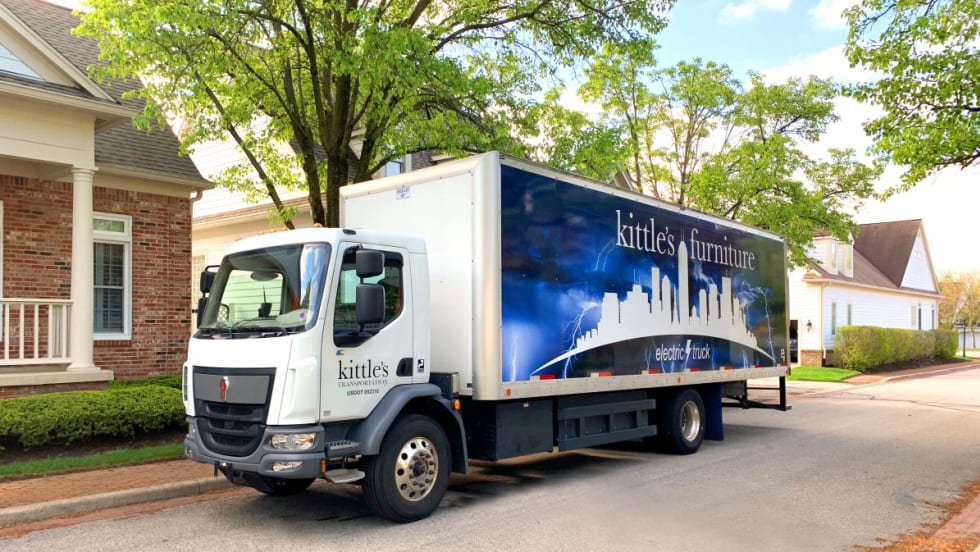
Kittle's Furniture Saves $10,000 a Year in Fuel Costs with Kenworth K270E
With six retail locations in Indiana, Kittle's Furniture uses a Kenworth K270E medium-duty electric truck to deliver furniture to customers in the Indianapolis metro area from its distribution center in Fishers.
Read More →
Bosch Launches RevX to Find the Best Load Every Time
The new cloud-based service from Bosch aggregates search results across multiple brokers and load boards based on a specific criterion, calculates profits, and helps with data-driven decision making to eliminate empty miles.
Read More →
Last-Mile Logistics: Optimizing Efficiency in Urban Deliveries
To make last-mile deliveries go smoothly, delivery companies can use strategies such as solving for demand fluctuations, using data and technology to plan better, and considering the technology offered to customers.
Read More →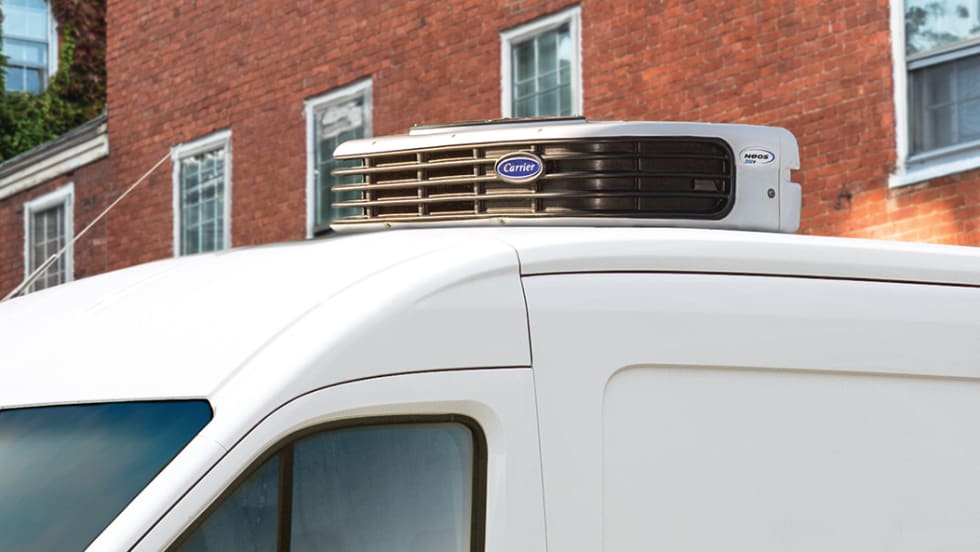
Carrier Transicold Offers Refrigeration for Small Delivery Vehicles
The engineless Neos 200e unit is part of Carrier Transicold’s growing family of eCool all-electric refrigeration systems.
Read More →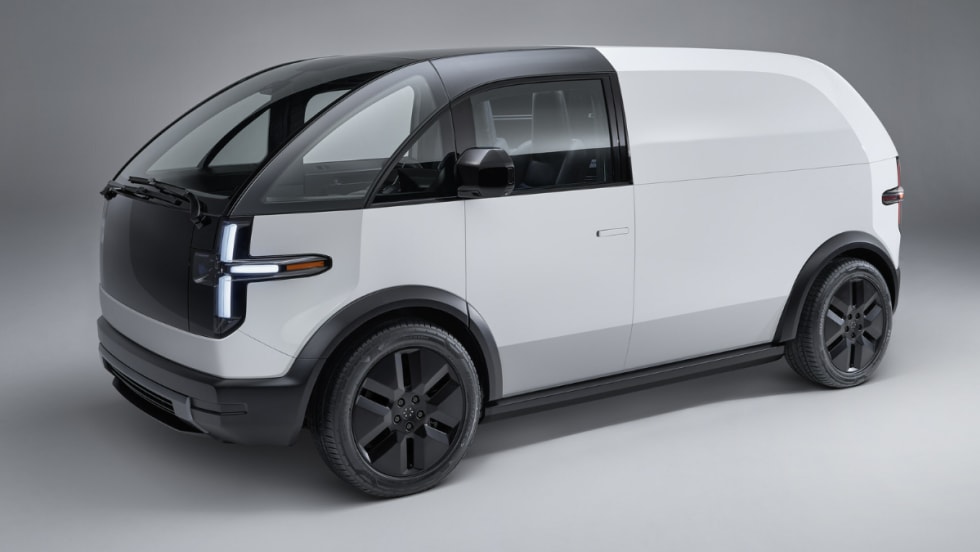
Canoo Set to Increase Vehicle Assembly Capacity
Canoo purchased manufacturing assets to reduce prices to scale production and made its first shipment to Oklahoma.
Read More →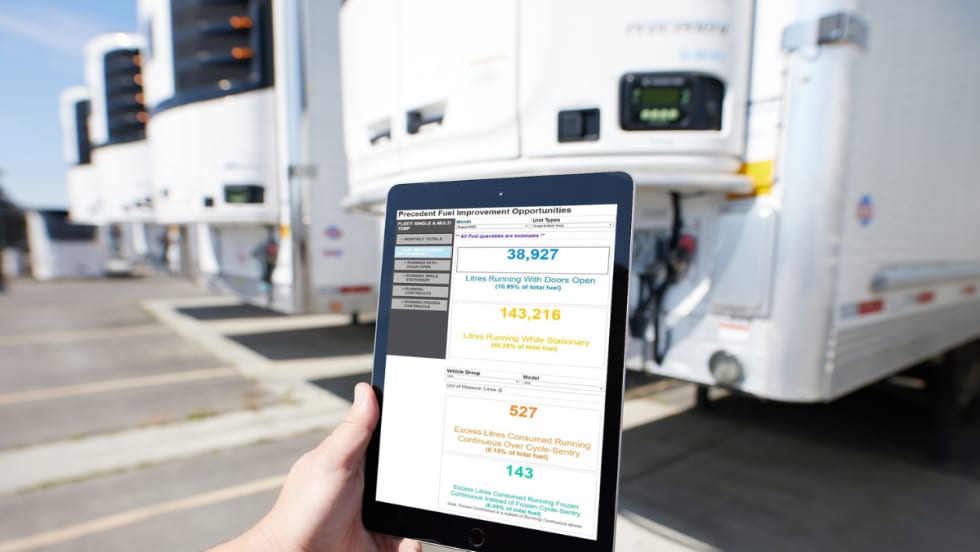
Thermo King & Trane Technologies Advances Cold Chain Decarbonization
New digital solutions offer Thermo King customers insights into unit status, performance, maintenance needs and more.
Read More →