




Related: Tire Selection & Maintenance Tips for Construction Fleets
How to Increase Truck Fuel Mileage
One simple and immediate way for truck fleets to save money at the pump is to keep their tires properly inflated. By maintaining the proper inflation pressure for a given tire size and load, tires also last longer and are safer.
by Harvey Brodsky
March 1, 2007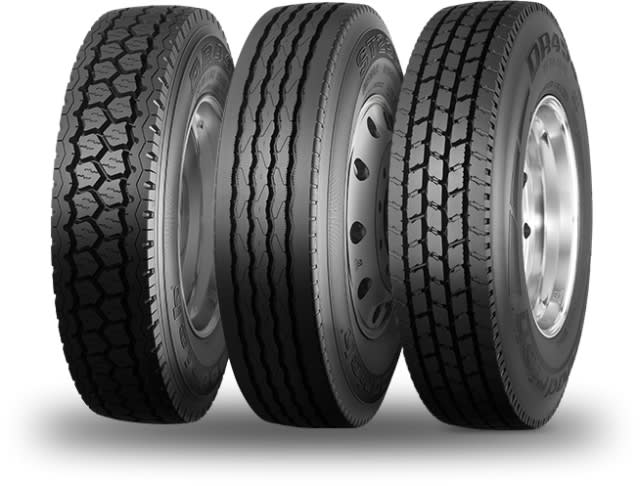
One simple and immediate way truck fleets can save money at the pump is to keep tires properly inflated, the single-most critical factor for getting the most out of tires.
Photo: BFGoodrich
6 min to read
Fuel economy has long been a major concern for truck fleets and fleet managers. Fuel is one of the largest and fastest-growing variable operating costs. A precious commodity, it is critically important to bottom-line profits. Fuel economy has taken on even greater significance with rising fuel prices.
One simple and immediate way truck fleets can save money at the pump is to keep tires properly inflated, the single most critical factor for getting the most out of tires. By maintaining the proper inflation pressure for a given tire size and load, tires not only last longer, they are also safer.
In fact, it is not the tire, but the air inside the tire that carries the vehicle’s weight, absorbs shock, and keeps the tire in proper shape to perform as designed. In addition to affecting rolling resistance and thus fuel economy, inflation pressures also influence handling, traction, braking, and load-carrying capability.
Tires flex when they roll, which bends the tire’s rubber and steel in the tire’s sidewall. (Steel is used within the rubber to provide additional operating characteristics.) This flexing generates heat. Wear is the result of friction created between the road’s surface and the tread as the tire rolls along. Heat is a tire’s worst enemy.
An improperly inflated tire doesn’t roll as smoothly or as easily as designed. Improperly inflated tires have an uneven, irregular tire footprint — the portion that contacts the road surface. This inconsistent shape leads to increased wear, reduced traction and performance, as well as handling and ride problems. It doesn’t take long for this wear to occur. At 55 miles per hour, a truck tire turns approximately 450 revolutions per minute.
When underinflated, a tire flexes more as it rolls, building up internal heat and increasing rolling resistance that increases fuel consumption. A tire’s degree of underinflation directly correlates to how fast the tire wears.
When overinflated, excessive wear occurs at the center of the tread because it bears the majority of the vehicle’s weight. In addition to creating a harsher ride, overinflated tires tend to not “absorb” road hazards such as debris and potholes, increasing the risk of sustaining a puncture or impact damage.
Because improper inflation shortens tread life, tires must be changed more often. In addition to replacement tire expenses, additional costs for tire service and vehicle downtime are incurred. Industry studies have shown that cost per mile almost doubles when tires — whether original or retreads — are pulled early due to uneven or rapid tread wear.
Checking a Tire's Air Pressure
Tire pressure should be checked when a tire is “cold” — before the driver starts the vehicle ignition or drives less than one mile. Once a vehicle is driven, tires warm up and experience an increase in air pressure, resulting in an inaccurate reading. A “hot” tire can take 3-4 hours to cool down once a vehicle is parked.
Tire pressure should be checked regularly, at least once a week with a properly calibrated tire gauge. Kicking or thumping the tire cannot accurately estimate inflation pressure. The truth is determining whether tires need air by thumping them is as effective as detecting whether the vehicle’s engine needs oil by thumping on the hood.
Even well-maintained tires lose air pressure, on average about one to two lbs. per month. This loss occurs naturally as air permeates the rubber. Temperature changes affect the rate of air loss, with more air lost in hot weather. Since air is a gas, it expands when heated and contracts when cooled.
Value caps should be installed on all valve stems and kept tight. Metal value caps are best, as they contain a rubber gasket to provide an airtight seal. Most plastic caps do not.
Frequent tire washing and cleaning is also a good idea. Tires can easily pick up contaminants from the road, such as grease, oil, road salt, etc., which can deteriorate tire rubber.
Select Tires Smartly
Tire selection impacts a vehicle’s overall fuel performance. Because tread depth and design have the biggest single effect on rolling resistance, tires should be application-specific. Consider using low-rolling resistance tires, low-profile tires, and wide-base tires. All may provide more fuel efficiency, depending upon the trucking application.
A wide-base tire is designed to replace dual wheel assemblies. It is about 11/2 times wider than a standard-size tire used in a dual-wheel position. Wide-base tires also offer weight and maintenance savings.
While all premium tires are built for long life, retreadability, and fuel economy, a tire designed specifically for fuel efficiency may not last as long as a tire designed for long tread life. Generally, the more shallow the tread depth, the better the fuel efficiency. Conversely, the deeper the tread, the longer the tread wear.
Retread truck tires are also available with application-specific tread designs. Retread tires perform as well as tires that have never been retreaded at a tremendous savings over the high cost of new tires. Every reputable truck tire manufacturer designs its tires for multiple lives, meaning the tires are designed to be retreaded.
Watch Out for Misalignment
Another factor in promoting long tire life and getting more miles per gallon is total vehicle alignment. The front end, other axles, and steering and suspension-related components all must operate in proper position.
Misalignment can cause tire-to-road drag and scrub, plus undesirable lateral forces, resulting in irregular wear and diminished tire life, difficulty in driving and handling, and reduced fuel economy.
As with air pressure, alignment must be checked regularly. A visual inspection and a “dirty-hand test” can usually reveal the beginning of alignment problems.
While performing the pre-trip walkaround safety inspection, a driver should look for wheel problems and tire injuries. Wheels ought to be inspected for cracks, rust and corrosion, lube leakage, and loose and missing lugs. Rubbing a bare hand along the tread and sidewalls, a driver can feel for flat spots, bulges, cuts, shoulder wear, sidewall damage, missing chunks of tread, and other damage, all potential causes of tire failure.
Driving Technique Does Matter
Vehicle speed has the single largest impact on fuel economy. Industry studies indicate that every one mile per hour increase in speed over 55 mph, costs one-tenth of a mile per gallon in fuel economy. Higher speeds also increase engine, vehicle, and tire wear, leading to higher maintenance costs and increased downtime.
Fuel-efficient driving techniques can achieve more miles from each tank of fuel. These techniques include starting out at the slowest engine speed to move the load and using the minimum rpm, minimum power, and fewest shifts necessary when accelerating (progressive shifting); running the engine in its peak torque range; using cruise control; using an engine brake; accelerating or decelerating well in advance to either speed up or stop; and planning direct, efficient trip routes.
Excessive idling also negatively impacts fuel economy. One industry study found that one hour of low idle at 600 rpm burns about 3/4 of a gallon of fuel. High idling at 900 rpm uses about 11/2 gallons of fuel. Some heavy truck and engine manufacturers advise drivers to idle only about five minutes for both initial warm-up before starting out and cool-down before shutting off the engine.
Practice Good Tire Maintenance
Good maintenance practices are essential to eliminating avoidable problems that impact a vehicle’s reliability, uptime, and fuel economy. The better a vehicle is maintained, the better it will operate, and that translates into improved efficiency and fuel mileage.
Two important elements of an effective maintenance program are drivers and service technicians. Well-trained drivers, familiar with the equipment they operate, can find problems with their trucks and report them. Likewise, service technicians must be skilled, properly trained, and kept up-to-date on the equipment they service.
A detailed driver’s vehicle report for daily truck pre-trip inspections is necessary. In addition, a system should be in place to respond to defects, problems, or deficiencies likely to affect a vehicle’s safe operation and which might result in its mechanical breakdown.
For additional information, visit the TRIB website.
Subscribe to Our Newsletter
More Fuel

The Smart Way to Build a Mixed-Energy Fleet Isn’t About Picking a Side
Mixed-energy fleets aren’t about picking a winning fuel. Sarah Booth of WEX explains how vehicle data, duty cycles, charging strategy, and real-world costs can help fleets choose the right energy source for each job.
Read More →
Ignoring This Dashboard Warning Could Cost Your Fleet Thousands in Fuel
New research suggests neglected diesel aftertreatment systems could waste up to $30 in fuel per vehicle each day. Here's why vocational fleets should pay attention.
Read More →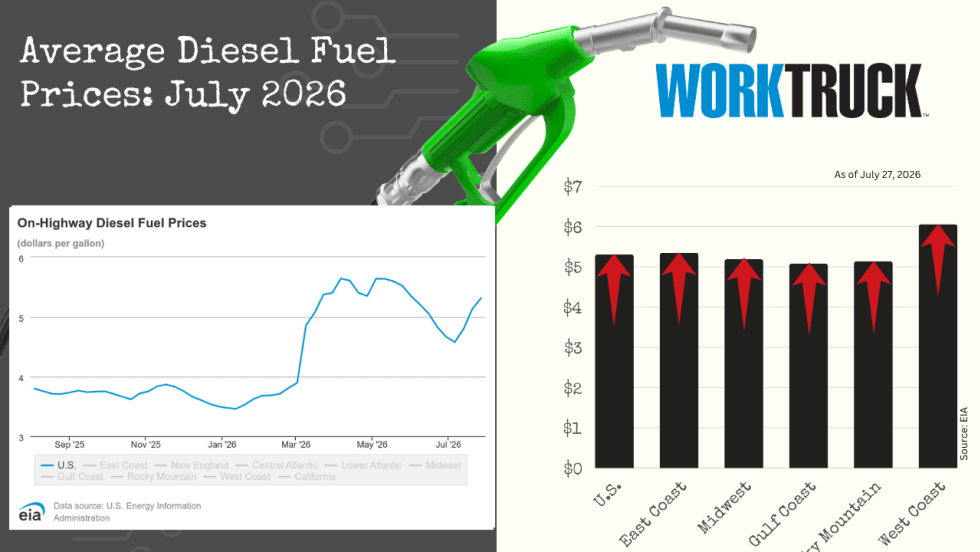
July Diesel Trends Update
The average price of a gallon of diesel increased again this week, and the EIA reported a new national average of $5.31 at the start of the week.
Read More →
WEX Brings Standard Fleet's Connected Vehicle Platform to Fleet Customers
This week’s product launch with Standard Fleet’s connected vehicle platform reflects WEX Venture Capital's strategy of turning startup innovation into customer solutions. Standard Fleet is now available to WEX fleet customers.
Read More →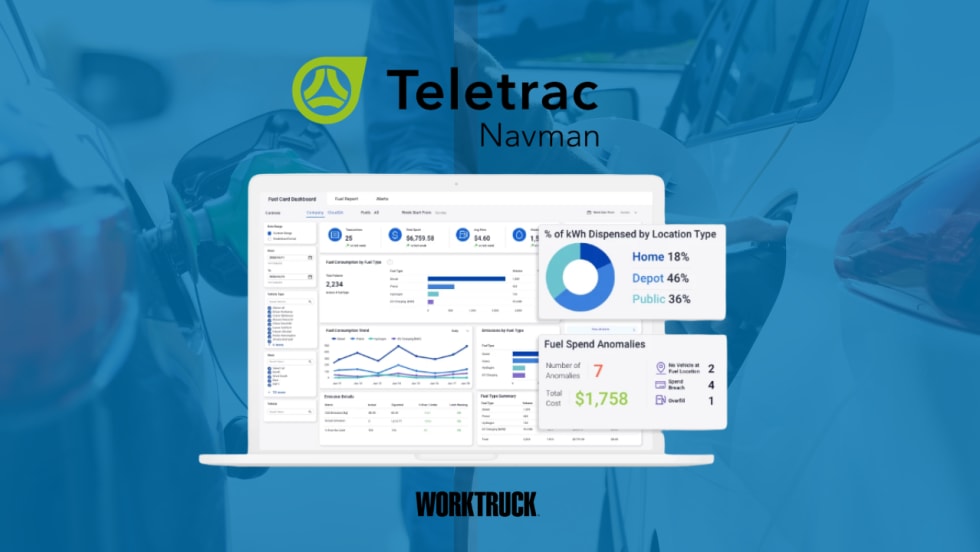
Teletrac Navman Adds Mixed-Energy Fleet Tools to TN360
The new Energy Hub combines fuel transactions, EV charging data, vehicle range, and energy costs in one dashboard for fleets operating multiple vehicle and energy types.
Read More →
WEX DriverDash adds CITGO, Expands Nationwide Access for Fleets
The DriverDash mobile payment app, by WEX, has been integrated into the CITGO merchant network, which means WEX has expanded its U.S. station footprint with the addition of approximately 4,000 CITGO locations.
Read More →
Mixed Energy Fleet Tips for Balancing EVs, Gas and Diesel Vehicles
Mixed energy fleets are becoming the new normal. Learn how fleet managers are balancing EVs, gas and diesel vehicles while controlling costs and planning for the future.
Read More →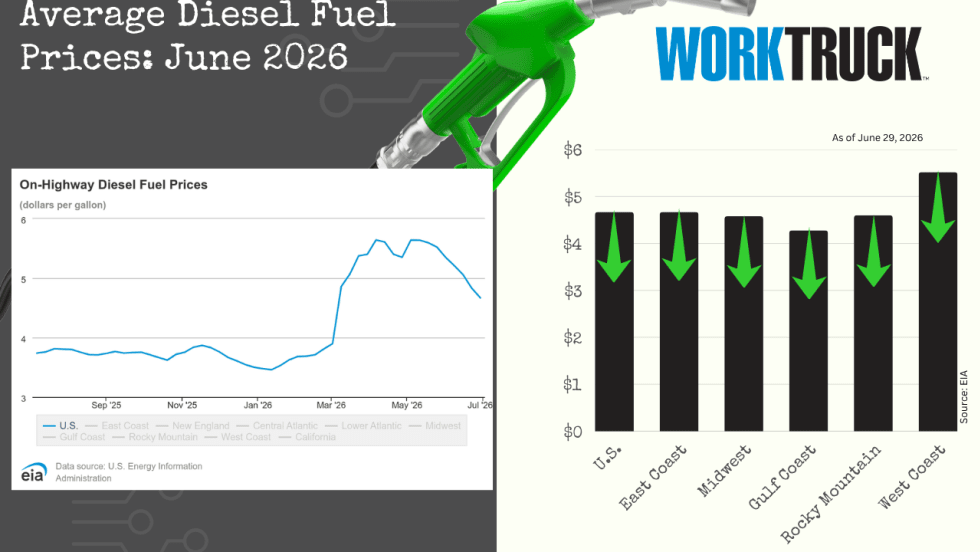
June Diesel Trends Update
The national average price of a gallon of diesel has dropped again, this week by more than 16 cents. All five regions reported lower average prices, ranging from almost 13 cents to more than 28 cents cheaper than a week ago.
Read More →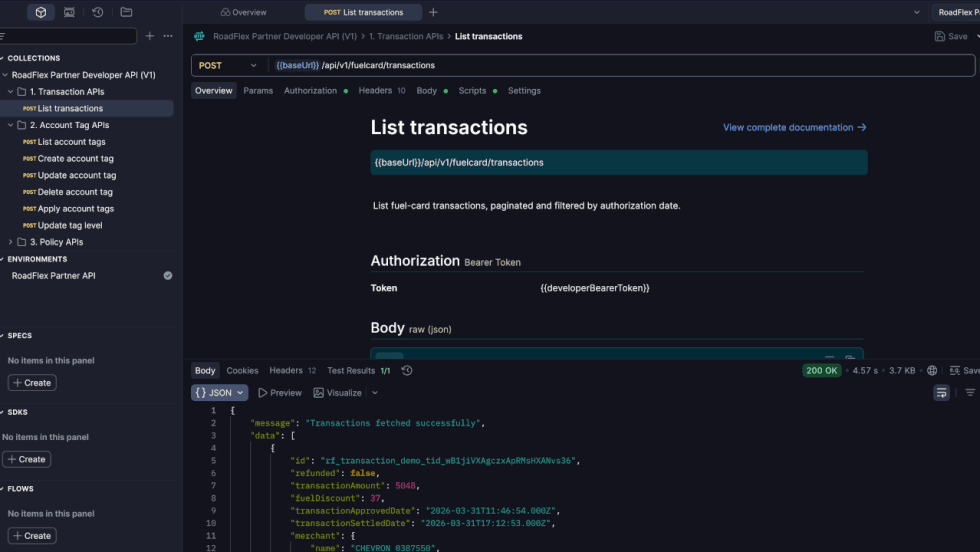
RoadFlex Launches RoadFlex Direct Open API Platform
RoadFlex Direct connects fuel cards, controls, and data to the telematics and fleet management systems fleets already run, from Geotab and Samsara to Fleetio and RTA, with no separate dashboard or double data entry.
Read More →
The Key to Fuel Efficiency Sits in the Cab
Learn how driver behavior, telematics, coaching, and fuel data can help fleets improve fuel efficiency, lower costs, and reduce emissions.
Read More →