




Bendix Highlights Driver Assistance Technologies in Live Demo
How to Extend the Life of Air Disc Brake Pads & Rotors
An investment in air disc brakes pays off in several ways both on the road and in the shop, from shorter stopping distances to reduced maintenance time.
by Bendix
July 13, 2021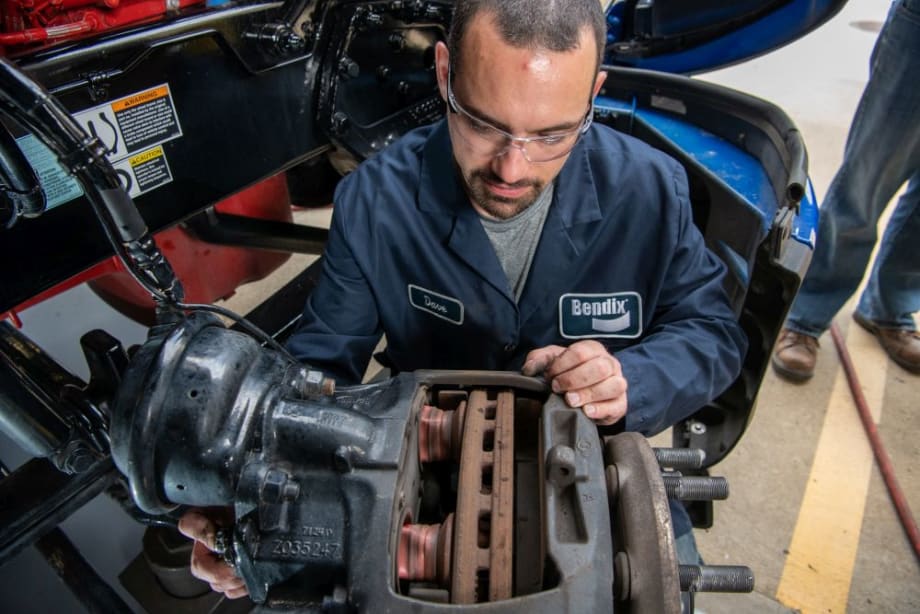
For ADBs that are regularly used in off-highway applications or muddy environments, Bendix recommends the use of ADB pad shields, which will prevent rocks or debris from getting lodged in the brake
Photo: Bendix
5 min to read
An investment in air disc brakes pays off in several ways both on the road and in the shop, from shorter stopping distances to reduced maintenance time. The most recent installment of the Bendix Tech Tips series addresses actions that fleets and owner-operators can take to protect that investment and extend the life of their air disc brake (ADB) pads and rotors.
“The more people realize the benefits of air disc brakes, the more we want to help them maximize ADB advantages over the life of the brake, to really get the most out of their investment in the technology,” said Mark Holley, Bendix director of marketing and customer solutions, Wheel-End. “The good news is that taking care of ADBs to ensure they reach their full potential is a pretty straightforward matter of knowing some basic facts, paying attention to your brakes, and making good choices when it comes to replacement parts.”
Considering the Couple
An understanding of the pairing of the brake pads and rotor – the friction couple – is a good place to begin, according to Holley.
“In technical terms, the friction couple converts the kinetic energy of the spinning rotor into heat energy by clamping the pads against the rotor, slowing the wheel-end,” he said. “The contact between the pad and rotor creates friction, generating heat energy that the rotor stores and then dissipates. In fact, one of the reasons ADBs don’t experience brake fade is that their design allows for much quicker heat dissipation than drum brakes.”
The best friction couples result when rotors and pads are designed and engineered specifically for each other. This is because there are many complex variables that determine how these components will perform when they come together to stop a vehicle, from the physical design and metallurgy of a rotor to the proprietary friction material in a brake pad.
“When an OE like Bendix can determine exactly what goes into both the rotor and brake pad individually, it means we can engineer them to optimize torque output – the actual stopping force provided to slow the wheel-end – and wear optimally together,” Holley explained. “We can design specific pads to wear at a rate with some equivalence to the rotor. This protects rotor life and helps ensure a quality friction couple. The wrong pad, for instance, may last longer but wear out the rotor faster.”
Know Your Friction
As ADBs have gained market acceptance, pad friction has evolved to account for varying fleet factors, including application, tractor/trailer brake combinations, and duty cycle. Not all aftermarket friction will meet FMVSS-121 requirements in effect at the time of a vehicle’s manufacture – and some pads have been shown to increase stopping distances when compared to OEM friction. When replacing ADB pads, Bendix recommends that fleets and owner-operators use like-for-like components to maintain the original manufacturer’s braking performance levels.
Bendix has created frictions to meet several wear rate performance needs, from managing high temperatures in applications with repeated, frequent brake usage such as refuse, school bus, and pickup/delivery to longer life friction for line-haul and trailers through more wearable volume.
Also affecting brake friction composition, the Environmental Protection Agency’s Copper-Free Brake Initiative Phase 2 took effect January 1 of this year, making it important to pay close attention to replacement friction material compliance. Bendix’s OE-level BX276TM and BX283TM pads have met the new material standards for several years now and will remain compliant with this regulation through 2024. The new Bendix BA236TM pad is an aftermarket friction that is also Copper-Free compliant through 2024.
Preventive Maintenance Tips
“A watchful eye for friction wear is really the heart of ADB preventive maintenance,” Holley noted. “Air disc brakes are lubricated for life and don’t need grease fittings or oil spray, so the focus should be on replacing the pads when they near end of life, before they could damage the rotor.”
Bendix offers an easy-to-use ADB pad wear gauge that simplifies the process of measuring the thickness of both rotors and friction. The tool doesn’t require removal of any brake components, and in addition to the friction thickness measurement, provides a percentage estimate of how much of the brake pad’s life remains.
For ADBs that are regularly used in off-highway applications or muddy environments, Bendix recommends the use of ADB pad shields, which will prevent rocks or debris from getting lodged in the brake.
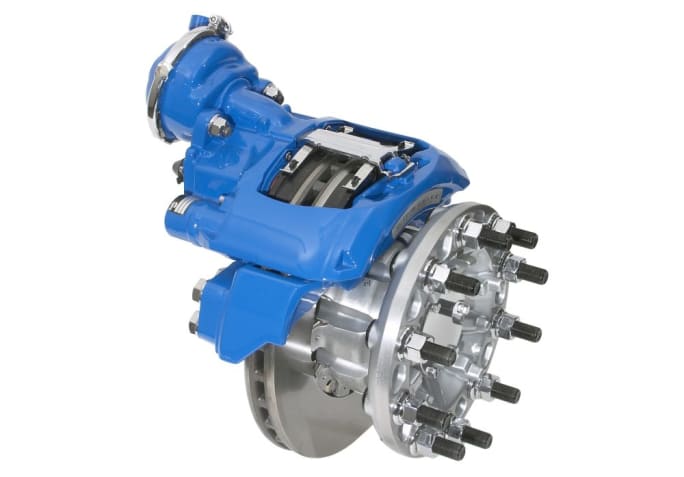
Because air disc brake performance and life affect the effectiveness of higher-level safety technologies like full-stability and collision mitigation, keeping ADBs in peak operating condition for as long as possible plays an important role in any fleet or owner-operator’s safety efforts.
Photo: Bendix
Using Smart Technology
While a visual check of pads is an effective way to determine remaining service life, new technologies enable a more proactive stance. For example, Bendix offers air disc brake pad wear sensing technology that determines when a pad is nearing its replacement period and provides a signal via telematics that fleets can use to proactively schedule maintenance. In addition, since the system provides alerts when pads are reaching the point of replacement, it protects costly ADB components, such as rotors, from being damaged by worn-out pads.
“Using sensors mounted to the ADB pads, the system monitors for the time when pad thickness approaches a worn-out condition,” Holley said. “It records a Diagnostic Troubleshooting Code (DTC) and signals a fleet’s office via telematics if the truck or trailer has that capability. It’s also calibrated so that at the time of notification, enough pad life remains to schedule replacement service before an emergency develops.”
Because air disc brake performance and life affect the effectiveness of higher-level safety technologies like full-stability and collision mitigation, keeping ADBs in peak operating condition for as long as possible plays an important role in any fleet or owner-operator’s safety efforts. The right maintenance practices and careful selection of replacement parts help protect the investment in air disc brakes and contribute to safer roads for everyone.
Subscribe to Our Newsletter
More Maintenance & Uptime
Armor Equipment Strengthens Minnesota Service Capabilities with Acquisition of Dakota Truck
Armor Equipment has acquired Dakota Truck, a medium- and heavy-duty truck and trailer repair business based in Lakeville, Minnesota. The acquisition adds truck and trailer repair expertise, building on Armor’s expansion into the Upper Midwest.
Read More →
LaFontaine Partners With UVeye to Expand AI Vehicle Inspections in Michigan
LaFontaine is expanding UVeye AI vehicle inspections across Michigan, while UVeye tells Work Truck how the technology can support fleet maintenance and heavy-duty vehicle inspections.
Read More →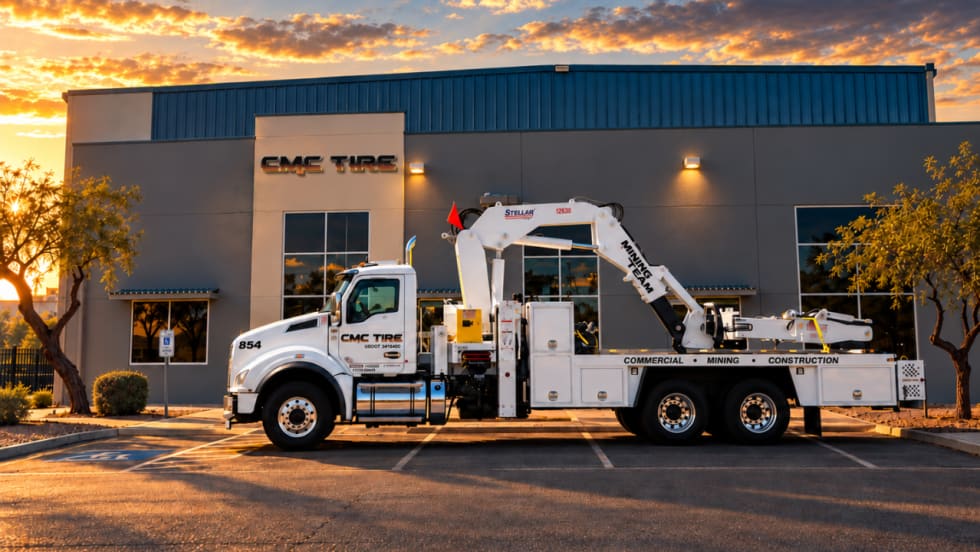
Les Schwab Expands Commercial Tire Footprint Into Arizona
Les Schwab Tires has expanded into Arizona with two commercial tire locations in Phoenix and Tucson, strengthening its fleet service footprint in the Southwest.
Read More →From Our Partners




Volvo Trucks’ 'Lock and Leave' Software Updates Go Live Across North America
Unattended over-the-air software updates are now available in Volvo trucks across the U.S. and Canada. The new capability lets trucks stay current with the latest software without interrupting operations or requiring a dealership visit.
Read More →
Why Technician Appreciation Can’t Be a Once-a-Year Thought
For fleets trying to keep skilled technicians, recognition cannot begin and end with Technician Appreciation Week. Learn what year-round appreciation really looks like and why the everyday technician experience matters just as much as pay when fleets are trying to keep good people.
Read More →
How Faster Driver Reporting Can Keep Small Truck Problems Small
When minor damage, warning lights, or equipment issues are reported late, small problems can quickly become bigger maintenance headaches. Conversational AI can help shorten the path from what a driver notices in the field to the person who can act on it.
Read More →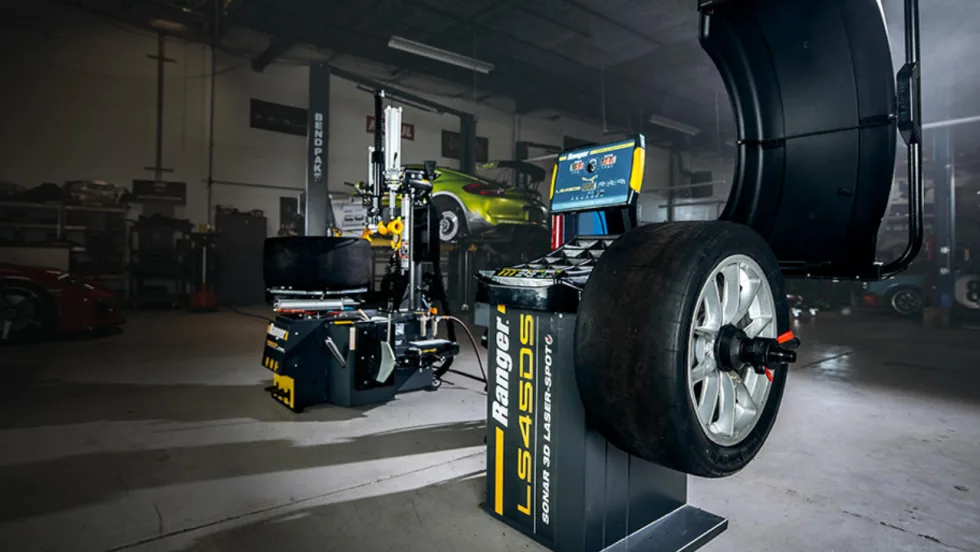
BendPak’s Ranger Wheel Service Equipment Achieves North American Safety Certification
BendPak’s full line of Ranger tire changers and wheel balancers has been ETL certified to UL and CSA standards to improve operator safety.
Read More →
Isuzu & U.S. Department of Labor Celebrate Milestone for Veterans Apprenticeship Program
The Isuzu Veterans Apprenticeship Program (IVAP) signing ceremony highlighted Isuzu’s long-term commitment to veterans, Isuzu dealers, and the skilled workforce supporting its customers and the commercial transportation industry.
Read More →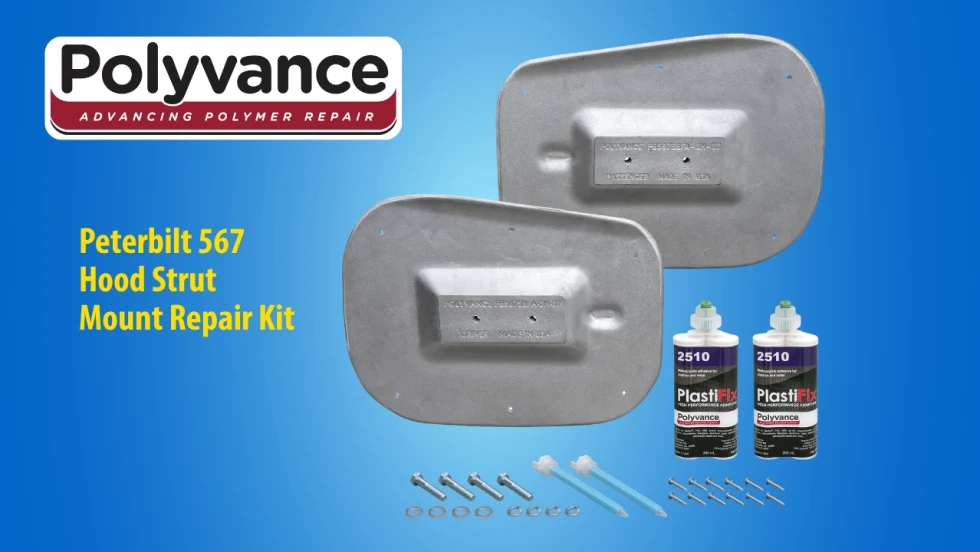
Polyvance Introduces New Peterbilt 567 Hood Strut Mount Repair Kit
Polyvance has launched a repair solution for Peterbilt 567 hood struts, helping truck owners and repair facilities avoid costly hood replacements.
Read More →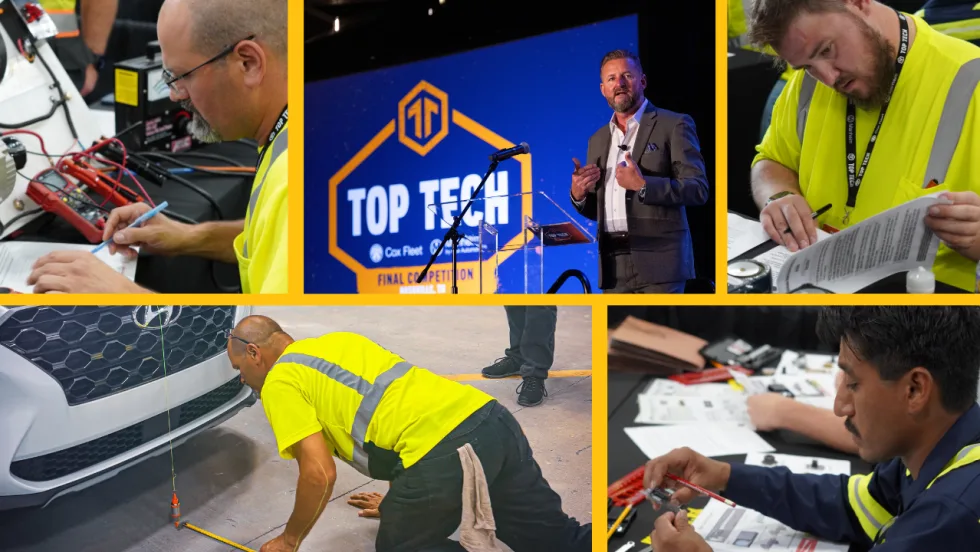
Cox Automotive Celebrates Technical Excellence at 2026 Top Tech Finals
The top technicians from Cox Fleet and Manheim tested their skills in Nashville, Tennessee, at Cox Automotive’s 2026 Top Tech Finals. The overall winners will advance to compete at the American Trucking Association’s TMC SuperTech competition.
Read More →