





Upgrading Refuse Fleets to CNG: Three Considerations Beyond Economics
How Next-Generation CNG Engines Are Changing Perceptions in the Fleet Industry
CNG is more than an alt fuel. Today’s engines offer real cost savings, cleaner ops, and diesel-matching power for commercial fleets looking to level up.
June 10, 2025
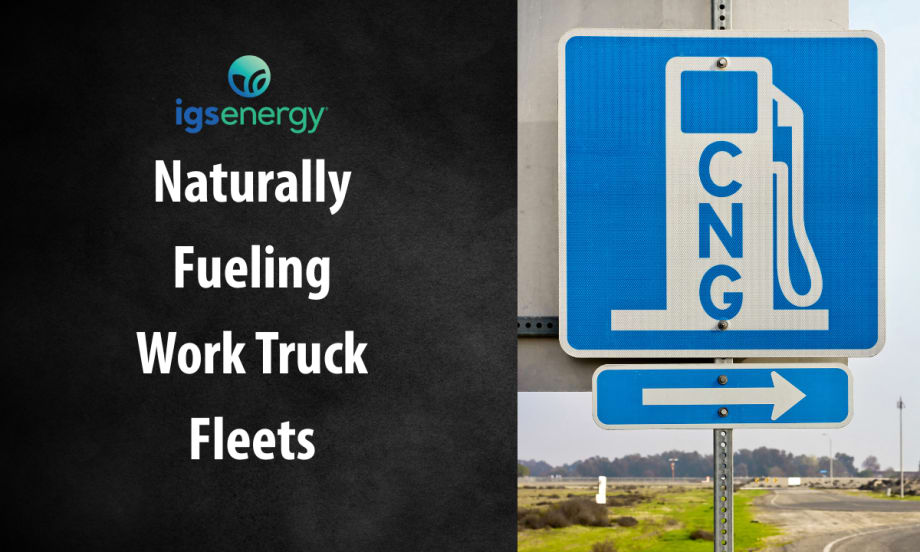
Modern CNG-powered work trucks deliver on performance, sustainability, and cost savings, helping fleets go greener without compromising power or reliability.
Photo: Work Truck | IGS Energy
4 min to read
Compressed natural gas (CNG) is more than an alternative fuel for environmentally conscious businesses and work truck fleets. It's also a powerful challenger to traditional diesel engines, offering clear cost, sustainability, and performance advantages.
For the commercial fleet industry, where balancing costs, efficiency, and environmental concerns is a persistent challenge, the evolution of CNG technology can be a game-changer.
Understanding CNG Technology
To appreciate the advancements made in CNG engines, it’s important fleet managers to understand how they operate first. CNG vehicles work similarly to traditional internal combustion engines in gasoline or diesel vehicles.
The key difference lies in the fuel delivery system:
Fuel Storage: Natural gas is stored in high-pressure tanks on the vehicle, typically behind the cab.
Pressure Regulation: Fuel moves through a pressure regulator that reduces the gas pressure to levels suitable for the engine.
Fuel Injection and Combustion: The gas is injected into the engine, mixed with air, compressed, and ignited with a spark plug.
To ensure efficient performance, these engines require specific components, such as CNG fuel tanks, pressure regulators, fuel injectors, and spark-ignition systems.
Advantages of Next-Generation CNG Engines for Work Truck Fleets
The latest advancements in CNG technology have addressed previous concerns about power, range, and infrastructure, making it a viable choice for fleet operators. The benefits of next-generation CNG engines include:
1. Cost Efficiency for Fleet Operations
CNG typically costs less than diesel or gasoline, and thanks in part to its stability as a domestically produced fuel, CNG prices are less prone to global market fluctuations.
Additionally, CNG engines burn cleaner than diesel and experience less wear and tear, which can translate to lower maintenance expenses over time. These engines don’t need advanced, expensive exhaust aftertreatment systems or diesel exhaust fluid.
2. Environmental Benefits for Sustainability Goals
CNG engines emit significantly fewer greenhouse gases and pollutants, including nitrogen oxides and particulate matter, than diesel engines.
CNG offers a credible solution for fleet managers aiming to meet corporate sustainability goals or reduce Scope 3 emissions.
3. Enhanced Performance and Reliability
Historically, critics of CNG engines pointed to lower torque and power than diesel, but recent innovations have changed that narrative. Today's CNG engines, such as the newly released Cummins X15N, match diesel engines in both power and reliability, making them suitable for heavy-duty applications like transit buses and delivery vehicles.
Another benefit? They’re quieter. CNG engines operate with significantly less noise than their diesel counterparts, offering a more pleasant driving experience and creating less noise pollution in urban environments.
Overcoming Challenges with CNG Adoption
While CNG offers numerous benefits, its adoption may also present some challenges. The good news is that developments in technology and infrastructure expansion are mitigating many of these hurdles.
1. Fueling Infrastructure Needs
While diesel benefits from an established and widespread fueling network, CNG stations, though growing, have historically been limited in availability. The solution? More companies are opting for on-site fueling stations, tapping into the natural gas utility lines in front of their facility that are widely available throughout the U.S. These stations reduce logistical challenges, improve operational efficiency, and provide cost predictability for fleet operators.
2. Maintenance Impact for Fleets
CNG vehicles tend to require minimal upkeep, thanks to their clean-burning nature. However, transitioning to CNG does involve some upfront considerations:
Maintenance shop upgrades, such as compliant ventilation systems, may be needed to handle CNG safely indoors.
Training mechanics to service CNG components is essential. Fortunately, many service providers offer resources to help fleets facilitate the transition.
Real-World Fleet Applications
Fleet operators across the U.S. increasingly turn to compressed natural gas (CNG) to reduce fuel costs and emissions. In Ohio, several organizations have made notable strides:
Rumpke Waste & Recycling partnered with IGS Energy to develop a dedicated CNG fueling station, supporting the company’s transition to lower-emission refuse trucks.
Central Ohio Transit Authority (COTA) incorporated CNG into its bus fleet, enhancing fuel reliability and optimizing fill speeds through advanced technology.
Local Waste Services implemented a time-fill CNG station to support day-to-day operations, aligning with the company’s sustainability goals.
These examples illustrate how CNG is integrated into diverse transportation systems as part of broader efficiency and sustainability strategies.
Why CNG Deserves a Closer Look from Work Truck Fleet Managers
Fleet managers must stay ahead in a rapidly changing industry. CNG provides a forward-looking solution that balances economics and environmental responsibility. By reducing fuel costs, streamlining maintenance, and contributing to sustainability goals, CNG engines pave the way for smarter fleet operations.
For fleet operators hesitant about making the leap, the good news is that the transition to CNG isn't all-or-nothing. Start by converting a percentage of your fleet to evaluate the performance and savings firsthand.
Subscribe to Our Newsletter
More Fuel

The Smart Way to Build a Mixed-Energy Fleet Isn’t About Picking a Side
Mixed-energy fleets aren’t about picking a winning fuel. Sarah Booth of WEX explains how vehicle data, duty cycles, charging strategy, and real-world costs can help fleets choose the right energy source for each job.
Read More →
Ignoring This Dashboard Warning Could Cost Your Fleet Thousands in Fuel
New research suggests neglected diesel aftertreatment systems could waste up to $30 in fuel per vehicle each day. Here's why vocational fleets should pay attention.
Read More →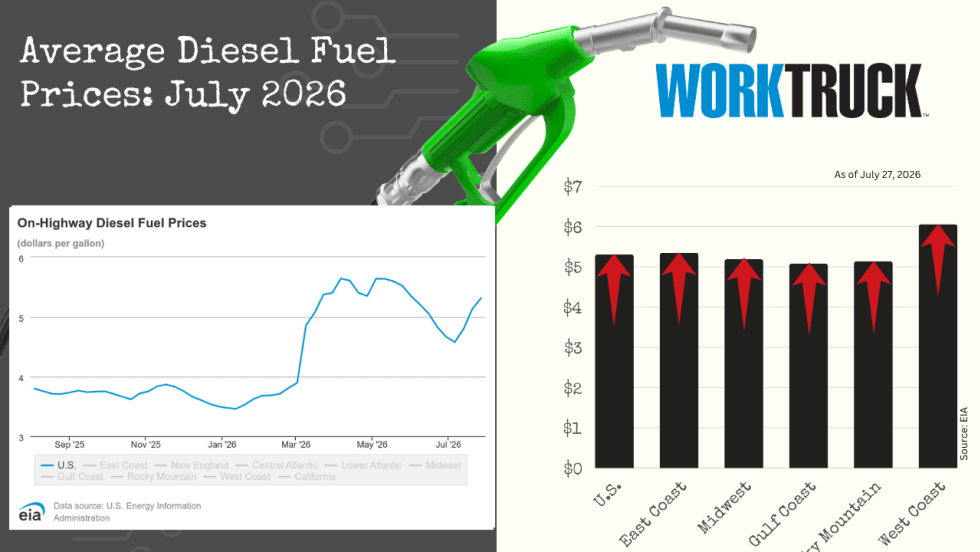
July Diesel Trends Update
The average price of a gallon of diesel increased again this week, and the EIA reported a new national average of $5.31 at the start of the week.
Read More →
WEX Brings Standard Fleet's Connected Vehicle Platform to Fleet Customers
This week’s product launch with Standard Fleet’s connected vehicle platform reflects WEX Venture Capital's strategy of turning startup innovation into customer solutions. Standard Fleet is now available to WEX fleet customers.
Read More →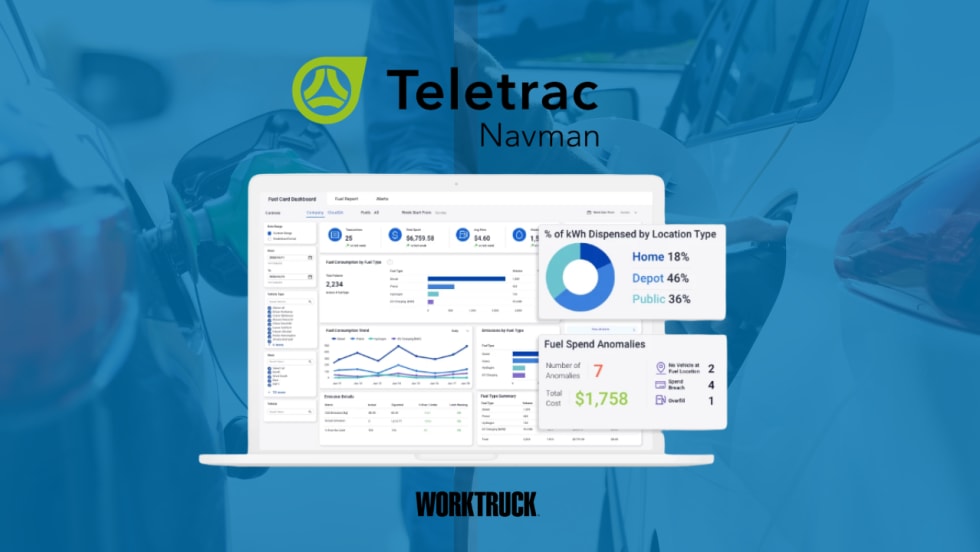
Teletrac Navman Adds Mixed-Energy Fleet Tools to TN360
The new Energy Hub combines fuel transactions, EV charging data, vehicle range, and energy costs in one dashboard for fleets operating multiple vehicle and energy types.
Read More →
WEX DriverDash adds CITGO, Expands Nationwide Access for Fleets
The DriverDash mobile payment app, by WEX, has been integrated into the CITGO merchant network, which means WEX has expanded its U.S. station footprint with the addition of approximately 4,000 CITGO locations.
Read More →
Mixed Energy Fleet Tips for Balancing EVs, Gas and Diesel Vehicles
Mixed energy fleets are becoming the new normal. Learn how fleet managers are balancing EVs, gas and diesel vehicles while controlling costs and planning for the future.
Read More →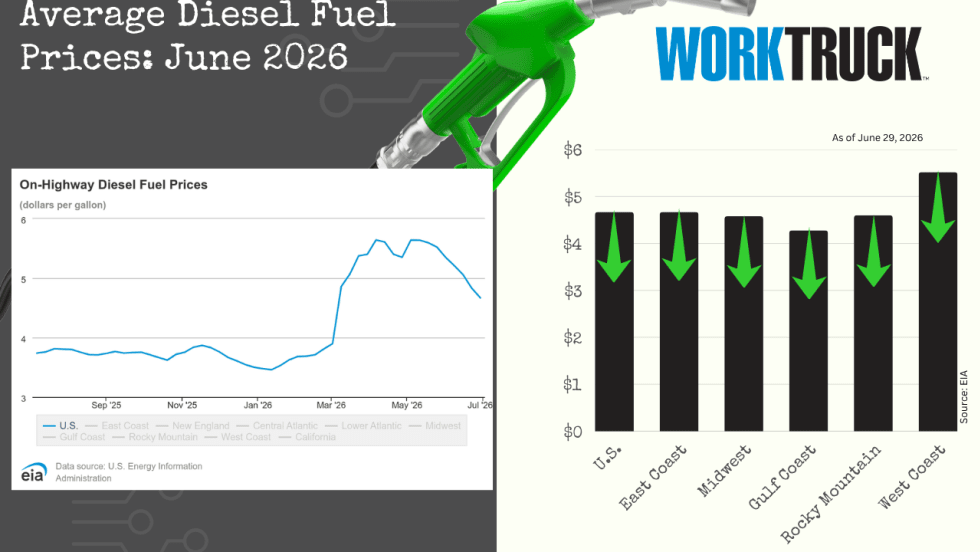
June Diesel Trends Update
The national average price of a gallon of diesel has dropped again, this week by more than 16 cents. All five regions reported lower average prices, ranging from almost 13 cents to more than 28 cents cheaper than a week ago.
Read More →
RoadFlex Launches RoadFlex Direct Open API Platform
RoadFlex Direct connects fuel cards, controls, and data to the telematics and fleet management systems fleets already run, from Geotab and Samsara to Fleetio and RTA, with no separate dashboard or double data entry.
Read More →
The Key to Fuel Efficiency Sits in the Cab
Learn how driver behavior, telematics, coaching, and fuel data can help fleets improve fuel efficiency, lower costs, and reduce emissions.
Read More →