





Fleet Tips: How to Match the Right Oil to a Truck Engine
Fleet 101: Understanding Direct vs. Port Injection in Engines
Today, we use fuel injection to get our engines running, and there are two main ways to make this mixture happen in an internal combustion engine – direct injection or port injection. But what, exactly, do they do?
November 18, 2019
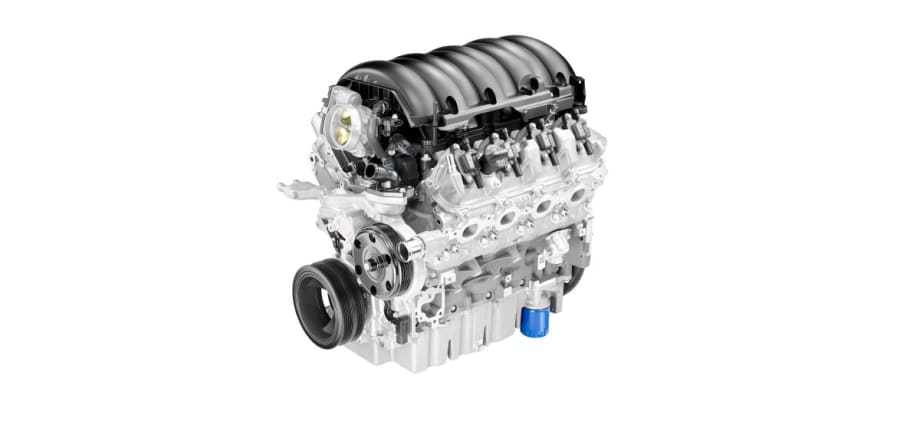
The all-new 6.6L gas engines for the Chevrolet Silverado HD feature direct-injection technology.
Photo: General Motors
4 min to read
Truck engines have changed a bit since the first automobiles hit the road, but the basic premise for gasoline engines is the same: you need fuel, oxygen, and a spark to make it work. Diesel engines have no spark plug, using the heat of compressed air to ignite the fuel.
At the fundamental level, fuel is delivered by injecting it via a calculated burst of a fine spray into the combustion chamber of an engine.
With fuel prices continuing to fluctuate, ensuring you are operating the most fuel-efficient fleet possible is top of mind for many commercial fleet operators.
When Did Vehicles Start Using Fuel Injection Systems?
Initially, the way to mix the fuel with air was through a carburetor, patented in 1872. With the updated needs of catalytic converters, carburetors were no longer efficient.
Today, we use fuel injection, and there are two main ways to make this mixture happen in an internal combustion engine – direct injection or port injection.
But, is port injection better than direct injection? And just what are the advantages of direct injection over port injection?
The Basics: Fuel Injection 101
First, we start with the basics. What is fuel injection in the first place?
At the top-level, fuel injection is the process of introducing fuel to your internal combustion engine. According to JD Power, it was way back in the 1930s when the first mass-produced diesel passenger cars with fuel injectors hit the road.
Carburetors were the device of choice in the early days of driving, which did not require electricity to run. These devices used the engine's natural air suction to function. In the 1980s, things changed as technology continued to advance.
Direct Injection Engine vs. Port Fuel Injection Engine
Next, we go a little deeper: What is a direct fuel injection system, and why does this matter in internal combustion engines?
Direct-injection engines have been around for quite some time, used in fighter aircraft in World War II. It is the fuel delivery method where fuel is injected directly into the combustion chamber.
“With a direct-injection engine, the fuel is atomized by the extreme pressure used to inject it – up to 2,200 pounds per square inch (psi) on the all-new 6.6L V-8 gas engines offered on the 2020 Chevrolet Silverado HD,” explained Mike Kociba, assistant chief engineer of Small Block engines for General Motors.
And, while direct injection can help improve overall combustion efficiency, it is also known to increase overall fuel economy and lower emissions.
According to Car & Driver, half of the U.S. new car and truck fleet is now equipped with a gasoline direct injection engine.
Now, what about port injection? Port fuel injection has been around since the 1980s and means that fuel is delivered to the engine directly into the intake manifold or cylinder head. Fuel is sprayed on the valve, which then uses the heat from the valve to atomize the fuel further.
“Both systems focus on atomizing the fuel for more efficient combustion of the fuel. The difference is how they atomize the fuel: direct injection uses very high pressure and is sprayed directly into the spark plug area to ignite. Port fuel injection uses heat from the valves to atomize the fuel before being ingested into the cylinder when the valve opens,” Kociba said.
Going Deeper: Dual Injection Fuel Systems
Beyond direct injection and port injection engine options, there are also dual injection fuel systems to consider. These systems are said to "combine the fuel economy and knock benefits of direct injection while the lower emissions of a port injection system.
A dual fuel injection system utilizes a single fuel circuit and a high-pressure pump, plus one injector per cylinder.
Looking into the Engine Differences & Advantages
The most significant advantage of direct injection is it injects a cooler air/gas mixture into the cylinder. That reduction in heat has two benefits.
“First, it enables a higher compression ratio which offers higher performance and efficiency. Second, it enables better engine performance at cold starts, which is especially important in cold, northern climates,” Kociba noted.
The biggest advantage of port fuel injection is it naturally cleans the valves with every spray of fuel.
“For direct injection engines, we have engineered sophisticated systems to prevent valve build-up – including a positive crankcase ventilation system that helps prevent oil from depositing on the valves,” he added.
One disadvantage of port injection is that fuel can puddle and be absorbed by surrounding areas, making it harder to control.
General Motors has been using direct injection engines for more than a decade.
What's the Best Fuel Injection Choice for Fleet Operators?
When it comes to whether direct injection is more efficient, they believe they know the answer:
“GM went with direct injection engines because it delivers impressive levels of performance, efficiency, and durability. We have applied all the expertise we have developed through generations of direct-injection designs to the all-new 6.6L gas engines on the Silverado HD,” Kociba concluded.
Note: Last updated April 19, 2023
Subscribe to Our Newsletter
More Maintenance
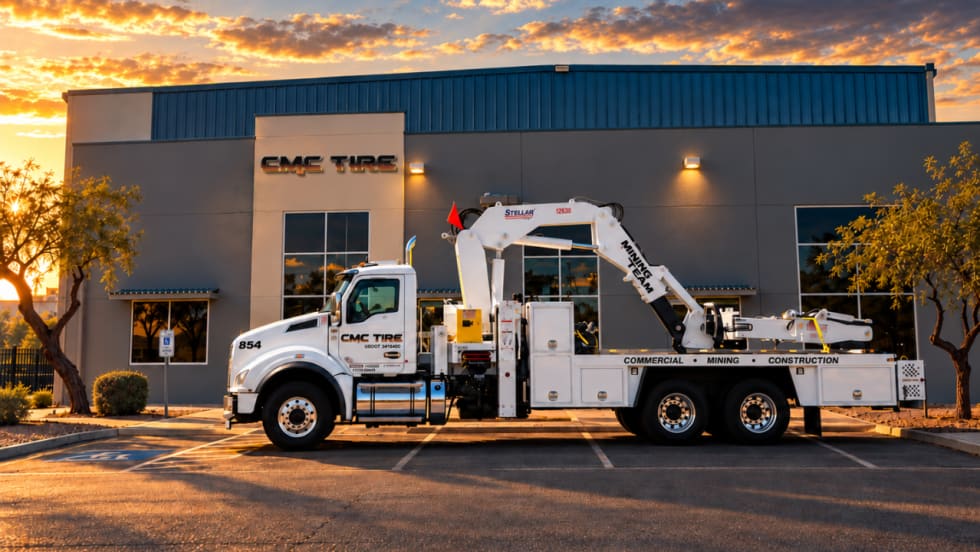
Les Schwab Expands Commercial Tire Footprint Into Arizona
Les Schwab Tires has expanded into Arizona with two commercial tire locations in Phoenix and Tucson, strengthening its fleet service footprint in the Southwest.
Read More →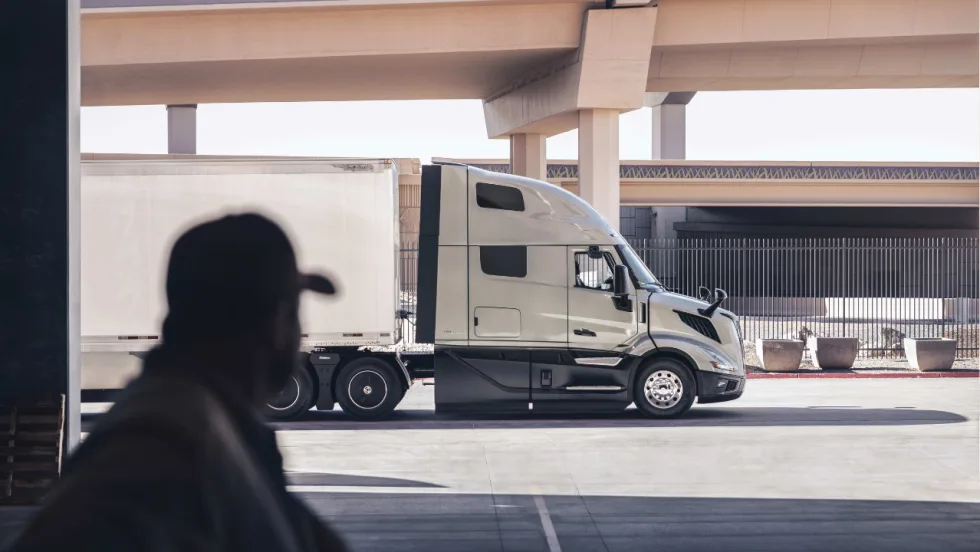
Volvo Trucks’ 'Lock and Leave' Software Updates Go Live Across North America
Unattended over-the-air software updates are now available in Volvo trucks across the U.S. and Canada. The new capability lets trucks stay current with the latest software without interrupting operations or requiring a dealership visit.
Read More →
Why Technician Appreciation Can’t Be a Once-a-Year Thought
For fleets trying to keep skilled technicians, recognition cannot begin and end with Technician Appreciation Week. Learn what year-round appreciation really looks like and why the everyday technician experience matters just as much as pay when fleets are trying to keep good people.
Read More →
How Faster Driver Reporting Can Keep Small Truck Problems Small
When minor damage, warning lights, or equipment issues are reported late, small problems can quickly become bigger maintenance headaches. Conversational AI can help shorten the path from what a driver notices in the field to the person who can act on it.
Read More →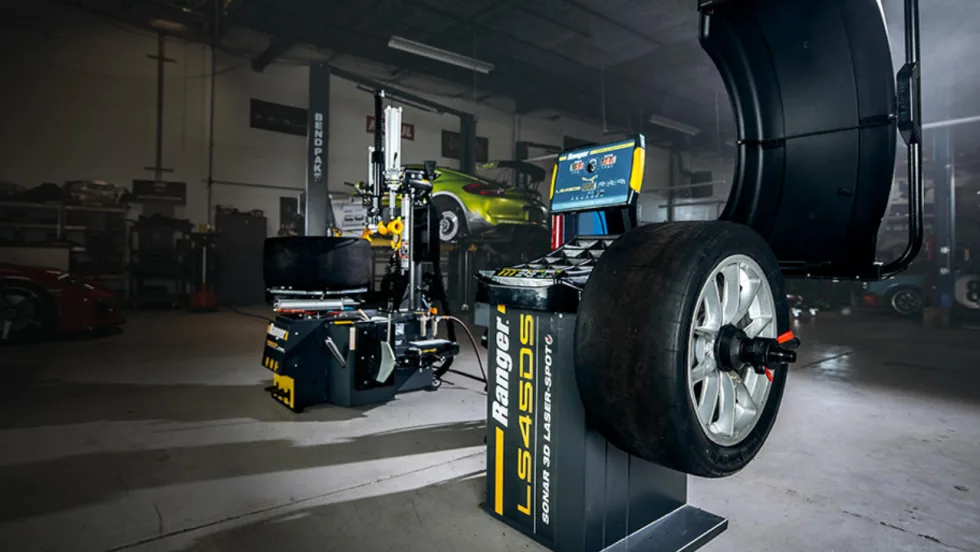
BendPak’s Ranger Wheel Service Equipment Achieves North American Safety Certification
BendPak’s full line of Ranger tire changers and wheel balancers has been ETL certified to UL and CSA standards to improve operator safety.
Read More →
Isuzu & U.S. Department of Labor Celebrate Milestone for Veterans Apprenticeship Program
The Isuzu Veterans Apprenticeship Program (IVAP) signing ceremony highlighted Isuzu’s long-term commitment to veterans, Isuzu dealers, and the skilled workforce supporting its customers and the commercial transportation industry.
Read More →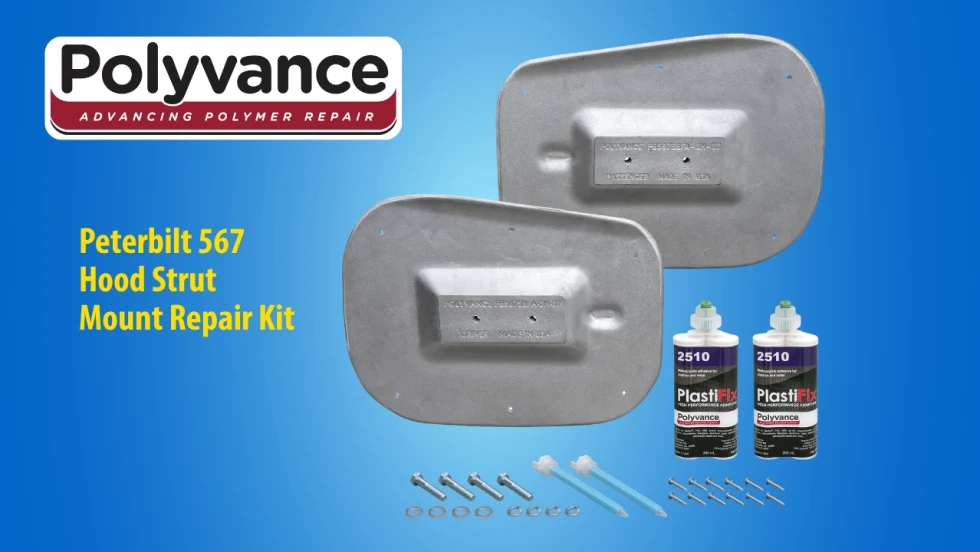
Polyvance Introduces New Peterbilt 567 Hood Strut Mount Repair Kit
Polyvance has launched a repair solution for Peterbilt 567 hood struts, helping truck owners and repair facilities avoid costly hood replacements.
Read More →
Cox Automotive Celebrates Technical Excellence at 2026 Top Tech Finals
The top technicians from Cox Fleet and Manheim tested their skills in Nashville, Tennessee, at Cox Automotive’s 2026 Top Tech Finals. The overall winners will advance to compete at the American Trucking Association’s TMC SuperTech competition.
Read More →
Grote Industries Appoints Vice President of North American Operations
Grote Industries has appointed Patrick Smith as vice president of North American operations as it celebrates 125 years of innovation and manufacturing excellence. He has more than 20 years of manufacturing leadership experience.
Read More →
Winter Fleet Prep: Expert Tips to Keep Vehicles Running Smoothly
Cold weather can expose weak batteries, tires, fuel systems, and maintenance gaps fast. Use this winter fleet checklist to prepare trucks and drivers before temperatures drop.
Read More →