




Clarifying NHTSA's Updated 5-Star Safety Rating Program
NHTSA’s updated safety rating program could result in lower ratings for 2011-MY vehicles, even though vehicles are no less safe than those of the previous model-year.

Click here for a PDF of the full article, including tables.
The updated five-star government safety rating program from the National Highway Traffic Safety Administration (NHTSA) includes enhanced crash tests and provides customers with an Overall Vehicle Score for the first time. According to NHTSA, this makes it easier to compare the relative safety performance of vehicles in crash survivability as well as crash avoidance. The new program is set to take effect for select 2011-MY vehicles.
Fifty-five 2011-MY passenger vehicles will be evaluated to receive the new safety ratings, according to NHTSA. The vehicles include 24 passenger cars, 20 sport/utility vehicles, two vans, and nine pickups. These ratings will be available on NHTSA's Safercar.gov Web site.
What Fleet Managers Should Know
More stringent criteria for rating vehicles means vehicles rated under the previous program cannot be compared to vehicles rated under the new rating program. It will be more difficult to receive a four- or five-star rating, and a vehicle given a five-star safety rating under the old system may, if reevaluated under the new system, receive less stars. It is important to note the same vehicle is no less safe just because it appears to receive less stars under the new rating system than the previous model-year.
Consequently, a 2011-MY vehicle that receives a five-star rating under the new program provides more overall protection than a vehicle receiving a five-star rating under the old program.
Fleet managers should be aware of potential confusion as a result of the change. Some manufacturers are working to communicate this information to consumers. Audi of America, for example, is keeping its field and dealership teams informed of the updated criteria. The luxury vehicle manufacturer breaks down the changes and lists and answers potential questions. The communication emphasizes that vehicles currently holding high ratings can be downgraded under the new rating system, which doesn't mean they are less safe. In addition, it states it is not possible to compare an old rating with the new rating.
Changes to Safety Ratings
Changes to the safety ratings are:
Front crash. NHTSA will maintain the 35-mph full frontal barrier test protocol, but will replace the mid-size male dummy in the right front passenger seat with a smaller female dummy.
Side impact. NHTSA will maintain the current moving deformable barrier test at 38.5 mph, but will update the test to include new side-impact test dummies and new injury criteria used to assign a vehicle's side impact barrier rating. There will be a side barrier rating and pole side-impact rating, and these will be combined for an overall side impact rating.
Rollover. The agency will continue to rate vehicles for rollover propensity, but will wait to update its rollover risk model to allow for more real-world crash data of vehicles equipped with electronic stability control (ESC).
The updated testing program will also provide consumers with new information about advanced crash avoidance technologies: ESC, forward collision warning (FCW) systems, and lane departure warning (LDW) systems. NHTSA will not rate the performance of these crash avoidance technologies, but will only note whether the vehicles come equipped with these technologies and whether they meet standards.
NHTSA will also establish a new Overall Vehicle Score, combining star ratings from the front, side, and rollover programs. The ratings are also compared to a baseline risk of injury, which tells consumers if the vehicle is above or below the average amount of injury risk.
NHTSA Ensures Clear Communications
NHTSA is working to ensure the dissemination of accurate and standardized information regarding the new five-star safety ratings, releasing a usage guideline for manufacturers and all consumer-based communications.
The guidelines define correct use of terms, as well as suggest phrases to be used for individual or combined safety ratings. The guidelines also discourage use of misleading terminology such as "perfect," "safest," "flawless," or "best-in-class" to describe the star ratings received by the vehicle.
For frontal- and side-crash safety ratings, the guidelines state that individual ratings (e.g., driver seating position and passenger seating position) should be kept separate and not added to form a new, higher star rating or a "double" star rating. Instead, NHTSA will provide an overall frontal-crash safety rating and overall side-crash safety rating, which also includes the baseline risk, for communications.
In addition, guidelines encourage disclosure of associated crash rating information if related information is noted. For example, if the side barrier star rating for the front seating position is publicized, results for the rear seating position should also be shown, and vice versa.
The guidelines further state that comparison of frontal crash ratings or overall vehicle scores should only occur if vehicles are in the same vehicle class and within 250 lbs. of each other. However, these comparisons can be made across weight categories as long as vehicles do not exceed the 250-lb. comparison limit.
Originally posted on Automotive Fleet
More Vehicle Insights
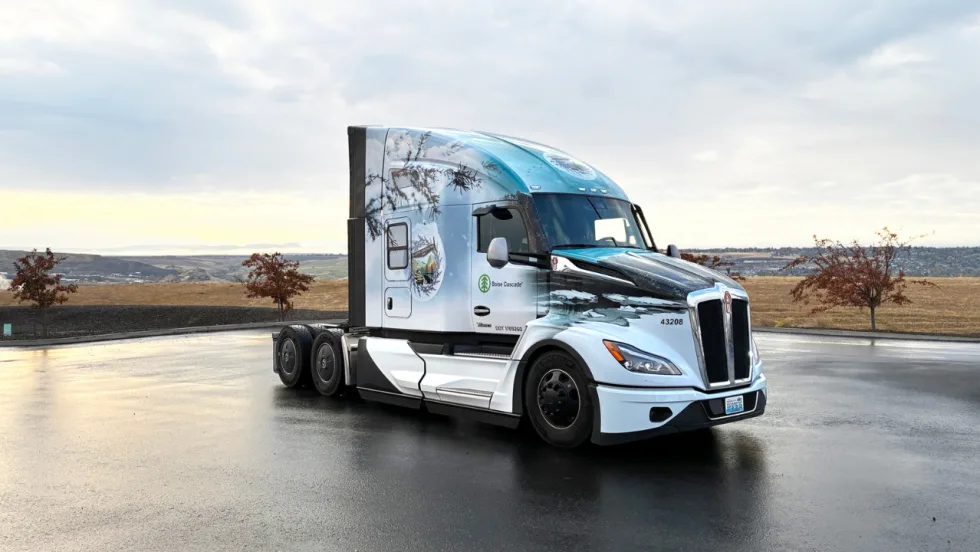
Kenworth T680 Featuring Special Design Will Transport U.S. Capitol Christmas Tree to Washington, D.C.
A Kenworth T680 departed the Nez Perce-Clearwater National Forest in Idaho this week to deliver the 2026 U.S. Capitol Christmas Tree, a 76-foot Engelmann spruce. This marks the 13th year a Kenworth is delivering the tree.
Read More →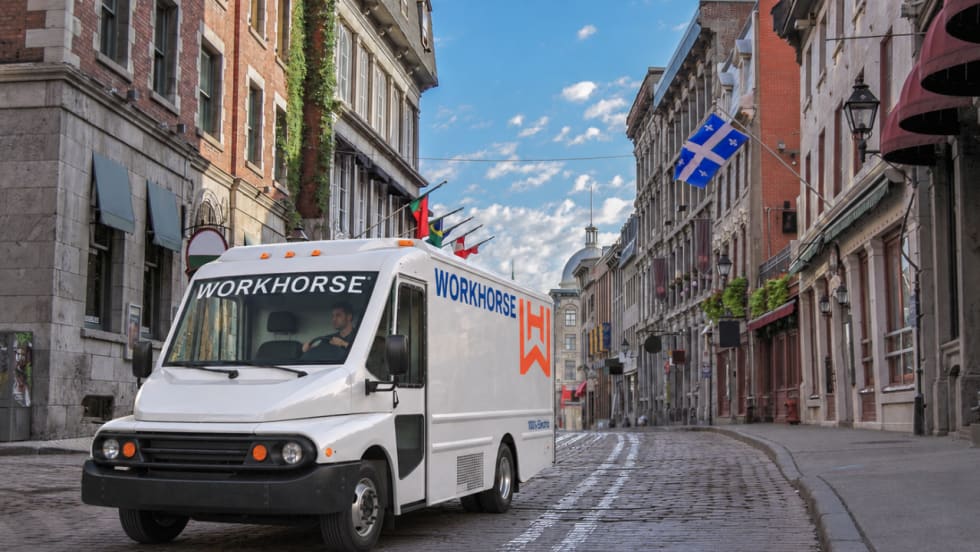
Workhorse Partners with Tristan Fleet Management to Sell and Service Electric W56 Step Vans in Canada
Workhorse’s first Canadian dealer partnership, with Tristan Fleet Management, builds on five years of selling electric step vans in Canada.
Read More →
GM Launches Manufacturing Futures Under its $50M Commitment to Michigan
General Motors’ new initiative, Manufacturing Futures, will connect 2,800 Michigan middle school students each year with advanced manufacturing education and career pathways.
Read More →
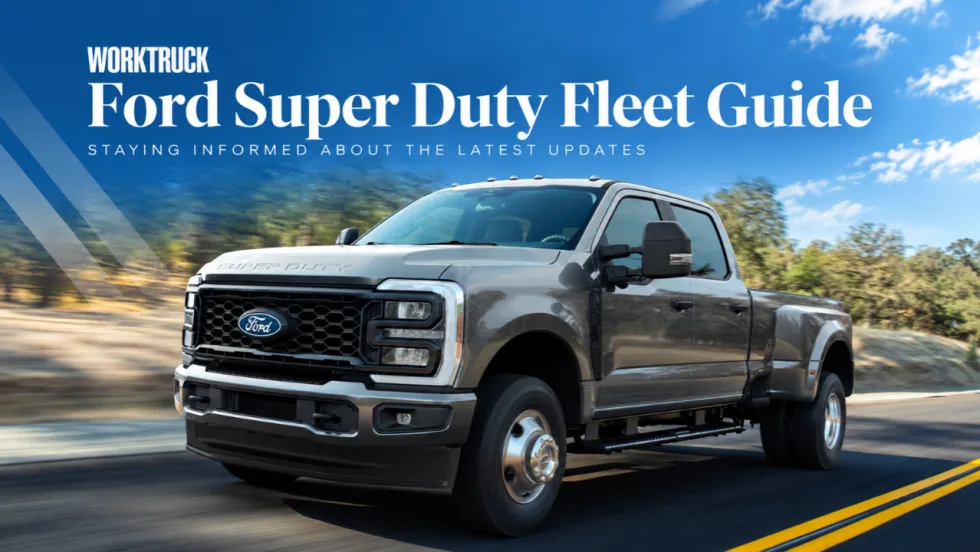
Ford Super Duty Fleet Guide Specs Capability and 2027 Updates
Explore 2027 Ford Super Duty fleet specs, gas and diesel engines, towing, payload, configurations, work features, technology, and model-year updates.
Read More →
Re-rating Gross Vehicle Weight Ratings (GVWR): Why and How it's Done
Sometimes, it is not in a fleet’s best interests to have a vehicle at a given GVWR. Changing the GVWR to a special value can be done, but the process is complicated.
Read More →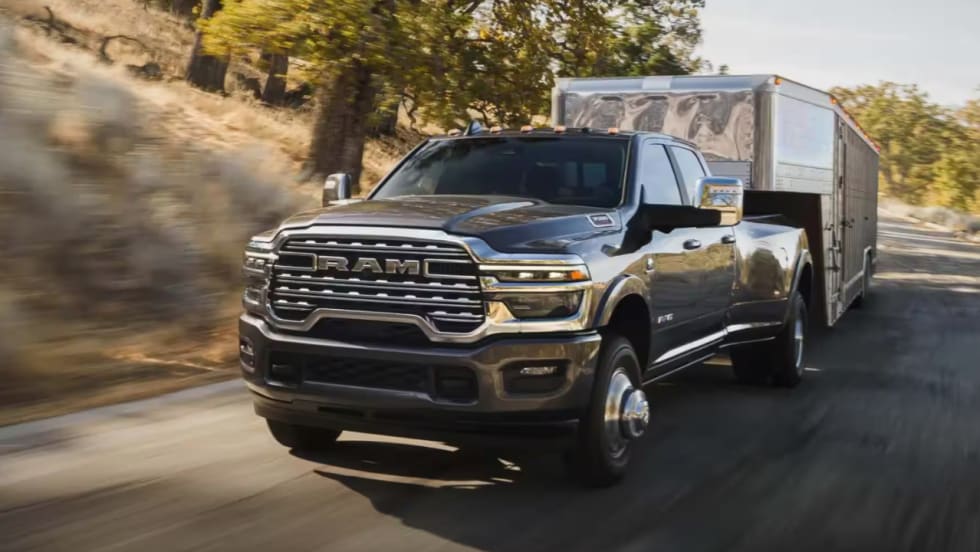
Which Pickup Trucks Last 250,000 Miles? 2026 Rankings Revealed
Which pickup trucks are most likely to reach 250,000 miles? The 2026 iSeeCars study ranks 12 long-lasting models, with Ram, Toyota, GMC, and Ford among the leaders.
Read More →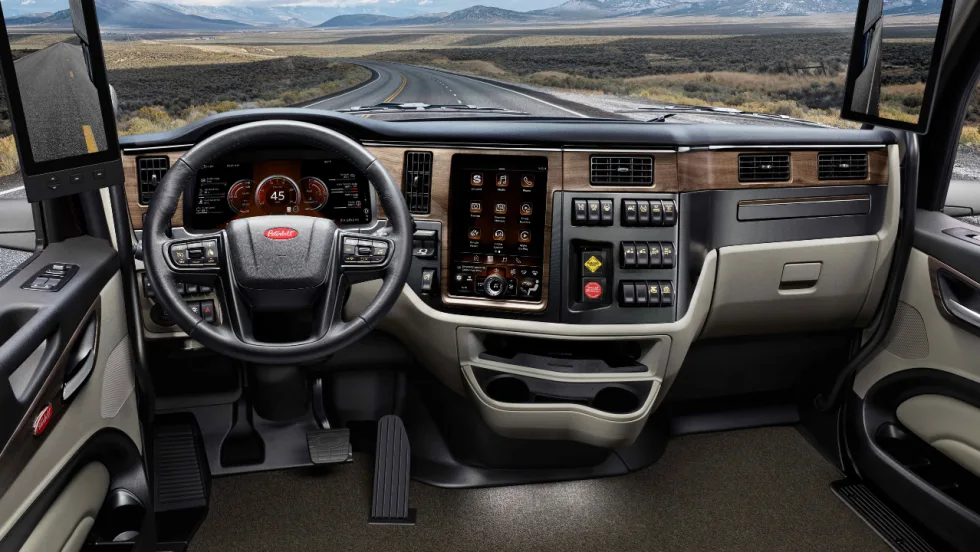
Peterbilt Showcasing Transportation Innovations at ATA MCE
Peterbilt showcased Paccar Connect and exhibited several trucks during the American Trucking Associations (ATA) Management Conference & Exhibition (MCE).
Read More →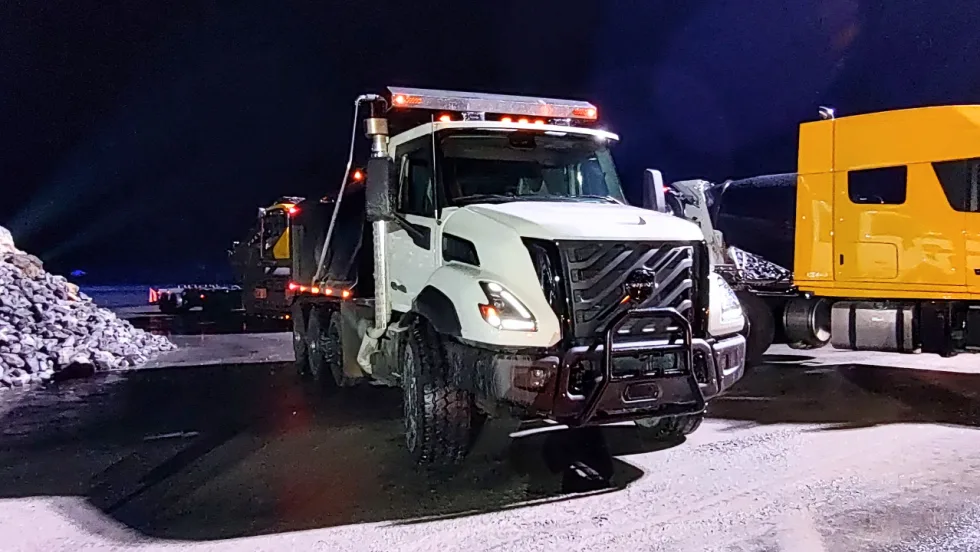
Volvo Unveils New VNX Vocational Truck & Off-Road Capable Tractor
Volvo Trucks has launched the VNX, a new vocational truck designed for on- and off-road use, and available in three variants. It is powered by the D13 platform, which delivers up to 540 horsepower and 1,950 pound-feet of torque and is EPA 2027 compliant.
Read More →
Truckers’ Strike Rumors, Electric Fleet Lessons, and GM’s New Duramax Lead This Week’s News
Truckers’ strike rumors, Republic Services’ electric fleet lessons, GM’s new 8.3L Duramax, van upfitting, Ford Pro used trucks, and more headline this week’s Truck Chat Cheat Sheet.
Read More →
Morgan Olson Launches North America’s Longest Working Step Van Challenge
Morgan Olson has launched North America’s Longest Working Step Van Challenge, a new customer campaign to find the longest-working qualifying Morgan Olson or Grumman step van actively delivering packages for an independent service provider contracted by FedEx.
Read More →