





Related: Hauling Cannabis and Cash: New Fleets Serve Exploding Industry
CBD Oils May Result in DOT-Testing Violation
Use of THC is forbidden for a regulated driver, no matter the source. As a result, medical and recreational marijuana and some CBD oils, even if legal under state law, are federally banned.
March 4, 2019

A driver’s career may be on the line if a drug screen comes back positive. To avoid any misunderstandings surrounding the use of CBD oils, be sure to bring up the topic during driver training.
Photo by Michael Fischer from Pexels
3 min to read
A driver's career may be on the line if a drug screen comes back positive. To avoid any misunderstandings surrounding the use of CBD oils, be sure to bring up the topic during driver training.
Cannabidiol (CBD) oil is becoming a commonly used natural alternative to pain medicine. But, commercial drivers should be cautioned that use of CBD oil — even if derived from hemp — may result in a positive DOT drug screen.
The 2 Types of Cannabis Sativa
The cannabis sativa plant comes in two strains, each of which has the potential to produce CBD oils. Each genetic variation was created for specific purposes:
Hemp: Bred for fiber, clothing, and construction; oils; and nutritional benefits (0.3% THC concentration)
Marijuana: Bred for the production of THC in resinous glands in its flowers and leaves (5-30% THC concentration)
Looking at THC (tetrahydrocannabinol) concentrations alone, you might incorrectly assume that only marijuana-based CBD oil has the potential to show up in a DOT drug panel. THC concentration is dependent upon the manufacturing process and how much oil the individual is using. Even hemp-derived CBD oils can register at a level that is considered a DOT drug testing violation.
What Do DOT Regulations Require?
Use of THC is forbidden for a regulated driver, no matter the source. As a result, medical and recreational marijuana and some CBD oils, even if legal under state law, are federally banned.
Since THC is an absolute under DOT drug testing, a medical review officer (MRO) must not take the medicinal use of a CBD oil into consideration as he or she determines a drug test result.
A positive drug test result requires the motor carrier to remove the driver from safety-sensitive functions until specific steps in the DOT return-to-duty process are successfully completed.
After a positive test, the driver must:
Be evaluated by a substance abuse professional,
Complete prescribed treatment, and
Have negative results for follow-up testing.
Communicate Cautions
A driver’s career may be on the line if a drug screen comes back positive. To avoid any misunderstandings surrounding the use of CBD oils, be sure to bring up the topic during driver training.
Possible points to cover include:
Trace amounts of THC may show up in a DOT urine specimen.
MROs will not accept CBD oil as a valid medical explanation for a positive DOT drug test.
Enforcement may consider CBD oil in a commercial vehicle as possession. Officers are unable to determine the concentration of THC in the oil, and there has been no official guidance for them to follow.
Labels don’t tell the whole story. Packaging for CBD oil may claim to be THC-free or below traceable limits, when in fact, they contain enough to be detected during a drug screen.
One final caution to bring to your drivers’ attention: CBD oils sold in states with legalized marijuana may have been processed from the marijuana plant, resulting in a higher concentration of THC.
Drivers should leave training with a greater understanding that any CBD or THC use is potentially a violation waiting to happen.
Subscribe to Our Newsletter
More Safety
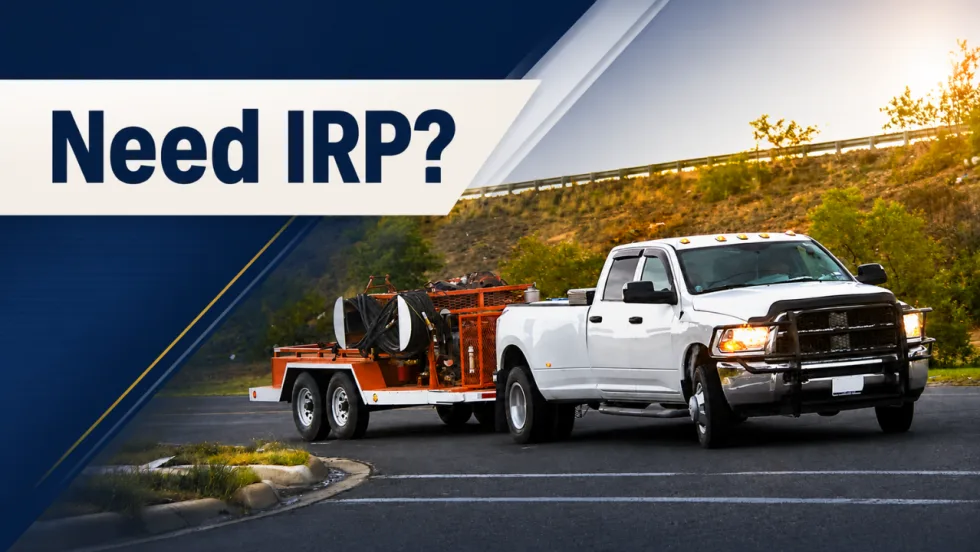
When Work Trucks Under 26,001 Pounds Need IRP Registration
Think trucks under 26,001 pounds are automatically in the clear when it comes to IRP? Not always. Learn where lighter vehicles can still run into trip permit, apportioned registration, and IFTA compliance requirements when crossing state or provincial lines.
Read More →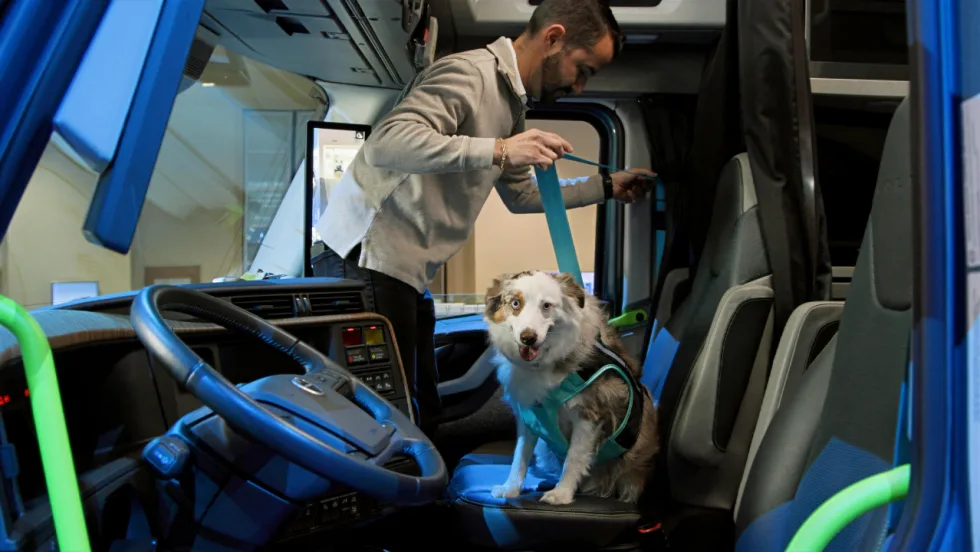
Volvo Trucks Releases New Safety Recommendations for Traveling with Pets
One of the most important recommendations for professional drivers traveling with pets is to ensure pets are properly restrained while the truck is moving. Other tips are available in the new guide from Volvo Trucks North America and Center for Pet Safety.
Read More →
API Issues Refueling Safety Guidelines
The American Petroleum Institute offers a list of safe vehicle refueling guidelines, including ways to avoid potential problems with static electricity discharges in fall, winter, and early spring.
Read More →
Winter Fleet Prep: Expert Tips to Keep Vehicles Running Smoothly
Cold weather can expose weak batteries, tires, fuel systems, and maintenance gaps fast. Use this winter fleet checklist to prepare trucks and drivers before temperatures drop.
Read More →
When a Work Truck Breaks Down, the Job Can Stop, Too
A work truck breakdown can stop more than the vehicle. Discover how payloads, jobsites, and specialty equipment change the roadside response.
Read More →
What Stronger Long-Term Fleet Service Partnerships Actually Require
Fleet service partnerships rarely fall apart all at once. Learn the three warning signs that trust is eroding and what fleets and providers can do before downtime, frustration, and lost revenue follow.
Read More →
Applause & TRUCE Software Partner to Improve Driver Safety Through AI-Powered Telematics & Employee Performance Management
Applause has integrated TRUCE driving metrics directly into its employee-first performance and safety platform that transforms mobile devices into AI-powered telematics.
Read More →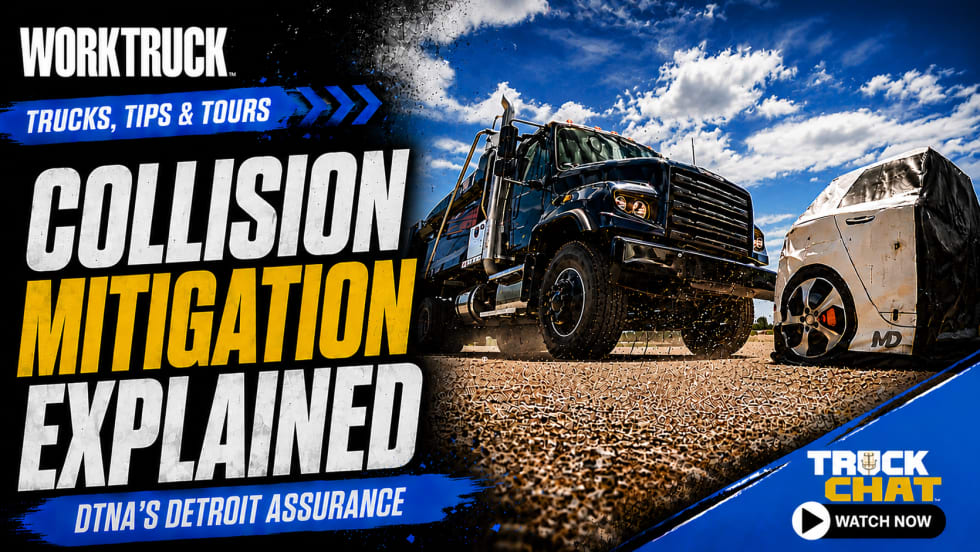
How Detroit Assurance with Active Brake Assist Works
Do you want to see what it is like to experience Detroit Assurance’s Active Brake Assist? In this video, Work Truck will put you in the cab to see how it all works and then hear more details from DTNA’s Mike Young.
Read More →
Get Left of Loss: A 5-Step Workplace Violence Prevention Framework for Fleet Operators
Violence risks do not stop at the driver’s door. Learn five practical steps fleets can take to spot threats early and protect workers before loss occurs.
Read More →
Sponsored•July 17, 2026
How Better Visibility Cut Speeding Violations by 48%
Fleet leaders don't need more data, they need clearer visibility into what the data is saying. This case study explores how one utility replaced speeding-event counts with a single metric — miles driven in violation — to strengthen safety and significantly reduce speeding violations.
Read More →