




Beyond the Deal: The Teamwork That Turns Fuel Savings Into Real Results
Fuel savings require more than a discount. Uncover hidden costs, fix compliance gaps, and boost ROI with cross-team effort and the right partner support.
by Laura Bloom, Sokolis
April 7, 2025
Fuel is one of the largest expenses for fleets — and negotiating a discount is just the beginning. Real savings come when sourcing, finance, operations, and IT align.
Photo: Work Truck
3 min to read

Fuel is one of the biggest expenses for fleet operations, but negotiating a discount isn’t enough. You need sourcing, finance, operations, and IT working together to ensure those savings actually hit the bottom line. Without the right oversight, hidden fees, billing discrepancies, and compliance issues can quietly drain your budget.
The good news? You don’t have to take it all on alone — industry partners can help lift the burden.
Here’s how your team can plug the leaks in fuel spending and ensure negotiated savings become actual savings.
1. You Got the Deal… But Are You Getting the Deal?
Sourcing teams work hard to negotiate fuel discounts, but if finance and operations aren’t validating the pricing, how do you know you're actually getting the deal?
If your pricing is cost-plus, do you have access to what the cost should be? Are retail-minus discounts applied correctly? Hidden fees and pricing discrepancies can quietly add up, costing you more than you think.
IT plays a role, too — do you have the right reports to monitor compliance and catch discrepancies?
Pro Tip: Seek out industry benchmarks like OPIS to validate fuel costs and automate an invoice audit routine.
2. Audit Your Invoices – Inspect What You Expect
Approving invoices isn’t just an AP function; it requires the right people with the right knowledge.
Does your AP team know what the fuel agreements should look like? Probably not, and they shouldn’t have to. That’s why leveraging AP automation is a game-changer. With the right technology, you lift the burden of data entry while ensuring accurate information reaches those who understand the business, the deals, and what to expect.
This shift allows analysts to focus on what’s most valuable, ensuring accuracy, identifying discrepancies, and driving insights that impact the bottom line.
Pro Tip: Select and implement best-in-class technology to automate invoice processing and reduce manual workload.
3. Align Your Organization – Policy, Compliance & Driver Behavior
Even the best fuel deals won’t drive savings if drivers don’t follow them.
It’s not just about knowing where drivers have fueled, but also where they should have fueled according to your deals and policies. Do you have compliance reporting in place to track this? Are operations teams monitoring fueling behavior against the preferred locations?
IT must provide visibility into this data, and finance needs to track policy adherence. But compliance shouldn’t create unnecessary friction. Policies should strike a balance between cost control and the real-world challenges drivers face.
Pro Tip: Automate compliance tracking and driver reporting to ensure savings while keeping policies practical for drivers.
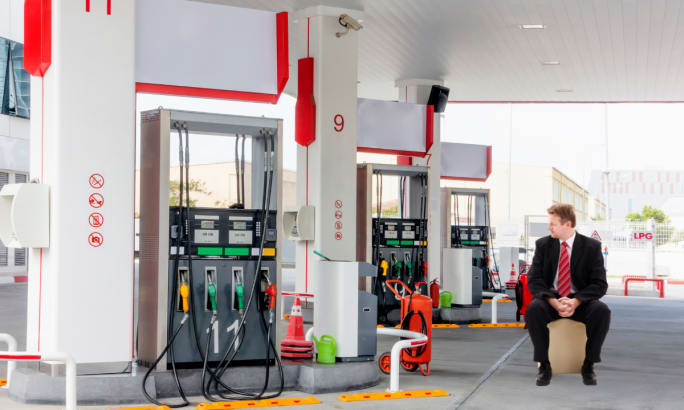
You don’t have to tackle fuel management alone — with the right support, tools, and teamwork across departments, savings don’t just get negotiated, they get realized.
Photo: Work Truck
The Bottom Line? You Don’t Have to Do It Alone.
Maximizing fuel savings isn’t just sourcing’s job or finance’s job — it takes sourcing, finance, operations, and IT working together. But the reality is, many companies don’t have the time or resources to manage it all internally.
That’s where industry partners come in, providing automation, invoice validation, and compliance monitoring to eliminate the need for cross-functional coordination.
The result? You capture every dollar of savings — without overwhelming your team.
Subscribe to Our Newsletter
More Fuel

The Smart Way to Build a Mixed-Energy Fleet Isn’t About Picking a Side
Mixed-energy fleets aren’t about picking a winning fuel. Sarah Booth of WEX explains how vehicle data, duty cycles, charging strategy, and real-world costs can help fleets choose the right energy source for each job.
Read More →
Ignoring This Dashboard Warning Could Cost Your Fleet Thousands in Fuel
New research suggests neglected diesel aftertreatment systems could waste up to $30 in fuel per vehicle each day. Here's why vocational fleets should pay attention.
Read More →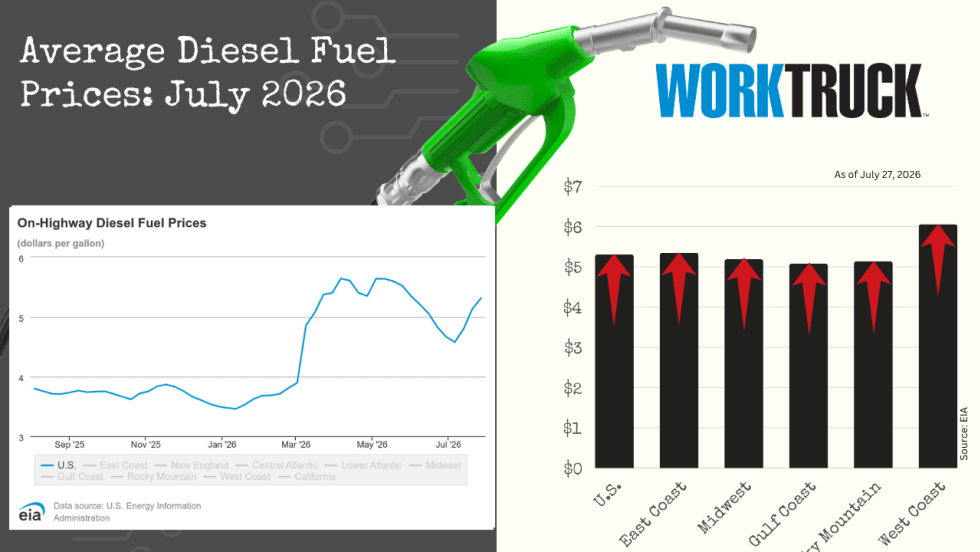
July Diesel Trends Update
The average price of a gallon of diesel increased again this week, and the EIA reported a new national average of $5.31 at the start of the week.
Read More →
WEX Brings Standard Fleet's Connected Vehicle Platform to Fleet Customers
This week’s product launch with Standard Fleet’s connected vehicle platform reflects WEX Venture Capital's strategy of turning startup innovation into customer solutions. Standard Fleet is now available to WEX fleet customers.
Read More →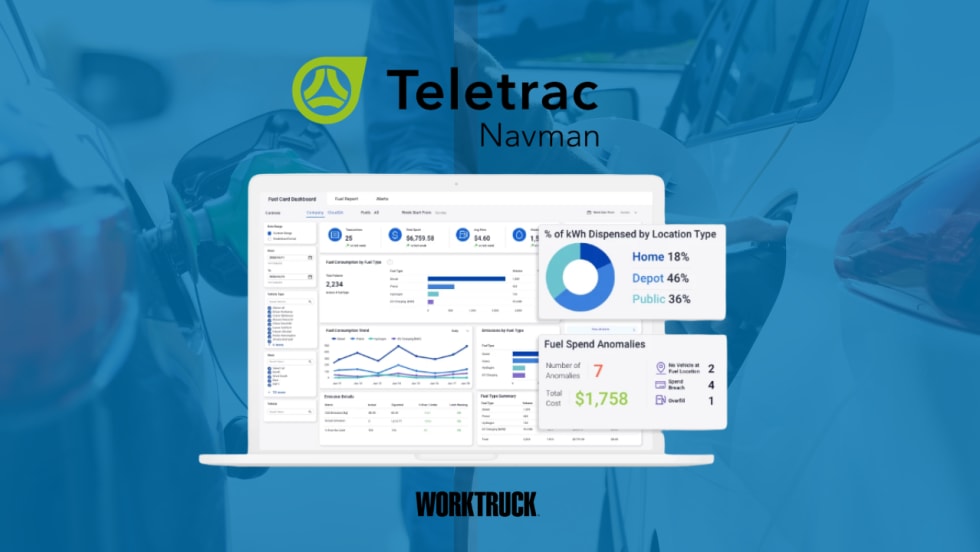
Teletrac Navman Adds Mixed-Energy Fleet Tools to TN360
The new Energy Hub combines fuel transactions, EV charging data, vehicle range, and energy costs in one dashboard for fleets operating multiple vehicle and energy types.
Read More →
WEX DriverDash adds CITGO, Expands Nationwide Access for Fleets
The DriverDash mobile payment app, by WEX, has been integrated into the CITGO merchant network, which means WEX has expanded its U.S. station footprint with the addition of approximately 4,000 CITGO locations.
Read More →
Mixed Energy Fleet Tips for Balancing EVs, Gas and Diesel Vehicles
Mixed energy fleets are becoming the new normal. Learn how fleet managers are balancing EVs, gas and diesel vehicles while controlling costs and planning for the future.
Read More →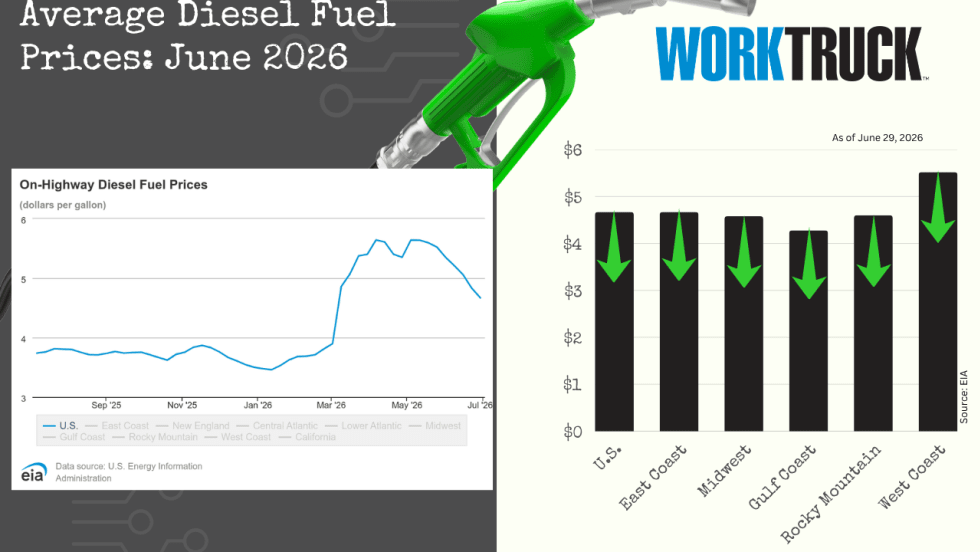
June Diesel Trends Update
The national average price of a gallon of diesel has dropped again, this week by more than 16 cents. All five regions reported lower average prices, ranging from almost 13 cents to more than 28 cents cheaper than a week ago.
Read More →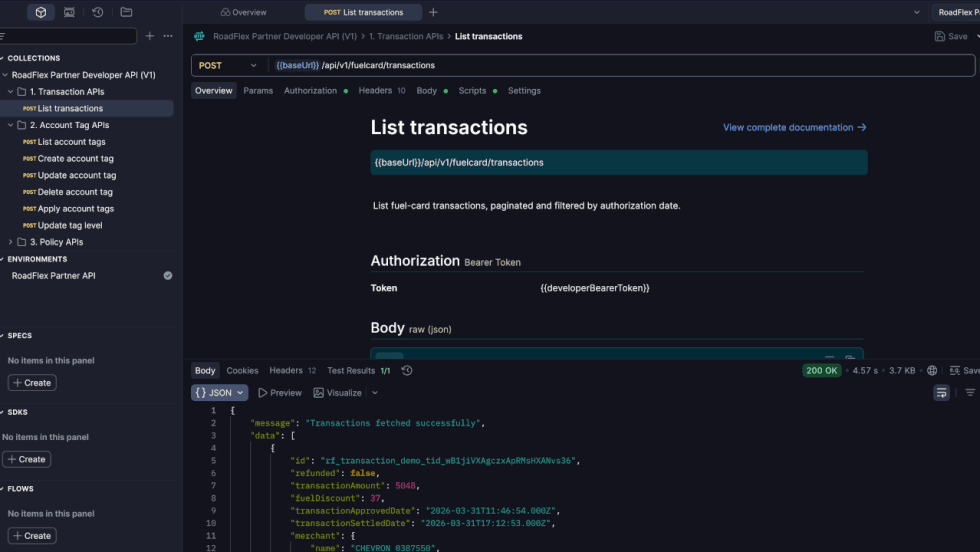
RoadFlex Launches RoadFlex Direct Open API Platform
RoadFlex Direct connects fuel cards, controls, and data to the telematics and fleet management systems fleets already run, from Geotab and Samsara to Fleetio and RTA, with no separate dashboard or double data entry.
Read More →
The Key to Fuel Efficiency Sits in the Cab
Learn how driver behavior, telematics, coaching, and fuel data can help fleets improve fuel efficiency, lower costs, and reduce emissions.
Read More →