





RELATED: All About ICUEE: 'The Demo Expo'
Aerial Device Safety: Dos and Don’ts
Knowledge, preparation, and implementation of key safety principles such as following OSHA guidelines when operating aerial devices can prevent unnecessary on-the-job injuries and fatalities.
November 21, 2014
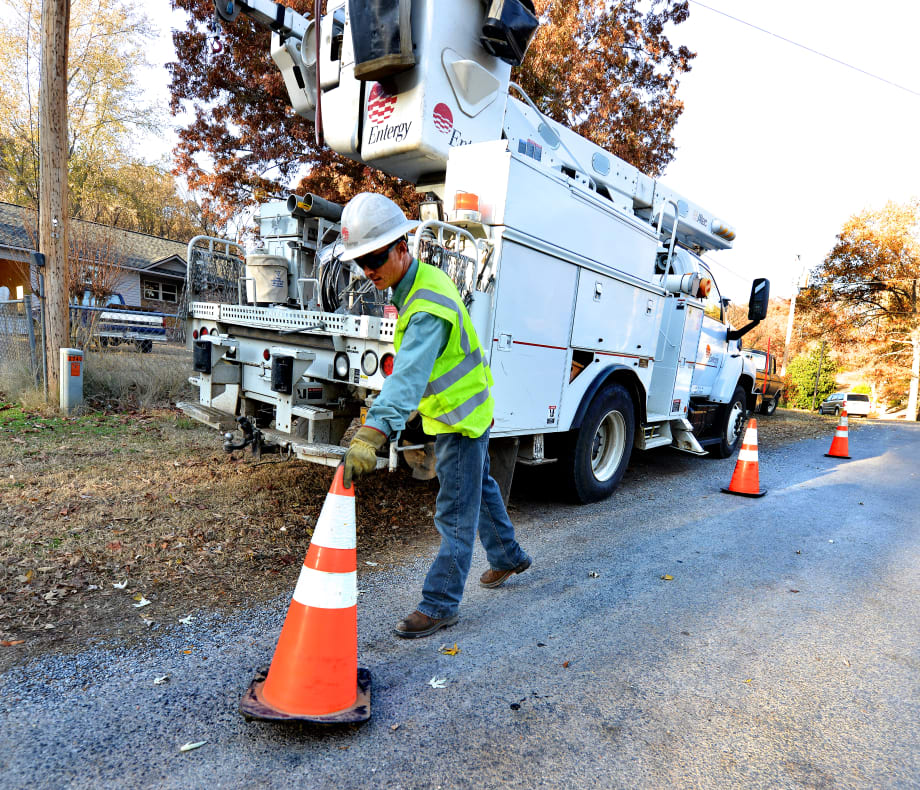
Risks in operating boom trucks can be minimized with proper worker training and equipment maintenance.
Photo courtesy of Entergy
10 min to read
The hazards of their jobs may not be as widely recognized as that of other “dangerous” occupations, but utility workers literally put their lives on the line every day. Power, cell phones, cable, Internet — nowadays, most would classify these as daily “necessities.” But for the utility workers out on the front line making sure these operations and devices function smoothly for the consumer, they could actually mean the difference between life and death.
Utility linemen do difficult and dangerous work, often climbing high above ground in rain, snow and wind to install or repair electrical and telecommunications wires and systems. They must pay strict attention to safety procedures, for example when working with live wires or toiling underground where gas lines might leak into closed spaces. While the dangerous natures of their jobs may not be well known to the general public, these individuals – as well as their loved ones – are all too familiar with the hazards of working with aerial devices, or also referred to as aerial work platforms (AWPs).
Over the past year, a number of news stories related to utility worker on-the-job injuries and fatalities associated with aerial devices have been making headlines. From linemen being ejected from bucket trucks, to falling out of tipping cranes, and even electrocuted by power lines, the need to prepare and train these workers to safeguard themselves against the hazards of the job grows more apparent with each incident.
[You can also read fleet perspectives on bucket truck safety in the story Acing Your Bucket Truck Inspection.]
Start with Safety First
According to the International Powered Access Federation (IPAF), an organization that promotes the safe and effective use of powered access worldwide, the major causes of AWP-related fatalities are falls, electrocutions, and collapses (or tipovers). In 2013, a total of 53 fatalities involving AWPs were reported to IPAF. For the first half of 2014, there were 23 fatalities involving AWPs reported worldwide.
Of the fatalities reported so far for 2014, more than half occurred in the U.S. (13), two in Germany, and one each in Australia, Austria, Columbia, Malaysia, Singapore, South Africa, Spain, and the UK.
The main causes of these fatalities were:
Overturn (9)
Fall from height (8)
Entrapment (3)
Electrocution (2)
Technical/mechanical (1)
One of the entrapment fatalities involved a person on the ground being crushed between the base of the AWP and another structure. Eleven of the fatalities involved mobile booms, 10 involved static booms, and in two cases, the machine type was unconfirmed, according to IPAF.
Boosting Fleet Safety Measures
Employers must take measures to ensure the safe use of AWPs by their workers if they are required to use this equipment in the course of their employment. A main component to this is that operators should perform visual and physical checks regularly.
Several agencies offer regulations for fleets to follow, including the Occupational Safety and Health Administration (OSHA), American National Standards Institute (ANSI), American Society of Mechanical Engineers (ASME), the Federal Motor Carrier Safety Administration (FMCSA), and individual states.
In addition, operators should also pay attention to manufacturer recommendations and fleet utilization factors that may cause excessive wear on equipment and warrant more frequent inspections.
Inspect equipment before operating. Prior to each work shift, conduct a pre-start inspection to verify that the equipment and all its components are in safe operating condition. Follow the manufacturer’s recommendations and include a check of:
Vehicle components
Proper fluid levels (oil, hydraulic, fuel and coolant)
Leaks of fluids
Wheels and tires
Battery and charger
Lower-level controls
Horn, gauges, lights, and backup alarms
Steering and brakes
Lift components
Operating and emergency controls
Personal protective devices
Hydraulic, air, pneumatic, fuel and electrical systems
Fiberglass and other insulating components
Missing or unreadable placards, warnings, or operational, instructional and control markings
Mechanical fasteners and locking pins
Cable and wiring harnesses
Outriggers, stabilizers and other structures
Loose or missing parts
Guardrail systems
Aerial devices should not be operated if any of these components are defective until it is repaired by a qualified person. Defective aerial devices should be removed from service (“tagged out”) until repairs are made.
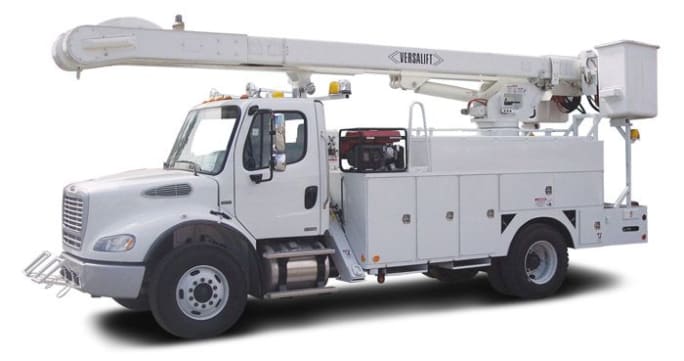
From linemen being ejected from bucket trucks, to falling out of tipping cranes, and even electrocuted by power lines, the need to prepare and train these workers to safeguard themselves against the hazards of the job grows more apparent with each incident.
Photo courtesy of Versalift
Spot other potential dangers. On top of inspecting the actual equipment itself, knowing which items pose a risk in the workplace can help eliminate hazards before and during operation of an aerial device. According to OSHA, items to look for include:
Drop-offs, holes, or unstable surfaces such as loose dirt
Inadequate ceiling heights
Slopes, ditches, or bumps
Debris and floor obstructions
Overhead electric power lines and communication cables
Other overhead obstructions
Other hazardous locations and atmospheres
High wind and other severe weather conditions, such as ice
Presence of others in close proximity to the work
Working Safely While on the Job
AWPs are designed to provide a safe means of temporary work at height — but they are only a safe option if their use is planned and managed appropriately. Accidents on the job can be minimized by taking extra precautions to ensure workers are aware of what to do and what not to do. Once the equipment and work zone have been inspected to minimize risks right off the bat, use the following measures as a guide during operation.
DOs
Make sure all access gates or openings are closed and use a body harness or restraining belt with a lanyard attached to the boom or bucket. Stand firmly on the floor of the bucket or lift platform.
Be aware of overhead clearance and overhead objects, including ceilings.
Keep a safe distance from power lines (50 feet + fully extended boom from electrical pylons; 30 feet + fully extended boom from cables on wooden poles).
DON’Ts
Climb on or lean over guardrails or handrails; use planks, ladders, or other devices as a working position; or belt-off to adjacent structures or poles while in the bucket.
Go over load-capacity limits or carry objects larger than the platform. (When calculating, take into consideration the combined weight of workers, tools, and materials.)
Drive with the lift platform raised (unless manufacturer instructions allow).
Operate lower level control unless the worker in the lift provides permission (or in an emergency).
Exceed vertical or horizontal reach limits.
Override hydraulic, mechanical, or electrical safety devices.
Lessons Learned the Hard Way
Accidents are bound to happen – both on and off the job. But risks can be minimized with proper worker training and equipment maintenance, as previously described. Examples in the news should serve as motivation to boost safety.
Electrocution. Electrocution is one of the leading hazards with the use of AWPs in the U.S. In 2013, all seven reported cases of electrocution worldwide occurred in the U.S. The electrical industry even has a nonprofit organization, The Fallen Linemen Organization, dedicated to help financially and emotionally support the families of linemen who have been injured or lost their lives on the job.
In May, a 10-year North Carolina cable company employee was electrocuted when his bucket truck came into contact with the power line he was working on. The 37-year-old was working on a line near U.S. Highway 64 East and was lowering the bucket when it came in contact with the power lines. His coworker told local news sources that the victim was operating a new truck, and his older truck was lower, which may have contributed to the incident.
This fatality is just one example of an electrocution due to the operator or boom of an AWP inadvertently coming too close or touching overhead cables. Other electrocutions can be caused by moving the boom in the wrong direction when close to the overhead cables or operating the boom erratically and not stopping when and where expected. The 30- and 50-foot rules mentioned previously should always be applied.
Overturn.OSHA recently fined a Massachusetts electrical company $168,000 for the April 2014 deaths of two linemen who fell more than 150 feet while working on power lines, which, the agency concluded, could have been prevented. After conducting an inspection, OSHA found that the crane tip-over could have been prevented if their employer had set up and operated the crane according to the manufacturer's instructions and trained employees in its proper operation. The employees were working from a raised personnel platform attached to a truck-mounted crane when the crane overturned and fell more than 150 feet to the ground.
OSHA found that company employees were not properly trained or evaluated on the truck-mounted crane prior to use. Supervisors at the job site did not follow procedures for setting up and operating the crane in accordance with the crane's safety manual, even though the manual was in the crane and at the job site. They also did not conduct proper pre-lift planning and other required tests to ensure that the lift could be done safely.
The company was cited for two willful violations of workplace safety standards. OSHA also cited the company for four serious violations, including not using load charts to determine the crane's minimum boom angle, not using an aerial lift, allowing the crane to operate at greater than 50 percent of the rated capacity for its configuration and for failing to conduct a trial lift of the personnel platform prior to use.
Ejection. On March 4, an Ohio utility worker was thrown from his bucket truck after his bucket truck collapsed during a telephone pole replacement, according to news sources. The man was reportedly ejected from the bucket when the arm on the boom separated from the truck and flew out away from the machine — falling about 30 feet. A spokesman for the company told the news source that equipment failures are “not common at all” and that the company will interview all the employees who were at the site and have engineers examine the equipment. He also noted that employees are generally more concerned about hazards in the field and traffic issues than equipment failures. Luckily the worker survived the fall, but in this case, proper equipment inspection prior to operation on the job site could certainly have made a difference.
Entanglement hazards. Residents in East Grand Rapids, Mich., went without power for about four hours in April after a utility truck pulled down power lines near Reeds Lake. Witnesses told news sources that the utility truck had snagged a line and snapped two utility poles. One of the poles snapped off at the ground, sprung up in the air and smacked back down through the hood of a vehicle parked nearby. No one was reported hurt, but power was knocked out in the surrounding area, including at many businesses in East Grand Rapids' Gaslight Village. Power was restored about four hours later that evening. Overhead surroundings were apparently not taken into consideration.
On the bright side, not all the examples described here resulted in fatalities. Another plus is that the scrutiny of the companies these individuals represent and the safety practices (or lack thereof) hopefully prompt better preventive measures and more training. Utility workers should exercise caution with AWPs before, during, and after using the manufacturer instructions as well as follow specific safety regulations to avoid becoming another statistic or example in the news.
Related: Telematics in Vocational Truck Fleets - Utility Operations
Safe Work Practices in Review
Follow these tips from OSHA to ensure your fleet and drivers practice safe work habits:
Workers who operate aerial lifts must be properly trained in the safe use of the equipment. [Resources for certification include the NCCO.]
Maintain and operate elevating work platforms according to the manufacturer's instructions.
Never override hydraulic, mechanical, or electrical safety devices.
Never move the equipment with workers in an elevated platform unless this is permitted by the manufacturer.
Do not allow workers to position themselves between overhead hazards, such as joists and beams, and the rails of the basket. Movement of the lift could crush the worker(s).
Maintain a minimum clearance of at least 10 feet, or 3 meters, away from the nearest energized overhead lines.
Always treat power lines, wires and other conductors as energized, even if they are down or appear to be insulated.
Use a body harness or restraining belt with a lanyard attached to the boom or basket to prevent the worker(s) from being ejected or pulled from the basket.
Set the brakes and use wheel chocks when on an incline.
Use outriggers, if provided.
Do not exceed the load limits of the equipment. Allow for the combined weight of the worker, tools and materials.
Subscribe to Our Newsletter
More Utility Fleet
Reduce Noise & Idling with Viatec’s ePTO
Viatec's Workforce ePTO lets utility trucks power booms, outriggers, and auxiliary equipment using battery power instead of idling the engine. Learn how this technology helps reduce fuel use, noise, engine wear, and emissions while improving operator comfort.
Read More →
Why Utility Fleets Choose the Kenworth T380
The Kenworth T380 is engineered for utility fleets with custom chassis layouts, optimized frame rails, 4x4 capability, and improved driver visibility. See how its design helps maximize upfit flexibility and field performance.
Read More →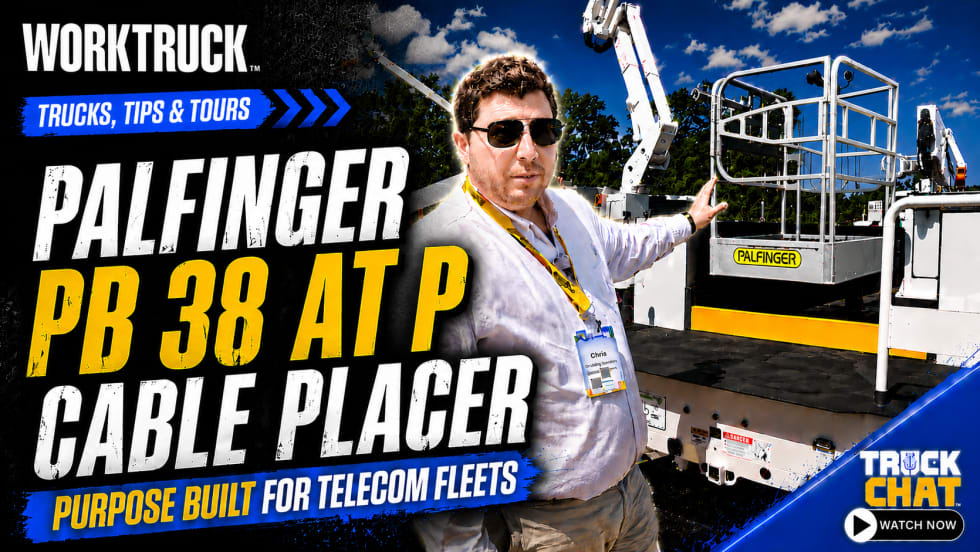
PALFINGER PB 38 AT P: Purpose-Built for Telecom Fleets
Purpose-built for telecommunications crews, the PALFINGER PB 38 ATP combines a 43-foot working height, flexible basket stowage, integrated cameras, and operator communication systems to improve productivity and safety during fiber and overhead cable installation.
Read More →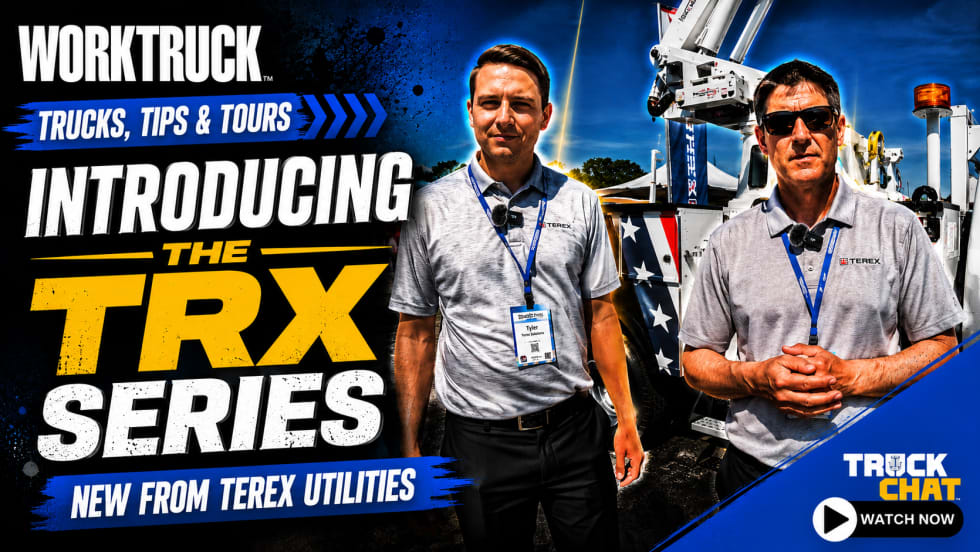
Inside Terex Utilities' Latest Work Truck Innovations
Terex Utilities is advancing utility fleet operations with its new TRX aerial platforms, Flex Pro controls, and AI-powered 3rd Eye safety technology. See how these innovations are helping fleets work safer, smarter, and more productively.
Read More →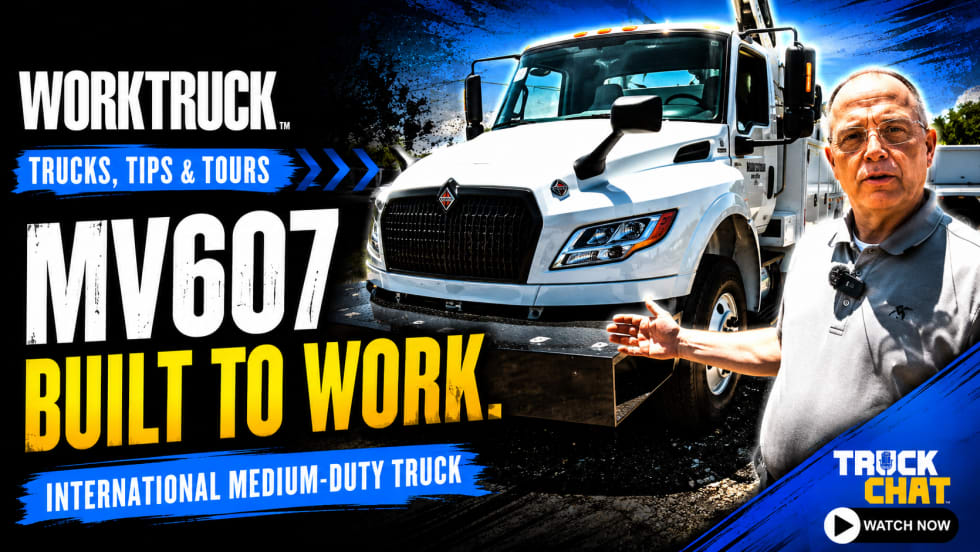
Walkaround of International MV607 Digger Derrick
The International MV607 combines advanced safety technologies, excellent visibility, vocational flexibility, and seamless body integration to create a powerful platform for utility fleet operations. Take a closer look at this Altec digger derrick configuration from EUFMC.
Read More →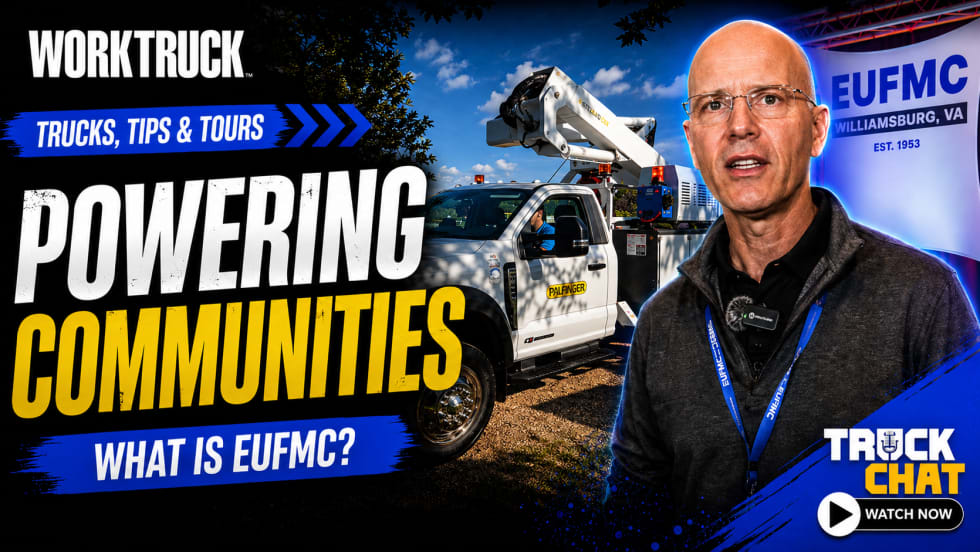
Inside the Electric Utility Fleet Managers Conference
What is EUFMC? For more than seven decades, the Electric Utility Fleet Managers Conference has served as a hub for collaboration, education, and innovation within the utility fleet industry. In this video, Work Truck talks to EUFMC President Greg Loew to learn more.
Read More →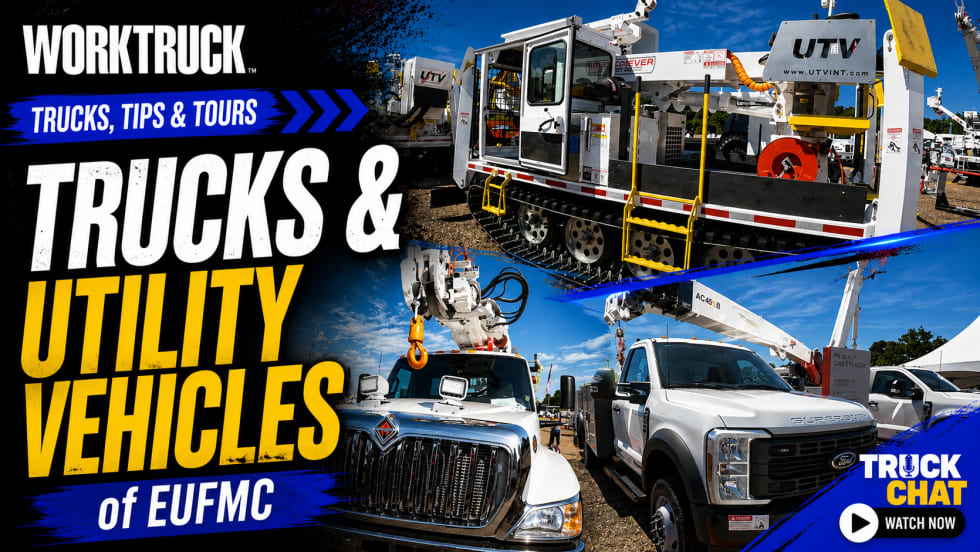
Inside the EUFMC Equipment Expo & Drive-Through
Follow Work Truck as we check out the trucks and other vehicles that were showcased at the Electric Utility Fleet Managers Conference in Williamsburg, Virginia. Whether looking for something on tires or treads, it was there for fleet managers to see.
Read More →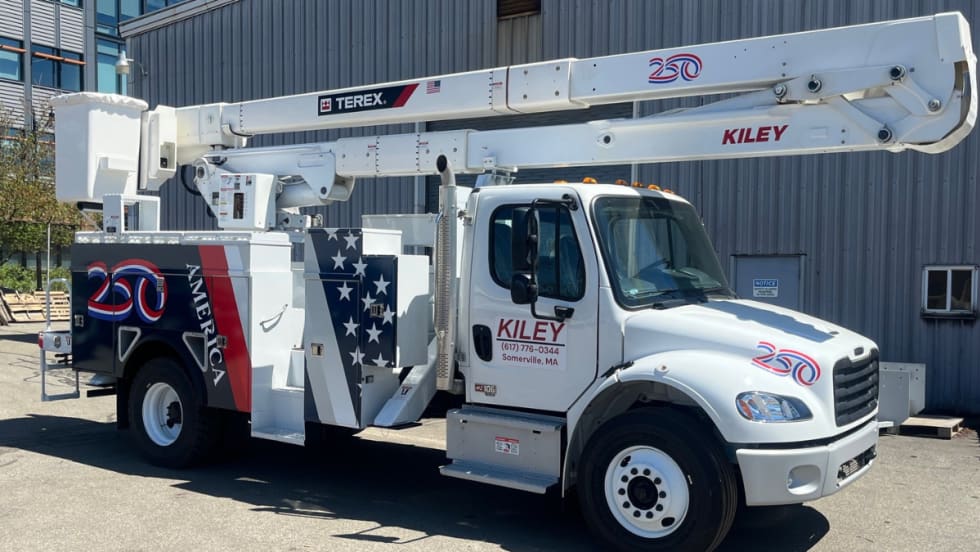
Terex Utilities & Kiley Unveil Custom America 250 Bucket Trucks at EUFMC 2026
Terex Utilities showcased a patriotic spirit in its booth this week during the Electric Utility Fleet Managers Conference in Williamsburg, Virginia, by debuting two custom-wrapped bucket trucks celebrating America’s upcoming 250th anniversary.
Read More →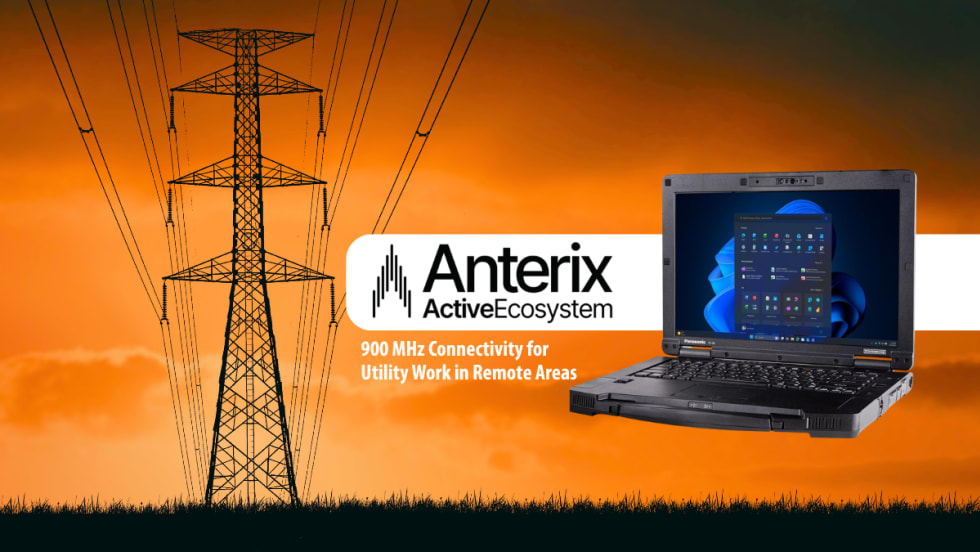
Panasonic Connect & Anterix Strengthen Connectivity Options for Utilities and Field Workers
The Panasonic Connect Toughbook 56 is the first Toughbook to earn the AnterixActive badge, which means it can connect to and operate on Anterix’s 900 MHz network even in the most remote locations.
Read More →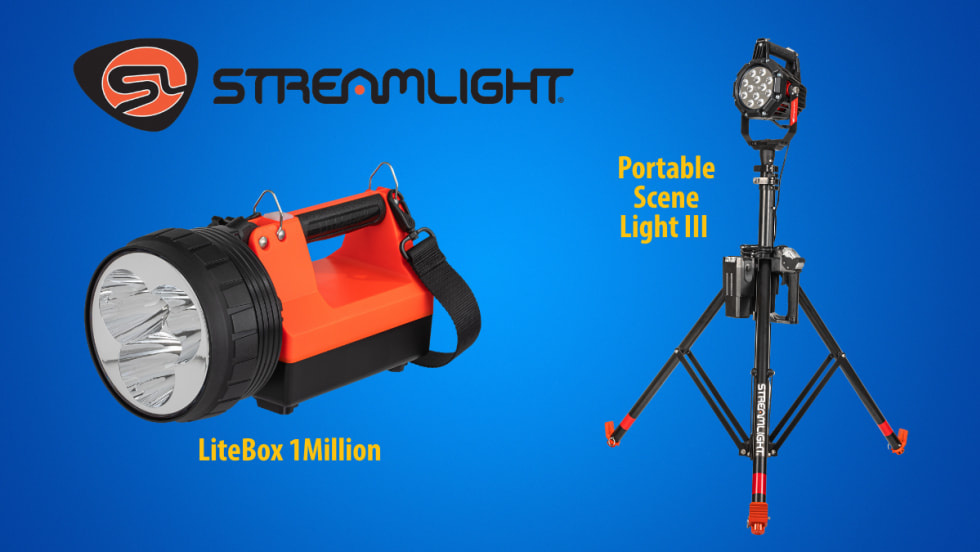
Streamlight Launches Portable Scene Light III & LiteBox 1Million
Streamlight has launched its Portable Scene Light III (PSL III), which delivers up to 10,000 lumens, and the LiteBox 1Million, a long-range search light that delivers one million candela.
Read More →