




Reported Aerial Work Platform Fatalities Hit 53 in 2013
The U.S. accounted for more than half the fatalities, with overturn the No. 1 cited cause among all deaths globally.

Almost half of the number of reported fatalities involved mobile booms (3b). Fourteen fatalities (26%) involved mobile verticals (3a) and 11 (21%) involved static booms (1b). In two cases (4%), the type of machine involved was not known.
More consistent accident reporting in 2013 through International Powered Access Federation's (IPAF) voluntary program, revealed more aerial work platform (AWP) fatalities than expected. In 2013, there were 53 reported fatalities worldwide involving AWPs, according to preliminary results from IPAF’s accident database.
The main causes of these fatalities and numbers for each were:
overturn (16 deaths total)
fall from height (13)
entrapment (10)
electrocution (7)
impact with AWP (4)
falling object (2)
unknown (1)
Almost half the number of reported fatalities (49%) involved mobile booms. Fourteen fatalities (26%) involved mobile verticals and 11 (21%) involved static booms (1b). In two cases (4%), the type of machine involved was not known.
Thirty (57%) of the fatalities occurred in the USA. Three fatalities each were reported in Germany, Spain and the UK, two fatalities each in Belgium, Canada, France and the Netherlands, and one each in Armenia, Australia, Ireland, Malaysia, Norway and in the Middle East.
IPAF’s accident reporting project was launched in January 2012 and has filled a gap where there was previously no single mechanism for reporting and analyzing serious accidents involving AWPs and no definitive data on the number and main causes of fatal accidents. In the first year of the project, 32 fatalities worldwide involving AWPs were reported.
IPAF technical officer Chris Wraith stressed that the accident project is still in an early stage and cautioned against direct comparisons in its second year. “It will be at least 2016-2017 before any realistic year-on-year comparison on the frequency of accidents can be of value,” he said. “The comparative figures presented are for information only and do not in any way suggest an increase in the number of AWP-related fatalities from 2012 to 2013.”
“As awareness of this ground-breaking project grows worldwide, so does the number of countries, companies and individuals who contribute to it,” said IPAF CEO Tim Whiteman. “Over time, this project will capture more comprehensive data and allow us to draw more useful comparisons and conclusions. I would encourage anyone who is aware of an AWP-related fatality in their country to report it to the IPAF website. There is a mechanism to make anonymous reports should people wish to do so.”
IPAF’s accident reporting project is creating a comprehensive record of known accidents. Data gathered enables IPAF to analyze and look for common trends, and propose possible actions to further improve and promote the safe use of powered access worldwide. Data collected is kept confidential and used solely for the purposes of analysis and making recommendations to improve safety.
The data presented is based on accidents reported directly to IPAF, information obtained by IPAF staff worldwide and through information collated from various news media. The accuracy of the data cannot be guaranteed, but where appropriate, action is taken to verify the facts and the data is amended should relevant information become available.
More Utility Fleet

Reduce Noise & Idling with Viatec’s ePTO
Viatec's Workforce ePTO lets utility trucks power booms, outriggers, and auxiliary equipment using battery power instead of idling the engine. Learn how this technology helps reduce fuel use, noise, engine wear, and emissions while improving operator comfort.
Read More →
Why Utility Fleets Choose the Kenworth T380
The Kenworth T380 is engineered for utility fleets with custom chassis layouts, optimized frame rails, 4x4 capability, and improved driver visibility. See how its design helps maximize upfit flexibility and field performance.
Read More →
PALFINGER PB 38 AT P: Purpose-Built for Telecom Fleets
Purpose-built for telecommunications crews, the PALFINGER PB 38 ATP combines a 43-foot working height, flexible basket stowage, integrated cameras, and operator communication systems to improve productivity and safety during fiber and overhead cable installation.
Read More →
Inside Terex Utilities' Latest Work Truck Innovations
Terex Utilities is advancing utility fleet operations with its new TRX aerial platforms, Flex Pro controls, and AI-powered 3rd Eye safety technology. See how these innovations are helping fleets work safer, smarter, and more productively.
Read More →
Walkaround of International MV607 Digger Derrick
The International MV607 combines advanced safety technologies, excellent visibility, vocational flexibility, and seamless body integration to create a powerful platform for utility fleet operations. Take a closer look at this Altec digger derrick configuration from EUFMC.
Read More →
Inside the Electric Utility Fleet Managers Conference
What is EUFMC? For more than seven decades, the Electric Utility Fleet Managers Conference has served as a hub for collaboration, education, and innovation within the utility fleet industry. In this video, Work Truck talks to EUFMC President Greg Loew to learn more.
Read More →
Inside the EUFMC Equipment Expo & Drive-Through
Follow Work Truck as we check out the trucks and other vehicles that were showcased at the Electric Utility Fleet Managers Conference in Williamsburg, Virginia. Whether looking for something on tires or treads, it was there for fleet managers to see.
Read More →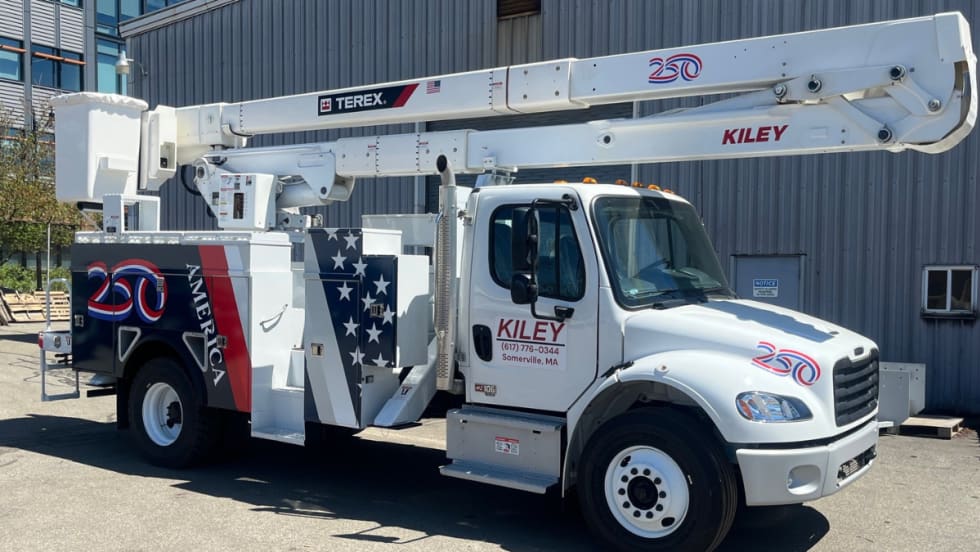
Terex Utilities & Kiley Unveil Custom America 250 Bucket Trucks at EUFMC 2026
Terex Utilities showcased a patriotic spirit in its booth this week during the Electric Utility Fleet Managers Conference in Williamsburg, Virginia, by debuting two custom-wrapped bucket trucks celebrating America’s upcoming 250th anniversary.
Read More →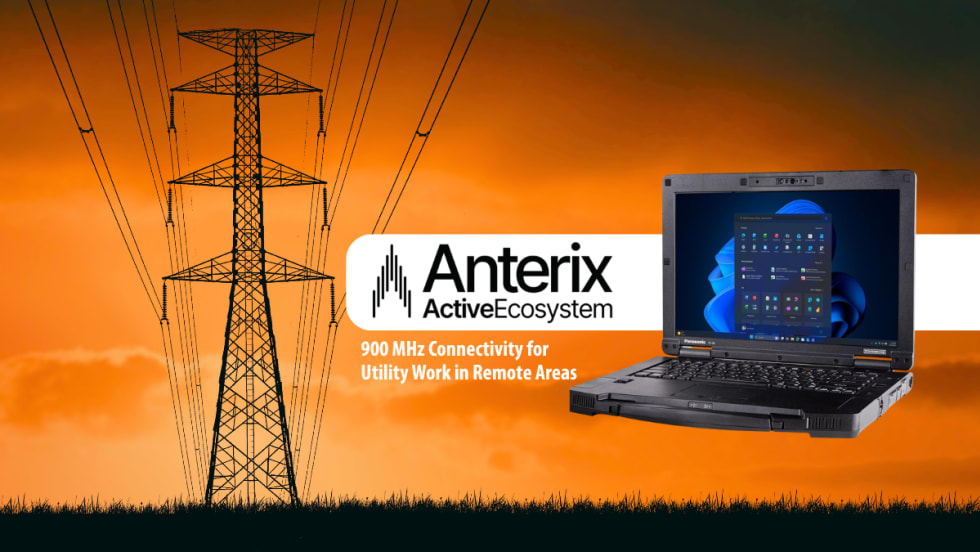
Panasonic Connect & Anterix Strengthen Connectivity Options for Utilities and Field Workers
The Panasonic Connect Toughbook 56 is the first Toughbook to earn the AnterixActive badge, which means it can connect to and operate on Anterix’s 900 MHz network even in the most remote locations.
Read More →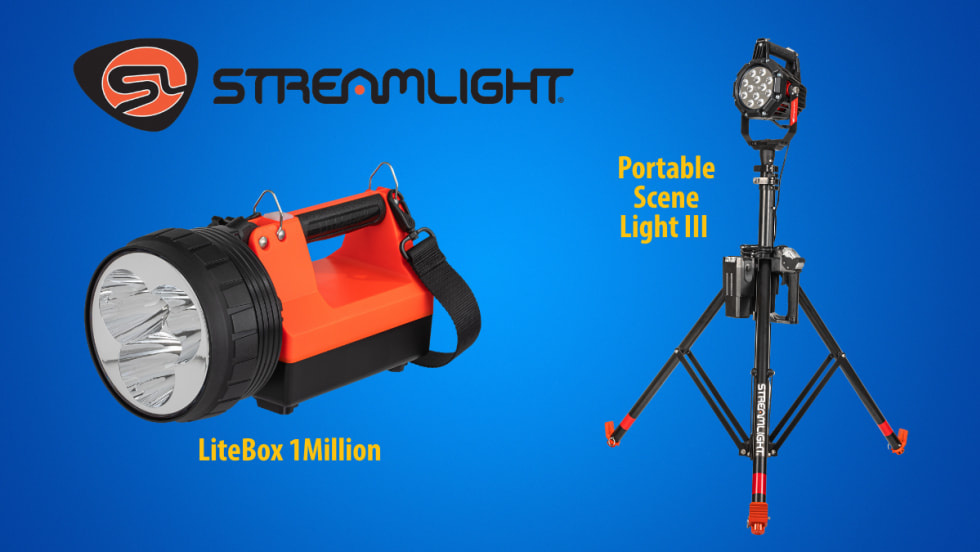
Streamlight Launches Portable Scene Light III & LiteBox 1Million
Streamlight has launched its Portable Scene Light III (PSL III), which delivers up to 10,000 lumens, and the LiteBox 1Million, a long-range search light that delivers one million candela.
Read More →