




5 Things to Know When Selecting Vehicle Paint
What do fleet managers and fleet owners need to consider when selecting paint for work trucks and other fleet vehicles? There are several key factors to consider, and two paint industry experts from PPG share their best tips.

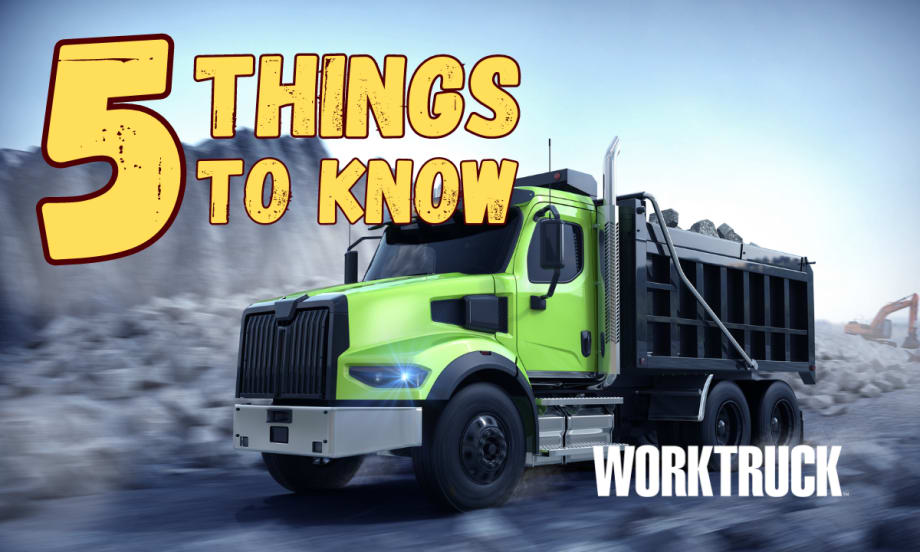
Selecting the right paint is about branding, appearance, durability, and corrosion resistance.
Photo: PPG/Work Truck
Picking paint for fleet vehicles is much more than simply selecting a color. True, brand colors are important, but durability and corrosion resistance are vital to maintaining the brand appeal and functionality of fleet vehicles. So, what does a fleet manager need to know when it is time to choose qualityautomotive paint for work trucks?
Why is Quality Paint Important?
Lou Milanovich, PPG national OEM sales manager, said in the last five to 10 years, companies have begun considering the image and appearance of their vehicles more. He points to work vehicles like refuse trucks.
“You're living in a nice neighborhood, and you see garbage trucks coming through your development, and you need to decide on buying a service from a garbage truck. So, one truck comes by, and it's all rusty, it looks terrible,” Milanovich said as an example. “But then, you see another clean garbage truck coming through, and it's shiny, it's glossy, it's got a good image. Which one would you call?”
The typical refuse truck is just one example but the same concept extends to other commercial vehicles – beverage trucks, company vehicles, delivery trucks, and more.
“They feel the image sells the product, regardless of what they’re retailing,” Milanovich added.
Plus, in the case of some trucks, like gas trucks hauling gases like nitrogen, there are strict specifications that mandate those cannot have any rust of corrosion. Again, that is where a quality paint coating can help. For those trucks and others, a quality paint coating helps reduce maintenance.
“I think just generally speaking, the capability and then the demand for improved finishes is growing,” Mike Cooney, PPG product manager, commercial transportation aftermarket shared.
Paint Technology Considerations & Trends
Cooney pointed out that everything in the paint industry years ago was single-stage. The primer was applied, and then the color. Then base-coat clear-coat chemistry came along, which allowed the growth of the availability of effect pigments.
“It also allowed us to get a more premium glamor-looking finish out of the clear coat. So, cars took off and went that way. Commercial lagged behind that a little bit,” Cooney said.
But, he explained, there is a key distinction between the needs of a general consumer vehicle and a commercial vehicle when it comes to the role played by paint. Again, returning to the example of gas haulers, Cooney explained more.
“For the gas haulers, we have to have a more robust film. Our color layer has to not just provide color, it has to provide more enhanced physical protection to the unit than your Lexus, or your Hyundai, or your Volkswagen. It's a different technology, especially as it's being repaired,” Cooney said.
Just How Long Does Vehicle Paint Last?
There is not a simple answer for how long a good paint coating will last on a vehicle, because vehicles and their uses vary greatly. Milanovich used a fire truck as an example, and explained how it is more than a fire truck – it is a show truck, a parade truck, and they are cleaned and polished to maintain an image even though they are driven every day. The other end of the example spectrum would be a refuse truck.
The life expectancy for a fire truck to remain in service is about 12 to 15 years, according to Milanovich. In that time, fire trucks will be cleaned and maybe have a repair or one repaint. He sees the paint on a firetruck remaining in top condition for about 8 to 10 years given it is stored inside, cared for daily, and drives limited miles compared to other types of vehicles.
The refuse, or garbage truck, is the extreme. It is on the road every day doing the dirty work and is exposed to the elements.
“So, the life expectancy really kind of boils down to what segments you're looking at,” said Milanovich. “With PPG, we've built in a couple of different tiers, as we like to call them, good, better, best. We offer a multitude of different products based off of these type segments.”
The good option will last between one and three years, the next between three and five, and then the premium option can still look great at 10 years, he explained.
How Can Fleets Protect & Preserve Paint Finishes?
PPG provides 30-, 60-, 90-day, and long-term care solutions for customers building or repainting commercial trucks. Regular maintenance, primarily washing the trucks when they operate in areas where corrosive substances and salt are used on road, is a key step. Another important consideration is if the vehicle is damaged, it should be repaired. That includes making sure the damaged area is properly repainted so it will not be exposed to those harsh road chemicals.
How Do You Know a Truck Builder is Using Quality Paint?
How can a fleet know it is getting quality paint when working with a truck builder or having a truck or trailer repaired and repainted?
“If you were just to walk up to a vehicle, a truck, trailer, what have you, and just physically look at it, there's little tips that you could you could look at, but really you would not be able to tell,” explained Milanovich.
But he suggested one way to figure it out.
Look at their sales materials, product literature, and specs.
Milanovich said you can look to see if they are promoting that they use things like a corrosion-resistant primer or any type of technology and or preparation of their units, with regards to epoxies, zinc-rich epoxies which are even more corrosion resistance.
How Does a Fleet Know When to Repaint?
When a fleet has multiple vehicles, how will it determine when it is time to have vehicles repainted?
Milanovich said that should be planned in advance as part of the lifecycle planning of the vehicle. Stick to the repainting schedule and do not push it off if at that point the paint still looks like it is good.
“It's better to put it on a regular schedule, because in the long run, it'll save your money,” Milanovich explained. “Let's just say, you look at your truck and it doesn't look that bad, but it is the time when you want to repaint it. If you wait longer, it's going to cost you more because there's going to be more corrosion, there's going to be more work for the body shop to get that thing back into approvable system with regards to being able to paint.”
“Once you see corrosion coming around, you're going to just chase it. You're going to spend all kinds of money,” added Cooney.
Choosing the right paint for a fleet is a critical decision that impacts vehicle longevity, appearance, and maintenance costs. Commercial body shops and fleet owners need to understand that using the original equipment finish isn't mandatory for repair work, the two PPG experts said.
When it is time to select a paint system for your fleet, Milanovich and Cooney have some things you need to take time to consider.
Their suggestions are that you:
1. Assess Color Requirements
The variety and complexity of colors in your fleet significantly influence paint system selection.
The main considerations are the number and type of colors needed—whether simple solid colors or more complex variations. Fleet color needs can vary greatly based on branding requirements. For instance, some companies use limited colors like blue or white. Other fleet owners might need a broader palette that can accommodate specific matches to carmakers' colors. Extensive color requirements, including pearlescent or metallic finishes, can be best met with paint systems such as PPG Delfleet® Evolution, which offers superior color matching and a broader range of options.
Identify a paint supplier with consistent and accurate color-matching capabilities. Advanced color-matching technologies ensure precise color consistency across any fleet size. These valuable resources offer reliable and precise color applications along with color standard decks.
2. Evaluate Durability and Performance Expectations
Durability remains paramount for fleet paint selection. Some fleet owners need paint that offers excellent gloss retention, ensuring vehicles maintain a polished appearance. The paint must resist chips, scratches, and corrosion to protect vehicles from everyday wear and tear. Since fleet vehicles often serve as moving billboards, a pristine, rust-free finish is essential for maintaining a professional image on the road.
Also, consider how long you need the paint finish to last. If a vehicle needs to look good for only a couple of years before resale, a different paint system might be preferable to one designed to withstand harsh conditions for a longer period of time.
3. Understand Your VOC Requirements
Volatile organic compounds (VOCs) remain an environmental concern, and fleet owners need to be aware of related regulations. If your operation must adhere to ultra-low VOC standards, consider paint systems designed to meet these criteria. For instance, certain paint systems are ideal for minimizing VOC emissions while still delivering high performance. Heavy-duty truck painters appreciate these systems for their application ease, superior appearance, and simplified sanding and buffing process.
4. Consider Warranty and Technical Support
Fleet owners should also consider warranty type and supplier support. Different paint systems offer varying warranties, affecting long-term maintenance costs and fleet resale value. Shops and fleet owners also need to know that the original equipment finish is unnecessary for repair work. Multiple approved and qualified suppliers can refinish your fleet or individual trucks.
Additionally, evaluate the availability and distribution of the paint system. Ensure the supplier can promptly and consistently meet your fleet's needs. Reliable local distribution is crucial for maintaining operational efficiency. Also, consider the level of technical support provided by the supplier. Strong technical support can assist with product application, troubleshooting, and ongoing maintenance, ensuring optimal performance and the longevity of the paint system. A supplier with robust support services can help address any issues quickly and effectively, minimizing downtime and maximizing fleet productivity.
5. Find a Comprehensive Solutions Partner
Fleet owners benefit from suppliers that offer a full range of products and services. This one-stop-shop approach simplifies purchasing and ensures consistency across fleet vehicles. Partner with a comprehensive supplier that offers high-quality paint systems and related products like gravel and chip guards, providing complete solutions for fleet maintenance and coatings protection.
By considering VOC requirements, color complexity, durability needs, warranty and support, and comprehensive solutions, fleet owners can make informed decisions that enhance vehicle longevity and appearance. Leveraging the experience and product expertise of trusted paint and coatings partners can ensure the best outcomes for your fleet.
More Maintenance
Les Schwab Expands Commercial Tire Footprint Into Arizona
Les Schwab Tires has expanded into Arizona with two commercial tire locations in Phoenix and Tucson, strengthening its fleet service footprint in the Southwest.
Read More →
Volvo Trucks’ 'Lock and Leave' Software Updates Go Live Across North America
Unattended over-the-air software updates are now available in Volvo trucks across the U.S. and Canada. The new capability lets trucks stay current with the latest software without interrupting operations or requiring a dealership visit.
Read More →
Why Technician Appreciation Can’t Be a Once-a-Year Thought
For fleets trying to keep skilled technicians, recognition cannot begin and end with Technician Appreciation Week. Learn what year-round appreciation really looks like and why the everyday technician experience matters just as much as pay when fleets are trying to keep good people.
Read More →
How Faster Driver Reporting Can Keep Small Truck Problems Small
When minor damage, warning lights, or equipment issues are reported late, small problems can quickly become bigger maintenance headaches. Conversational AI can help shorten the path from what a driver notices in the field to the person who can act on it.
Read More →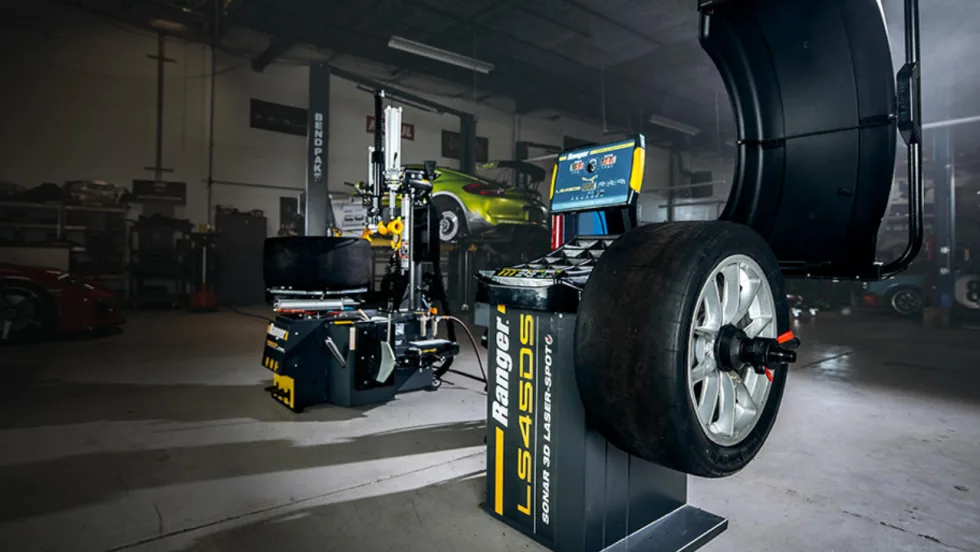
BendPak’s Ranger Wheel Service Equipment Achieves North American Safety Certification
BendPak’s full line of Ranger tire changers and wheel balancers has been ETL certified to UL and CSA standards to improve operator safety.
Read More →
Isuzu & U.S. Department of Labor Celebrate Milestone for Veterans Apprenticeship Program
The Isuzu Veterans Apprenticeship Program (IVAP) signing ceremony highlighted Isuzu’s long-term commitment to veterans, Isuzu dealers, and the skilled workforce supporting its customers and the commercial transportation industry.
Read More →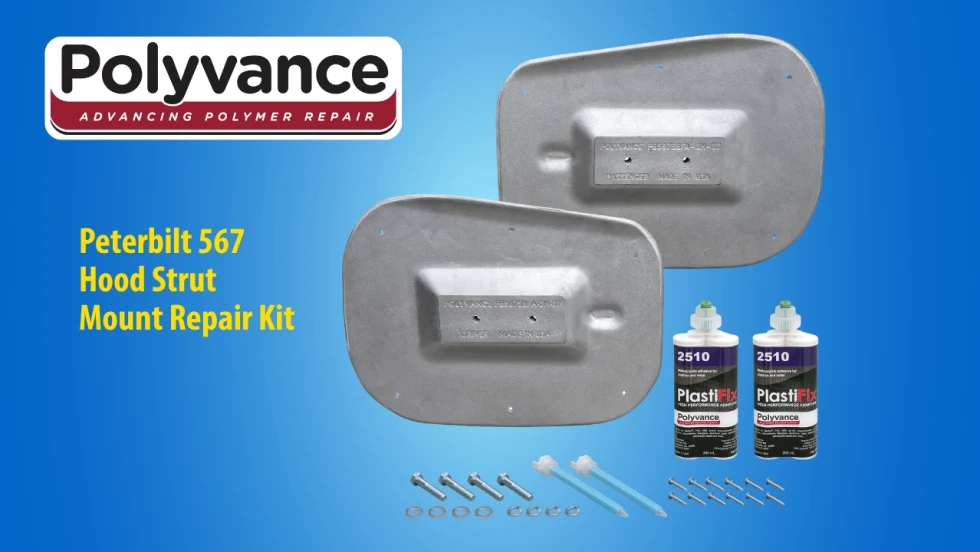
Polyvance Introduces New Peterbilt 567 Hood Strut Mount Repair Kit
Polyvance has launched a repair solution for Peterbilt 567 hood struts, helping truck owners and repair facilities avoid costly hood replacements.
Read More →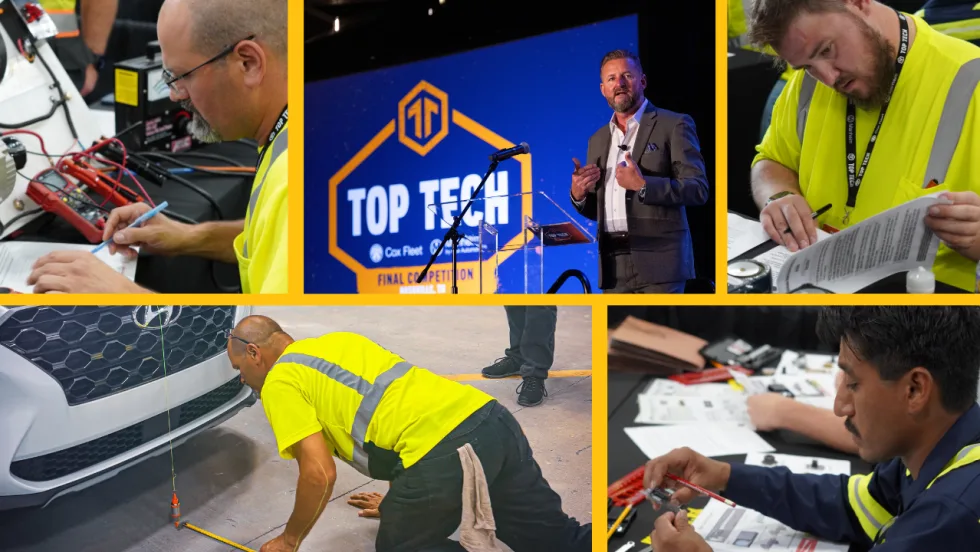
Cox Automotive Celebrates Technical Excellence at 2026 Top Tech Finals
The top technicians from Cox Fleet and Manheim tested their skills in Nashville, Tennessee, at Cox Automotive’s 2026 Top Tech Finals. The overall winners will advance to compete at the American Trucking Association’s TMC SuperTech competition.
Read More →
Grote Industries Appoints Vice President of North American Operations
Grote Industries has appointed Patrick Smith as vice president of North American operations as it celebrates 125 years of innovation and manufacturing excellence. He has more than 20 years of manufacturing leadership experience.
Read More →
Winter Fleet Prep: Expert Tips to Keep Vehicles Running Smoothly
Cold weather can expose weak batteries, tires, fuel systems, and maintenance gaps fast. Use this winter fleet checklist to prepare trucks and drivers before temperatures drop.
Read More →