




5 Things to Consider When Using Technology to Manage Vehicle Registrations
Tech streamlines fleet registrations, but compliance is still complex. Here are five ways to use technology to stay ahead of renewals and avoid costly issues.
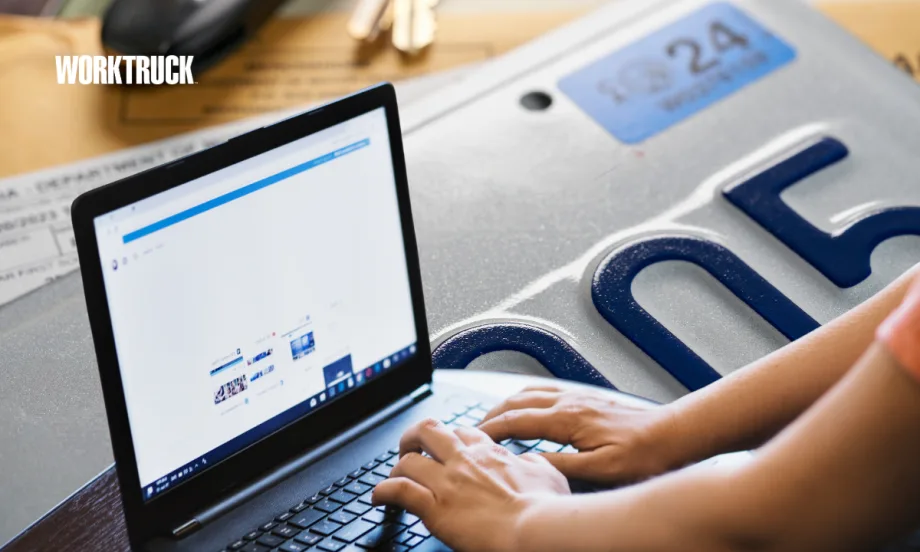
Tech-driven tools help fleets stay ahead of registration deadlines by streamlining renewals, verifying locations, and reducing compliance headaches.
Photo: Work Truck
After decades in vehicle registration management, including time working within a DMV, I've witnessed firsthand how technology has transformed what was once a manual, time-consuming process into a much more streamlined and efficient one.
Yet, even with these advancements, managing fleet registrations remains complex, requiring constant vigilance over ever-changing requirements across states, counties, and even zip codes.
Here are five considerations for leveraging technology to manage vehicle registrations while simultaneously avoiding costly non-compliance issues.
1. Avoid Vehicle Registration Deadline Surprises
Gone are the days when registration management meant reacting to expired plates and scrambling to get vehicles back on the road. Modern fleet management systems enable proactive registration oversight, keeping your vehicles legal and on the road.
Technology enables fleet managers and fleet management companies (FMCs) to automatically generate renewal notifications 90 days in advance, giving ample time to collect required documentation and process registrations before expiration. This early visibility is particularly beneficial when you're managing a large volume of vehicles with staggered renewal dates across multiple jurisdictions.
The proactive approach delivers tangible benefits. When vehicles sit idle due to expired registrations, your drivers are sidelined, and your revenue takes a hit. By identifying upcoming renewals well in advance, you can prevent lapses that lead to fines and operational disruptions that can harm your customer relations.
Additionally, when vehicles relocate from one location to another, today's technology can immediately flag the change. This critical notification gives you time to research the new jurisdiction's requirements and prepare your drivers for the documentation they'll need, such as inspection reports, if applicable.
2. Verify Fleet Vehicle Locations
Some fleets attempt to register all their vehicles in a single state, even when some operate elsewhere. Why? Some states, such as Florida, have a more straightforward, less onerous registration process. This, however, can create compliance challenges, particularly at renewal time.
Telematics technology can verify actual vehicle locations versus claimed ones. You cannot obtain a valid inspection for a vehicle if it's not physically present in the state where you're attempting to register it. Modern fleet management platforms integrate location data to ensure registrations align with where vehicles actually operate, protecting your organization from compliance violations and the headaches that follow.
3. Manage the Nuances of Leased Vehicle Registrations
Drivers often tell my team, "I could go to my local DMV and get this done today with my personal vehicle." That may be true, but what these drivers don't grasp is that registering a personal vehicle is a different process compared to registering a leased fleet vehicle.
When a leasing company owns the vehicle, additional documentation becomes necessary. Some states and counties require a power of attorney from the lessee, even though the lessee doesn't own the vehicle—a requirement that understandably confuses drivers. The complexity extends further when you consider that registration requirements vary not only by state but also by county and even by zip code.
For example, in Illinois, seven counties require smog testing, but only specific zip codes within each county are subject to the requirement. For instance, Kane County has 25 zip codes, yet only 15 require smog testing. Similarly, Will County has 57 zip codes, with just 13 requiring inspections.
Identifying and managing these kinds of details is significantly easier with AI technology, which helps my team maintain detailed databases of these hyper-specific requirements, but it still requires constant research and updates. The DMV websites often provide only bare-minimum information for personal vehicle owners, not the nuanced requirements for leased commercial vehicles. So, Google alone isn't sufficient.
4. Utilize Satellite DMVs and Digital Systems
Registration processing speed varies dramatically by jurisdiction. For example, we're currently seeing some Tennessee counties taking 15 weeks to process requests due to backlogs. When you discover your vehicle needs to be registered in that location, the early visibility noted above becomes especially helpful.
One way to speed up the process is to use satellite DMVs. For example, my company serves as a satellite DMV for 11 states, which means we can hold inventory and issue plates and registrations directly from a secure location in our facility. This dramatically reduces processing time by eliminating multiple handoffs.
Becoming a satellite DMV requires meeting substantial requirements and jumping through numerous regulatory hoops, but the operational efficiency gains for FMC clients are significant. Ask your FMC if such a service is offered.
In addition to satellite DMVs, digital registrations and titling have also revolutionized fleet management. Many states now offer digital registration options, eliminating the physical sticker and allowing drivers to display proof of registration via smartphone apps. This not only speeds up the registration process but also dramatically reduces postage costs and the risk of lost documentation. Visit your state’s DMV website to see if this option is available.
Electronic title filing has similar benefits. Rather than receiving, copying, and manually filing paper titles, you can have titles filed electronically through the county and request paper copies only when needed for vehicle sales.
Many inspection reports are now filed electronically as well, allowing you to retrieve them from state websites rather than waiting for original documents through the mail, a process that eliminates the delays and potential loss associated with postal delivery.
5. Implement Driver-Facing Portals
Technology shouldn't just streamline backend processes; it should empower your drivers with visibility and control. For example, our OverDrive app allows our clients to view copies of current registrations and insurance documents, see which vehicles are coming up for renewal, and identify units that are out of compliance.
This transparency serves multiple purposes. Fleet administrators can identify patterns, such as specific locations where drivers consistently fail to complete required inspections despite a 90-day advance notice and several reminders. The system lists the specific requirements for vehicle relocation, reducing confusion and back-and-forth communication.
When inspections must be completed, you can use technology to locate inspection stations, check current wait times, and direct drivers to the most efficient option. Nobody wants to wait two hours at a DMV inspection station when a Valvoline three miles away can perform the same inspection with minimal wait time. These seemingly small efficiencies add up significantly across a large fleet.
Let Technology & Expertise Set You Free
Technology has transformed vehicle registration management from a reactive scramble into a proactive, systematic operation. However, technology alone isn't sufficient. The regulatory landscape remains incredibly complex, changing frequently and often without clear communication from DMV authorities.
Success requires combining robust technology platforms with experienced personnel who understand the nuances of commercial fleet registrations versus personal vehicles, maintain relationships with DMV contacts, and commit to ongoing research to stay current with evolving requirements.
For fleet managers, the key is recognizing that technology is an enabler, not a silver bullet. Use it to gain visibility, automate routine processes, and provide transparency to your team. But pair those tools with expertise that understands the intricate world of fleet vehicle registrations, and you'll keep your vehicles compliant, your drivers on the road, and your operation running efficiently.
What's not to like about that?
More Safety

Volvo Trucks Releases New Safety Recommendations for Traveling with Pets
One of the most important recommendations for professional drivers traveling with pets is to ensure pets are properly restrained while the truck is moving. Other tips are available in the new guide from Volvo Trucks North America and Center for Pet Safety.
Read More →
API Issues Refueling Safety Guidelines
The American Petroleum Institute offers a list of safe vehicle refueling guidelines, including ways to avoid potential problems with static electricity discharges in fall, winter, and early spring.
Read More →
Winter Fleet Prep: Expert Tips to Keep Vehicles Running Smoothly
Cold weather can expose weak batteries, tires, fuel systems, and maintenance gaps fast. Use this winter fleet checklist to prepare trucks and drivers before temperatures drop.
Read More →
When a Work Truck Breaks Down, the Job Can Stop, Too
A work truck breakdown can stop more than the vehicle. Discover how payloads, jobsites, and specialty equipment change the roadside response.
Read More →
What Stronger Long-Term Fleet Service Partnerships Actually Require
Fleet service partnerships rarely fall apart all at once. Learn the three warning signs that trust is eroding and what fleets and providers can do before downtime, frustration, and lost revenue follow.
Read More →
Applause & TRUCE Software Partner to Improve Driver Safety Through AI-Powered Telematics & Employee Performance Management
Applause has integrated TRUCE driving metrics directly into its employee-first performance and safety platform that transforms mobile devices into AI-powered telematics.
Read More →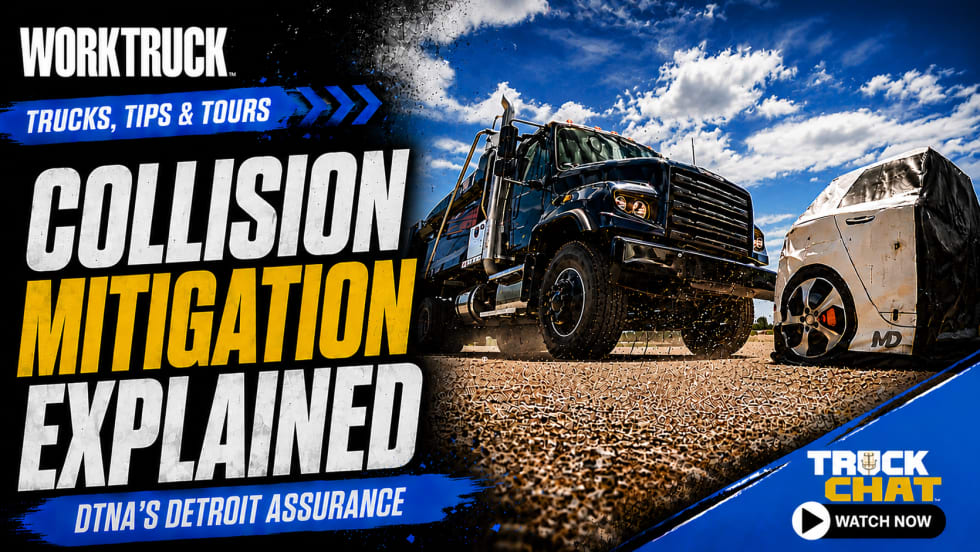
How Detroit Assurance with Active Brake Assist Works
Do you want to see what it is like to experience Detroit Assurance’s Active Brake Assist? In this video, Work Truck will put you in the cab to see how it all works and then hear more details from DTNA’s Mike Young.
Read More →
Get Left of Loss: A 5-Step Workplace Violence Prevention Framework for Fleet Operators
Violence risks do not stop at the driver’s door. Learn five practical steps fleets can take to spot threats early and protect workers before loss occurs.
Read More →
How Better Visibility Cut Speeding Violations by 48%
Fleet leaders don't need more data, they need clearer visibility into what the data is saying. This case study explores how one utility replaced speeding-event counts with a single metric — miles driven in violation — to strengthen safety and significantly reduce speeding violations.
Read More →
13 Safe Driving Tips for Commercial Vehicle Drivers
Make sure you are spending time on the road safely with these important tips.
Read More →