




Check Out:Smart Tire Technology for Light & Medium-Duty Fleets
Spring Cleaning: 5 Tips to Prep Your Fleet for Warmer Weather
Basic maintenance shouldn’t fall by the wayside as temps slowly rise again. Don’t miss performing these five measures to keep your fleet in top shape this spring.
by Jenny Baker-Ford, Mike Albert Fleet Solutions
April 10, 2025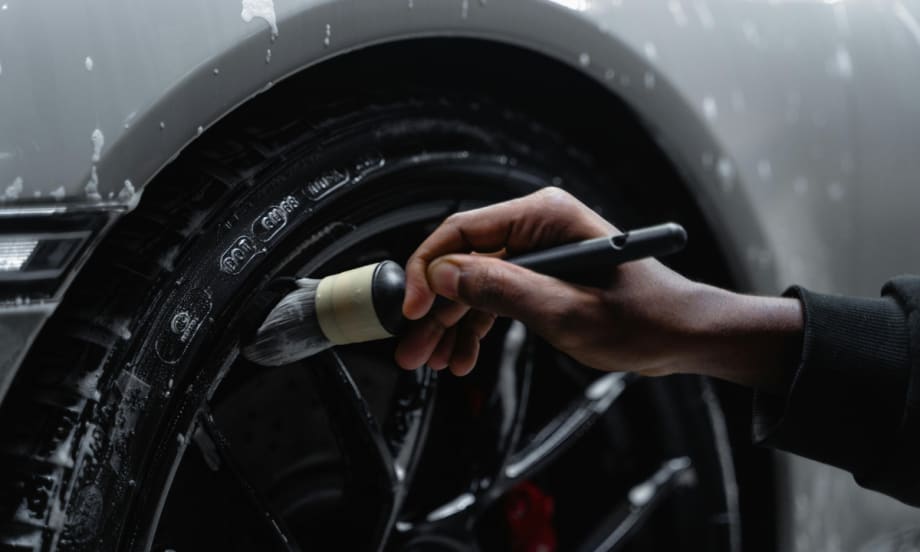
In the transition to warmer weather, it's crucial to check your vehicle’s tire pressure and brake pads in addition to cleaning efforts.
Photo: Tima Miroshnichenko via Pexels
4 min to read
While the frigid temperatures and gray skies of winter might seem endless, springtime is always just around the corner. And with warmer, sunny days on the horizon, the time is fast approaching for fleet managers to prepare their vehicles for the change in season.
Prepping vehicles for the icy winter months is a standard operating procedure for most fleet managers. But performing basic maintenance when the mercury starts rising is often overlooked — even though it can be equally as important. To help you prepare, here are five “spring cleaning” tips that can protect your fleet and drivers as they head into warmer weather.
1. Inspect Tires and Brakes
After the last snowfall of the season, it’s important to remove any snow tires or snow chains from your fleet vehicles. In fact, in some areas, taking this step is a legal requirement, with many states regulating when these can be used.
Removing winter accessories provides the perfect opportunity to check for signs of wear on a vehicle’s tires, as well as for issues with alignment. During these assessments, you should also check the PSI of all tires. Warmer temperatures can affect tire pressure, and if tires are overfull, temperature fluctuations can be hazardous for your drivers.
You should also take this time to perform a “health check” on vehicle brakes. Ensuring that brake pads have sufficient thickness and that brake lines aren’t damaged can go a long way in protecting your drivers on the road.
2. Prepare Windshield Wipers for April Showers
They're often overlooked, but windshield wipers should always be in good working condition, especially in the typically wet months of April and May.
Dull or defective wiper blades can dramatically reduce visibility, which poses a real danger to your drivers and others on the road. Fleet managers or drivers should double-check all windshield wipers at the start of spring to ensure they are able to clear the windshield in the event of a downpour or in the face of thick layers of pollen.
You might also consider stowing spare sets of blades in your fleet vehicles for your drivers to install if they notice any issues with visibility on the job.
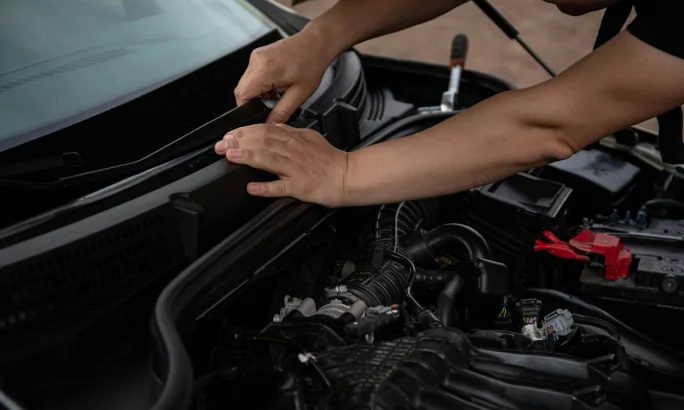
An easy step to check off your list is to check all of a vehicle’s wipers for proper function and visibility.
Photo: Sergey Meshkov via Pexels
3. Check for Unwanted Guests
Small animals like squirrels, mice, and rats are notorious for building nests within vehicles. Unfortunately, engine compartments, cabin filters, and the inside of the dashboard are perfect ready-made shelters from wind, snow, and sub-zero temperatures. Though some of these visitors are just looking for a refuge from the cold, many rodents can cause considerable damage to your vehicles by nibbling on wires or making nests in the engine block.
Your spring maintenance should require drivers to look under the hood and inside the glove boxes for evidence of rodent infestations. Common signs include nesting materials, droppings, chewed wires, or exposed fiber insulation.
4. Use Driver Vehicle Inspection Reports
Remember that driver safety doesn’t end with seasonal maintenance. Once your fleet is ready for spring and summer, have your drivers use Driver Vehicle Inspection Reports to identify potential issues before they cause real problems on the road.
Ideally, your drivers should inspect their vehicles daily and complete a report that assesses things like exterior lights, tires, windshield wipers, windows, and steering mechanisms to ensure they are in proper working order and free from defects or damage.
5. Revisit Driver Safety Protocols
Thanks to more drivers on the road, more construction projects, and more frequent tire blowouts, summer is the most dangerous time to be behind the wheel.
In addition to conducting spring maintenance on all your fleet vehicles, set aside some time to reacquaint your drivers with safe driving best practices. This should include a refresher on your company’s training and safety protocols, as well as a review of what they are expected to do in the event of an accident.
As the ice and gloom of winter begin to fade, don’t discount how hard the winter months can be on your fleet’s vehicles. Following these simple “spring cleaning” tips can help you optimize your fleet for the months ahead and ensure that your drivers are well-prepared to safely breeze through spring and summer.
Editor's Note: This article was originally published in February 2023 and was updated on April 2, 2025, for continued relevancy on fleet spring cleaning and maintenance.
Topics:Spring CleaningFleet MaintenanceTiresDriver SafetyDVIRWindshieldsMike Albert Fleet SolutionsSmall Fleet
Originally posted on Automotive Fleet
Subscribe to Our Newsletter
More Small Fleet


Developing Budget-Friendly Driver Safety Programs
From driver training and safety meetings to one-on-one coaching and incentive programs, several small fleets share how they have developed a safety culture with their drivers using low- to no-cost resources.
Read More →
Sponsored•March 9, 2026
Boosting Last-Mile Fleet Uptime, Safety, and Value with AI Vehicle Inspections
AI-powered inspections are transforming last-mile fleets by replacing manual checks with highly accurate automated scans that detect defects in seconds. By giving fleet operations visibility into the daily condition of their vehicles, you can identify trends over the vehicle’s lifecycle that enable improved procurement decisions, route management, driver training and accountability.
Read More →

Five Ways Seat Belts Help Prevent Injuries
There are five ways seat belts protect occupants from injuries, according to the Tennessee Department of Safety and Homeland Security.
Read More →
Sponsored•January 19, 2026
Basic Tracking vs Next Generation Fleet Technology
Fleet software is getting more sophisticated and effective than ever, tying big data models together to transform maintenance, safety, and the value of your existing tech stack. Fleet technology upgrades are undoubtedly an investment, but updated technology can offer a much higher return. Read how upgrading your fleet technology can increase the return on your investment.
Read More →
Sponsored•January 14, 2026
It’s here: The 2026 Fleet Technology Trends Report
What does AI mean for fleets? Get the answer — and learn other top tech trends.
Read More →
Small Fleets, Big Impact: How Independent Drivers Power Wreaths Across America
Check out how small fleets and independent drivers power Wreaths Across America each December and why their impact matters more than ever.
Read More →
VMS Survey Finds 65% of Small Fleet Managers Run Operations Alone
A new VMS survey shows small fleet managers are stretched thin, with most handling operations solo and eager to adopt digital tools for relief.
Read More →
Tips for Driving Safely on Halloween Night
This video features a reminder from the Connecticut Department of Transportation (DOT) and the Connecticut Police Chiefs Association, urging drivers to prioritize safety this Halloween.
Read More →
AI, Access, and Uptime: VMS’s Next Chapter with David Prusinski
VMS’s new Co-CEO, David Prusinski, shares how an AI-first approach will give small fleets and repair shops the tools to compete like big players.
Read More →