





Learn More: Impact of Lifecycle Management on Light-Duty Trucks
3 Keys to Upfit & Equipment Lifecycle Management
Answers to three key questions fleets should know about those ever-important “extras” on their trucks and vans are shared.
March 9, 2021
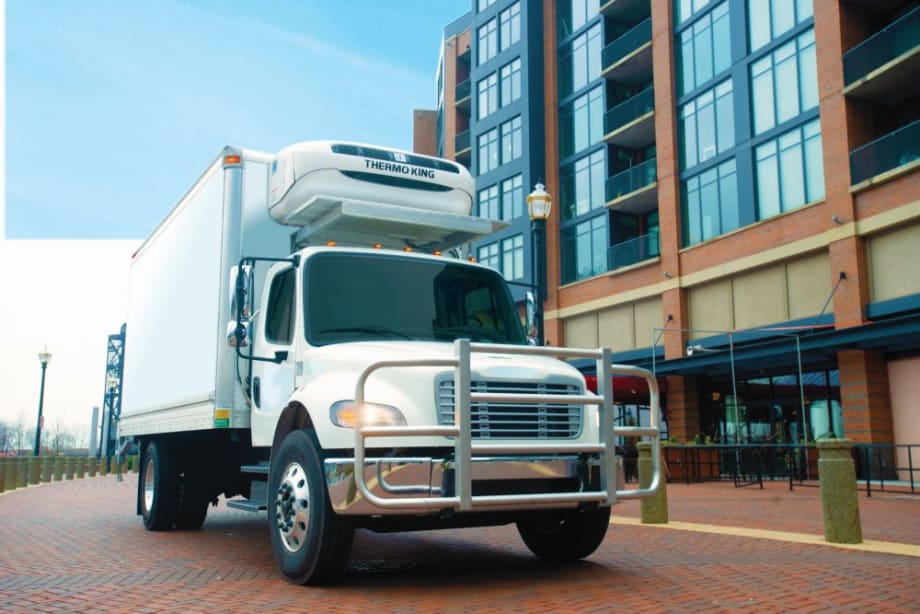
even though a fleet upfitting a vehicle may only keep it while it’s in optimal condition, finding a solution that will last for the entirety of a vehicle’s life can make it more attractive to buyers when it comes time to remarket it.
Photo: Thermo King
9 min to read
Truck upfits and equipment are a significant investment. But they’re an important one: They offer storage and organization for critical tools, supplies, and equipment. They can keep the contents of a truck or trailer warm or cool. They can lift technicians high in the air or carry ladders to help them access out-of-reach places. Or they can keep the contents of a truck or van in place, which keeps drivers safe.
Those are just a few uses, but ultimately, upfits and truck equipment enable fleets to perform their work and do it safely and efficiently. Between their importance and the related financial investment, it’s no wonder fleets will want to take careful consideration when managing the lifecycle of upfits and equipment.
Here’s what fleets should expect from the “extras” they adorn their trucks with and variables that can extend or shorten their lifecycle:
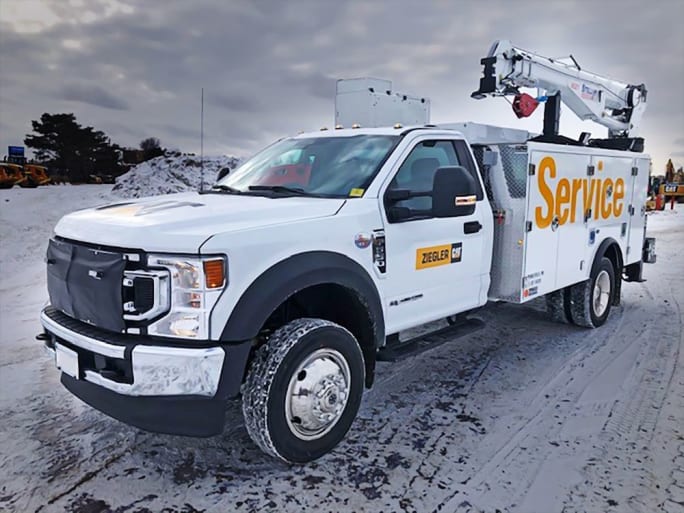
The lifecycle of upfits and equipment can vary based on several different factors, but often the simplest answer is that upfits and equipment should last as long as the vehicle does.
Photo: Stellar Induistries
How Long Should Upfits and Equipment Last?
The lifecycle of upfits and equipment can vary based on several different factors, but often the simplest answer is that upfits and equipment should last as long as the vehicle does.
“A properly spec’ed and quality upfit should last the life of the vehicle,” said Tim Marling, VP, Product & Engineering for Upfit, Parts & Service at Wabash National, which designs and manufactures trailers, dry and refrigerated truck bodies, structural composite panels and products, trailer aerodynamic solutions, and other equipment. “Of course, that assumes it is used the way the manufacturer intended, is not subject to abuse, and receives regular preventive maintenance.”
Paul Lawrenson, director of Business Development for EZ STAK, a provider of vehicle storage solutions, said the company keeps vehicle life in mind when designing solutions for its customers — and that means the lifecycle can vary based on the truck or van type.
“Traditionally, a light-duty van would be 8-10 years, but when you get into the heavier duty vehicles, it can be 15-20 years,” he said. “Trailers can last 20-plus years as well. We try to build our cabinets to exceed that lifecycle.”
While equipment and upfits may be designed to last the entirety of a vehicle’s life, Adam Oppermann, product manager for Stellar Industries, a manufacturer of hydraulic truck-mounted equipment, said fleets might elect to replace equipment sooner.
“Each fleet has its threshold on when to replace equipment based on their optimized lifecycle. How long equipment can last is different than how long a fleet decides to own equipment based on their optimized lifecycle,” he said. “A mechanics body and crane, for example, can last more than 15 years when maintained, but some fleets may replace at eight years based on their fleet lifecycle optimization.”
This rings true for Joe Packard, transportation & fleet manager for Ziegler CAT, a construction and farm equipment dealer and Stellar Industries customer.
“We look for five to seven years out of our small and large service trucks (Class 5-7),” he said. “Many of our specialty trucks (Class 7-8), including preventive maintenance, weld trucks, and machining trucks, we aim for eight to 10 years.”
Tracey Patterson, North American truck product manager for Thermo King, which provides heating and refrigeration for trucks and trailers, said even though a fleet upfitting a vehicle may only keep it while it’s in optimal condition, finding a solution that will last for the entirety of a vehicle’s life can make it more attractive to buyers when it comes time to remarket it.
“Typically, fleets think of our refrigeration system to be the vehicle life. Generally, their trade cycles are around seven years, but that’s not all fleets,” she said. “It’s important to think about their vehicle life and making the refrigeration system match that. Thinking about it as a complete solution also helps the transition to a secondary market.”
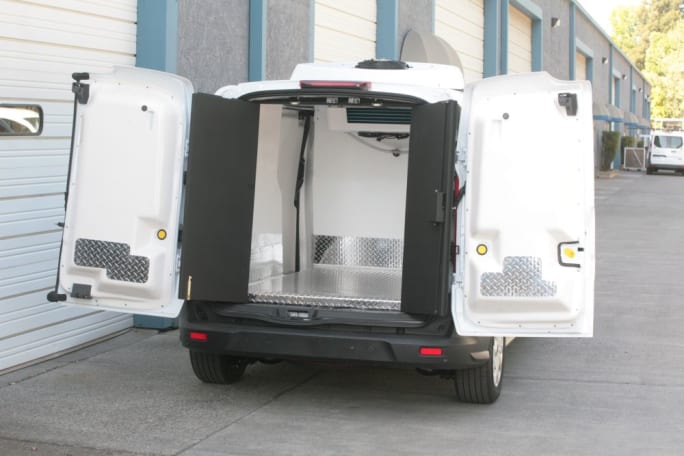
Quality of upfit, usage, work environment, and care (service and maintenance) are impactful variables for a lifecycle.
Photo: Driverge
What Variables Impact Upfit & Equipment Lifecycles?
Although many upfits and equipment may be designed to last for a vehicle’s life, several factors can either preserve the integrity of it or shorten its useful life.Sean Meredith, national fleet manager for Driverge, which builds commercial wheelchair vans, shuttles, transporters, and crew vans, said there are four chief lifecycle factors.
“Quality of upfit, usage, work environment, and care (service and maintenance) are the most impactful variables for a lifecycle,” he explained. “These need to be clearly understood and defined between a fleet manager and the upfitter. Defining these variables will provide everyone with the best and, likely, expected outcome.”
Jeff Haag, VP Fleet Sales for DECKED, which provides in-vehicle storage solutions for pickups and cargo vans, said DECKED anticipates such factors when designing their product.
“Upfit life expectancy is based on several factors such as how the upfit is used, if it’s exposed to the weather, and the material used in the upfit,” he said. “At DECKED, our system is built from HDPE and galvanized, e-coat and stainless steel. It is weatherproof, so it doesn’t wear out regardless of if it is used in the back of an uncovered pickup bed or a van. The upfit will outlive the truck.”
Oppermann said factors like proper maintenance, environment, miles driven or hours operated, repair history, condition, duty cycle, and how hard the equipment is running during a duty cycle all impact the lifecycle of upfits and truck equipment.
The impact can vary when these factors work in tandem.
“For instance, a crane that is undersized for the work being done with no maintenance will have a much shorter lifecycle than a right-sized crane that is properly maintained,” he explained.
Packard agreed that several variables influence the overall lifecycle for his fleet’s upfits.“The base climate, workload, usage (hours), operators, and how well units are maintained are all factors for us,” he said. “In addition to these items, current regulations also play a role in how trucks are upfit, like environmental impact.”
The type of industry being serviced can also be an important factor. For instance, Lawrenson said the weight of tools and equipment can impact the level of wear on drawers, cabinets, and the like.
“Heavy utilities like gas and water departments tend to use very heavy tools, parts and fittings, and that has a big impact on the longevity — how aggressive and abusive the type of work is,” he said. “But in industries like communications or residential electrical, the tools and materials are usually lighter, so it’s easier on the equipment.”
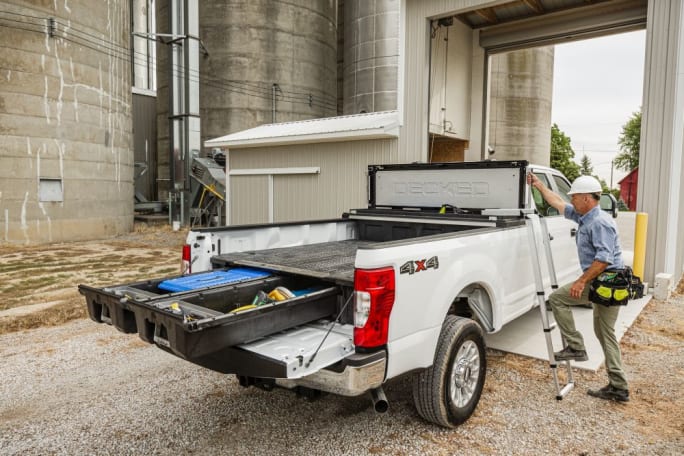
The type of industry being serviced can also be an important factor. The weight of tools and equipment can impact the level of wear on drawers and cabinets.
Photo: Decked
How Do You Mitigate the Effects of Weather on Lifecycles?
One big factor that can shorten the lifecycle of upfits and equipment is weather.
“In the Northeast and Midwest, the climate tends to be a lot more up and down: hot in the summer, cold in the winter, and wet in the spring. With that comes a lot more salt and sand, and humidity is a big thing,” Lawrenson said. “If you go to Massachusetts or Connecticut, you’ll see the weather takes an extreme toll on a vehicle and equipment. But, in Southern California, 30-year-old vehicles will be in beautiful shape — no rust and mint condition other than high mileage. That shows the dramatic difference weather can make.”
As a fleet manager, Packard knows first-hand what it’s like to operate a fleet in cold weather.
“If you operate regularly in colder climates, you are more prone to salt spray on roads, which can create corrosion and oxidation. Cold temperatures also slow oil flow and can create gelling in diesel-powered units. Lastly, batteries tend to drain more rapidly. All of these items affect how your upfit truck functions,” he said. “Being in the cold north, we build our trucks to withstand the conditions, taking into consideration things like oil type, cold weather products, load bed covers, and heaters. Keep equipment clean and serviced regularly. This helps mitigate salt corrosion, build up, and in turn prevents excessive downtime.”
Marling agreed that batteries are prime targets for the effects of weather, impacting the effectiveness of upfits and equipment.
“Both high temperatures and very low temperatures affect the life and performance of not only your vehicle’s main battery but also any auxiliary batteries used to power truck components,” he said. “It is advisable to keep a battery maintainer on your vehicle if it will not be used for an extended period or overnight when the temperatures are very cold.”
In addition to weather, Meredith said other environmental factors could also impact upfits.
“Whether the upfit is a simple static attachment or a complex mechanical design, extreme cold or heat, air quality, and dirt can impact equipment such as hydraulics or compressors operating in polluted or dense contaminated air,” he said. “In most upfits, manufacturers or upfitters discuss the best use conditions or conditions that can negatively impact the lifecycle of the upfit. The fleet manager must understand the upfits durability and purchase at a design and quality level to meet those expected operating conditions.”
If a fleet operates in challenging weather or environmental conditions, Jeff Langley, fleet account executive at Adrian Steel, a manufacturer for commercial van and truck equipment, said the materials used become increasingly important.“
Weather and environmental conditions need to be considered when determining what materials to use,” the representative said. “Steel, unless properly painted, has potential for rust. Stainless steel products help guard against the elements but are more expensive and introduce other issues, such as cross-contamination of metals. Plastics can be adversely impacted due to temperature fluctuations, as they can become brittle in cold and warp in extreme heat.”
Fortunately, fleets can do their part to mitigate the effects of weather.
“Including a wash as part of the routine maintenance of the vehicle will go a long way in removing the harsh effects of the weather/environment,” Langley said. “Increasing the frequency during extreme periods will go even further and make the vehicle look new longer.”
Marling breaks it down this way: “Stainless steel and aluminum are both corrosion resistant and work well in salty environments. But when they are in contact with each other, they can corrode very quickly,” he said. “When specifying equipment, make sure the equipment you are adding to your truck is compatible. If not, make sure a suitable barrier is installed to protect your investment.”
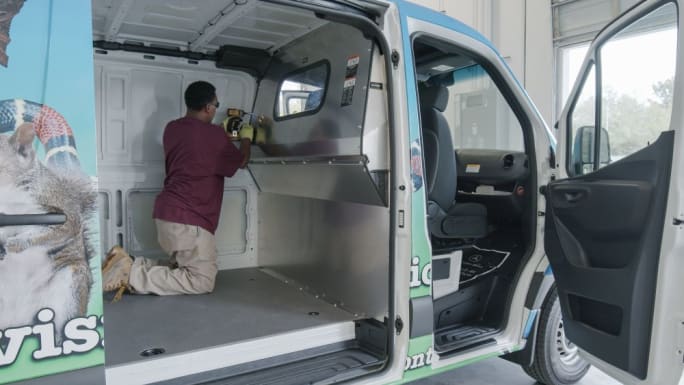
One big factor that can shorten the lifecycle of upfits and equipment is weather. Keep location in mind when spec’ing upfits and equipment.
Photo: Wabash
Lifecycle Management Dos and Don’ts
DO ask operators what their needs and goals are.
DO ask other fleets what they use and how it’s worked for them.
DO spec equipment for the operating conditions and application.
DO work with the dealer/vendor/upfitter to assess pros and cons and make the best decisions for your needs.
DO focus on the flow and the use of the vehicle and organize accordingly (i.e., make the most-used tools the easiest to access).
DO train end-users on proper use.
DO keep up on preventive maintenance.
DO balance the load/distribute weight evenly for safe stopping and less wear and tear on the vehicle.
DO keep equipment clean.
DO follow the manufacturer’s instructions, labels, and recommendations.
DO perform a truck audit to ensure it’s carrying only the necessary tools and equipment and not overtaxing upfits or the vehicle.●
DO conduct routine inspections for safe and proper operation.
DON’T fall back on a “do what we’ve always done” mentality; upfits and equipment are always improving, and the fleet may benefit from a newer option.
DON’T run broken equipment.
DON’T overwork or overload equipment.
DON’T undersize or over spec.
DON’T take a one-size-fits-all approach for all of your units.
DON’T use equipment outside of the recommended parameters of the manufacturer/installer.
Subscribe to Our Newsletter
More Upfitting
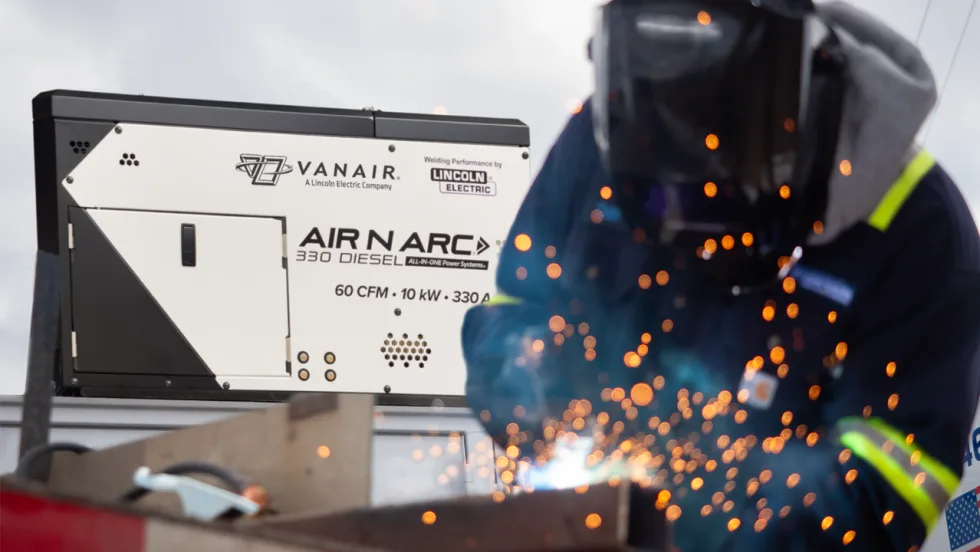
Multitasking: Vanair’s Air N Arc 330 Diesel 60 CFM All-In-One Power System
The Air N Arc 330 Diesel 60 CFM from Vanair consolidates a welder, generator, rotary screw air compressor, battery booster, battery charger, and EV charger into a single 750-pound enclosure driven by one 24.8-horsepower Kubota diesel engine.
Read More →
Buyers Products Awarded Sourcewell Cooperative Purchasing Contract for Snow & Ice Equipment
Buyers Products has been awarded a Sourcewell contract for a wide range of winter maintenance equipment and accessories, including snowplows, municipal plow systems, wing plows, spreaders, and more.
Read More →
Hilltip Introduces the SnowStriker SFT Flex Expandable Box Plow
Hilltip’s new SnowStriker SFT Flex expandable box plow features hydraulically extendable sections that allow operators to adapt the clearing width to changing conditions and applications on the go.
Read More →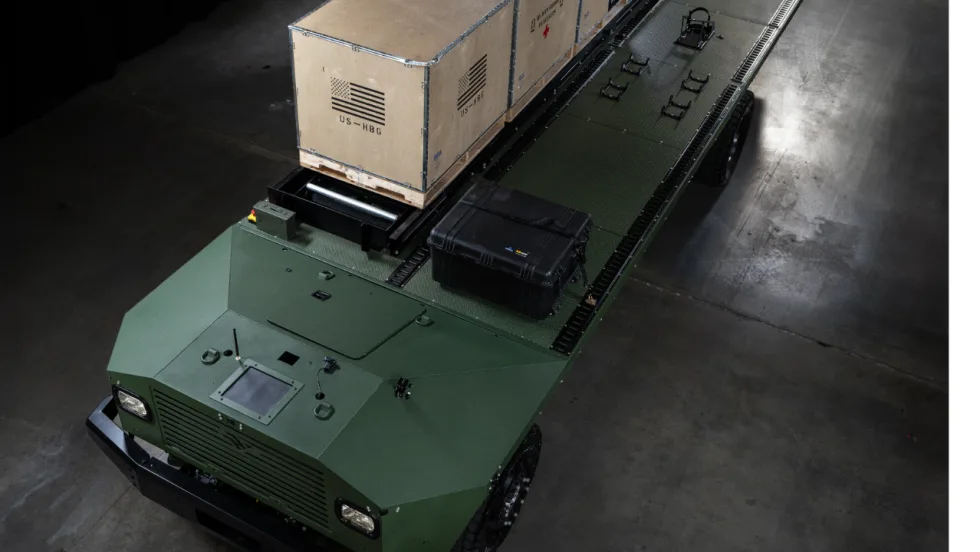
Harbinger Part of Effort to Deliver Autonomous Logistics Capabilities for U.S. Army
American Rheinmetall received an 18-month U.S. Army contract to deliver autonomous, hybrid-powered uncrewed ground vehicles. Harbinger is providing the truck platform for those vehicles.
Read More →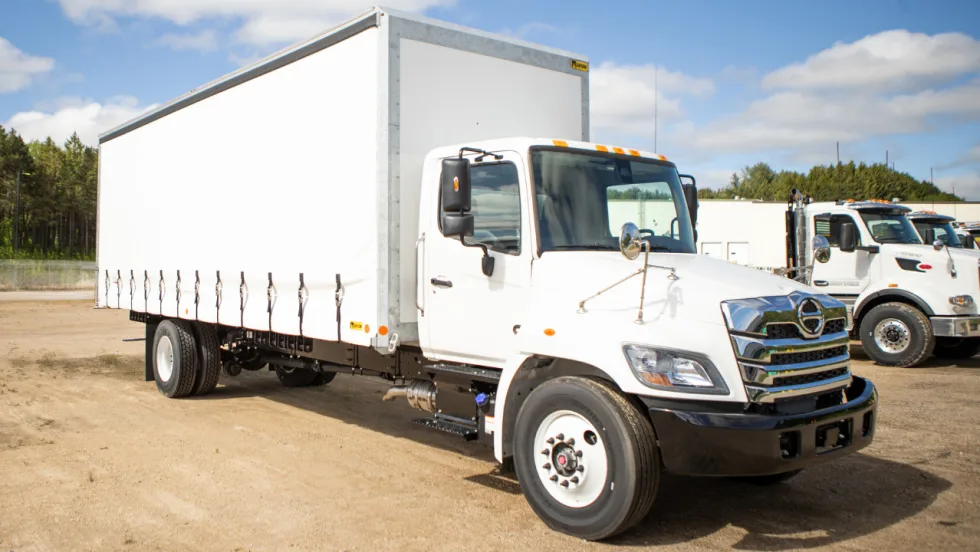
Thinking Outside of the Box: Choosing the Right Truck Body for Your Fleet
Choosing the right truck body can have a major impact on loading efficiency, cargo protection, downtime, and long-term operating costs. Here’s how dry vans, platforms, and curtainsiders compare, plus what fleets should consider before spec’ing their next truck.
Read More →
Fourth Annual Upfit Package of the Year Awards Open for 2027 Entries: One Month Left!
Think your upfit deserves industry recognition? Enter the 2027 Work Truck Upfit Package of the Year Awards before the Sept. 30 deadline. There is less than a month left to get your submissions in!
Read More →
Reading Truck Equipment & Masterack Unite as One of North America's Largest Commercial Vehicle Upfit Networks
Reading Truck Equipment and Masterack have integrated operations to create one of North America's largest and most comprehensive commercial vehicle upfit organizations.
Read More →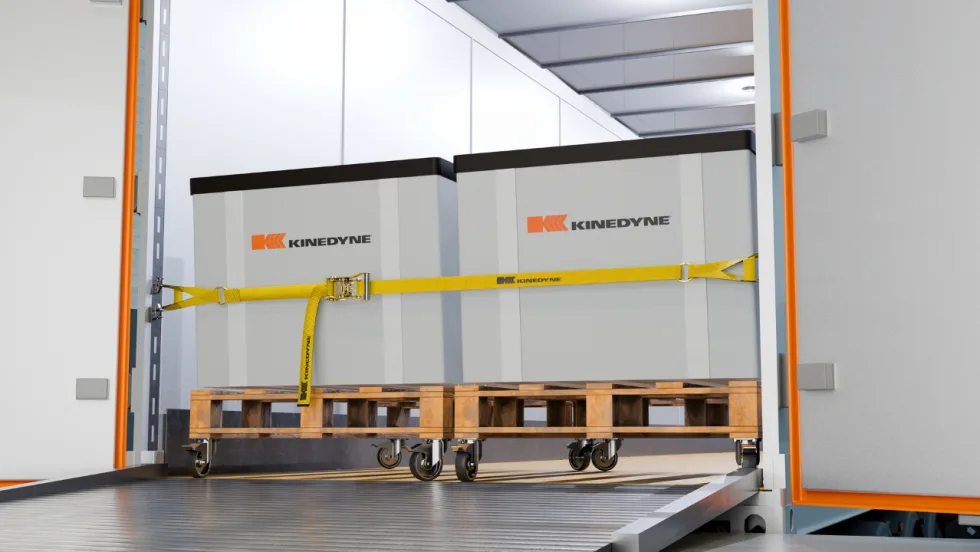
Kinedyne Launches Heavy Duty Logistic Shoring Strap
Kinedyne’s new Heavy Duty Logistic Shoring Strap features a patent-pending four-point design to deliver greater cargo stability, increased strength, and easier handling for rolling and shifting freight.
Read More →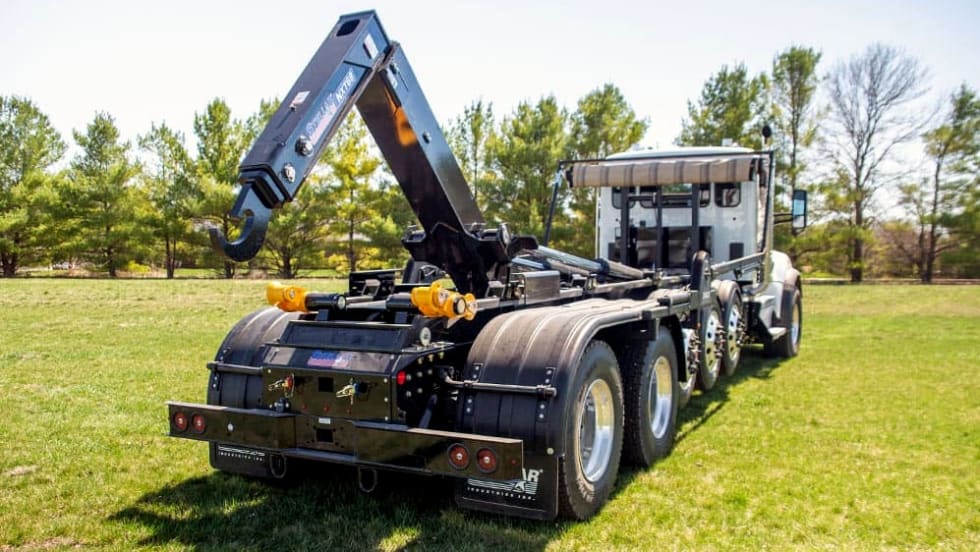
Hooklift Bumper Design from Stellar Showcases Strength & Versatility
Stellar Industries’ new bumper for the NZT Series Hooklifts come in two capacity options: the 20K, designed for Class 3 – 6 chassis with a 20,000-pound pull capacity, and the 90K, built for Class 7 and 8 chassis with a 90,000-pound pull capacity.
Read More →
Maxon Lift Awarded the Wabash Platinum Award for Supply Chain Performance
Maxon Lift, a liftgate manufacturer since 1957, received the Wabash Platinum Award for supply chain performance in 2025. Each year, Wabash presents awards to top suppliers for excellence in supply chain performance.
Read More →