




Fleet FAQs: Does Your Fleet Need Mobile Fueling?
3 Hidden Costs of Fueling & How to Avoid Them
Fuel is one of the top expenses for work truck fleets, and fluctuating gaso-line and diesel costs make your job harder. Learn more about avoiding unnecessary fuel costs.
by Frank Mycroft, Booster Fuels
April 6, 2023
To minimize wear and tear costs and improper maintenance, fleet managers might consider a combined approach of reducing extraneous miles by adopting mobile fueling while using telematics for predictive fleet maintenance.
Photo: Booster Fuels
5 min to read
With the skyrocketing costs of fleet operations and maintenance, fleet management in 2023 can feel defined by a constant search for cost savings.
According to a recent report by the American Trucking Association’s Technology & Maintenance Council and Decisiv Inc., fleet maintenance costs in 2022 were up 10% from 2021. Conventional fuel prices have been especially volatile in recent years, with U.S. gasoline prices reaching an all-time high of $5.016 in June 2022, adding to the pressure. And if the rising costs weren’t hard enough on budgets, fleet managers are increasingly being asked to lower carbon and boost sustainability — directives often beset with cost-intensive solutions.
As fuel, labor, maintenance, repairs, and more costs continue to increase with inflation and the fluctuating economy, fleet managers looking to keep costs low need to uncover savings anywhere they can. They can begin by looking closer at fueling.
At first glance, fueling costs start and stop with the sticker price at the pump. But the true cost of fueling is much more complex, spanning operations and maintenance as well. To keep the holistic costs of fueling at bay, here are three hidden costs that owners and operators should be aware of:
1. Hidden Labor Costs
Most fleets rely on gas station fueling to fill their vehicles, which means trips to the gas station punctuate many, if not most, of their drivers’ shifts. Each trip takes time — to get there, pay, fuel, and get back on route.
The average gas station errand takes about 20 minutes, according to Geotab. That time adds up quickly — to about 61 hours annually spent on gas station fueling per driver. For example, a fleet of 20 vehicles would lose 1,220 hours of work time refueling, equaling about 153 eight-hour workdays. Consider the rising costs of labor, which spiked 14.2% from 2021 to 2022, and you’ve got a significant spend on your hands.
This amounts to significant money spent on labor time for the gas station errand alone. The labor cost for fueling time adds up to about $1,436 annually. For a fleet of 20, that’s nearly $30,000.
Batching fueling with mobile fuel delivery offers a solution. In this model, vehicles are fueled at fleet yards in non-operating hours, so drivers begin each shift with the fuel needed — no gas station trips are required. By spending fewer labor hours on fueling errands, drivers can redirect that time to core business objectives, like delivering packages or making house calls.

The labor cost for fueling time adds up to about $1,436 annually. For a fleet of 20, that’s nearly $30,000. Batching fueling with mobile fuel delivery offers a solution.
Photo: Booster Fuels
2. Hidden Fuel Burn
Many fleet managers think about the money they spend on fuel, but few think about the money they spend getting fuel. Deviating from carefully planned service or delivery routes by adding gas station stops interferes with efficiency, and the extra miles add up quickly for fleets, contributing to unnecessary fuel spend.
According to Geotab, each off-route gas station trip averages about 2.2 miles. At an average fuel economy of 17.5 miles per gallon for light trucks and vans, a fleet of 20 vehicles would burn about 460 extra gallons of gas annually just driving to and from fueling stops.
Driver behaviors may also play a role. Idling is common at gas stations as drivers wait for a pump to open up or run inside for a snack. At about half a gallon of fuel spend per hour, idling for a few minutes each day can cost several dollars per week.
Boosting fuel economy can also minimize hidden fuel burn. One solution is to implement safe driving practices — the DOE wrote that obeying the speed limit, accelerating and braking gently and gradually, and reading the road ahead can improve a vehicle’s fuel economy by 15%–30% at highway speeds and 10%–40% in stop-and-go traffic.
To monitor driver behaviors and implement safe driving practices, fleet managers can turn to telematics tracking accompanied by safe driving training programs. According to Geotab, GPS tracking through telematics devices can save a fleet an average of $157 per driver.
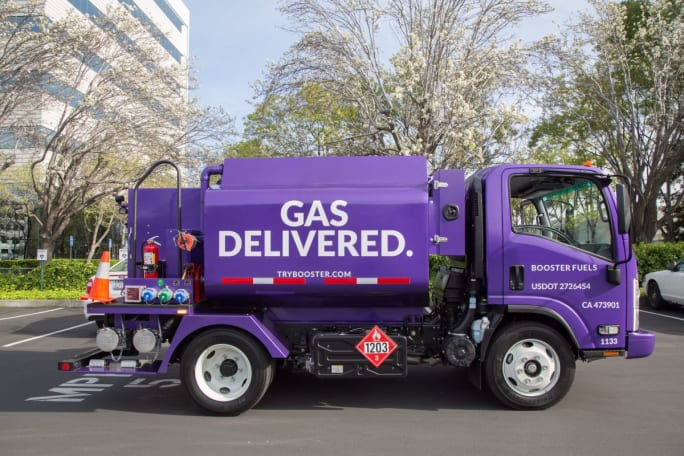
Deviating from carefully planned service or delivery routes by adding gas station stops interferes with efficiency, and the extra miles add up quickly for fleets, contributing to unnecessary fuel spend.
Photo: Booster Fuels
3. Hidden Wear-and-Tear & Maintenance Costs
Every mile traveled contributes to vehicle depreciation, also known as wear and tear.
When fleet vehicles travel unnecessary miles to and from fueling locations, they unwittingly add unnecessary wear and tear to fleet costs. Each fleet vehicle might see about $160 in depreciation on average annually due to fueling errands alone.
Added miles also require more vehicle maintenance, which significantly affects fuel economy. A few fuel-related facts to keep in mind include:
Keeping tires filled to the recommended PSI can improve gas mileage by up to 3%.
Underinflated tires can lower gas mileage by about 0.2% for every 1 PSI drop in the average pressure of all tires.
Improper wheel alignment can increase fuel consumption by 2.2%.
Low engine oil can reduce fuel economy by more than 2%.
To minimize wear and tear costs and improper maintenance, fleet managers might consider a combined approach of reducing extraneous miles by adopting mobile fueling while using telematics for predictive fleet maintenance. Predictive fleet maintenance leverages real-time analytics and long-term fleet data trends to optimize the timing of fleet maintenance activities, keeping fleets running at tip-top shape with their best fuel economy.
Rethinking Work Truck Fleet Fueling
You’re likely spending much more on fueling than you realize. The time, fuel, and wear and tear associated with endless treks to and from the gas station add up quickly, adding significant stress to already tight budgets.
Fleet managers looking to balance tight budgets amid rising fleet costs should implement telematics and data analytics, teach safe driving practices, and consider adopting mobile fuel delivery to streamline fueling and save on costs.
Subscribe to Our Newsletter
More Fuel

The Smart Way to Build a Mixed-Energy Fleet Isn’t About Picking a Side
Mixed-energy fleets aren’t about picking a winning fuel. Sarah Booth of WEX explains how vehicle data, duty cycles, charging strategy, and real-world costs can help fleets choose the right energy source for each job.
Read More →
Ignoring This Dashboard Warning Could Cost Your Fleet Thousands in Fuel
New research suggests neglected diesel aftertreatment systems could waste up to $30 in fuel per vehicle each day. Here's why vocational fleets should pay attention.
Read More →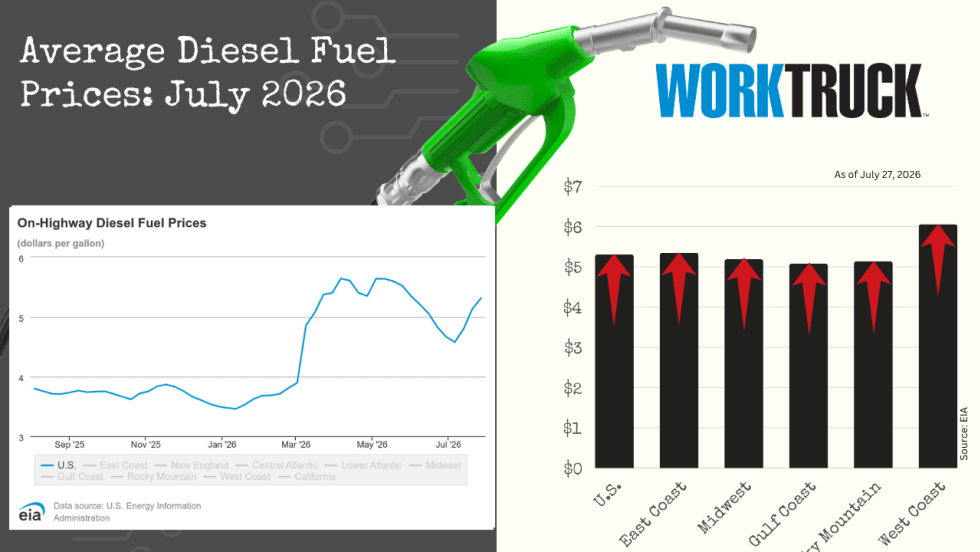
July Diesel Trends Update
The average price of a gallon of diesel increased again this week, and the EIA reported a new national average of $5.31 at the start of the week.
Read More →
WEX Brings Standard Fleet's Connected Vehicle Platform to Fleet Customers
This week’s product launch with Standard Fleet’s connected vehicle platform reflects WEX Venture Capital's strategy of turning startup innovation into customer solutions. Standard Fleet is now available to WEX fleet customers.
Read More →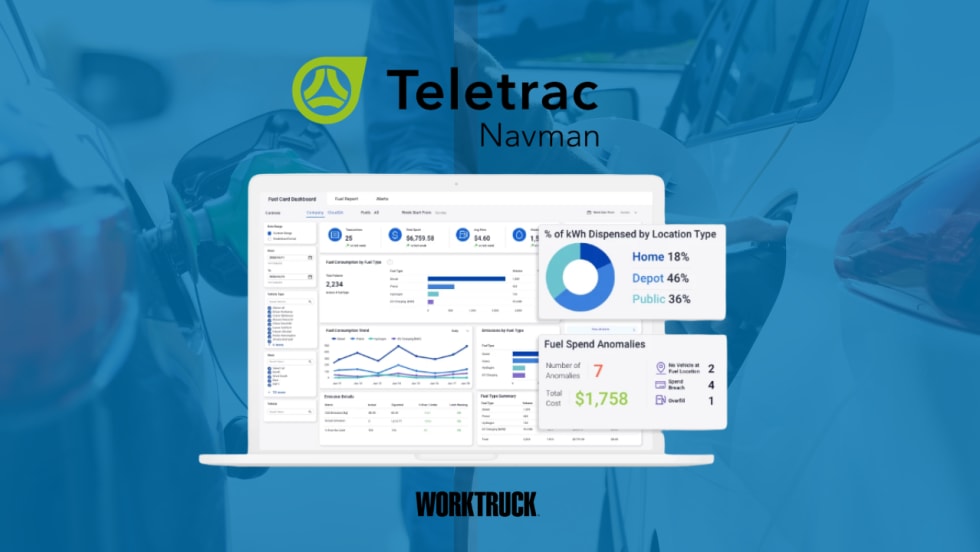
Teletrac Navman Adds Mixed-Energy Fleet Tools to TN360
The new Energy Hub combines fuel transactions, EV charging data, vehicle range, and energy costs in one dashboard for fleets operating multiple vehicle and energy types.
Read More →
WEX DriverDash adds CITGO, Expands Nationwide Access for Fleets
The DriverDash mobile payment app, by WEX, has been integrated into the CITGO merchant network, which means WEX has expanded its U.S. station footprint with the addition of approximately 4,000 CITGO locations.
Read More →
Mixed Energy Fleet Tips for Balancing EVs, Gas and Diesel Vehicles
Mixed energy fleets are becoming the new normal. Learn how fleet managers are balancing EVs, gas and diesel vehicles while controlling costs and planning for the future.
Read More →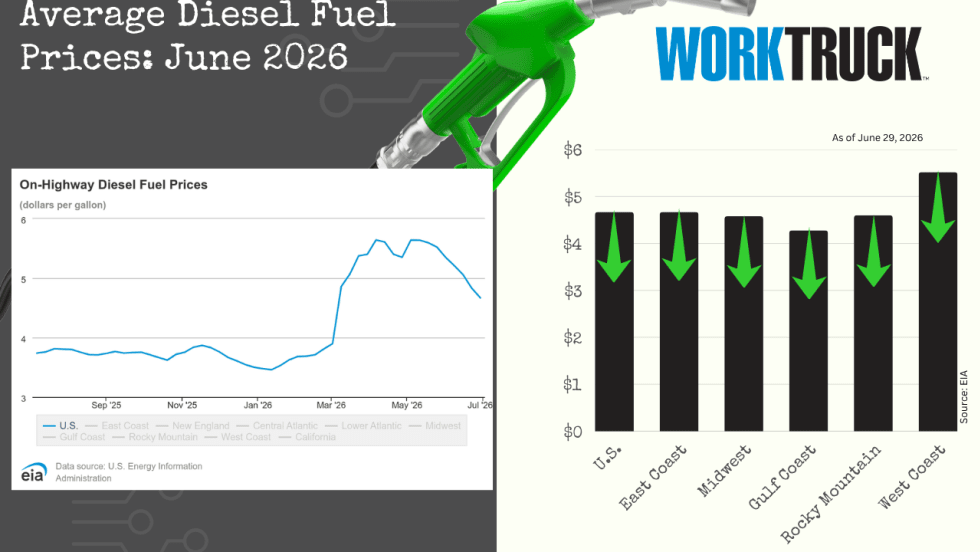
June Diesel Trends Update
The national average price of a gallon of diesel has dropped again, this week by more than 16 cents. All five regions reported lower average prices, ranging from almost 13 cents to more than 28 cents cheaper than a week ago.
Read More →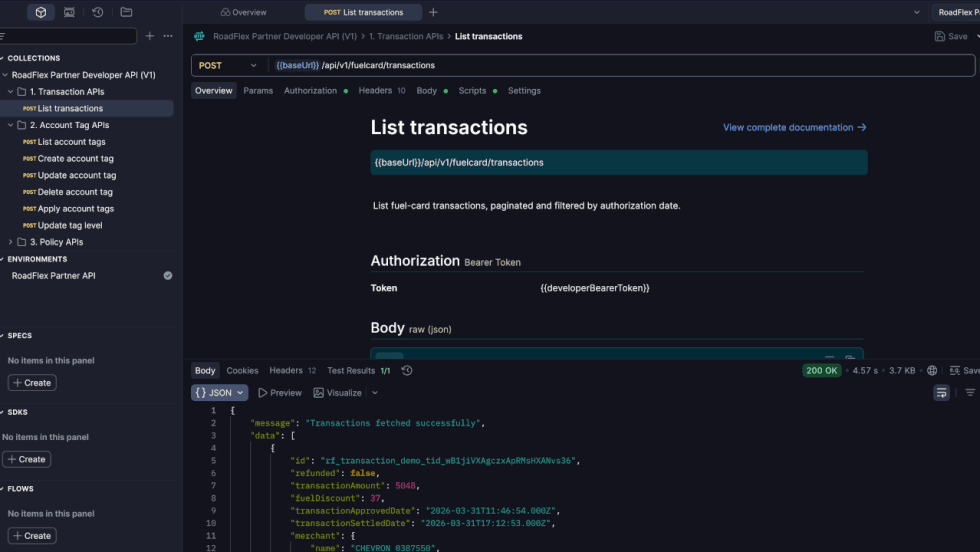
RoadFlex Launches RoadFlex Direct Open API Platform
RoadFlex Direct connects fuel cards, controls, and data to the telematics and fleet management systems fleets already run, from Geotab and Samsara to Fleetio and RTA, with no separate dashboard or double data entry.
Read More →
The Key to Fuel Efficiency Sits in the Cab
Learn how driver behavior, telematics, coaching, and fuel data can help fleets improve fuel efficiency, lower costs, and reduce emissions.
Read More →