




Booster: Coast-to-Coast Mobile Fueling
Mobile energy delivery company Booster is expanding from coast-to-coast with its delivery platform now in 13 major U.S. markets.


The new markets enable Booster to deliver tens of millions of gallons of fuel, with plans to increase growth and volume in Philadelphia, Boston and Phoenix by the end of the year.
Photo: Booster
In response to growing customer demand from enterprise fleets looking to optimize costs, lower carbon, emissions and source renewable fuels, Booster, a tech-driven mobile energy delivery company, is expanding services across the United States with several new market launches.
The company recently launched in three new markets – Portland, Oregon; Philadelphia; and Boston – and will be in a fourth, Phoenix, in October. Booster continues to scale up operations and expand its serviceable range to meet growing demand from large-scale enterprise customers such as Amazon and UPS, which continue to see unprecedented growth.
"We are thrilled to establish a coast-to-coast presence and launch operations in these four new markets," said Frank Mycroft, Booster co-founder and CEO. "Given the shifts in the global energy landscape – rising fuel costs, growing challenges and delays around wide-scale electrification, concerns about supply chain disruption – enterprise customers are increasingly looking for reliable energy delivery who can help reduce these pain points. Energy-as-a-service will become even more critical as we navigate these ongoing challenges."
Phoenix will mark the company's thirteenth major market following its recent expansion. All told, the company currently has offices in Boston (which also services Providence, Rhode Island), Dallas; Orange County, California; Nashville, Tennessee; Philadelphia; Portland; Richmond, California; Sacramento, California; San Diego; San Jose, California; Seattle, and Washington, D.C. (which also services Maryland).
The new markets enable Booster to deliver tens of millions of gallons of fuel, with plans to increase growth and volume in Philadelphia, Boston and Phoenix by the end of the year.
"We expect to see accelerated growth across these markets, with several new market launches planned for 2023," said Amy O'Neil, Booster chief operating officer. "None of this growth would be possible without the commitment of our customers, and the dedication and collaboration of our partners to further expand the Booster network. We are thrilled to help our customers optimize their fleet operations to best serve their customers by maximizing their vehicle and human capital assets."
Booster advocates for legislation permitting mobile fueling at the state level, and works closely with policymakers and local regulators to pass mobile fueling permits and ordinances as demand for the service expands. In total, Booster has received permits to operate in more than 50 cities and counties across the United States while exceeding requirements for environmental quality and safety.
Booster has worked with fleets to convert from diesel to renewable fuels, partnered with REG to provide mobile delievery of sustainable fuels, and has been boosting up it's executive team.
More Fuel
Before Diesel Costs Climb, Find What’s Costing Your Fleet More
Driver habits, maintenance, and truck specs all affect fuel costs. Here’s where to look before cutting expenses that keep your fleet working.
WEX Report Finds Fleet Fuel Spending Climbed as Consumption Held Steady in 2026
New WEX transaction data highlights rising fuel costs, purchasing habits, and potential savings opportunities for commercial fleets navigating 2026.

Everything You Need to Know About Renewable Diesel
Learn how renewable diesel works, how it differs from biodiesel, and what work truck fleets should know about costs, emissions, and performance.
From Our Partners
New Propane Autogas Program Offers Fleet Compensation
Sponsored by Propane Education & Research Council
Basic Tracking vs Next Generation Fleet Technology
Sponsored by AT&T Business

How AI Video Telematics Boosts Driver Safety and Helps to Avoid Unnecessary Costs
Sponsored by Verizon Connect

Do You Need an Integrated Fuel Management System?
Sponsored by AssetWorks
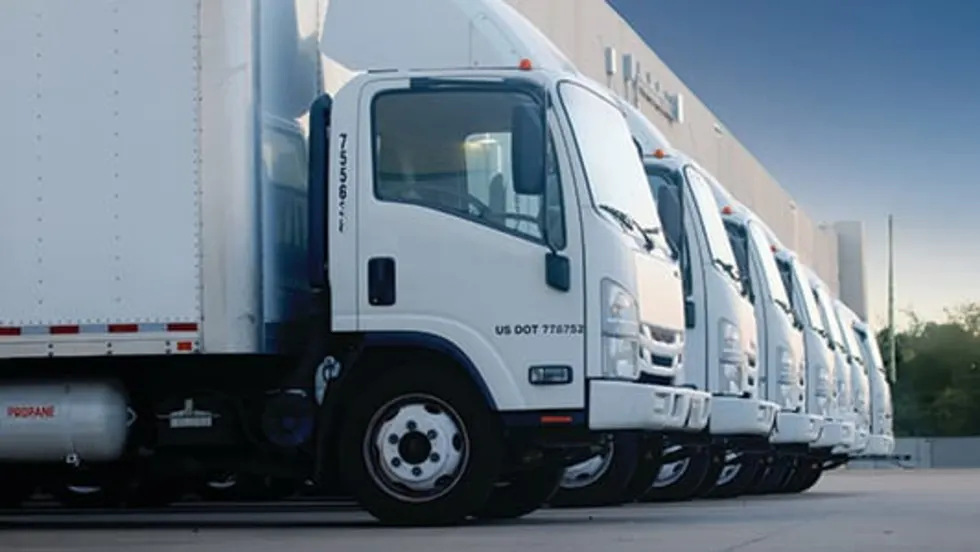
New Propane Autogas Program Offers Fleet Compensation
Qualified commercial fleets can receive $7,500 per eligible propane autogas vehicle and up to $10,000 for new refueling site prep. Learn how the program works and see whether your fleet qualifies.

Precision Under Pressure: Why Modern Diesels Demand a New Fuel Maintenance Playbook
Modern diesel fuel systems leave little room for contamination, deposits, or old maintenance habits. See why today’s HPCR engines demand a more proactive approach to fuel quality, injector health, and DPF protection.
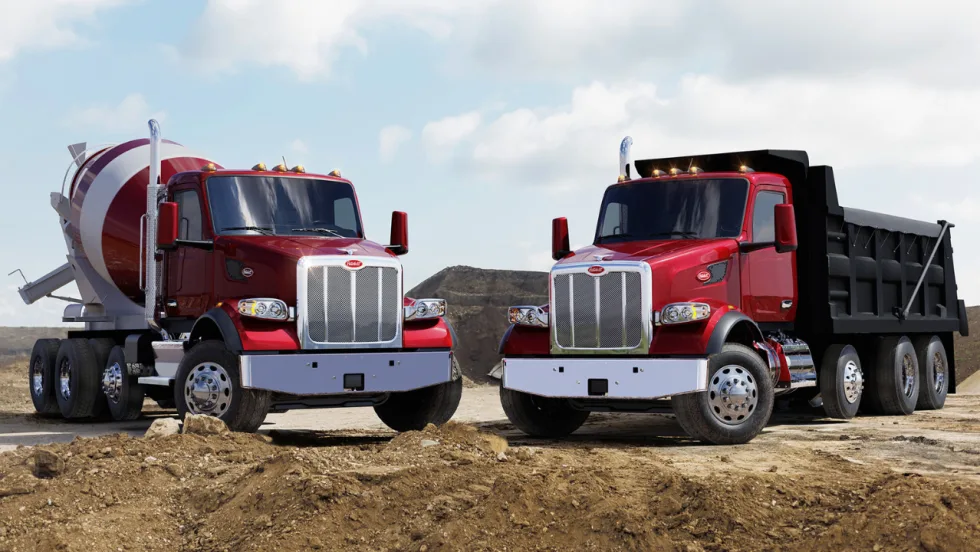
Peterbilt Trucks Equipped with Paccar TX-18 Pro Boost Efficiency for Maryland Fleet
Patuxent Companies is replacing aging trucks with the Peterbilt Model 567 and Model 589, specified with the Paccar TX-18 Pro 18-speed automated transmissions, and is reporting an 8% to 10% improvement in fuel economy.

The Smart Way to Build a Mixed-Energy Fleet Isn’t About Picking a Side
Mixed-energy fleets aren’t about picking a winning fuel. Sarah Booth of WEX explains how vehicle data, duty cycles, charging strategy, and real-world costs can help fleets choose the right energy source for each job.
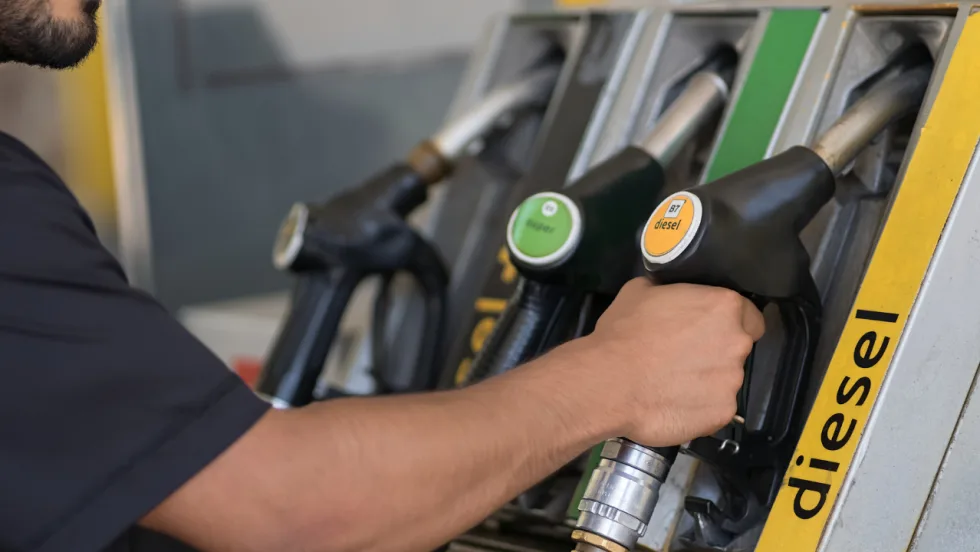
Ignoring This Dashboard Warning Could Cost Your Fleet Thousands in Fuel
New research suggests neglected diesel aftertreatment systems could waste up to $30 in fuel per vehicle each day. Here's why vocational fleets should pay attention.
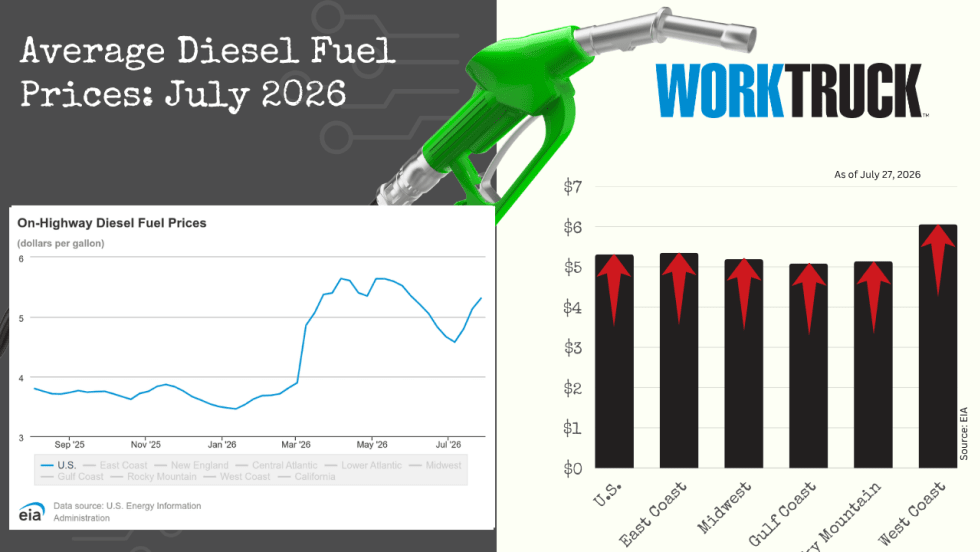
July Diesel Trends Update
The average price of a gallon of diesel increased again this week, and the EIA reported a new national average of $5.31 at the start of the week.

WEX Brings Standard Fleet's Connected Vehicle Platform to Fleet Customers
This week’s product launch with Standard Fleet’s connected vehicle platform reflects WEX Venture Capital's strategy of turning startup innovation into customer solutions. Standard Fleet is now available to WEX fleet customers.