




Did you know? Clean Harbors adopted Samsara's fleet management solution across its fleet for real-time GPS.
Tips from Clean Harbors: Sanitizing Vehicles During COVID-19
There’s plenty a truck driver can do to protect themselves while on the road. Remember the "5 Ws" to stay safe.
by Chuck Geer, Clean Harbors
May 12, 2020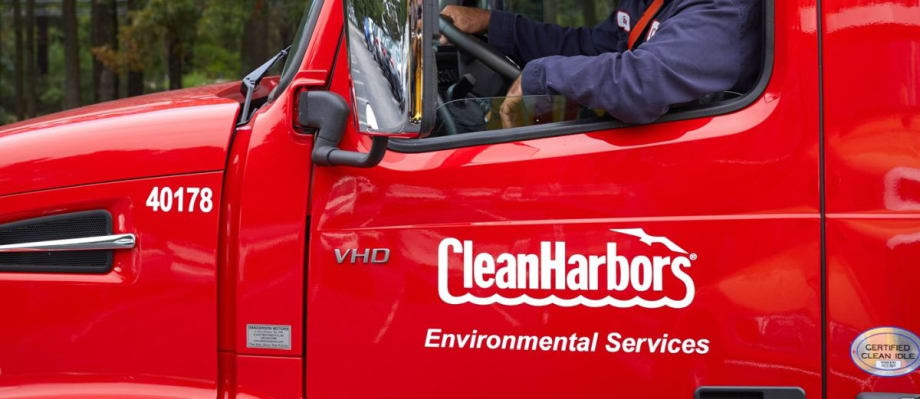
Wash your hands after touching the fuel pump, after touching a door handle, after using the restroom, and before and after eating.
Photo: Samsara
5 min to read
Clean Harbors, a leading decontamination provider, was founded in 1980. Previously, it has helped curtail the spread of avian flu and swine flu, and it was called on to decontaminate ground zero following 9/11.
Currently, Clean Harbors is on the front lines of the fight against COVID-19 — dispatching thousands of trained experts to help more than 1,300 businesses in the United States and Canada decontaminate airlines, cruise ships, trains, fleets, sports stadiums, schools, universities, hotels, government buildings, food and beverage wholesalers, stores, and myriad other facilities.
The '5 Ws' for Safe Drivers During COVID-19
While Clean Harbors typically specializes in large scale decontamination projects, and head of COVID-19 decontamination efforts, there’s plenty a truck driver can do to protect themselves while on the road:
1. Wipe down ‘high touch points’ in your cab.
Choose wipes or disinfecting spray that are at least 70% alcohol or chlorine. Wipe down your truck each morning before you hit the road. Hitting the steering wheel, console, and gear shift are obvious, but that’s not enough. You want to be sure to disinfect what we call “high touch points”–simply enough, any spot that you touch a lot. That includes things like your door handles, seatbelt, buckle, seat, radio knob, air conditioner, horn, wiper switch, and any typical controls. In your mind, go through how you normally drive and take note of all the things you normally touch. If you touch it, it needs to be wiped down.
That may sound time consuming, but if you follow the next steps on this list, you really only need to do it once at the start of each day.
2. Wait for the disinfectant to do its job.
Make sure you wait a few minutes after your thorough wipe-down before you take the wheel and start touching things again. This is what we call “contact time.” Be patient and let the alcohol or chlorine do its work. If you touch the surfaces before the disinfectant dries, all that wiping you just did was for nothing.
3. Wash your hands before reentering your cab.
No, seriously, wash your hands. You’ve undoubtedly heard this a million times over the past month or so, but washing your hands is the most important thing we can do to stem the spread of coronavirus.
You may think, “Yeah, I know to wash my hands,” but so few people know how to wash their hands correctly. You must wash your hands with warm or cool water and soap vigorously for 20 seconds. Most importantly, scrub your palms–hard. Be sure each part of your hand receives friction, including between your fingers, fingertips, underneath fingernails, and thumbs.
If you’re tired of “Happy Birthday” running through your head twice to determine when those 20 seconds are over, switch it up and sing the chorus of “Karma Chameleon” by Culture Club or “Lose Yourself” by Eminem. Or, you could hum the Empire theme song from Star Wars if you’re feeling particularly ominous.
Washing your hands just after using the restroom is not enough. You need to wash your hands after getting gas, picking up lunch, or making a drop-off. Basically, any time you leave the cab, you need to wash your hands before coming back in. Sometimes you’ll need to wash your hands multiple times in that span.
At a truck stop to fill up, use the restroom, and grab something to eat? Wash your hands after touching the fuel pump, after touching a door handle, after using the restroom, and before and after eating. Any time you touch any surface that could be contaminated, you need to wash your hands afterward.
4. Wear gloves and a mask when outside your vehicle.
If all that handwashing while outside your truck sounds like too much, wear gloves. Disposable gloves are best, but any gloves can work—cleaning gloves, driving gloves, work gloves, rubber gloves, ski gloves, or mittens will all do. You just need something that covers your skin while touching foreign surfaces. Put your gloves on immediately after exiting the cab and take them off again before getting back in and touching anything. If you are wearing disposable gloves, throw them away before re-entering your cab.
So, your hands are clean and your mind is sharp. What about your nose and mouth? Should you be wearing a mask? It’s never a bad idea to wear a mask in public but understand that—unless you have an N95 medical mask or respirator—you’re not protecting yourself against the virus, you’re protecting others in case you have the virus. There is, of course, a chance that you could have coronavirus without knowing it. And, in that case, you could spread it to others. If you feel at all sick, just stay home.
5. What are your surroundings? Keep a wide berth.
Keeping your hands clean is vital, but keeping your mind sharp is just as important. You’ve spent your whole life shaking hands, touching doorknobs, and casually socializing with people without fear. Those cultural norms are extremely difficult to break, but in unprecedented times like these, you must be cognizant of every move you make and everything you touch.
Social distancing is effective in curbing the spread of coronavirus. Stay six feet away from other people and keep an even wider berth from someone coughing, sneezing, or sniffling. Everyone will understand why you’re not offering up a handshake — no one will think you’re impolite or unprofessional.
Give them a wave from six feet away or joke that you’d shake their hand in normal circumstances, but we told you not to (we don't mind taking the blame).
About the Author: Chuck Geer is the Senior Vice President of Field Services for Clean Harbors.
Subscribe to Our Newsletter
More Safety & Compliance

The Difference a Word Makes in DOT Compliance
In fleet compliance, one word can change what’s required. Learn how FMCSR definitions help determine which rules apply to your trucks and drivers.

What Your Fleet's Brakes Might Be Telling You About Tailgating
Could frequent brake replacements reveal a driver following too closely? Learn how brake wear, driving habits, and maintenance costs connect.
Recalls You Need to Know About in November 2026
If you have Altec, Autocar, Battle Motors, Chrysler, Daimler Truck, Ford, General Motors, Kalmar, Mack Trucks, Paccar, Rivian, Terex, Toyota, or Volvo Trucks vehicles in your fleet, you should check these important recalls issued by the National Highway Traffic Safety Administration.
From Our Partners

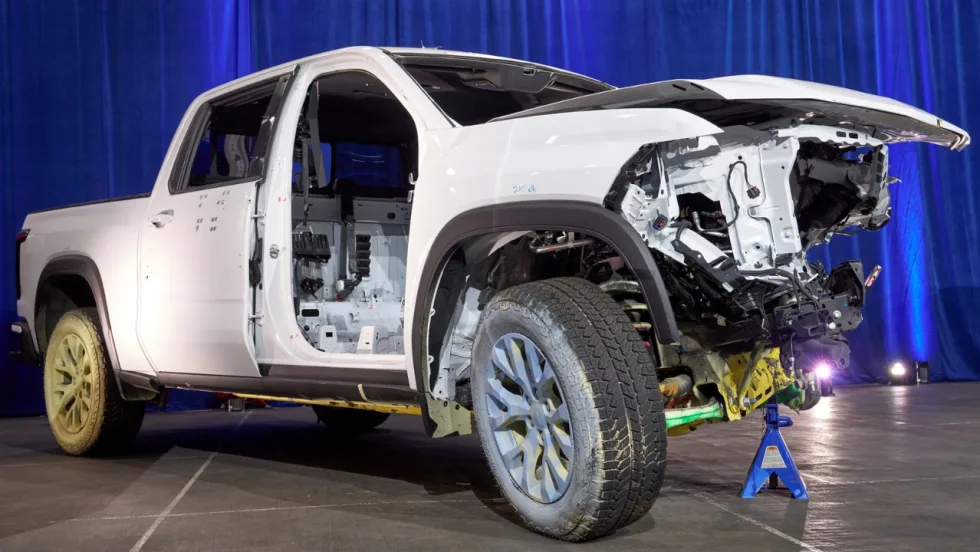
GM Runs 92,000 Virtual Crash Tests to Develop 2027 Chevrolet Silverado 1500
GM used 92,000 simulated crashes to evaluate the 2027 Chevrolet Silverado 1500's safety performance before confirming results through physical testing.
Thanksgiving Cargo Theft Risks Put Fleet Security in Focus
J. J. Keller shares cargo theft prevention tips for work truck fleets ahead of Thanksgiving, when parked vehicles and reduced staffing can increase security risks.
5 Winter Fleet Videos to Help Keep Trucks Running and Drivers Safe
From preventing cold-weather breakdowns to navigating icy roads, these five videos offer practical winter preparation tips for work truck fleets.
Navigating the Effects of Daylight Saving Time on Work Truck Fleets
Discover how daylight saving time impacts work truck fleets and get essential tips for fleet managers and drivers to navigate the "fall back" transition.
How Halloween Changes the Job for Work Truck Drivers
Truck traffic doesn’t take the same Halloween break as other drivers. What fleet managers should know about timing, neighborhood stops, and braking data.
Tips for Driving Safely on Halloween Night
This video features a reminder from the Connecticut Department of Transportation (DOT) and the Connecticut Police Chiefs Association, urging drivers to prioritize safety this Halloween.
Re-rating Gross Vehicle Weight Ratings (GVWR): Why and How it's Done
Sometimes, it is not in a fleet’s best interests to have a vehicle at a given GVWR. Changing the GVWR to a special value can be done, but the process is complicated.