




Related: The Case for Fuel Filtration
5 Things Fleets Should Know About Fuel Quality and Filtration
Clean fuel has never been more important for proper fleet equipment operation and diesel fuel filtration has become more complex. Here are five facts that you may not have known about fuel quality and today’s technology.
by Scott Grossbauer, Donaldson
January 30, 2018
Modern filtration media technologies such as Donaldson’s Synteq XP Media feature thermally bonded fibers for a high level of efficiency and contaminant retention. Image via Donaldson
4 min to read
Clean fuel has never been more important for proper equipment operation and minimizing downtime. The sophistication of today’s transportation equipment requires higher fuel cleanliness to meet the demands of precision-designed fuel system pumps and injectors.
However, keeping diesel clean is more complex because of higher concentrations of water emulsions in fuel and organic contaminants that can foul the system. Fortunately, advancements in fuel filtration are helping to meet growing fuel cleanliness requirements of modern diesel engines for increased performance.
Fuel filtration has evolved. Here are five facts that you may not have known about fuel quality and today’s technology:
1. The smallest contaminants can be crippling
The high-pressure common rail (HPCR) fuel systems used in low-emission diesel engines deliver much better efficiency. However, the systems are much more susceptible to damage from contaminants 20 times smaller than the diameter of human hair. Contamination can result in poor engine performance, lower efficiency/fuel mileage and ultimately engine failure.
For OEMs, this means more stringent requirements for fuel filtration. What was considered high efficiency in the past may not cut it today. Today, the industry is measuring high-efficiency closer to 99.9% for particles in the 4-micron range. A fraction of a percentage point can make the difference on whether a filtration system can achieve the fuel cleanliness requirements for the HPCR components.
2. Water is an ever-formidable enemy
HPCR systems are also more susceptible to damage caused by water. Water in the fuel supply is a significant hurdle in achieving the best performance and can also cause fuel filter plugging, injector deposit buildup, fuel instability and even bacterial growth in onboard and bulk fuel tanks.
To achieve more reliable fuel-water separation, primary filters are transitioning to advanced filtration technology referred to as coalescing filtration. This style of filter features multi-layered filter media and multiple stages of filtration and separation to collect finer water droplets into larger ones so that they can be more easily removed from the fuel.
3. Fuel additives require care
The transition to ultra-low-sulfur diesel (ULSD) has created the need for additives to replace the lubricating properties of sulfur-based compounds. Surfactant-based fuel additives with good fuel solubility characteristics are beneficial because they bind to a wide range of surfaces and help maintain fuel purity. But they need to be used properly.
With no industry standards adopted for fuel additives, problems can occur when they’re blended improperly or incompatible fuel additives are mixed together.
4. Watch your biodiesel blends
The increased use of biodiesel blends has also put more pressure on filtration systems. While glycerin and other related glycerols — byproducts of biodiesel production — are in biodiesel blends, they won’t cause immediate problems as long as they remain warm and in liquid form. At low temperatures, however, glycerin assumes a solid waxy state where it can drop to the bottom of tanks, get caught in fuel filters, and form sticky, corrosive engine deposits. Ultimately, these deposits can immobilize a fleet.
The exact blend percentage, temperature and water content can all affect how much glycerin a fuel can hold in solution. Once it precipitates, or comes out of solution, glycerin can negatively impact filterability in ways similar to excess additives and drastically reduce expected filter life. To help mitigate this issue, look for blends with lower glycerin levels. Storage practices that keep the fuel clean and dry will also help.
5. Today’s fuel filters have evolved
It’s important to understand what’s “under the hood” of your filters. As a high-efficiency filter picks up more fine contaminants, what may have passed through in previous years may now be a contributing factor to plugging a tighter filter. Media technologies like Synteq XP used in Donaldson Blue fuel filters address this by delivering a high level of efficiency and contaminant retention.
In addition to fuel filter media advances, fuel filtration solutions are engineered at the system level. Today, it is very common to use a fuel filtration system that utilizes more than one filter, each with varying degrees of performance. Donaldson also encourages filtration upgrades at the bulk storage stage to head off contamination and fuel quality problems before they reach the fleet.
Fuel filtration is on the front line of your defense against downtime and operational expenses. Contaminants in diesel fuel such as hard particles, dirt, water and organic soft particles can have a wide range of impacts to equipment, some of which can have profound issues relating to warranty and the total cost ownership.
Scott Grossbauer is the director of Clean Fuel Solutions for Donaldson Company, a global filter manufacturer with manufacturing and distribution locations in 44 countries.This article was authored under the guidance and editorial standards of HDT’s editors to provide useful information to our readers.
Subscribe to Our Newsletter
More Maintenance

ARI-hetra Launches 9,000-Pound Capacity Wireless Mobile Column Lift
ARI-hetra said its new lift is the industry's first 9,000-pound-capacity mobile column lift, delivering 36,000 pounds of total lifting capacity, ALI-certified safety, and reliable ball-screw performance for dealerships and medium-duty fleets.
Read More →
Where Are All the Women Technicians? Closing the Gap with Support and Career Pathways
Women make up just 4% of diesel tech roles. Here’s how trucking can attract, support, and retain more women in the shop.
Read More →
What REALLY Makes a Truck Reliable? We Want Your Input!
Work Truck is gathering real-world fleet insight on truck reliability. Share your experience and help shape upcoming editorial coverage.
Read More →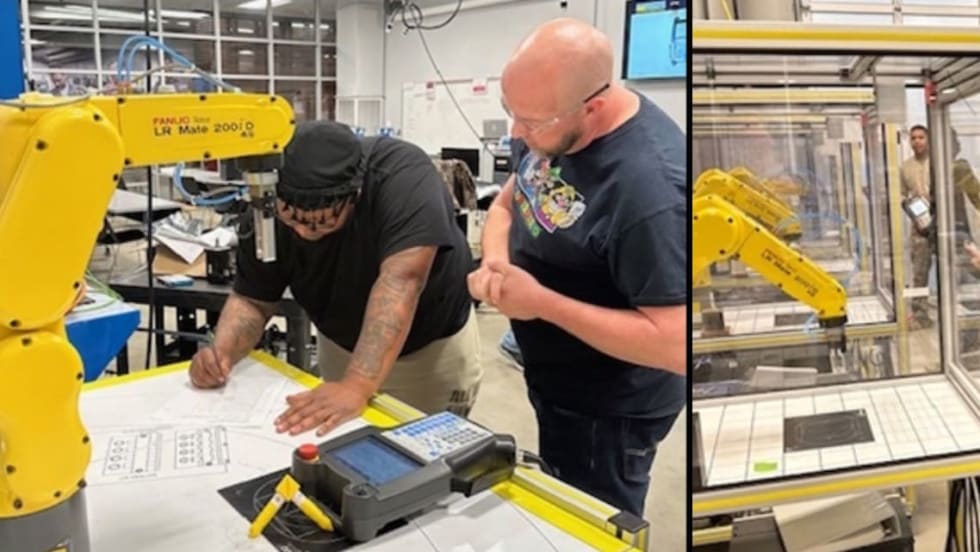
Hands-on Program at Yokohama’s Mississippi Truck Tire Plant Helps Employees Build Skills
Yokohama Tire Manufacturing Mississippi’s Maintenance Apprenticeship Program, in partnership with East Mississippi Community College, combines classroom instruction with on-site experience as employees pursue an associate degree.
Read More →
Sponsored•May 29, 2026
Are You Tracking Your Fleet's True Total Cost of Ownership?
Bobit Business Media surveyed 190 fleet professionals and found that while most fleets are tracking costs, fragmented systems and data gaps are keeping true TCO visibility out of reach. With rising pressure to control spend in an increasingly volatile environment, the gap between what fleets think they know and what the data actually shows is wider than you might expect. See how your peers are managing costs today and where the industry still has room to improve.
Read More →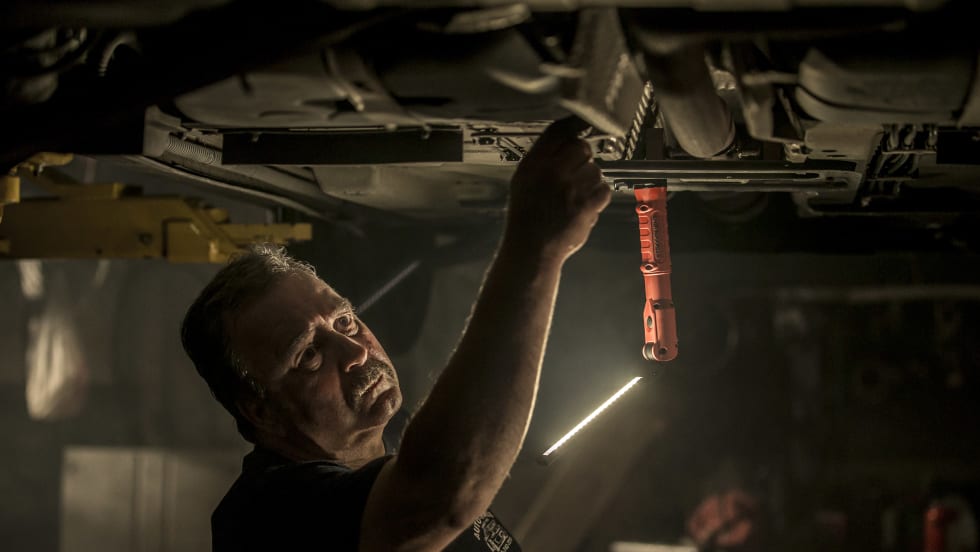
The Power of Inspection Lighting in Modern Fleet Maintenance
Technicians tackle varied tasks every day, but as problem-solvers, they need good illumination during inspections, repairs, and maintenance. So, what makes a good technician inspection light?
Read More →
Kenworth Names 2026 Service Council
Kenworth Truck Company has selected leading Kenworth service professionals for its 2026 Kenworth Service Council, which will promote service and product enhancements. See who was selected and which Kenworth dealers they represent.
Read More →
Why The Skilled Trades Shortage Leads to Opportunity
The skilled trades are short millions of workers, but the upside is big: strong pay, job security, and careers AI can’t replace
Read More →
How GM is Growing Skilled Trades Careers Nationwide
In the past year, General Motors has invested nearly $200 million to grow skilled trade careers across the U.S. The goal for GM is to support its current workforce with the skills and development they need while building clear, compelling career paths for the next generation.
Read More →
CMA/Double Coin Announces Appointments
Patrick Etheridge has been promoted to director of OEM/truck stop sales for CMA/Double Coin, and Jose Pfirrmann has been promoted to director of sales for Region 1 for CMA.
Read More →