




Amazon Flex Program is Like Uber for Last-Mile Delivery
Amazon has unveiled what some are calling Uber for last-mile delivery, after the fast-growing service that replaces traditional taxis with an app that links riders and drivers.

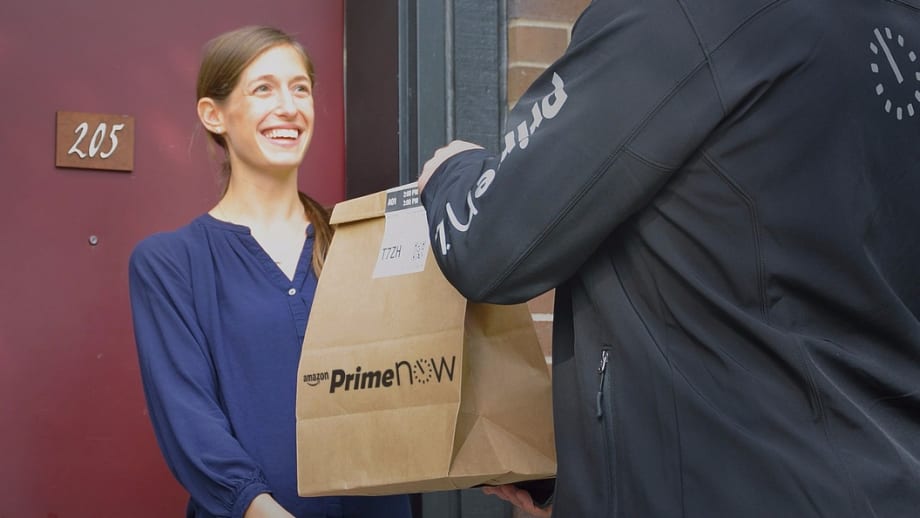
Amazon has unveiled what some are calling Uber for last-mile delivery, after the fast-growing service that replaces traditional taxis with an app that links riders and drivers.
Flex would allow ordinary people to make $18 to $25 an hour delivering packages for Amazon using their car and a smartphone, as an independent contractor.
Flex drivers (must be 21 years old) will deliver ultra-fast Amazon Prime Now packages. This program for paid Amazon Prime members promises deliveries as quickly as one hour for $8, or free for two hours or more. In the future, Flex drivers may deliver other types of Amazon packages as well, according to the website.
Initially launched in Seattle, the service will expand to Manhattan, Baltimore, Miami, Dallas, Austin, Chicago, Indianapolis, Atlanta and Portland.
Amazon says tens of thousands of items are available for delivery under Prime Now including, in Seattle, alcohol, reports The Wall Street Journal.
Amazon has had a significant impact on supply chains and the e-commerce industry in North America and Europe, with its focus on same-day delivery and its developing relationships with 3PL companies for last-mile delivery, according to a survey of third-party logistics provider CEOs, sponsored by Penske Logistics and released Monday.
On average, e-commerce now accounts for an average of 11.85% of North American 3PLs' revenue, and CEOs predict it will increase to 20.85% in three years.
The survey also noted that ride-sharing companies, most notably Uber, are believed to potentially pose a threat to aspects of the 3PL industry in the future by providing last-mile delivery services and taking business away from small-volume couriers.
One problem for this model, however, may be the independent contractor status of these drivers. There already are lawsuits against Uber, grocery delivery startup Instacart, Postmates and others over whether these workers were misclassified and should be entitled to back pay and benefits as employees rather than contractors.
Originally posted on Automotive Fleet
More Operations
A buyer's guide to fleet management software in 2027
Buying fleet management software in 2027 means looking beyond features and price. As fleet operations, technology and expectations evolve, this guide explores what today’s fleet professionals should consider when choosing a system that can deliver value now and adapt to what comes next.
Read More →
How to Build a Lasting Fleet Career by Staying Curious and Connected
Tina Kourakos never planned on a career in fleet. More than 30 years later, she says curiosity, strong relationships, and a willingness to keep learning helped turn an unexpected assignment into a career spanning fleet management and OEM leadership.
Read More →
Think You Know Trucks? Take Our 19-Question Fleet Trivia Challenge
From chicken lights to diesel engines and trucking history, test your knowledge with 19 questions from the 2026 Work Truck Exchange and Heavy Duty Trucking Exchange.
Read More →From Our Partners
Basic Tracking vs Next Generation Fleet Technology
Sponsored by AT&T Business
5 Facts Every Fleet Manager Should Know About Embedded Telematics
Sponsored by Stellantis/Mobilisights
How AI Video Telematics Boosts Driver Safety and Helps to Avoid Unnecessary Costs
Sponsored by Verizon Connect
Charting the 8 Bottom-Line Benefits of Workforce Optimization
Sponsored by Verizon Connect

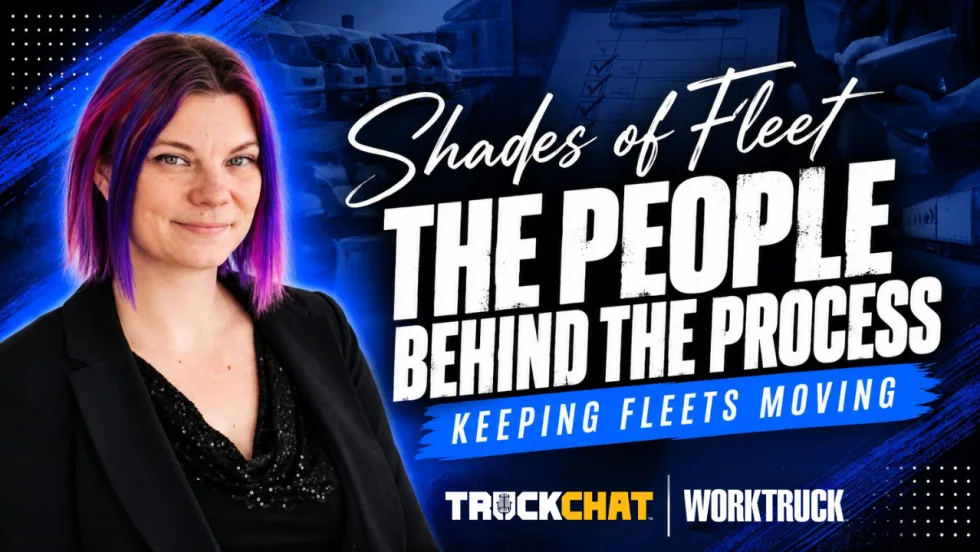
Where’s My Truck: Inside the Fleet Logistics Work Nobody Sees
Shades of Fleet video thumbnail featuring Lauren Fletcher beside the text “The People Behind the Process, Keeping Fleets Moving,” with fleet vehicles and logistics imagery in the background.
Read More →
Work Truck Seeks Fleet and Industry Insights on 2026 Trends and 2027 Forecasts
Work Truck is seeking insights from fleet leaders and industry partners on the trends that shaped 2026 and what commercial fleets should prepare for in 2027. Participate today!
Read More →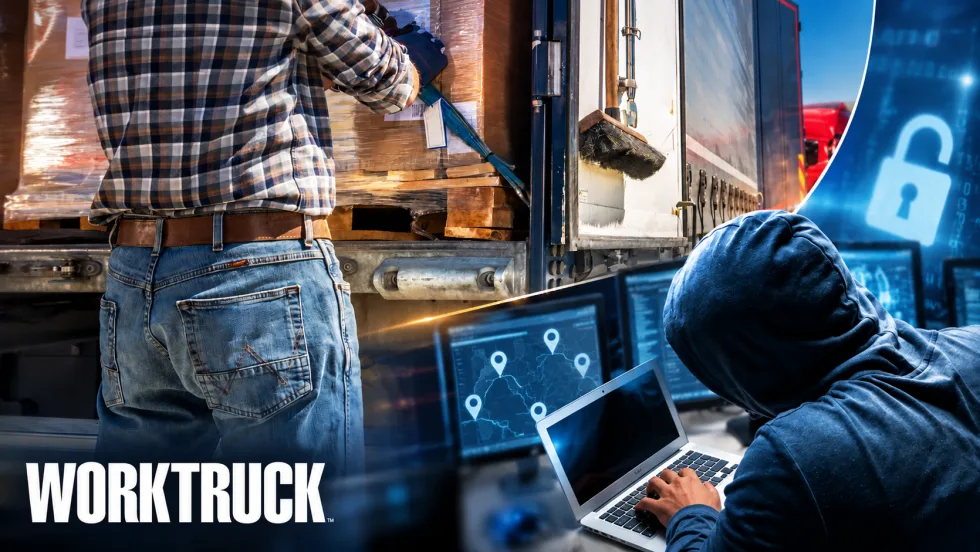
It's 10 p.m... Do You Know Who Has Access to Your Fleet?
Preventing cargo theft requires investment in technology, operational processes, and employee training. In an industry with tight margins, it can be difficult to justify investments whose value is measured by incidents that might never occur.
Read More →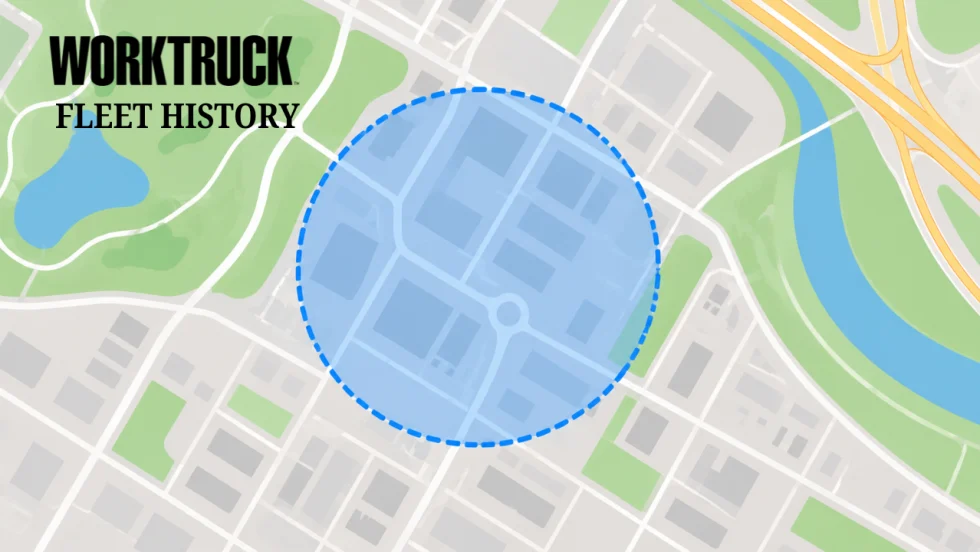
GeoFencing Adds to Your Truck Security Arsenal
Geofencing is a familiar fleet tool today, but its early adoption marked a major shift in vehicle tracking, route monitoring, and the debate over employee privacy.
Read More →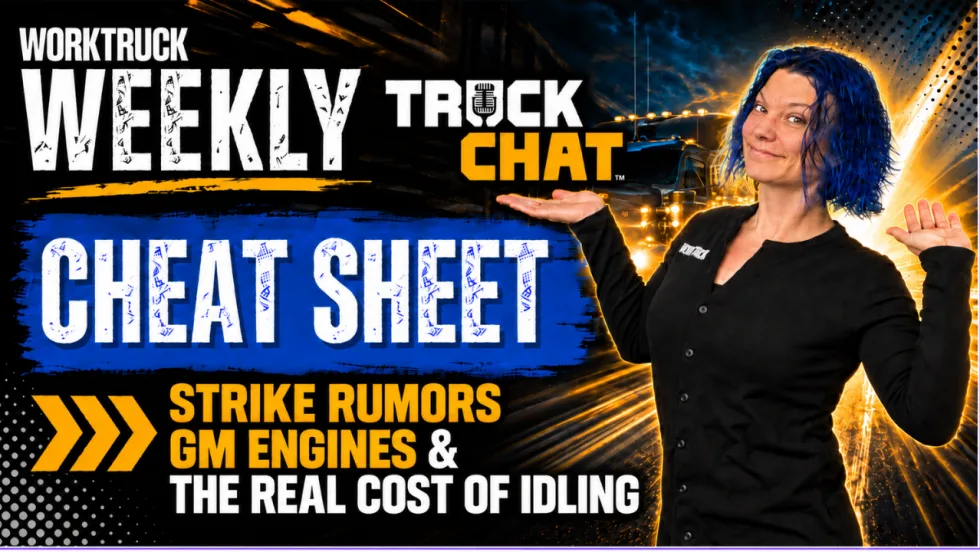
Truckers’ Strike Rumors, New GM Engines, and Hidden Idling Costs Lead This Week’s News
Truckers’ strike rumors, GM’s new 2027 engines, hidden idling costs, racing lessons, IRP rules, and more headline this week’s Truck Chat Weekly Cheat Sheet.
Read More →
Shades of Fleet Wants to Hear From You About Building a Culture of Care
Fleet leaders, we want to hear from you. Share how empathy, trust, and creating space for people can strengthen your team, improve performance, and support retention.
Read More →
What Racing Can Teach Work Truck Fleets About the Work Nobody Sees
Race car driver and mechanical engineer Isaac Johnson shares practical lessons on preparation, relationships, setbacks, and building teams that perform when it counts.
Read More →