




AWP Safety Doubles Down on Work Zone Protection During NWZAW
AWP Safety emphasizes that real, lasting change in work zone safety comes from ongoing efforts: not just one week a year.
April 22, 2025

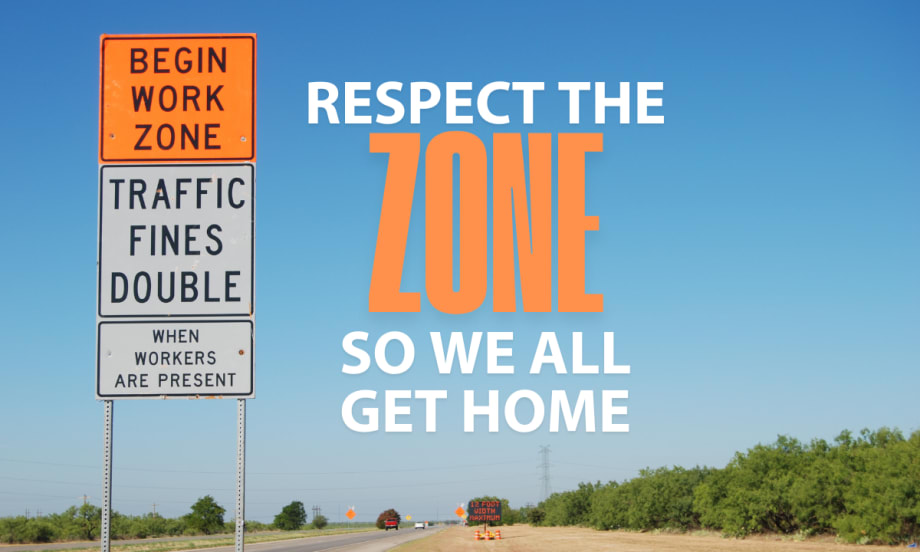
With a workforce of over 8,200 employees supporting more than one million worksites annually, AWP Safety’s message is simple and direct: Respect the zone so we all get home.
Photo: Work Truck
2 min to read
As National Work Zone Awareness Week (April 21-25) takes place across the country, AWP Safety, a provider of professional traffic control services, is underscoring its mission: protecting the people who power our infrastructure.
With a workforce of over 8,200 employees supporting more than one million worksites annually, AWP Safety’s message is simple and direct: Respect the zone so we all get home.
“Awareness is just the start,” said Michelle Marsh, senior vice president of EH&S at AWP Safety. “Our real impact happens every day, on real roads, through the hands of trained professionals who turn that awareness into action — one jobsite at a time.”
Investing in People, Raising the Bar
From local events to customer engagement programs, AWP Safety actively participates in NWZAW efforts nationwide. But the company’s commitment goes beyond the week’s events.
Chief HR Officer Michael Shearer shared how the organization is building stronger, safer teams through focused recruitment, training, and structured career paths. Field professionals, known as Protectors, can advance to supervisory and training roles — creating consistent crews and safer work zones.
“Our people aren’t just clocking in. They’re showing up with a calling,” Shearer said. “We’ve developed structured career paths to ensure the transfer of knowledge, which ultimately builds safer roads.”
With infrastructure projects continuing to ramp up, AWP Safety is preparing to nearly double its workforce by 2030 to meet demand and elevate industry standards.
Smarter Tools for Safer Roads
AWP Safety is also integrating new technology to increase situational awareness and reduce risk in unpredictable work zones. That includes:
Automated Flagger Assistance Devices (AFADs): These allow Protectors to direct traffic remotely, keeping them out of live lanes.
Intelligent Traffic Cones: Equipped with solar power, speed detection, and connectivity to share real-time data with crews and navigation apps like Waze and Google Maps.
GPS-Linked Systems: Helping drivers reroute or slow down before they even see a work zone sign.
“Technology allows us to go beyond reactive safety,” Marsh said. “It gives us the power to predict, prevent, and perform.”
A Shared Responsibility
AWP Safety emphasizes that real, lasting change in work zone safety comes from ongoing efforts: not just one week a year. From the skilled professionals managing flagging to the motorists behind the wheel, everyone plays a role in work zone safety.
“It’s so much more than signs and cones,” Shearer added. “It’s about training, compliance, and being ready when the unexpected happens.”
More Safety

When a Work Truck Breaks Down, the Job Can Stop, Too
A work truck breakdown can stop more than the vehicle. Discover how payloads, jobsites, and specialty equipment change the roadside response.
Read More →
What Stronger Long-Term Fleet Service Partnerships Actually Require
Fleet service partnerships rarely fall apart all at once. Learn the three warning signs that trust is eroding and what fleets and providers can do before downtime, frustration, and lost revenue follow.
Read More →
Applause & TRUCE Software Partner to Improve Driver Safety Through AI-Powered Telematics & Employee Performance Management
Applause has integrated TRUCE driving metrics directly into its employee-first performance and safety platform that transforms mobile devices into AI-powered telematics.
Read More →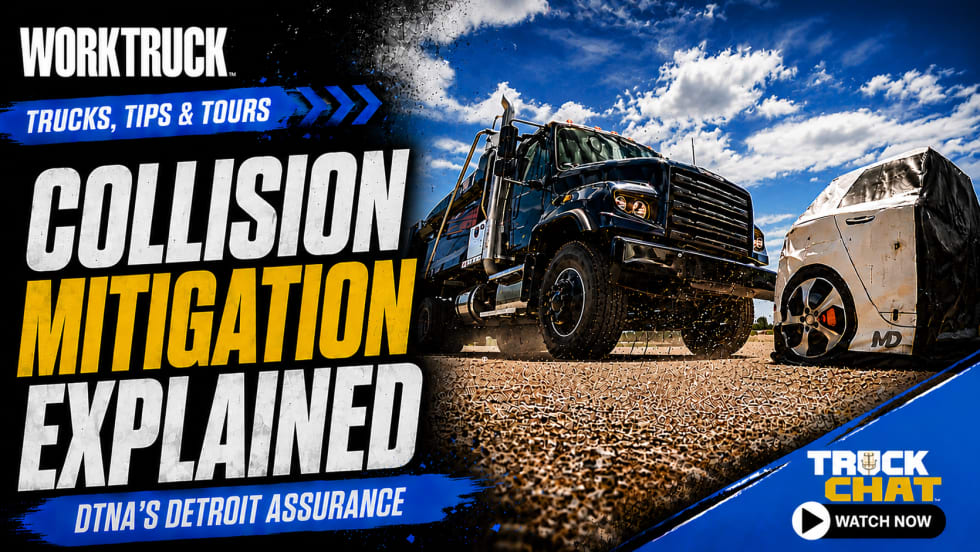
How Detroit Assurance with Active Brake Assist Works
Do you want to see what it is like to experience Detroit Assurance’s Active Brake Assist? In this video, Work Truck will put you in the cab to see how it all works and then hear more details from DTNA’s Mike Young.
Read More →
Get Left of Loss: A 5-Step Workplace Prevention Framework for Fleet Operators
Violence risks do not stop at the driver’s door. Learn five practical steps fleets can take to spot threats early and protect workers before loss occurs.
Read More →
Sponsored•July 17, 2026
How Better Visibility Cut Speeding Violations by 48%
Fleet leaders don't need more data, they need clearer visibility into what the data is saying. This case study explores how one utility replaced speeding-event counts with a single metric — miles driven in violation — to strengthen safety and significantly reduce speeding violations.
Read More →
13 Safe Driving Tips for Commercial Vehicle Drivers
Make sure you are spending time on the road safely with these important tips.
Read More →
Recalls You Need to Know About in July 2026
If you have Altec, Ford, General Motors, Harbinger, Hyundai, Mack Trucks, or Volvo Trucks vehicles in your fleet, you should check these important recalls issued by the National Highway Safety Administration.
Read More →
How Telematics Is Transforming Fleet Risk from Insight to Action
What if you could spot risky driving before it leads to a crash? See how telematics is still changing fleet safety today.
Read More →
DOT Rules Remain Firmly Lit on Marijuana
DOT says not so fast on marijuana. Even with federal reclassification efforts, commercial drivers in safety-sensitive roles remain subject to marijuana testing and prohibitions.
Read More →