




The Fleet Journey: Amy McAdams
Explore Amy McAdams’ story in Work Truck’s The Fleet Journey series, featuring her insights, challenges, and tips for achieving fleet success.
December 5, 2024

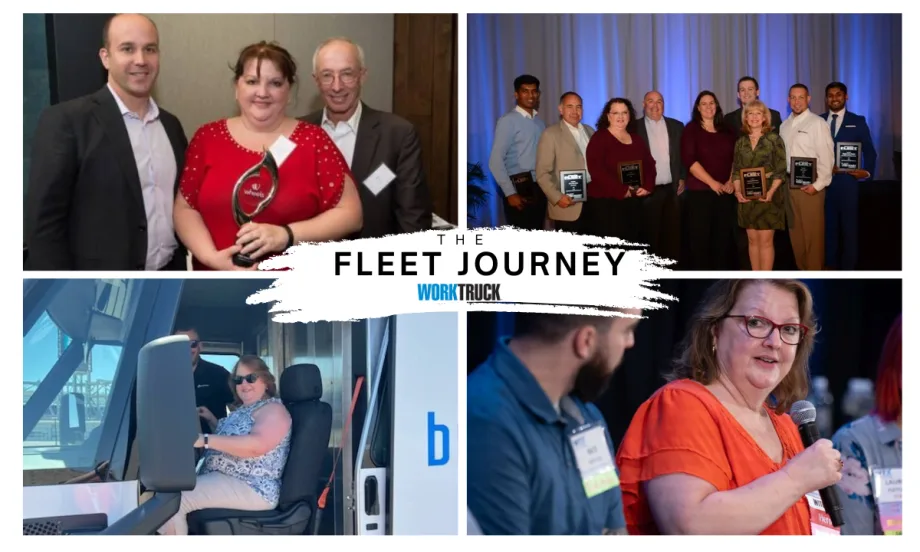
Amy McAdams, Fleet Manager at Diebold Nixdorf, shares her inspiring fleet journey, lessons learned, and her vision for continuous improvement.
Photos: Amy McAdams | Automotive Fleet | Work Truck
3 min to read
Fleet management is more than just vehicles and logistics — it’s about the people behind the operations who keep things moving. Work Truck’s 'The Fleet Journey' series aims to shine a spotlight on these professionals, showcasing their unique paths, experiences, and insights.
Through these stories, we uncover the challenges fleet managers face, the innovations they’re driving, and the lessons they’ve learned along the way. Each profile serves as an opportunity to share knowledge, inspire growth, and foster a sense of community among fleet professionals.
Whether you’re new to the industry or a seasoned leader, you’ll find valuable takeaways in these profiles — ideas to improve operations, motivation to tackle challenges, and even a few fun anecdotes to remind us why we love what we do.
Most importantly, The Fleet Journey is about creating connections. By sharing our stories, we build a stronger, more collaborative fleet community that thrives together.
Navigating Challenges and Building Connections in Fleet Management
This profile highlights Amy McAdams, a seasoned fleet manager at Diebold Nixdorf. With over 15 years of experience, McAdams has mastered balancing day-to-day challenges with a focus on strategic improvements. She is also one of the founding members of the Work TruckEditorial Advisory Board!
Q: What first sparked your interest in fleet management, and how did you start your career in this field?
Over 15 years ago, I was a Senior Accountant for a large company and transitioned to manage the fleet. I was curious about the operations and quickly became immersed in it.
Q: What’s been a defining moment or turning point in your career as a fleet manager?
After a large request for proposal (RFP) for our fleet management company (FMC) was completed, I realized the immense impact I could have on the organization. It was a turning point in understanding the value of collaboration and strategic thinking.
Q: What do you enjoy most about working in fleet management? What keeps you motivated day-to-day?
Every day is a new challenge! This keeps me focused and energized.
Q: Can you share a lesson or piece of advice you’ve learned along the way that’s been invaluable in your fleet journey?
Don't be afraid to say "NO" or "I don't know." Those moments can lead to learning and collaboration.
Q: How are you using technology to streamline fleet operations, and what advancements are you most excited about?
Our fleet is pretty simple. We partner with our FMC to stay updated and leverage their tools.
Q: What’s one goal or vision you have for your fleet’s future, and how are you working toward it?
Stay tuned... I'm still in the learning phase, but I'm focused on continuous improvement.
Q: Outside of fleet management, what’s an accomplishment you’re especially proud of?
In 2015, I completed my CAFM certification through NAFA!
Q: If you could have lunch with any figure from history or current times, who would it be and why?
Anthony Bourdain. I feel like he'd find a great restaurant and bring fascinating stories to the table.
Q: What’s the most interesting place you’ve visited, and what made it memorable?
In April 2007, I spent six days in Moscow, Russia. Experiencing the city’s culture and architecture was incredible.
Q: Feel free to share any other fun facts or personal insights about yourself that the fleet community might enjoy!
When I was born, my father was a dirt track race car driver, so speed is in my blood!
Share Your Fleet Journey!
Do you have a story to share about your fleet journey? Take our brief survey for a chance to be featured in our Fleet Journey series. Let’s connect and inspire one another to grow and thrive in the fleet management industry!
Subscribe to Our Newsletter
More Operations
Think You Know Trucks? Take Our 19-Question Fleet Trivia Challenge
From chicken lights to diesel engines and trucking history, test your knowledge with 19 questions from the 2026 Work Truck Exchange and Heavy Duty Trucking Exchange.
Read More →
Where’s My Truck: Inside the Fleet Logistics Work Nobody Sees
Shades of Fleet video thumbnail featuring Lauren Fletcher beside the text “The People Behind the Process, Keeping Fleets Moving,” with fleet vehicles and logistics imagery in the background.
Read More →
Work Truck Seeks Fleet and Industry Insights on 2026 Trends and 2027 Forecasts
Work Truck is seeking insights from fleet leaders and industry partners on the trends that shaped 2026 and what commercial fleets should prepare for in 2027. Participate today!
Read More →From Our Partners
Basic Tracking vs Next Generation Fleet Technology
Sponsored by AT&T Business
5 Facts Every Fleet Manager Should Know About Embedded Telematics
Sponsored by Stellantis/Mobilisights
How AI Video Telematics Boosts Driver Safety and Helps to Avoid Unnecessary Costs
Sponsored by Verizon Connect

Charting the 8 Bottom-Line Benefits of Workforce Optimization
Sponsored by Verizon Connect


It's 10 p.m... Do You Know Who Has Access to Your Fleet?
Preventing cargo theft requires investment in technology, operational processes, and employee training. In an industry with tight margins, it can be difficult to justify investments whose value is measured by incidents that might never occur.
Read More →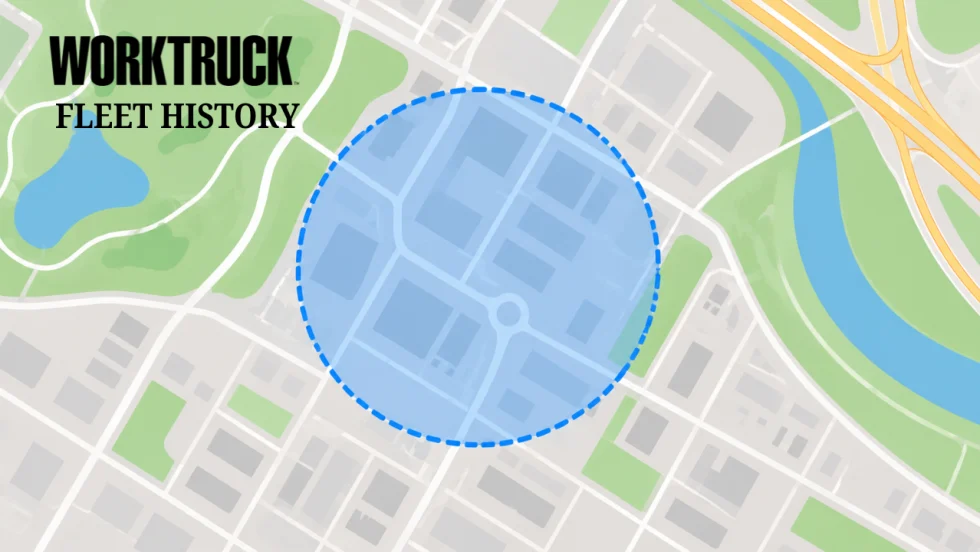
GeoFencing Adds to Your Truck Security Arsenal
Geofencing is a familiar fleet tool today, but its early adoption marked a major shift in vehicle tracking, route monitoring, and the debate over employee privacy.
Read More →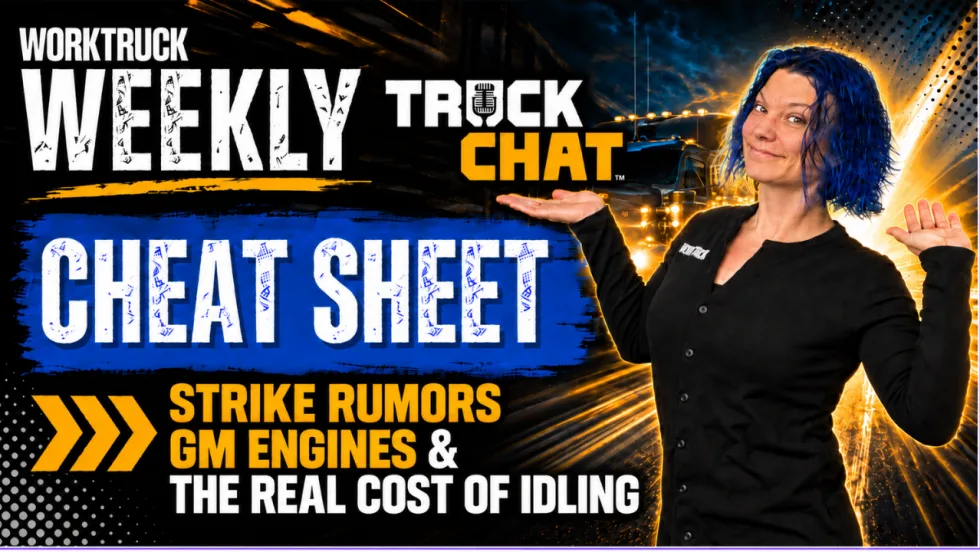
Truckers’ Strike Rumors, New GM Engines, and Hidden Idling Costs Lead This Week’s News
Truckers’ strike rumors, GM’s new 2027 engines, hidden idling costs, racing lessons, IRP rules, and more headline this week’s Truck Chat Weekly Cheat Sheet.
Read More →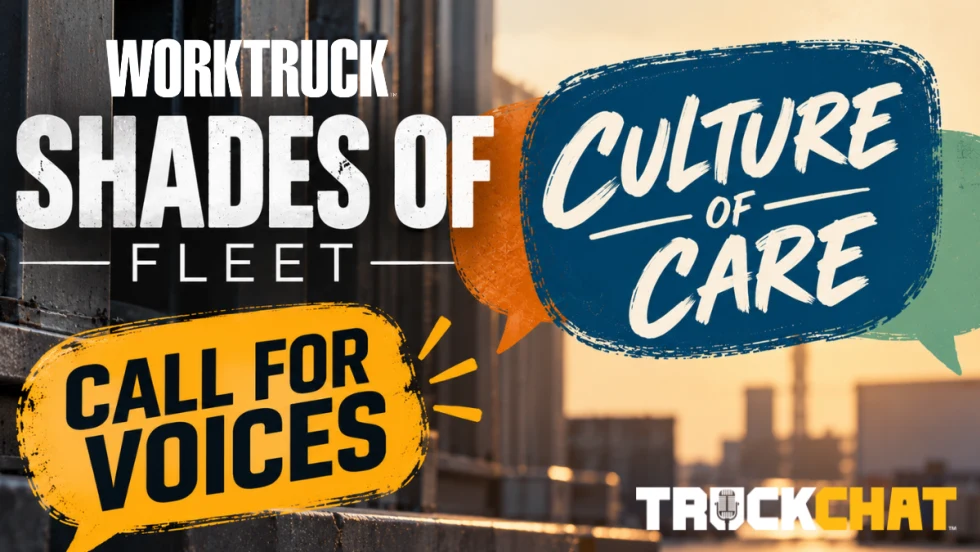
Shades of Fleet Wants to Hear From You About Building a Culture of Care
Fleet leaders, we want to hear from you. Share how empathy, trust, and creating space for people can strengthen your team, improve performance, and support retention.
Read More →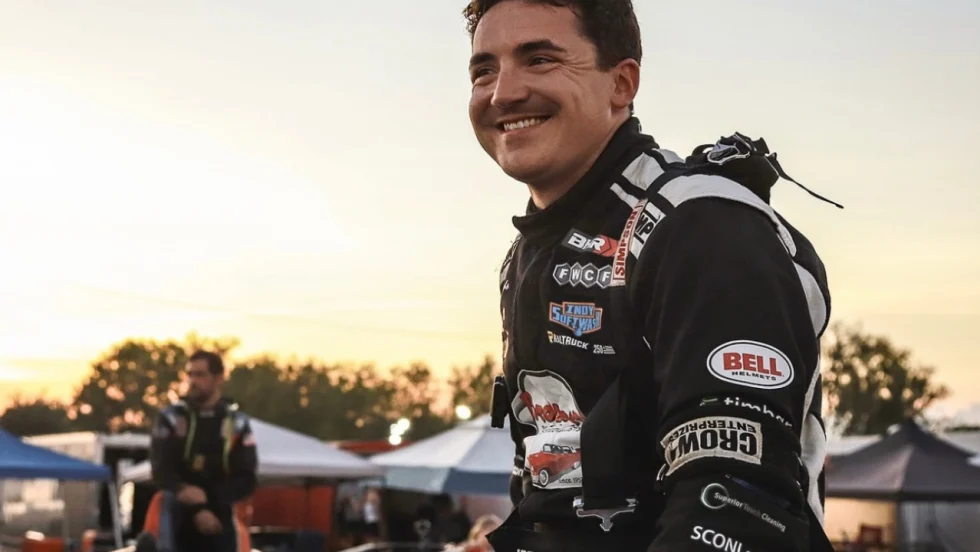
What Racing Can Teach Work Truck Fleets About the Work Nobody Sees
Race car driver and mechanical engineer Isaac Johnson shares practical lessons on preparation, relationships, setbacks, and building teams that perform when it counts.
Read More →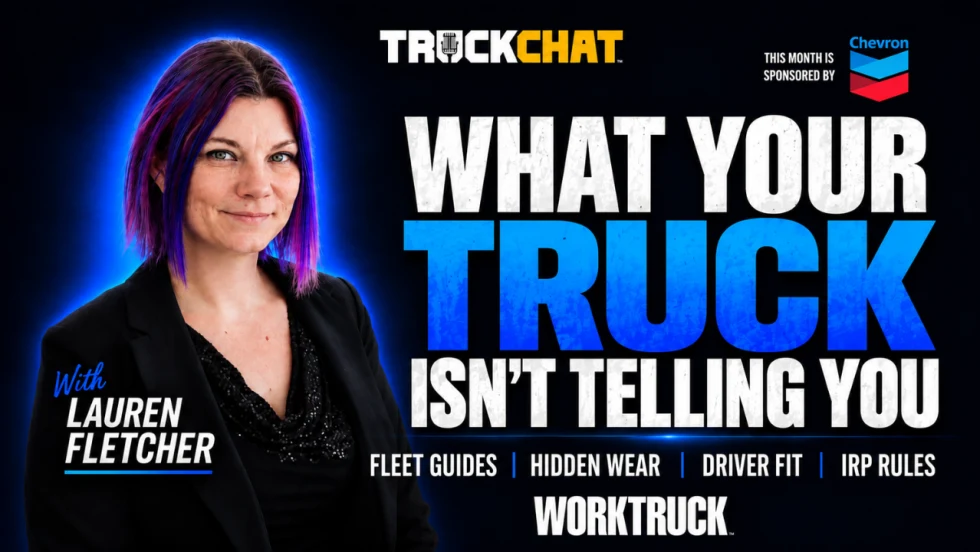
New Fleet Guides, Hidden Truck Wear, and Driver Fit Lead This Month
Our latest Truck Chat recap covers new Fleet Guides, hidden idling costs, driver fit, lighter-truck registration rules, and year-round technician appreciation.
Read More →
Work Truck Takes Fleet Rivalry Downhill to Support Skilled Trades
Team Fletcher claimed a head-to-head win and second overall as Work Truck and Automotive Fleet helped raise $22,000 for the Hourglass Foundation.
Read More →