





Learn More: FirstEnergy Fleet Purchases Will Be 100% EV or Hybrid Starting 2021
FirstEnergy Adds Cleaner-Powered Hybrid Bucket Trucks
Hybrid bucket trucks reduce emissions using a high-capacity battery pack motor to power the hydraulic lift rather than idling the diesel engine.
January 3, 2022
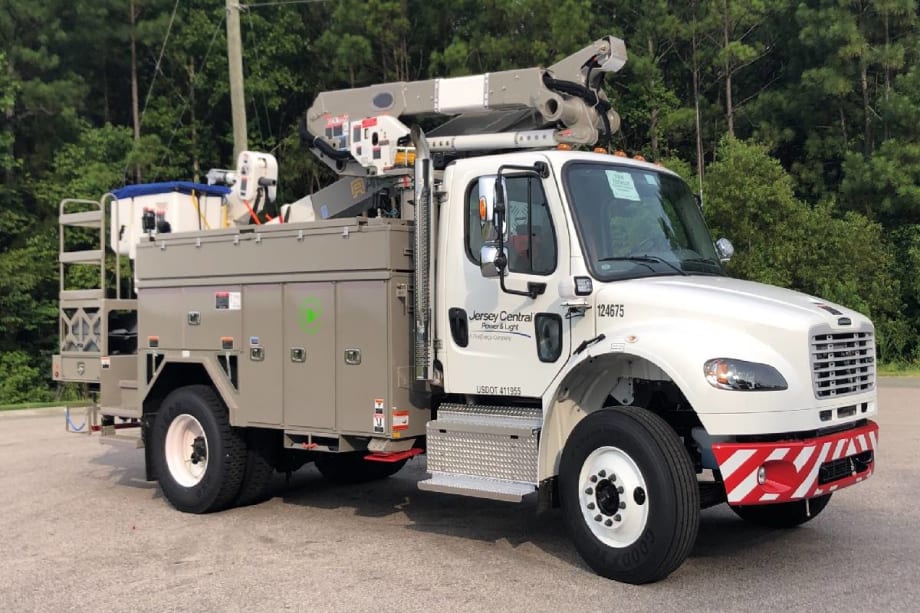
Hybrid bucket trucks reduce emissions using a high-capacity battery pack motor to power the hydraulic lift rather than idling the diesel engine.
Photo: FirstEnergy
2 min to read
The first cleaner-powered hybrid electric bucket trucks in FirstEnergy Corp.'s vehicle fleet will be on the road soon, helping to provide reliable electric service to Jersey Central Power & Light customers in New Jersey.
Five new hybrid electric bucket trucks are receiving final inspections at JCP&L line shops – three in Flemington and one each in Washington and Newton.
Hybrid bucket trucks reduce emissions using a high-capacity battery pack motor to power the hydraulic lift rather than idling the diesel engine. Truck manufacturer Altec estimates utility vehicles idle in park for about 65% of their total engine hours, with an hour of engine idle equivalent to 25 miles of driving. The electric motor runs quietly without any background noise, limiting disturbances to nearby residences and making it easier for crews to communicate with each other.
The initial deliveries are part of the utility's previously announced plans to electrify 30% of its approximately 3,400 light-duty and aerial fleet vehicles by 2030, with the goal of reaching 100% electrification by 2050.
Additional hybrid electric bucket truck deliveries are expected to be made in areas served by FirstEnergy's West Virginia utilities and Ohio Edison areas early next year.
In addition to powering the aerial bucket hydraulics, the battery pack operates the vehicle's heating and cooling systems while workers are on the job site. The idle mitigation feature also helps extend the life of the vehicle by reducing engine operation time, eliminates certain maintenance expenses and cuts fuel costs over time.
The vehicle self-charges up to 80% of battery capacity while being driven from job site to job site. If the hybrid battery ever gets too low, which could happen during a storm or large restoration effort, the diesel will automatically kick in to provide backup power for the hydraulic lift to continue operating.
To achieve full performance, the hybrid trucks will need to be charged at least once a week. The batteries can be charged off a conventional power outlet. As part of the hybrid bucket truck implementation process, quick charging stations also will be installed at various company facilities so the vehicles can be charged rapidly and ready to go within a 45 minute timeframe, if needed.
The hybrid trucks also are equipped with a telemetric system that collects data on the amount of emissions, fuel, and engine hours saved, as well as the time the battery was charged, used, or overridden should the operator use the diesel setting. The information is transmitted to the FirstEnergy fleet managers for tracking and review.
More Green Fleet
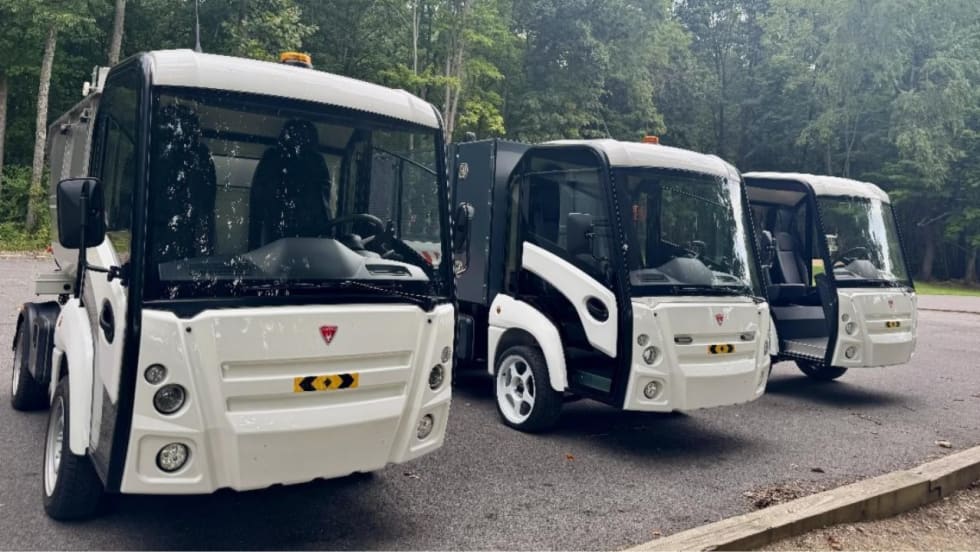
Narro Trucks Introduces Electric Utility Vehicle
Narro Trucks officially launched its operations on Aug. 20 and hosted a ride and drive to showcase its electric truck, which will be produced in Virginia.
Read More →
Samsung SDI Takes Full Control of GM Battery JV as Indiana Plant Pivots to Energy Storage
Samsung SDI is taking full control of its Indiana battery plant with GM, marking a major shift from the EV-focused joint venture Charged Fleet first covered in 2023.
Read More →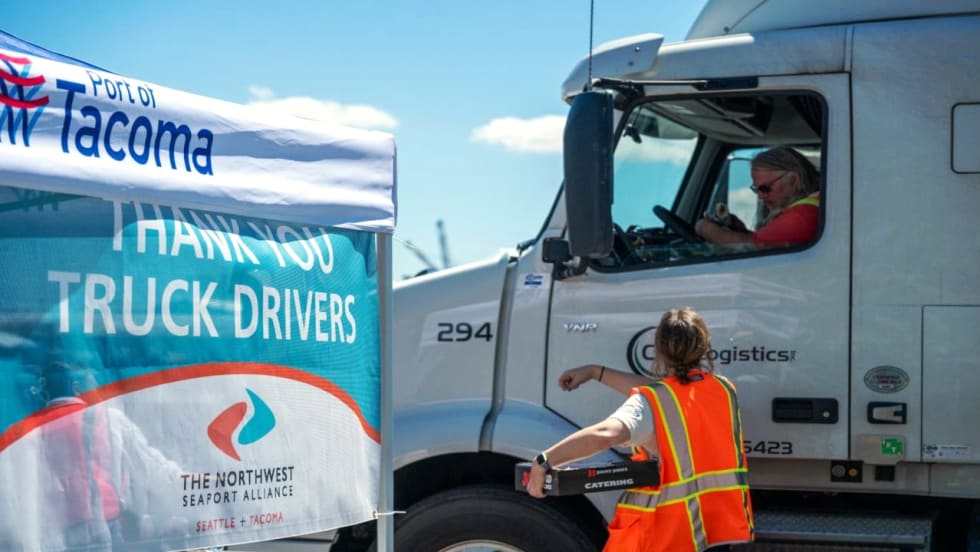
NWSA Taps CALSTART to Administer Zero-Emission Drayage Assistance Program
CALSTART will provide free technical assistance services to drayage fleets serving the Ports of Seattle and Tacoma and looking to transition to cleaner technologies and help decarbonize freight hubs.
Read More →
EV Fleet Reality Check: What Operators Wish They Knew Before Electrifying Their Work Vans
Electric work truck upfits bring new compatibility questions. Learn how parts availability, OEM guidance, power demands, and route planning can affect fleet performance.
Read More →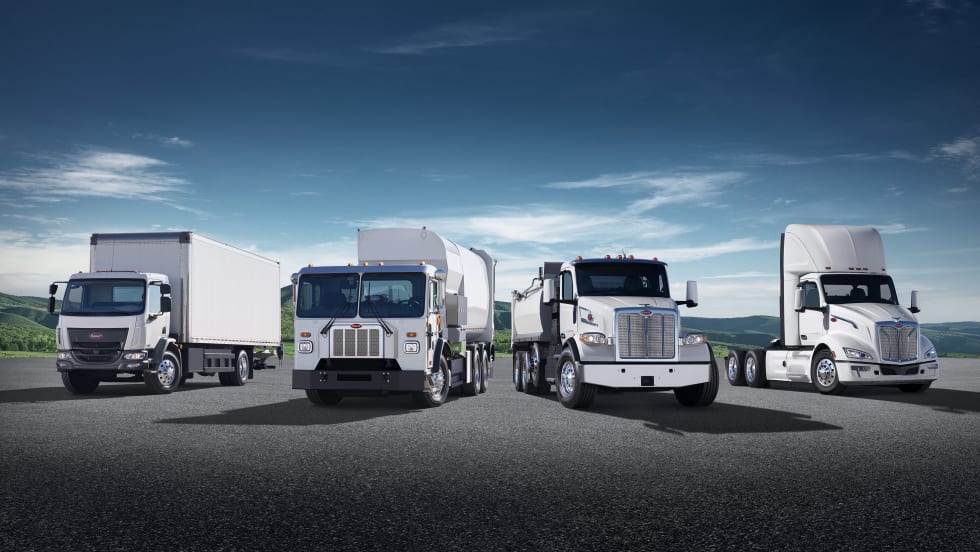
Peterbilt Expands Sourcewell Partnership with Electric Vehicle Lineup
Peterbilt Motors Company’s cooperative purchasing agreement with Sourcewell and its Canadian partner, Canoe Procurement Group, now includes including Peterbilt's battery-electric vehicle lineup.
Read More →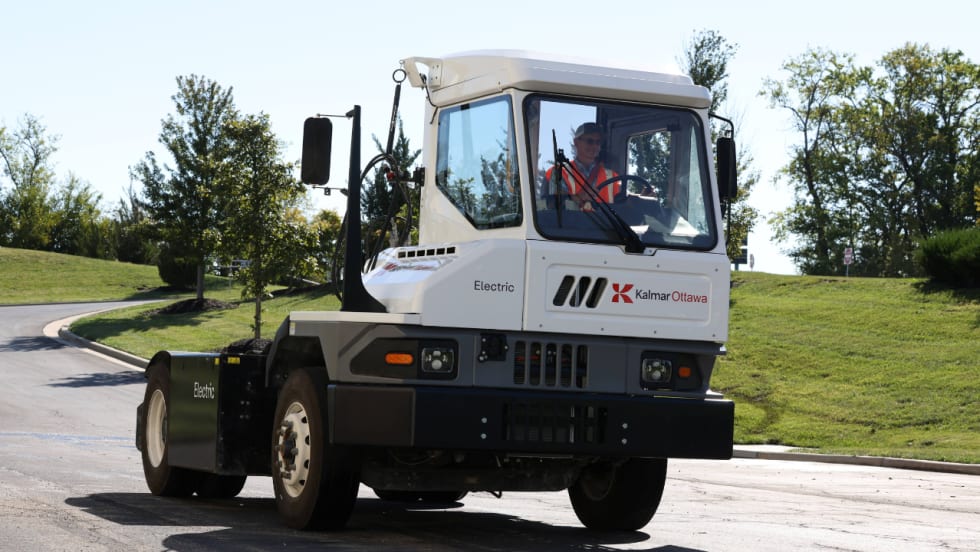
WTC Group Expands Sustainable Operations with Kalmar Ottawa T2 EV Fleet
Commercial adoption of the Kalmar Ottawa T2 EV terminal tractor continues to grow as customers add the zero-emission yard tractor to their fleets. WTC Group has placed an order for a Kalmar Ottawa T2 EV.
Read More →
Where Propane Autogas Fits in Today's Fleet Fuel Strategy
Learn more from PERC's Joel Stutheit, as he explains why propane autogas remains a practical alternative for fleets seeking to reduce emissions without sacrificing operational flexibility.
Read More →
Schneider Electric Simplifies Commercial EV Charging with New Charge Pro for the U.S.
Schneider Electric’s updated Charge Pro Level 2 chargers deliver reliable, flexible charging for multi-unit dwellings, fleets and workplaces, as well as public and destination charging locations such as hotels and retail centers.
Read More →
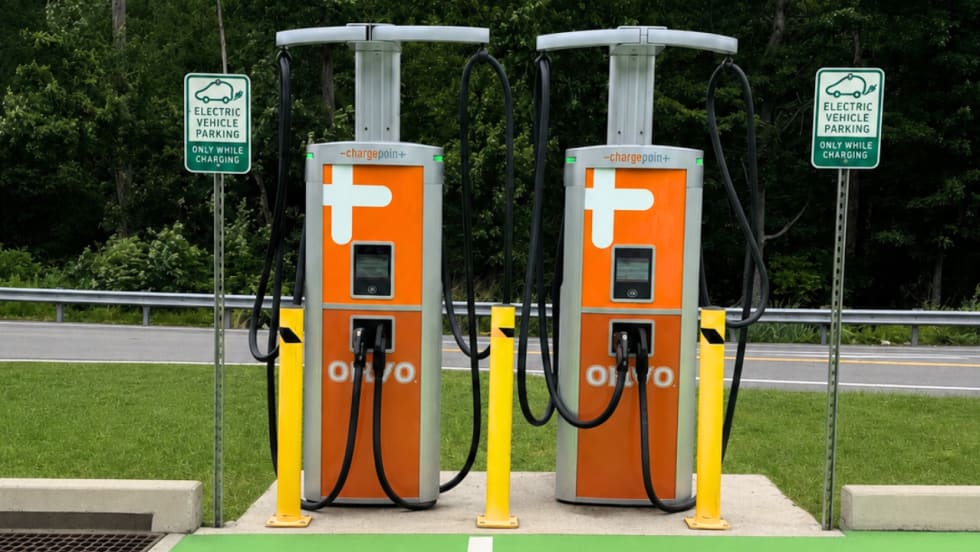
ChargePoint and Onvo Expand Highway Fast Charging Across the Northeastern U.S.
ChargePoint is working with Onvo, a locally owned travel plaza brand headquartered in Pennsylvania, to install ultra-fast EV charging stations at locations in the Northeastern U.S.
Read More →