




Utilities Are Essential to Fleets’ EV Infrastructure Plan
Ford Pro Charging’s Muffi Ghadiali explains how increasing grid demands necessitate fleets and utilities working together to reduce peak load with local battery storage, renewables, and bidirectional power from EVs themselves.


“This is a moment in history where the grid is going to be redefined,” said Muffi Ghadiali, head of Ford Pro Charging, as part of the keynote address at the 2021 Fleet Forward Conference.
Photo courtesy Ross Stewart, RMS3Digital
As vehicle electrification expands for both commercial and consumer use, there will be an increasing need for greater electric-grid capacity. In turn, fleets will need to work more closely with their utility — or multiple utilities — to manage the load.
This was one of the points imparted by Muffi Ghadiali, head of Ford Pro Charging, as part of the keynote address at the 2021 Fleet Forward Conference in San Jose on Nov. 11. Ghadiali joined Tim Baughman, Ford Pro general manager for North America, on stage.
“Over the next 10 years, utilities see electrification as a huge opportunity but also a challenge,” Ghadiali said. “There’s going to be a massive new load on the grid. Utilities are trying to figure out where and when the load is going to materialize and exactly where the depots are going to be located so they can manage the energy generation and distribution. And even more importantly, can the utilities actually control the load?”
This is one reason why fleets need to keep in mind where their depots are going to be located physically, he said. For national fleets, that will mean connecting to multiple utilities with different complexities.
Ford Pro, the rebranding of the automaker’s commercial business, goes beyond selling and servicing vehicles to help fleets connect Ford vehicle’s physical hardware with software — including telematics data — that will be essential to harvest for smart electrification.
Ford Pro works with utilities on demand response, Ghadiali said, which entails tying into the EV infrastructure to determine how much energy is available and the most optimal times to deliver that energy.
“The utility might tell us, ‘Hey, can you turn down charging for the next two hours because there are load demands elsewhere,’” he said. “And we look at the fleet and say, ‘The vehicle is going to be here for the next six hours, so we can turn it down (a certain amount).’”
In this scenario there is a direct economic benefit for the fleet customer because the utility is willing to pay the fleet to reduce the load, Ghadiali said. “There’s nuance to this, and we at Ford Pro are trying to isolate these issues from fleet customers so they can focus on what matters most, running their fleets.”
Ghadiali referenced severe weather events in California and Texas that have pushed the grid to the limit. This stresses the need for grid resiliency and the ability to reduce peak load. This will distribute some of that energy to the edges with solutions such as local battery storage and renewables such as solar.
“All of this has to be done in conjunction with the utility because they will still be the primary energy provider,” he said.
This load balancing is already taking shape, Baughman said, as some owners of Ford F-150 hybrids in Texas used the vehicle’s bidirectional power to heat their homes. Bidirectional power will be an option on the coming electric F-150, which will allow for emergency use but also to charge back to the grid at night.
Originally posted on Automotive Fleet
More Green Fleet

Fleet Forward Conference Introduces One-Day Passes for 2026
New one-day registration gives fleet professionals the flexibility to attend Tuesday, Wednesday, or Thursday, with passes available for $199 through Sept. 18.
Read More →
CALSTART Rebrands as Catalyst Mobility, Will Combine with Forth in 2027
CALSTART has rebranded as Catalyst Mobility and will combine with Forth at the start of 2027. The new organization said it is poised to become one of the world's largest, strongest, and most impactful clean transportation nonprofits.
Read More →
Electric Truck and Charging Programs to Boost Sustainability at NY & NJ Ports
Together, the Port Authority of New York and New Jersey and CALSTART will electrify drayage and terminal operations serving the East Coast’s busiest container port. A pair of incentive programs totaling $45 million has launched to accelerate adoption of zero-emission drayage trucks and terminal tractors.
Read More →
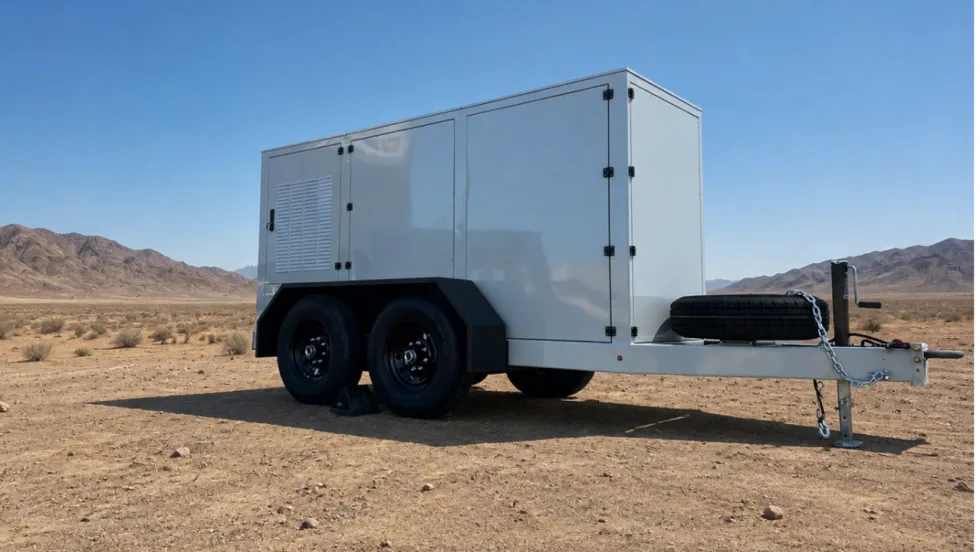
Xos Hub Surpasses One Gigawatt-Hour of Energy Delivered in the Field
A single Xos Hub has surpassed one gigawatt-hour of energy across more than 33,600 charging sessions in the field, demonstrating performance that supports Xos' expansion across new products and markets.
Read More →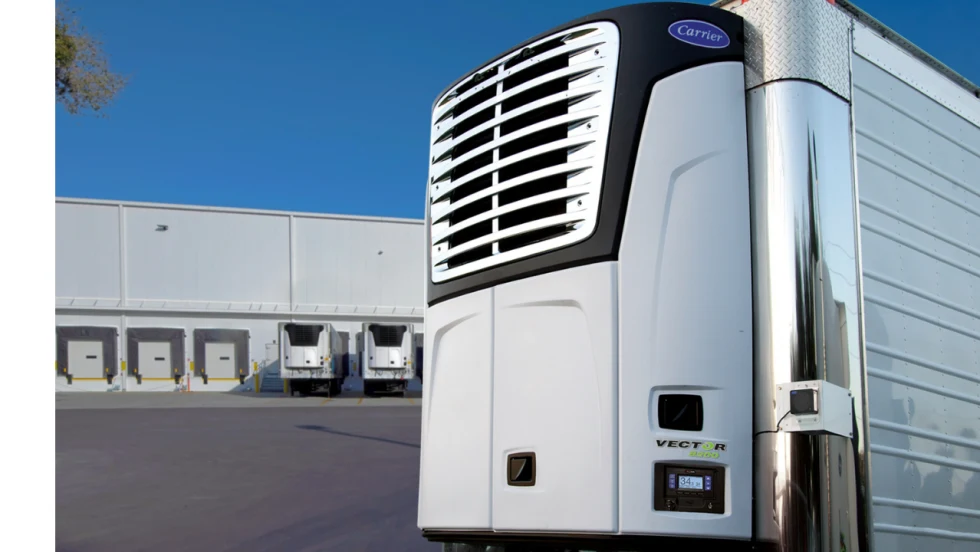
Carrier Transicold Launches All-Electric Vector 8200 TRU for Diesel-Free On-Site Cold Storage
Carrier Transicold’s first engineless multi-temperature TRU helps fresh- and frozen-food fleets add supplemental cold storage capacity during seasonal peaks.
Read More →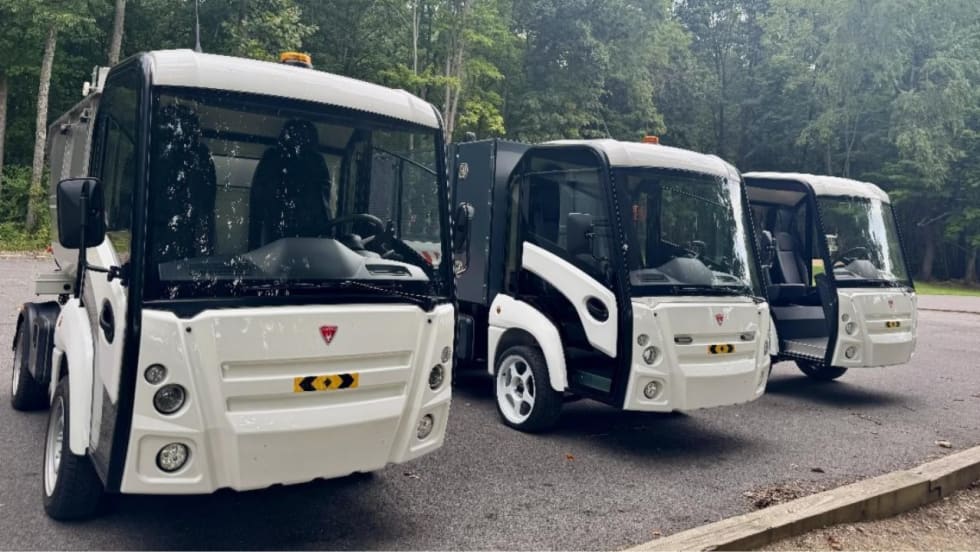
Narro Trucks Introduces Electric Utility Vehicle
Narro Trucks officially launched its operations on Aug. 20 and hosted a ride and drive to showcase its electric truck, which will be produced in Virginia.
Read More →
Samsung SDI Takes Full Control of GM Battery JV as Indiana Plant Pivots to Energy Storage
Samsung SDI is taking full control of its Indiana battery plant with GM, marking a major shift from the EV-focused joint venture Charged Fleet first covered in 2023.
Read More →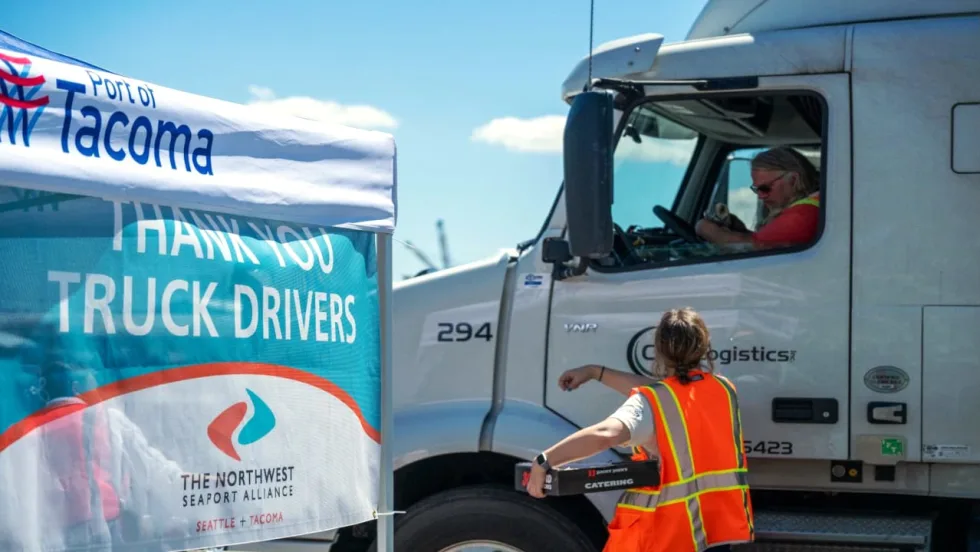
NWSA Taps CALSTART to Administer Zero-Emission Drayage Assistance Program
CALSTART will provide free technical assistance services to drayage fleets serving the Ports of Seattle and Tacoma and looking to transition to cleaner technologies and help decarbonize freight hubs.
Read More →
EV Fleet Reality Check: What Operators Wish They Knew Before Electrifying Their Work Vans
Electric work truck upfits bring new compatibility questions. Learn how parts availability, OEM guidance, power demands, and route planning can affect fleet performance.
Read More →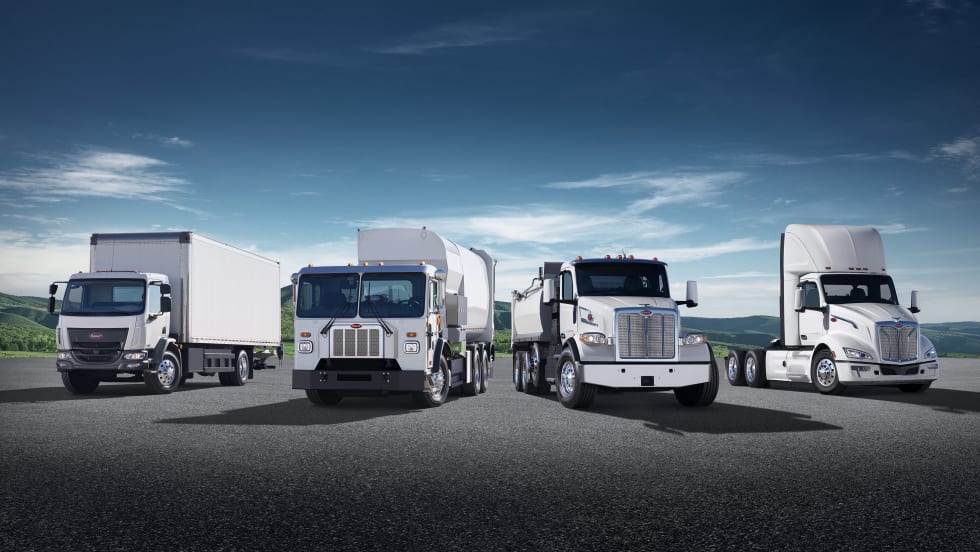
Peterbilt Expands Sourcewell Partnership with Electric Vehicle Lineup
Peterbilt Motors Company’s cooperative purchasing agreement with Sourcewell and its Canadian partner, Canoe Procurement Group, now includes including Peterbilt's battery-electric vehicle lineup.
Read More →