




Accident Management Trends During COVID
Work Truck’s annual accident trends report will likely be an anomaly for years to come. It’s clear that the first few months of the year have been incredibly impacted by the coronavirus pandemic. But, it’s not all COVID-related impacts.


No one could have predicted what 2020 has brought so far. Looking back at our “future forecasts,” I have to admit not one of them hinted at handling a widespread pandemic.
Photo: Wiki Commons
Work Truck’s annual accident trends report will likely be an anomaly for years to come. It’s clear that the first few months of the year have been incredibly impacted by the coronavirus pandemic.
But, it’s not all COVID-related impacts.
An Essential Need
Use of the term “essential” has grown exponentially since the start of the year. From essential workers to essential businesses, there are clearly several necessary businesses, including many fleet operations.
“Although the economy has been hit hard in 2020, there are still many essential businesses that have seen increased volume, resulting in more miles being driven,” noted Connie Brinkmann, assistant vice president of Risk Management, Enterprise Fleet Management. “In this type of scenario, fleet managers should closely monitor miles driven to confirm employees are given the rest they need to avoid fatigue or distraction.”
Additionally, “essential” workers are getting burned out. Working longer hours in increasingly hostile work environments, fleet managers should keep an eye on the mental health of their drivers as well as their physical health.
Decrease in Vehicles on the Road
There are fewer vehicles on the road this year, which one would assume would help increase overall driver safety. But, data is showing those that are on the road are likely not being driven as carefully as before.
“When looking at the vehicles that have been on the road over the past few months, the data shows that accident rates are on the rise, with an increase in injury and fatality rates. Therefore, it is more important than ever to make sure the right person is behind the wheel, especially when they are operating such a large vehicle. Fleet managers need to make sure that a driver’s qualifications and background history, where permitted, are properly vetted. Once on the job, making sure drivers comply with all DOT ongoing requirements is important, not just for compliance purposes, but to ensure their own safety as well as the safety of others and the fleet,” said Brinkmann of Enterprise Fleet Management.
A Growth in Theft
Unfortunately, while not directly correlated to COVID-19, one trend that gained momentum in 2020 is the number of vehicle thefts and theft damage incidents.
“Based on this year’s data, these incidents are up about 10% as compared to 2019 and have increased nearly 25% since 2018. In many cases, the increase in stolen vehicles can be attributed to a growing number of drivers leaving keys and key fobs in the vehicles, making them easier to steal. In terms of theft from vehicles, this ranges from personal belongings that are left in the vehicle (cell phones, laptops, wallets, etc.) to components such as catalytic converters and diesel particulate filters (DPFs) as these items often contain precious metals which can be easily sold for cash,” said Rich Radi, director, product management for ARI.
Radi recommended fleet operators educate their drivers on this growing trend, stressing the importance of remaining vigilant of their surroundings and not leaving keys or high-value items unattended in their vehicles.
The Bottom Line
No one could have predicted what 2020 has brought so far. Looking back at our “future forecasts,” I have to admit not one of them hinted at handling a widespread pandemic.
How are you seeing COVID-19 and the ongoing coronavirus pandemic impacting your fleet in terms of safety and accident management? Any new and unique trends you didn’t expect? E-mail me, let’s chat!
Lauren Fletcher
lauren.fletcher@bobit.com
More Blog Posts

Can America Replace Canadian Truck Production Without Hurting U.S. Fleets?
U.S. tariffs are targeting Canadian truck production, but Ford and GM show why moving that manufacturing south isn’t so simple. After 60 years of building one North American supply chain, what could fleets lose by pulling it apart?
Read More →
The Fleet Skills We Keep Missing on Veterans’ Resumes
What if some of the strongest candidates are already out there, but we are overlooking them because their experience is written in a language our industry does not always recognize?
Read More →
Technicians Are Doing More Than Turning Wrenches
Technicians do far more than repair vehicles. Six professionals reveal the problem-solving, pressure, and pride behind keeping fleets moving.
Read More →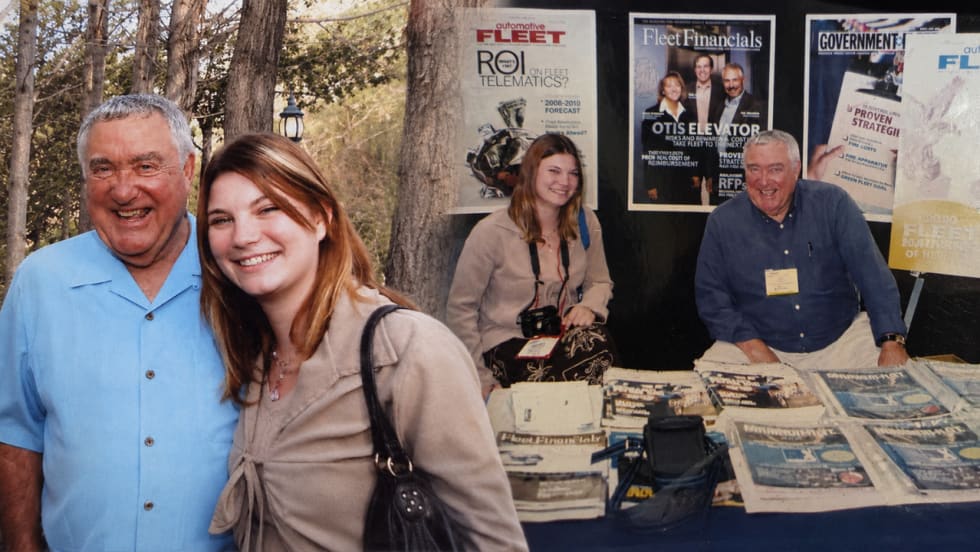
WWCD? What Would Coach Do?
A personal reflection on Ed "Coach" Bobit, the mentor who shaped my career, and why I still ask myself one question 12 years later: WWCD?
Read More →
What the Fleet Industry Still Gets Wrong About Talent
What can the fleet industry learn from the women helping shape its future? A look at talent, leadership, sponsorship, and why new perspectives drive progress.
Read More →
AI Isn’t Killing Content, but Lazy Expertise Is
Thought leadership loses value when AI does the thinking. Here’s why authentic industry voices still matter most.
Read More →
Do I Need a U.S. DOT Number?
Whether you operate a small fleet of light-, medium-, or heavy-duty units, or are merely the owner of one truck wanting to ensure you adhere to the law, knowing if you can need a U.S. DOT number can be confusing.
Read More →
Is Retirement in Fleet Now More Like ‘Rewiring’?
Fleet professionals rarely retire for good. They return as advisors, mentors, and consultants, keeping hard-won experience in the industry.
Read More →
What Does Visibility in Fleet Really Look Like?
Advocacy changes things. Visible trust changes things. Structure changes things. Access changes things. A willingness to share connections, rooms, and opportunities, and a belief in someone before it is convenient, changes things.
Read More →
Work Truck Week 2026 Shows an Industry Focused on Practical Progress
Taken together, these themes show an industry that is not chasing a single technological solution. Instead, it is building a broader toolkit designed to support the diverse and demanding jobs fleets perform every day.
Read More →