


 MENU
MENU SEARCHMENUSEARCH
Loading data...
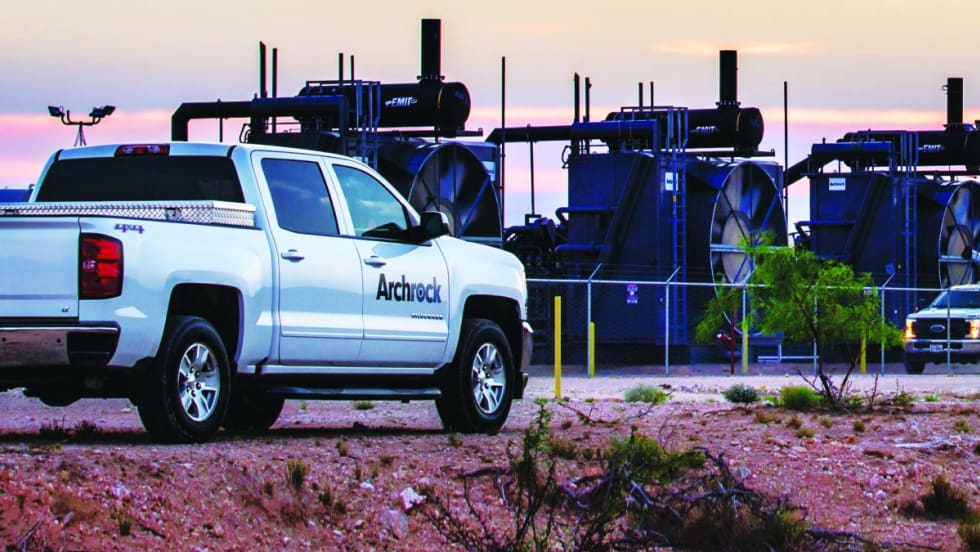
A one-size-fits-all for approach getting replacement cycles right? That doesn’t exist. The good news? Fleets have options to customize the best strategy for their unique operation.
Read More →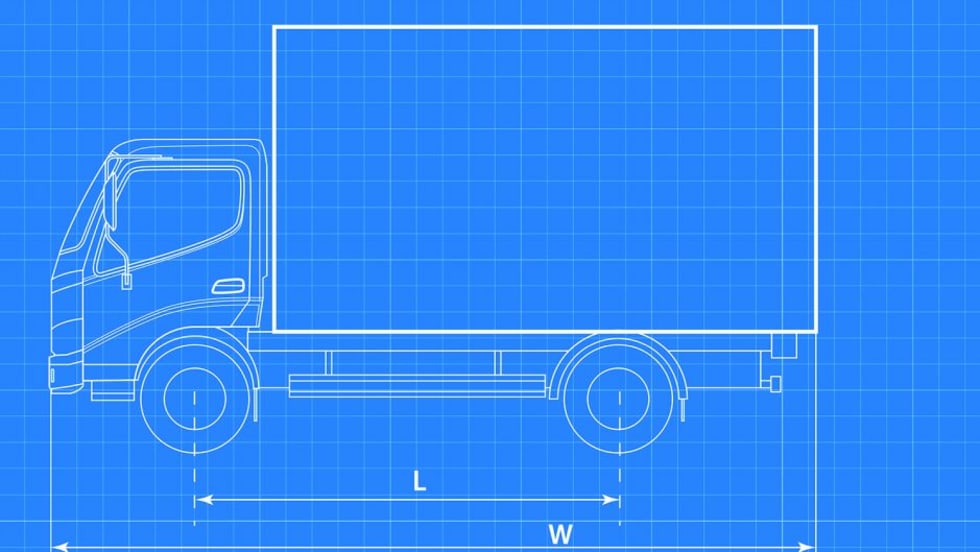
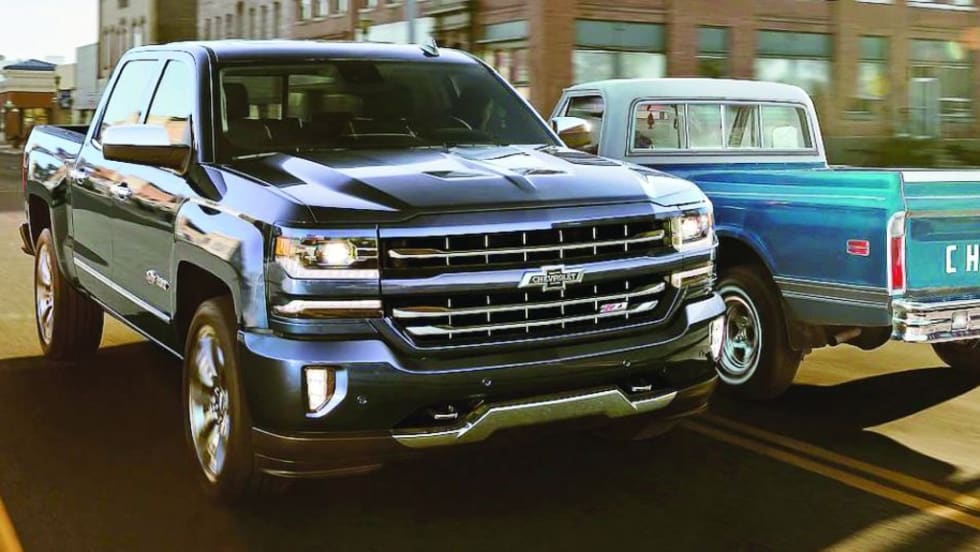


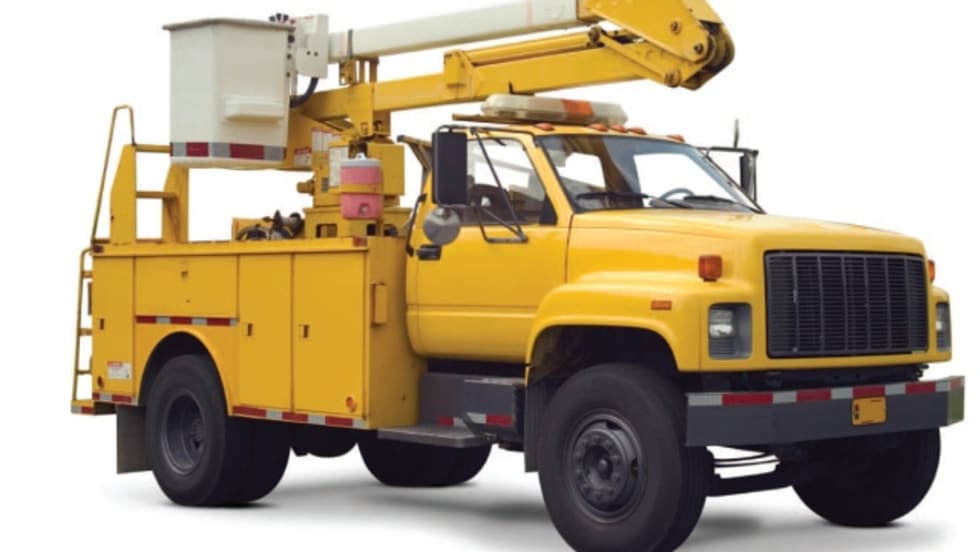


As vehicle technology continues to advance, experts suggest you build the truck that specifically benefits your organization, and revise those specs to keep up with the industry.
Read More →Big Data, tax law changes, new vehicle options, fuel prices, and more, are impacting fleets decisions about when to replace their trucks.
Read More →Extending replacements too long can result in added repair and maintenance costs but replacing a vehicle too soon can leave money on the table in terms of vehicle life.
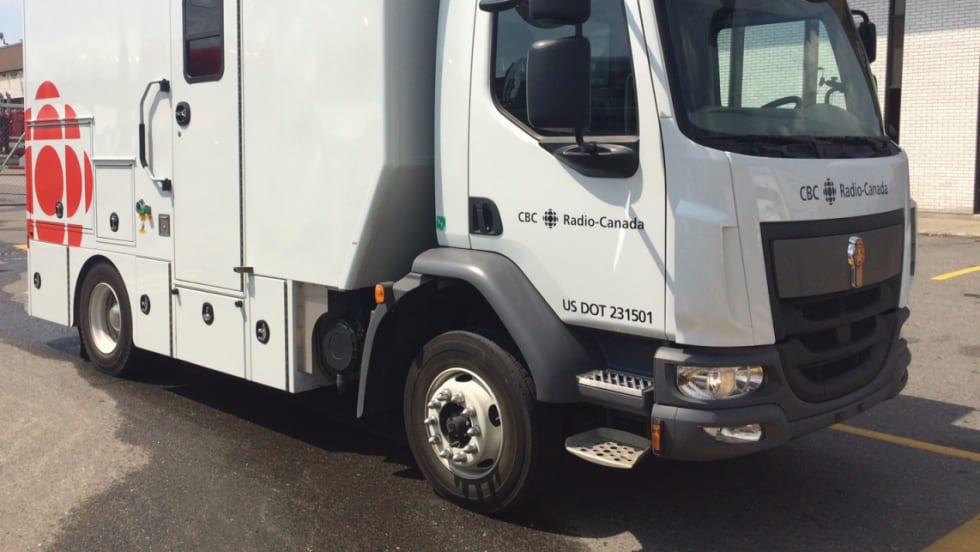
Read More →The Canadian Broadcasting Corp. runs three Kenworth Class 6–7 cabovers as mobile production units to disseminate news on the fly.
Read More →Extending truck replacement cycling parameters beyond stated fleet policy is typically a short-term tactic used by senior management to solve a budgetary constraint; however, there are long-term fleet consequences to this strategy.
Read More →The more expensive the asset, the longer it is kept in service; however, the need for short-term cost savings prompts some fleets to even further extend cycling parameters and defer replacements.
Read More →The USPS could save as much as $1.9 billion by using modified, off-the-shelf mass-market vehicles and upgrading its fleet at least once in the next 20-25 years, according to a report from the organization Securing America's Future Energy (SAFE).
Read More →A variety of approaches can be used, each with their own advantages and disadvantages that must be considered.
Read More →This integrated platform provides a variety of tools that allow fleet managers to track and improve their fleet performance through benchmarking, KPI tracking and telematics solutions.
Read More →