


 MENU
MENU SEARCHMENUSEARCH
Loading data...

Because trucks and buses use significant amounts of fuel and tend to emit high levels of greenhouse gases (GHG) emissions, diesel and natural gas (NG) vehicles are increasingly attractive options in these commercial markets.
Read More →
Testa Produce has added two new trucks to its delivery fleet, both of which operate solely on electricity. The trucks have zero emissions and travel up to 100 miles without recharging.
Read More →
The Fiat 500e recharges in less than four hours with its Level 2 (240V) onboard charging module (OBCM).
Read More →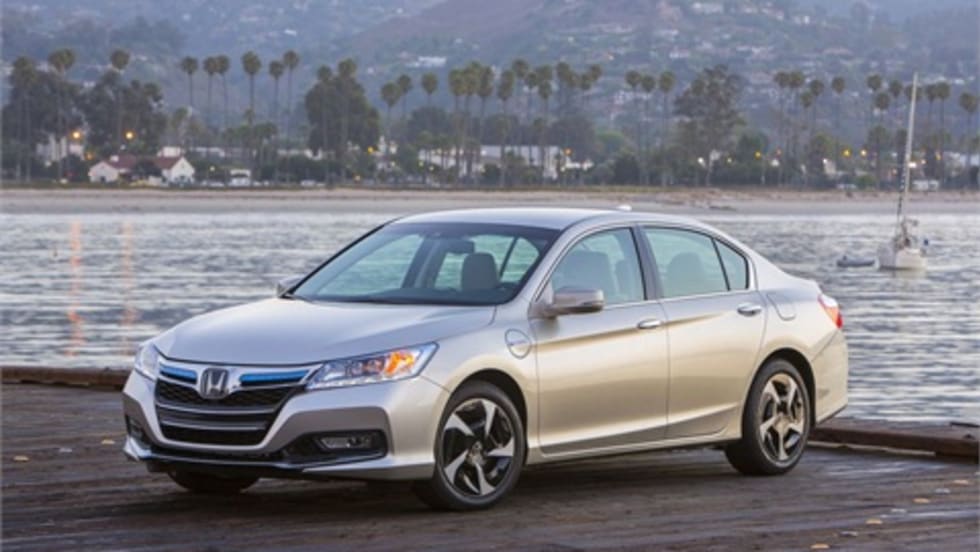
This makes the Honda Accord Plug-in Hybrid the first gasoline-powered car in California to meet what is known as the SULEV20 standard, the most stringent in the nation.
Read More →Clean Pass, a New York state-run program promoting reduced greenhouse gas emissions and fuel consumption, recently ruled C-MAX Energi owners could drive the entire 40-mile stretch of the Long Island Expressway in the carpool lane.
Read More →
The decision to go green requires fleets to first establish the means and objectives to be attained. Challenges include financial considerations, government mandates, and infrastructure concerns, which must be planned for in advance.
Read More →The EPA said there are 65 vehicle models of pickups, minivans and vans with combined city/highway fuel economy ratings of 20 mpg or greater, as compared to only 38 models five years ago.
Read More →SUNNYVALE, CA - A new research report published by Carbon War Room and Trimble, “Road Transport: Unlocking Fuel-Saving Technologies in Trucking and Fleets,” finds that significant savings, both in fuel costs and greenhouse gas emissions (GHGs), are possible today with existing technologies.
Read More →FOSTER CITY, CA – Chicago city streets are set to be the first in the nation with all-electric, zero-emission garbage trucks thanks to the $13.4 million contract granted the San Francisco Bay Area startup Motiv Power Systems.
Read More →The tool allows fleet managers to set objectives for a plan, save the plan, make changes to it and to evaluate different alternative-fuel fleet scenarios.
Read More →