




Trucking Technology Research Released
SUNNYVALE, CA - A new research report published by Carbon War Room and Trimble, “Road Transport: Unlocking Fuel-Saving Technologies in Trucking and Fleets,” finds that significant savings, both in fuel costs and greenhouse gas emissions (GHGs), are possible today with existing technologies.
SUNNYVALE, CA - A new research report published by Carbon War Room and Trimble, “Road Transport: Unlocking Fuel-Saving Technologies in Trucking and Fleets,” finds that significant savings, both in fuel costs and greenhouse gas emissions (GHGs), are possible today with existing technologies.
Results indicate that if just Class 8 truck operators were to adopt seven simple efficiency technologies, the trucking sector would save 624 million tons of CO2 emissions by 2022 – equivalent to the annual emissions of the nations of Spain and Thailand combined. In addition, reducing GHG emissions with efficient technologies can be profitable for the industry. The report finds that Class 8 truck operators would enjoy a fuel-savings of $26,400 per truck, and a payback time of less than 18 months**. The report finds that the adoption of fuel efficiency technologies represents a profitable investment opportunity that does not depend on any new policies in order to be successful.
“We were delighted to work with the Carbon War Room on this report and believe we can help the market address the potential for technological solutions in transport inefficiencies. By offering insight as to the benefits of deploying these technologies on both fuel and cost savings, we hope businesses will take advantage of the available opportunities and accelerate adoption,” said Mark Forrest, general manager of Trimble’s Field Services Division.
Hilary McMahon, Director of Research at the Carbon War Room commented, “The opportunities that exist today to reduce fuel costs and GHG emissions for trucks and fleets are very exciting, and this report demonstrates the scale of these savings. The technologies to tap into these savings are at our disposal, so what we need now is the widespread dissemination of these technologies in the transport industry.”
Currently, road freight, or the commercial operation of road vehicles, produces 1.6 billion metric tons of CO2e per year, making the sector responsible for 5.75 percent of total worldwide greenhouse gases (GHGs). With trucking predicted to grow by 2 percent or more each year, achieving emissions reductions in this sector is critical if we are to meet key climate stabilization targets. Further, fuel prices are rising.
more
Key Findings
· The adoption of five physical technologies and two information and communication technologies (ICT)-based efficiency solutions by the Class 8 commercial vehicle fleet in the U.S. can prevent the emission of 624 million tons of CO2 by 2022 under predicted industry growth rates.
· This suite of seven technologies represents average fuel savings of $26,400 per truck, with a payback period of just 18 months**.
· The U.S. is a key location for such savings, as the operation of heavy-duty vehicles consumed 50 billion gallons of fuel in 2010.
As a result of its research, the Carbon War Room is now investigating how to play a wider role in the trucking sector to address market barriers and will be announcing the outcome of a scoping study in 2013.
For the full set of findings and to read the full report, please visit www.trimble.com/cwrreport.
-30-
**A hypothetical tractor-trailer that is in good condition and driving 130,000 highway miles in a year getting the industry average of 6.5mpg, with 2,500 hours spent idling, will cost $88,000 annually to fuel at $4/gallon diesel prices. Were this truck to adopt the best available models of aerodynamic fairings, a battery-electric APU, wide-base tires, 6x2 transmission, advanced cruise control and GPS routing, the upfront capital outlay would be approximately $30,000. However, if these devices all achieved even an average degree of their fuel reduction potentials, the truck would increase its fuel efficiency by 30%, reducing its fuel costs in a single year by $26,400. The upgrades would pay for themselves in less than 18 months, while delivering the corollary benefit of significantly reduced greenhouse gas emissions. Further cost savings may be achieved by fleet operators through the implementation of other ICT solutions.
More Green Fleet

Fleet Forward Conference Introduces One-Day Passes for 2026
New one-day registration gives fleet professionals the flexibility to attend Tuesday, Wednesday, or Thursday, with passes available for $199 through Sept. 18.
Read More →
CALSTART Rebrands as Catalyst Mobility, Will Combine with Forth in 2027
CALSTART has rebranded as Catalyst Mobility and will combine with Forth at the start of 2027. The new organization said it is poised to become one of the world's largest, strongest, and most impactful clean transportation nonprofits.
Read More →
Electric Truck and Charging Programs to Boost Sustainability at NY & NJ Ports
Together, the Port Authority of New York and New Jersey and CALSTART will electrify drayage and terminal operations serving the East Coast’s busiest container port. A pair of incentive programs totaling $45 million has launched to accelerate adoption of zero-emission drayage trucks and terminal tractors.
Read More →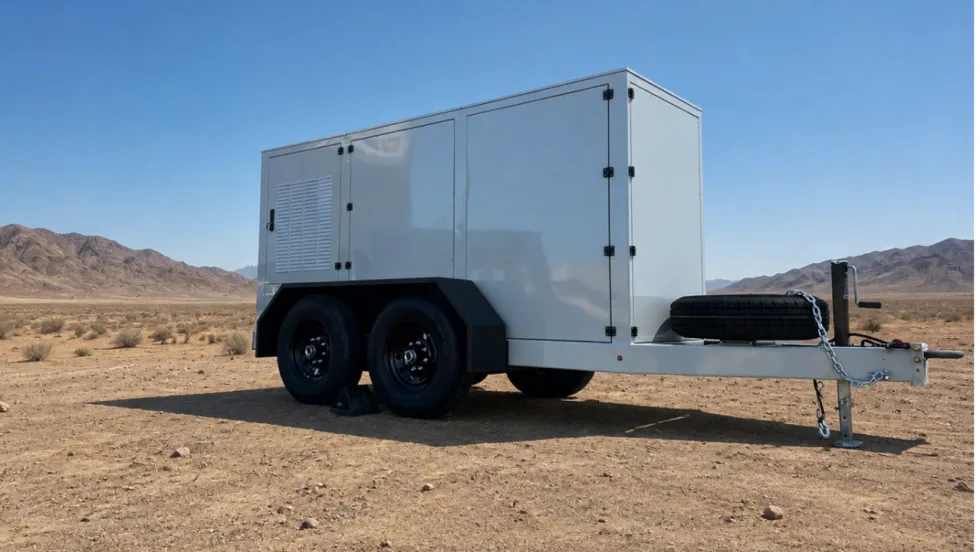
Xos Hub Surpasses One Gigawatt-Hour of Energy Delivered in the Field
A single Xos Hub has surpassed one gigawatt-hour of energy across more than 33,600 charging sessions in the field, demonstrating performance that supports Xos' expansion across new products and markets.
Read More →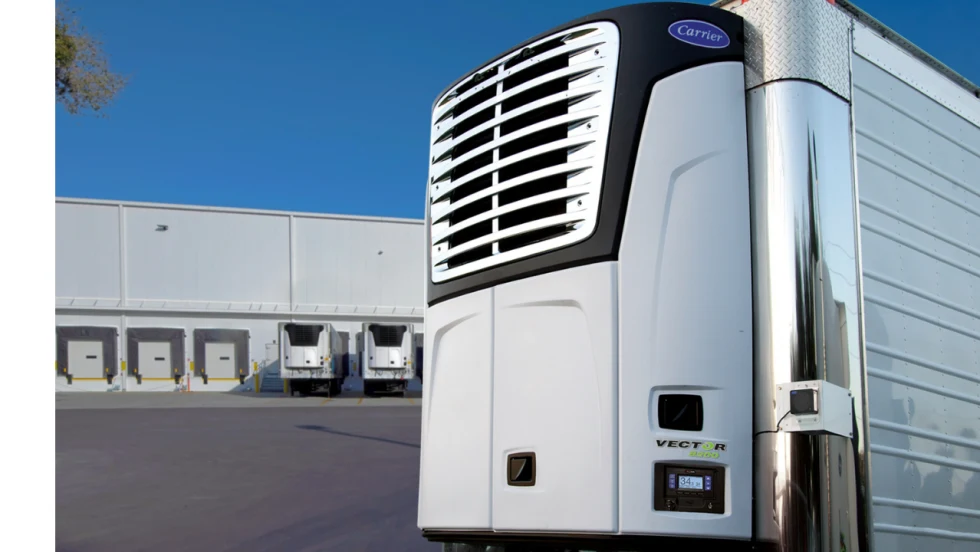
Carrier Transicold Launches All-Electric Vector 8200 TRU for Diesel-Free On-Site Cold Storage
Carrier Transicold’s first engineless multi-temperature TRU helps fresh- and frozen-food fleets add supplemental cold storage capacity during seasonal peaks.
Read More →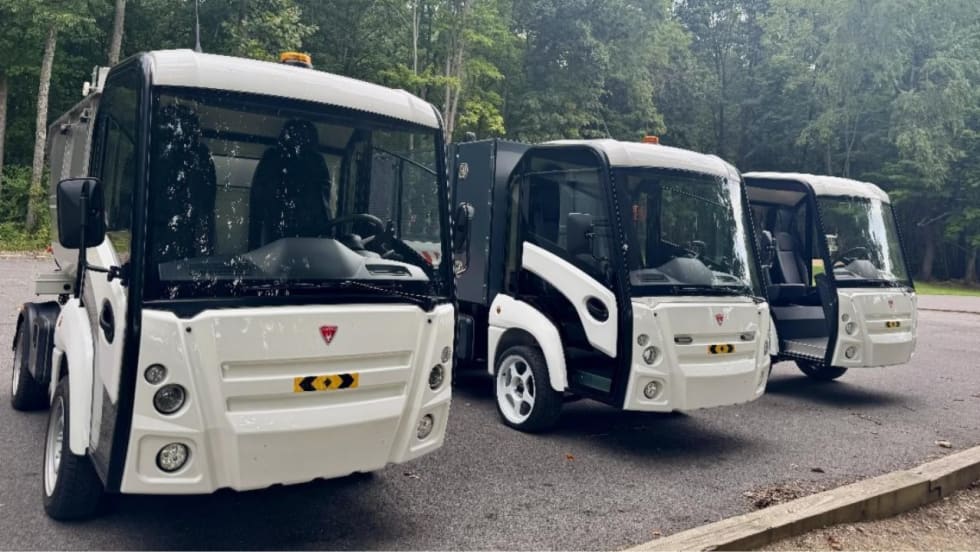
Narro Trucks Introduces Electric Utility Vehicle
Narro Trucks officially launched its operations on Aug. 20 and hosted a ride and drive to showcase its electric truck, which will be produced in Virginia.
Read More →
Samsung SDI Takes Full Control of GM Battery JV as Indiana Plant Pivots to Energy Storage
Samsung SDI is taking full control of its Indiana battery plant with GM, marking a major shift from the EV-focused joint venture Charged Fleet first covered in 2023.
Read More →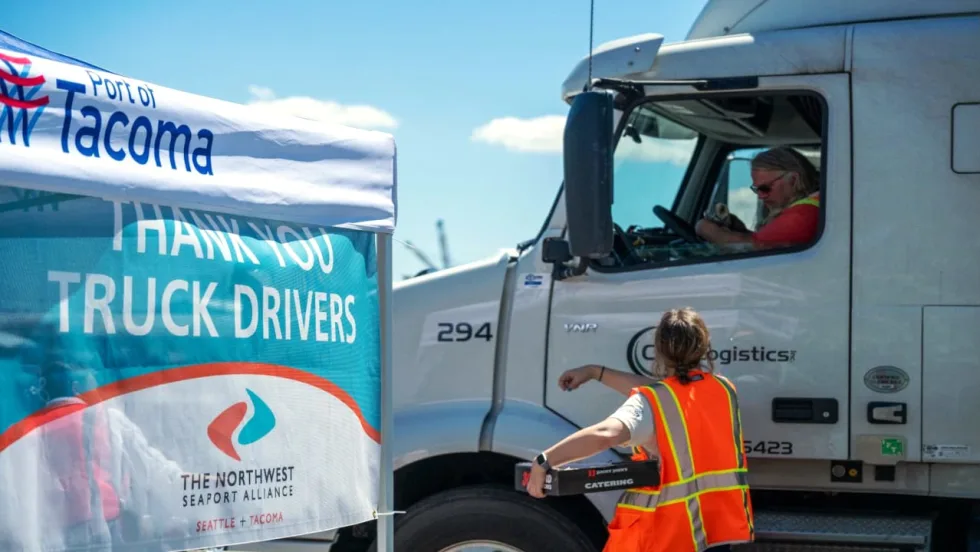
NWSA Taps CALSTART to Administer Zero-Emission Drayage Assistance Program
CALSTART will provide free technical assistance services to drayage fleets serving the Ports of Seattle and Tacoma and looking to transition to cleaner technologies and help decarbonize freight hubs.
Read More →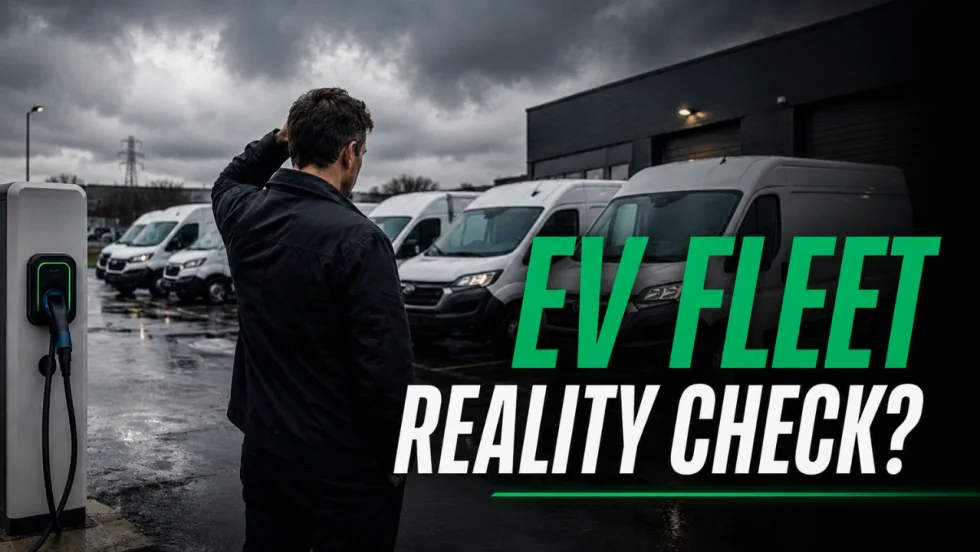
EV Fleet Reality Check: What Operators Wish They Knew Before Electrifying Their Work Vans
Electric work truck upfits bring new compatibility questions. Learn how parts availability, OEM guidance, power demands, and route planning can affect fleet performance.
Read More →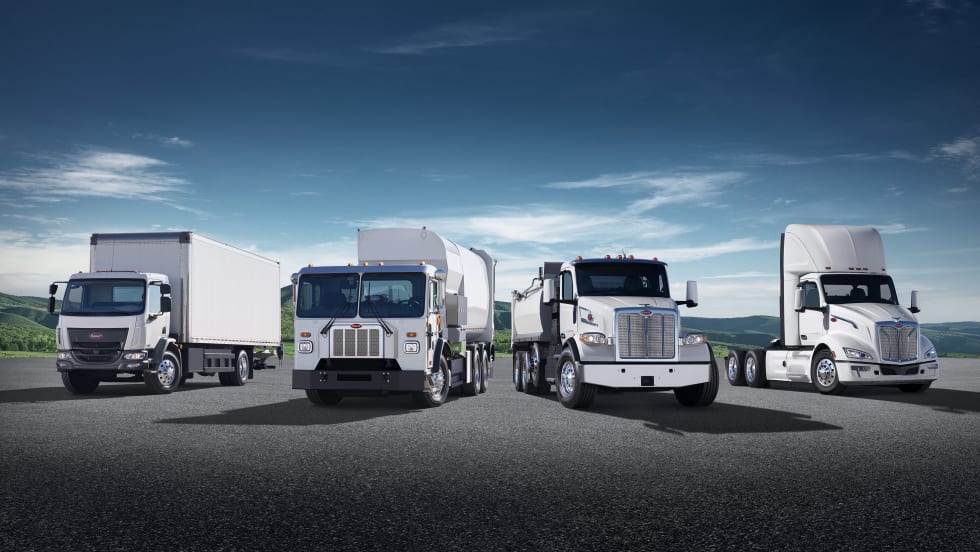
Peterbilt Expands Sourcewell Partnership with Electric Vehicle Lineup
Peterbilt Motors Company’s cooperative purchasing agreement with Sourcewell and its Canadian partner, Canoe Procurement Group, now includes including Peterbilt's battery-electric vehicle lineup.
Read More →